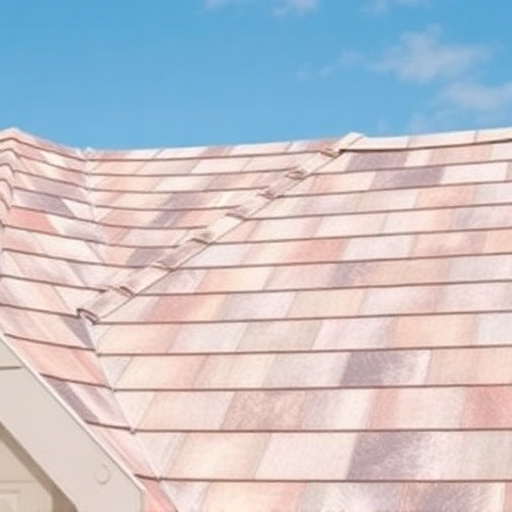
In the harsh desert climate of Oro Valley, Arizona, your roof endures scorching sun, intense heat, and powerful monsoon winds. This relentless assault can take a toll on any roofing material, especially asphalt shingles. The challenge? Ensuring your shingles not only withstand these harsh conditions but also protect your home effectively. This article examines the specific issues faced by homeowners in Oro Valley, focusing on how wind-rated shingles can provide superior durability and peace of mind. We'll explore the unique challenges posed by the desert environment, the role of wind-rated shingles in protecting your home, and practical tips for maintaining a robust and long-lasting roof.
- Understanding Shingle Durability in Extreme Desert Conditions
- The Impact of Heat and Sunlight on Shingle Material
- Wind Resistance: Key Features of Rated Shingles
- Monsoon Season: Shingles' Performance Under High Winds
Understanding Shingle Durability in Extreme Desert Conditions
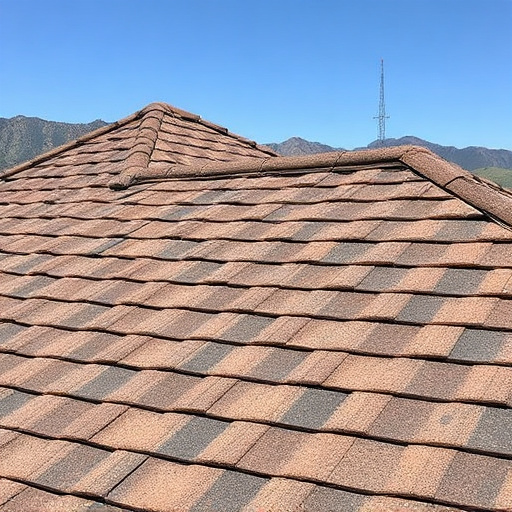
In the harsh, arid environment of Oro Valley, where intense sun and heat, and occasional monsoon winds, put a premium on durability, choosing the right roofing material is critical. Asphalt shingles, a common and popular choice, must be designed to withstand these extreme conditions. While standard three-tab shingles have long been the go-to option, not all shingles are created equal, especially for wind-rated shingles.
Shingles designed for high-wind areas, like those found in Oro Valley, are engineered with specific features to resist the powerful forces of wind and debris. Wind-rated shingles incorporate stronger, more durable granule layers and are often attached with more robust underlayment and fastening systems. This extra reinforcement is crucial in areas prone to strong winds, such as during monsoon season. Unlike standard three-tab shingles, which may curl, cup, or even blow off in high winds, wind-rated shingles are built to stay put, even during severe weather events.
An experienced Oro Valley roof specialist notes that UV exposure is another significant factor in the desert climate. The intense sun can cause shingles to deteriorate faster, leading to granule loss and, ultimately, a reduced lifespan. Wind-rated shingles, however, often incorporate UV-resistant additives and coatings to protect against this. This additional protection is particularly important for homeowners looking to minimize maintenance and maximize the life of their roof. By understanding these factors and choosing wind-rated shingles, Oro Valley residents can ensure their roofs are prepared to stand up to the challenges posed by their unique desert environment.
The Impact of Heat and Sunlight on Shingle Material
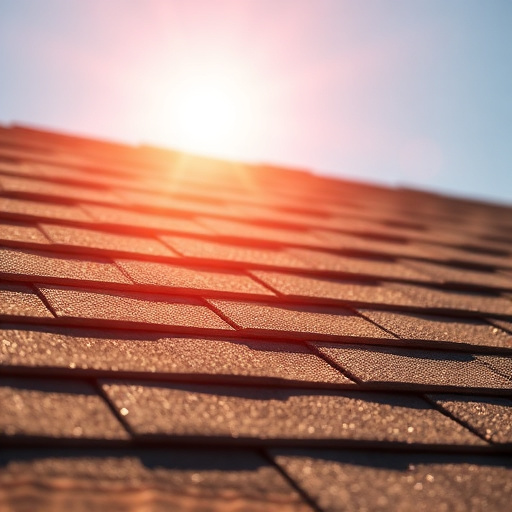
The intense heat and persistent sunlight of the desert climate present unique challenges for any roofing material, including asphalt shingles. When selecting shingles for your Oro Valley home, understanding how these environmental factors impact the material's performance is crucial. Shingles designed to withstand the harsh desert conditions offer enhanced durability and longevity, ensuring your roof protects your home for years to come.
In this environment, architectural shingles, known for their superior strength and aesthetic appeal, often prove to be a superior choice. These shingles are specifically engineered to resist the extreme heat and sunlight that are characteristic of the region. They are designed with a thicker base and a higher asphalt content, making them more resistant to curling, cupping, and granule loss-common issues in lower-quality shingles exposed to intense sunlight.
DC Roofing of Arizona, a licensed Oro Valley area roofing contractor, frequently encounters the effects of heat and sunlight on shingles during their work. They note that wind-rated shingles are particularly important in this region. Monsoon winds can be powerful, and these shingles are designed to withstand high wind speeds, reducing the risk of blow-offs. A ridge vent, strategically installed at the peak of the roof, is another effective way to mitigate the impact of heat. It allows for better airflow, which can help reduce the roof's overall temperature, thus easing the strain on the shingles. By understanding these factors and choosing the right materials, homeowners can ensure their roofs remain in excellent condition, even under the harsh desert sun.
Wind Resistance: Key Features of Rated Shingles
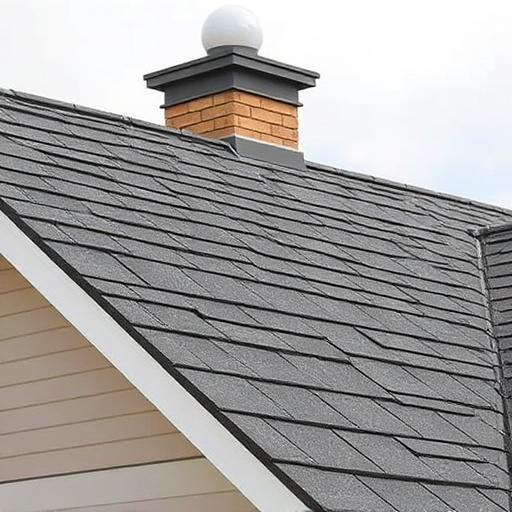
The harsh desert environment in Oro Valley presents unique challenges for any roofing material. Among these, intense monsoon winds are a significant factor that influences the performance and longevity of shingles. When considering a roofing solution that can withstand these conditions, understanding the key features of wind-rated shingles is crucial.
Architectural shingles, a popular choice for their aesthetic appeal and durability, often face the brunt of these winds. The ability to resist wind damage is not just about aesthetics; it directly impacts the structural integrity of the roof. Wind-rated shingles are designed with specific features to combat the force of strong winds, ensuring they remain securely fastened even during severe weather. These features include specialized adhesive systems and more robust attachment mechanisms that meet or exceed industry standards, such as those set by the Oro Valley Building Department.
A local roofing company serving Oro Valley will often recommend shingles with a wind rating to protect homes from potential storm damage. Many modern wind-rated shingles have a higher wind resistance due to their thicker, more robust granule surface. This surface not only provides better traction against wind but also acts as a protective layer against the elements. Proper installation techniques, such as using ridge vents, further enhance a wind-rated shingle's performance. Ridge vents, strategically placed along the peak of the roof, promote better air circulation, reducing the wind's lifting force on the shingles.
When considering the cost of wind-rated shingles, it's important to remember that investing in quality roofing materials can save money in the long run. While these shingles might carry a slightly higher upfront cost, they often have longer lifespans and are backed by warranties that account for wind damage. This, combined with potential tax incentives for energy-efficient roofing (as per the IRS) and the peace of mind they offer, makes wind-rated shingles a smart choice for Oro Valley homeowners facing the region's unique climatic challenges.
Monsoon Season: Shingles' Performance Under High Winds
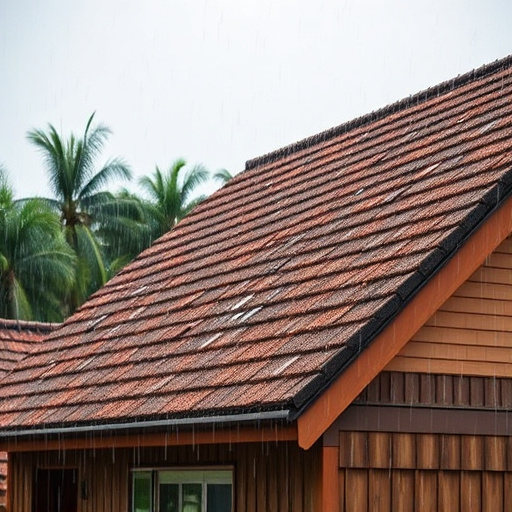
The monsoon season in Oro Valley brings not only refreshing rain but also powerful winds that can put your roof to the test. When considering the impact of these seasonal storms on your asphalt shingle roof, it's crucial to understand how wind-rated shingles perform under such extreme conditions. After all, the Catalina Foothills, with their unique climate and terrain, demand roof systems that can withstand the elements.
Asphalt shingles, a popular choice for homeowners in Oro Valley, are designed with various impact and wind-resistance ratings. Wind-rated shingles, in particular, are engineered to resist high-speed winds, a critical factor in our region's monsoon season. During these intense weather events, powerful gusts can reach speeds exceeding 50 mph, posing a significant challenge to any roofing material. The difference between a regular shingle and a wind-rated shingle lies in their granule composition and underlayment attachment. Wind-rated shingles often have more robust granules, which help prevent wind damage by providing better grip and strength. These shingles are installed with more secure underlayment, ensuring they stay put even under extreme stress.
An experienced Oro Valley roof specialist recommends regular inspection of your roof during and after monsoon seasons. Look for signs of shingle granule loss, which can occur when shingles are blown around by strong winds. While new asphalt shingles can withstand these conditions, older roofs may require repairs or replacement. If you notice curling or cupping shingles, it could indicate that they are losing their integrity due to prolonged exposure to high winds. By staying vigilant and addressing any issues promptly, you can ensure your home's roof remains in top condition, protecting your investment and providing peace of mind during Oro Valley's dynamic monsoon season.
Frequently Asked Questions About an Explainer on How Shingles Hold Up to Desert Sun, Heat, and Monsoon Wind
What makes shingles particularly suited for desert climates? Shingles designed for desert environments are engineered to withstand intense sunlight and heat. They often feature a reflective coating that bounces solar radiation away, reducing heat absorption and the risk of early degradation. These shingles are made from high-quality materials that can endure the harsh UV exposure common in desert regions without losing their integrity or aesthetic appeal.
How do shingles handle the extreme heat in Oro Valley? Oro Valley's hot climate demands roofing materials capable of resisting thermal expansion and contraction. Shingles for such conditions are typically composed of sturdy asphalt or composite materials that maintain their shape and structure even under prolonged exposure to high temperatures. DC Roofing of Arizona, a licensed Oro Valley area roofing contractor, emphasizes the importance of selecting shingles rated for heat resistance to ensure longevity and performance.
Are there specific types of shingles recommended for desert regions? Yes, metal and stone-coated shingles are popular choices in desert areas. Metal shingles offer exceptional durability and can withstand strong winds and extreme temperatures. Stone-coated options provide a more traditional appearance while still offering superior protection against the desert's harsh elements. Local roofing companies serving Oro Valley, like DC Roofing, can advise on the most suitable options based on specific project needs.
How do shingles fare during monsoon season? Monsoon winds in Oro Valley can be powerful, posing a challenge for roofing materials. Shingles need to be securely attached and have adequate wind resistance to withstand these conditions. A roofer with an Arizona ROC license will ensure that shingles are installed correctly, enhancing their ability to resist high winds and heavy rainfall during monsoons.
Do I need to treat shingles differently after they've been exposed to desert conditions? Regular maintenance is crucial for prolonging the lifespan of shingles in desert climates. This includes periodic cleaning to remove dust and debris buildup and inspection for any signs of damage or wear. Repairs or replacements should be addressed promptly to maintain the overall integrity of the roof. A roof specialist in Oro Valley can provide tailored advice on post-installation care.
Are there any local regulations regarding shingle choices in Oro Valley? Building codes and regulations in Oro Valley may dictate the types of roofing materials permitted, especially in historic districts or areas prone to extreme weather. It's essential to consult with a licensed roofing contractor or an experienced Oro Valley roof specialist to ensure compliance with local guidelines. They can guide you through the selection process, ensuring your shingles meet all necessary standards.
In the harsh conditions of Oro Valley's desert sun, intense heat, and monsoon winds, understanding how shingles hold up is crucial for any homeowner. We've explored the key factors that impact shingle durability, highlighting the significance of heat and sunlight in breaking down materials. Wind-rated shingles, designed to withstand high-velocity gusts, have proven to be a reliable solution, with many top manufacturers offering products specifically tailored to this region's unique challenges. The article's insights emphasize the importance of considering both the local climate and specific shingle features when selecting roofing materials. By prioritizing wind-rated options and regular maintenance, homeowners can ensure their roofs remain strong and protective throughout Oro Valley's demanding seasons, ultimately safeguarding their investments and providing peace of mind.
In the harsh climate of Oro Valley, choosing the right roofing material is crucial. Wind-rated shingles, designed for high winds and intense sunlight, offer superior durability. They feature stronger granule layers, robust underlayment, and advanced UV protection. These shingles are essential for protecting homes during monsoon season. Architectural shingles, known for their strength and appeal, also excel in this environment due to thicker bases and high solar reflectance, reducing cooling costs. Regular inspection is vital to ensure the roof's integrity, especially after extreme weather events. Investing in quality wind-rated or architectural shingles is a practical, long-term solution for Oro Valley homes.