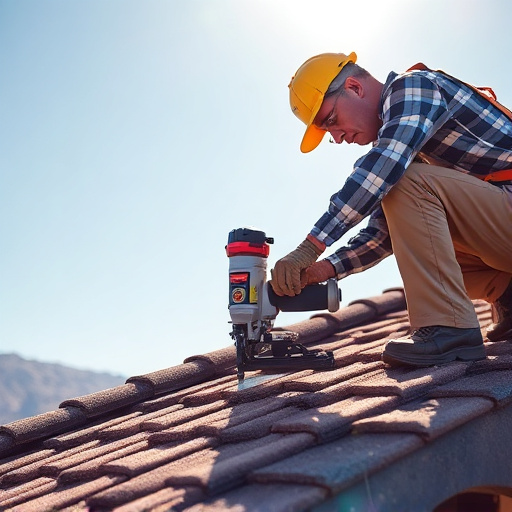
In Oro Valley, Arizona, understanding the unique challenges posed by the desert climate is crucial for any homeowner considering roof replacement. The extreme heat and varying weather patterns can significantly impact the performance and longevity of roofing materials, particularly asphalt shingles. This article examines the key differences between architectural and three-tab shingles, focusing on their performance in the demanding conditions of southern Arizona. By examining factors like shingle lifespan in desert heat, granule loss, wind resistance, and visual appeal, we aim to guide homeowners in making informed decisions to ensure their roofs stand the test of time.
- Understanding Architectural vs. Three Tab Shingles
- Performance in Desert Heat: Lifespan Considerations
- Installation, Cost, and Maintenance Comparisons
- Environmental Impact: Local Regulations & Future-Proofing
Understanding Architectural vs. Three Tab Shingles
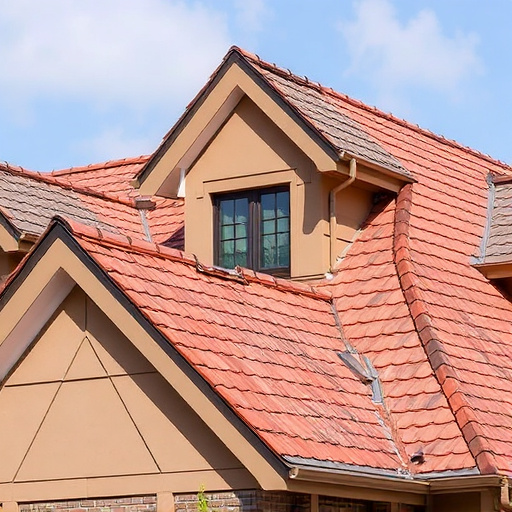
In the harsh, sunny climate of southern Arizona, choosing the right roofing material is crucial for a durable and energy-efficient home. When considering options, homeowners often face a decision between architectural and three tab shingles. Both styles have their merits, but understanding their differences, especially in terms of shingle lifespan in desert heat, is essential for making an informed choice.
Architectural shingles, known for their sophisticated appearance and superior performance, offer a longer lifespan compared to three tab shingles. This is largely due to their construction: they feature a thicker, more complex design with multiple layers, which helps them withstand extreme temperatures and resist granule loss, a common issue in the desert heat. Three tab shingles, while more affordable, have a simpler structure, making them more susceptible to damage from wind, sun, and age. Over time, three tab shingles may show signs of curling and cupping, which can lead to poor drainage and increased granule loss.
When considering which style to install, homeowners should also think about synthetic underlayment options. Synthetic underlayments, often recommended by a licensed Oro Valley area roofing contractor, provide an extra layer of protection against moisture, wind, and extreme temperatures, further extending the lifespan of both architectural and three tab shingles. A synthetic underlayment like a reflective membrane can help reduce the impact of the desert heat, minimizing the risk of premature shingle degradation.
The choice between architectural and three tab shingles depends on individual preferences and budgets, balanced against the specific demands of the local climate. A thorough understanding of shingle lifespan in desert heat and the associated factors can help homeowners make a decision that ensures their roof remains in top condition for years to come.
Performance in Desert Heat: Lifespan Considerations

In the scorching desert climate of southern Arizona, the lifespan and performance of roofing materials are paramount considerations. When comparing architectural and three tab shingles, understanding how each performs under extreme thermal cycling is crucial. Architectural shingles, with their superior strength and durability, are designed to withstand the harsh conditions, offering a longer service life. In contrast, three tab shingles, while more affordable, are more susceptible to damage from the intense heat and fluctuations, typically having a shorter lifespan.
DC Roofing of Arizona, a local roofing contractor specializing in Oro Valley, notes that three tab shingles often start to show signs of wear and tear within 15 to 20 years, while architectural shingles can last 25 years or more. This difference is attributed to the construction of the shingles. Architectural shingles are made with more layers, enhancing their ability to handle extreme temperatures and wind. Three tab shingles, with their fewer layers, are more prone to curling, cupping, and even blow-off during strong winds, which are common in the area. A Class 4 impact rating, indicating resistance to strong winds, is a key differentiator.
The ongoing battle against the sun takes a toll on all shingles. Exposure to UV radiation causes granule loss, a common issue in desert environments. This loss not only diminishes the shingles' effectiveness in protecting the roof but also accelerates their overall deterioration. Architectural shingles, with their superior quality, often retain their granules and appearance longer. To extend the life of any roof, proper ventilation is essential, as it helps regulate temperature and reduce stress on the shingles. Homeowners should also be aware of local building codes, such as those enforced by the Oro Valley Building Department, which may dictate the type of shingles used and their maintenance requirements.
Installation, Cost, and Maintenance Comparisons
When choosing between architectural and three tab shingles for your Oro Valley roof, consider the unique challenges of our desert climate. Shingle lifespan in desert heat is a critical factor, as intense sun and high temperatures can accelerate wear and tear. Both architectural and three tab shingles are available with synthetic underlayment, which offers superior protection against moisture intrusion and can extend the overall lifespan of your roof. However, when faced with strong monsoon winds, a Class H wind rating-achieved by many quality shingles-becomes essential for withstanding up to 125 mph winds, ensuring your roof remains secure during our region's powerful storms.
Installation costs vary between these two styles. Architectural shingles, known for their intricate design and longer, more complex shapes, generally involve more labor-intensive installation methods, leading to a higher upfront cost. In contrast, three tab shingles are simpler, with shorter strips that are easier and quicker to install. Local roofing contractors serving Oro Valley often charge around $50 to $75 per square foot for architectural shingles and $35 to $60 per square foot for three tab, plus additional costs for materials like synthetic underlayment.
Maintenance is another key consideration. Architectural shingles, with their complex designs, can be more prone to granule loss and curling or cupping over time, which can affect their aesthetic appeal and structural integrity. By contrast, three tab shingles tend to be more durable and maintain their shape better, reducing the need for repairs. Shingle nail pops, algae and stains, and cracked shingles after storms are common issues that homeowners often encounter. Regular inspections, proper ventilation, and a quality Class H wind-rated system can extend the lifespan of either style, but a local roofing company serving Oro Valley can offer expert advice on the best course of action based on your roof's condition.
Environmental Impact: Local Regulations & Future-Proofing
In the harsh, sun-drenched environment of southern Arizona, the longevity of roofing materials is not just about their quality; it's also about their ability to withstand the unique challenges posed by the local climate. When comparing architectural and three tab shingles, understanding their performance in the desert heat is paramount. Shingles that perform well in such conditions not only protect your home but also contribute to its energy efficiency.
One key factor to consider is the shingle lifespan in desert heat. Architectural shingles, known for their superior durability, often outlast their three tab counterparts. This is due in part to their thicker, more robust construction. They are designed to withstand high temperatures, preventing premature granule loss, curling, or cupping, which are common issues with three tab shingles in this region. ENERGY STAR-rated shingles are a smart choice for southern Arizona homes, as they not only offer excellent heat resistance but also help reduce cooling costs.
Local regulations play a significant role in roofing choices. Oro Valley's Building Department strictly adheres to guidelines that ensure energy-efficient roofing practices. When considering a roof replacement, it's essential to consult these rules, especially regarding starter strips and drip edges, which not only enhance the structural integrity of the roof but also help prevent water damage. DC Roofing of Arizona, a licensed Oro Valley contractor, emphasizes the importance of selecting shingles that meet both aesthetic and functional criteria, especially in a climate that can be harsh on roofing materials.
Looking ahead, future-proofing your roof is as important as its immediate performance. Choosing shingles that are impact resistant and hail rated can extend the life of your roof, protecting it against common desert storms. Considering shingles over old shingles can save time and money, as it may eliminate the need for extensive underlayment repairs. A proper shingle ridge cap installation can significantly improve ventilation, a crucial factor in preventing blistering and other heat-related issues.
Frequently Asked Questions About a Comparison of Architectural and Three Tab Shingles for Southern Arizona
What are the key differences between architectural and three tab shingles?
Architectural shingles and three tab shingles differ primarily in appearance, durability, and installation complexity. Architectural shingles, also known as dimensional shingles, feature a layered design that mimics the look of individual tiles, providing a more visually appealing and distinctive roofline. They are heavier, more flexible, and typically more expensive than three tab shingles, which have a simpler, flat design. Installation requires specialized skills and equipment for architectural shingles due to their intricate shape, whereas three tab shingles are easier and faster to install.
Which type of shingle is better suited for the specific climate of southern Arizona?
Given the intense sun, high temperatures, and occasional moisture in southern Arizona, three tab shingles often prove more suitable. They are lighter in weight, which reduces the load on your roof and cooling costs. Their flat design offers less surface area for water to collect, minimizing the risk of leaks. Architectural shingles, with their layered structure, can be more prone to damage from thermal expansion and contraction, making three tab shingles a more weather-resistant choice in this region.
How long do architectural and three tab shingles typically last?
The lifespan of shingles varies based on factors like installation quality, local climate, and maintenance. On average, architectural shingles can last between 30 to 50 years, while three tab shingles generally have a lifespan of 25 to 35 years. However, proper installation and regular maintenance, such as cleaning and inspecting the roof, can significantly extend the life of both types of shingles.
Do architectural shingles require more maintenance than three tab shingles?
Architectural shingles, due to their complex design, can attract dirt and debris more easily, necessitating regular cleaning to maintain their aesthetic appeal. They may also require more meticulous inspection for signs of damage or wear. Conversely, three tab shingles, with their simpler profile, are generally easier to maintain. Both types benefit from periodic checks for loose or damaged shingles, but architectural shingles may demand slightly more attention to preserve their appearance.
Which option offers better value for money for a homeowner in Oro Valley?
The cost of shingles varies depending on the brand, quality, and type. Generally, three tab shingles tend to be more cost-effective, especially for budget-conscious homeowners. While architectural shingles offer a premium look and longer lifespan, they come at a higher upfront cost. The best value depends on individual preferences, budget, and long-term goals, such as the expected time spent in the home. Consulting with a licensed Oro Valley area roofing contractor like DC Roofing of Arizona can provide tailored advice based on specific needs.
Choosing the right roofing material for southern Arizona's unique climate and environment is crucial. The article has highlighted the distinct characteristics of architectural and three tab shingles, revealing that their performance in the intense desert heat can significantly impact their lifespan. Architectural shingles, with their superior durability and resistance to curling and cupping, offer a longer lifespan in extreme conditions, making them a superior choice for Oro Valley properties.
When considering installation and cost, architectural shingles generally require more skilled labor and have a higher upfront cost compared to three tab options. However, their superior performance translates to reduced maintenance and potential long-term savings. Local building codes and tax incentives for energy-efficient roofing, such as cool roof ratings, play a vital role in shaping the decision-making process.
By understanding the shingle lifespan in desert heat and incorporating the appropriate style, homeowners can ensure their roofs withstand the region's harsh conditions. This article has provided valuable insights into the selection and maintenance of roofing systems, empowering local residents to make informed choices that protect their investments and contribute to the aesthetic appeal of Oro Valley communities.
In southern Arizona's harsh climate, shingle lifespan in desert heat is a primary concern. Architectural shingles, with their thicker design and superior construction, offer longer lifespans compared to three tab shingles, which are more susceptible to damage from heat, wind, and age. Both styles can be enhanced with synthetic underlayment for added protection. Shingle choices impact maintenance, costs, and energy efficiency. Local building codes and regulations should guide selection. Future-proofing with impact-resistant, hail-rated shingles and proper ridge caps can extend roof life.