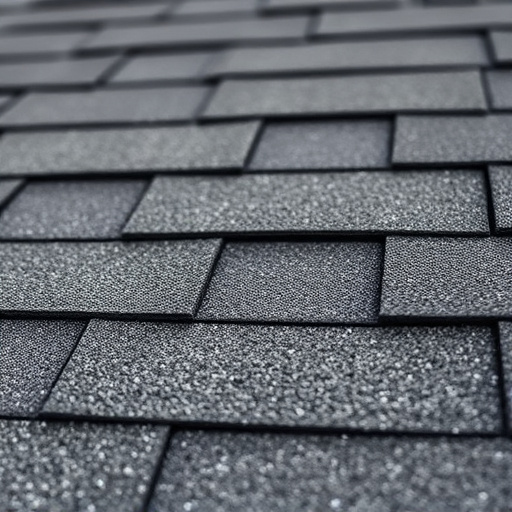
In Oro Valley, as in many desert regions, a home's roof is its protective shield against the harsh sun, heat, and occasional storms. Shingles, a prevalent roofing material, offer both functionality and aesthetic appeal. However, the choice between architectural and three-tab shingles, their lifespan in the local climate, and how to address issues like granule loss, curling, or even the occasional shingle nail pop can be confusing. This article provides expert insight into when asphalt shingles make sense for Oro Valley homes and when they might not, guiding you through local regulations, climate considerations, and cost-benefit analyses to ensure a smart, lasting decision.
- Understanding Shingle Lifespan and Wear in Oro Valley
- When Shingles Fail: Common Causes and Repair Options
- Shingle Nail Pops: When It's Normal, When It's a Problem
- Exploring Alternatives: Roofing Options Beyond Shingles
Understanding Shingle Lifespan and Wear in Oro Valley
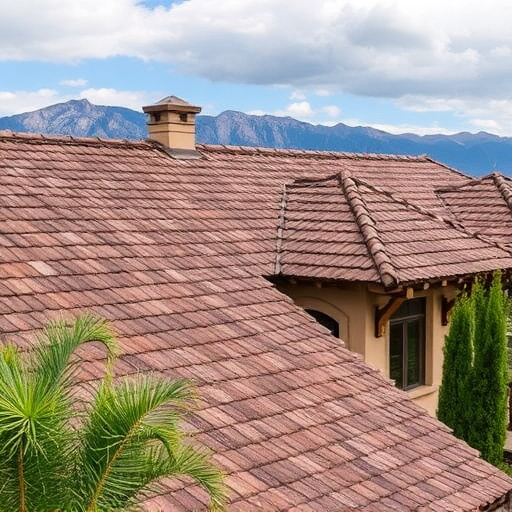
In Oro Valley, understanding the lifespan and wear patterns of asphalt shingles is crucial for any homeowner. Shingles, like any exterior material, are subject to the unique environmental challenges of the desert climate. The extreme heat, intense sunlight, and occasional storms can accelerate the natural aging process, leading to wear and tear that may require repairs or replacement.
However, in the harsh desert environment, this timeline can be influenced by various factors. Granules-the small, individual pieces that cover the shingle surface-can start to loosen and wash away after about 15 years, a process known as granule loss. This deterioration not only affects the aesthetic appeal but also weakens the shingle's protective capabilities, making it more susceptible to curling, cupping, and other issues. A local roofing company serving Oro Valley may recommend replacing shingles if granule loss is significant, as it indicates a more serious structural problem.
Another common problem, especially in areas prone to high winds, is shingle blow-off. Shingles designed for low-slope roofs may be particularly vulnerable, as they lack the mechanical fastening and additional underlayment that steeper roofs can accommodate. When strong winds hit, these shingles can easily lift, leading to what's known as a "shingle blow-off." Homeowners may notice missing or curled shingles after such events. The Oro Valley Building Department often requires a thorough inspection and documentation of wind damage before approving repairs or replacements, particularly when dealing with HOA architectural review processes. To mitigate this, many roofing contractors in the area recommend using wind-rated shingles, which are designed with additional fasteners to resist high-wind conditions.
Regular maintenance, such as checking for loose nails (a common cause of shingle nail pops), can extend the life of your roof. Inspecting your roof for signs of granule loss, curling, or other defects, especially after severe weather, is crucial. By understanding these wear patterns and working with experienced local roofing contractors, Oro Valley residents can ensure their homes have a durable and protective roof that stands the test of time-and the desert climate.
When Shingles Fail: Common Causes and Repair Options
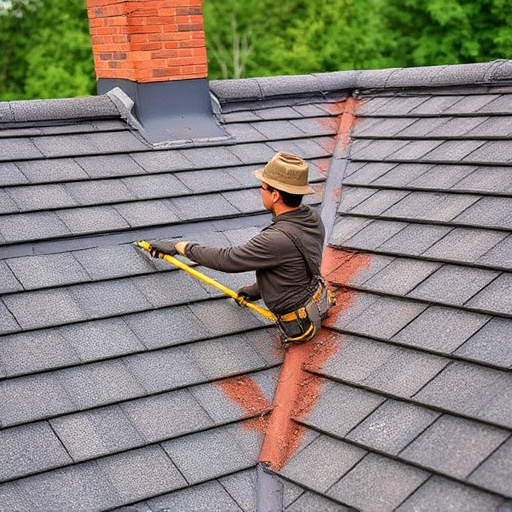
Shingles, despite their durability, can fail, leading to a variety of problems for homeowners in Oro Valley's unique climate. Understanding when to repair and when to replace is crucial. Shingle nail pops, for instance, are a common issue, often caused by improper installation, wood shrinkage, or exposure to extreme temperatures. These pops can be repaired relatively easily by a skilled roofer, like DC Roofing of Arizona, by re-nailing the loose shingles. However, if the failure is more widespread, it may signal a deeper problem.
In Oro Valley, where extreme heat and occasional storms can take a toll, shingles may reach the end of their lifespan faster than expected. When shingles start to show signs of curling, cupping, or granule loss, it's a clear indication that they should be assessed for replacement. Class 4 impact ratings, which protect against severe weather conditions, are particularly important in this region, and many homeowners opt for impact-resistant shingles for added peace of mind.
While a partial shingle replacement might seem like a quick fix, it often creates more problems down the line. Over time, installing new shingles over old ones can lead to poor drainage, increased wind damage risk, and even more premature failure. Similarly, if your shingle underlayment is not in optimal condition, it may need to be replaced alongside the shingles. A comprehensive inspection by a qualified roofer can help determine the best course of action. A local roofing company might recommend replacing the entire roof system-shingles, underlayment, and flashing-if the existing structure is significantly compromised.
Remember, the key to preventing major shingle failures is regular maintenance. Inspecting your roof for signs of wear and tear, addressing nail pops promptly, and staying aware of potential storm damage can save you from costly repairs.
Shingle Nail Pops: When It's Normal, When It's a Problem
In Oro Valley, like much of the Catalina Foothills region, shingles are a staple of residential roofing. One common concern homeowners often have is the occurrence of shingle nail pops. This phenomenon, where nails from the underlayment or shingles themselves protrude above the surface, is not always a cause for alarm. Understanding when shingle nail pops are normal and when they signal a problem is crucial for maintaining your roof's integrity.
In many cases, especially after a new installation or during the first few years of a roof's life, shingle nail pops are expected. This is particularly true for areas like Rancho Vistoso, where extreme temperature fluctuations and desert conditions can affect materials. Shingles may expand and contract, leading to minor shifts in positioning that result in nail pops. These are usually harmless and can be easily addressed by a licensed Arizona roofer. A simple re-nailing or re-securing of the shingles can fix this issue without any significant impact on the roof's performance or lifespan.
However, shingle nail pops that persist beyond the initial settling period or reoccur frequently could indicate a more serious problem. Extreme weather events, such as hailstorms, or inadequate installation practices can cause excessive shingle granule loss and curling or cupping of shingles, leading to persistent nail pops. In such cases, it's essential to inspect the roof for other signs of damage, such as cracks or blisters, and consult with a local roofing contractor. Persistent shingle nail pops might necessitate a complete roof evaluation, especially if the shingles are older and approaching the end of their expected lifespan.
Regular maintenance, including checking for nail pops and other signs of wear, is vital for prolonging the life of your roof. Using appropriate underlayments, like ice and water shield, and following local building codes and design guidelines, such as those from the Southern Arizona Homeowners Association (SAHOA), can help mitigate issues like persistent shingle nail pops. In areas where wind-rated shingles are recommended, ensuring proper installation can reduce the risk of shingle blow-off and related nail pop issues.
Exploring Alternatives: Roofing Options Beyond Shingles
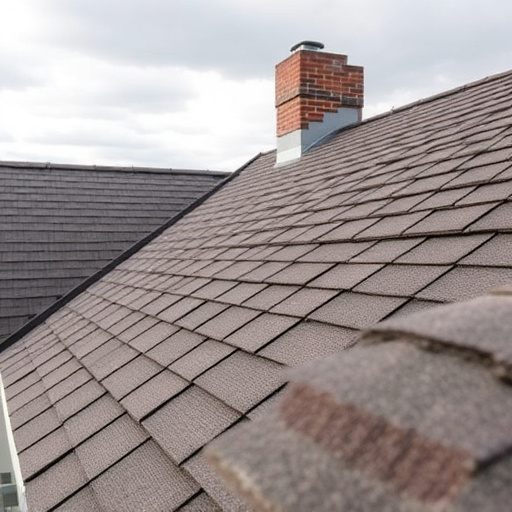
In Oro Valley, exploring roofing alternatives to traditional asphalt shingles can be a strategic decision, especially considering the region's unique climate and local building codes. While shingles remain a popular choice for their versatility and affordability, various factors can prompt homeowners to consider other options, such as metal or tile roofs. This section examines these alternatives, focusing on when they make sense and how they differ from the standard shingle installation.
One prominent alternative to consider is metal roofing. Metal roofs offer exceptional durability and a long lifespan, often surpassing 50 years with proper maintenance. They are particularly well-suited for areas prone to extreme weather, like Oro Valley, as they can withstand high winds and intense sunlight. A local roofing company serving Oro Valley may recommend metal roofing for clients seeking a low-maintenance option that can enhance a home's energy efficiency. Metal roofs are also known for their resistance to granules loss, a common issue with shingles in the desert heat, and they don't suffer from curling or cupping, which can occur with aged shingles. However, metal roofing can be more expensive upfront and requires specialized installation, which might add to the overall cost.
Tile roofs are another viable option, particularly for homes in the foothills of Oro Valley. Tile roofing offers a unique aesthetic appeal and excellent durability, often with a Class H wind rating, meeting the stringent requirements of the region. Unlike shingles, tiles are less susceptible to damage from strong winds, making them a smart choice for areas prone to storms. However, tile roofs can be more challenging to install, requiring skilled labor and specific underlayment choices, which can drive up costs. A roofing contractor might suggest tile as a long-term solution for a home with a low slope, where the added complexity of installation is justified by the superior performance and curb appeal.
When considering these alternatives, it's crucial to evaluate your budget, the local climate, and your personal preferences. If you're addressing a minor issue like a few missing shingles, repairs might be more practical than a full roof replacement. The Oro Valley Building Department's regulations and the local climate patterns, as outlined by the NOAA, play a significant role in guiding your decision. Always consult with experienced roofing contractors who can provide expert advice tailored to your specific situation, ensuring a durable and aesthetically pleasing roof, whether it's shingles, metal, or tile.
Frequently Asked Questions About an explainer on when shingles make sense in Oro Valley and when they do not
What are shingles, and why are they considered a roofing option in Oro Valley?
Shingles, typically made from asphalt, are a common roofing material known for their durability and affordability. In Oro Valley, they are a popular choice due to the region's climate and the local building codes. The area's frequent sun exposure and occasional storms necessitate a robust roofing solution. Shingles provide excellent resistance to weathering and offer a practical, cost-effective way to protect homes. They are also easy to install and repair, making them a suitable option for many homeowners.
When is it appropriate to use shingles in Oro Valley?
Shingles are ideal for homeowners in Oro Valley seeking a budget-friendly, low-maintenance roofing solution. They are suitable for both residential and light commercial buildings. Consider using shingles when:
- You're on a tight budget.
- You prioritize quick installation and repair.
- Your home is exposed to intense sunlight and occasional severe weather.
What are the downsides of using shingles in Oro Valley?
While shingles are durable, they have several limitations. They may not be as fire-resistant as other materials, and their lifespan is generally shorter than that of metal or tile roofs. Shingles are also susceptible to damage from foot traffic and heavy debris. They may not offer the same level of energy efficiency as other roofing options.
Are there alternatives to shingles in Oro Valley?
Absolutely. Oro Valley residents have several roofing alternatives, including:
- Metal roofing: Durable, fire-resistant, and energy-efficient, but often more expensive than shingles.
- Tile roofing: Long-lasting, aesthetically pleasing, and also fire-resistant, but prone to breakage and heavier installation costs.
- Flat roof systems: Suitable for certain architectural styles, flat roofs often require specialized materials and maintenance.
Each option has its own advantages and disadvantages, and the best choice depends on individual needs and budget.
How long do shingles typically last in Oro Valley?
Under optimal conditions, shingles can last 20-30 years. However, factors like exposure to sun, wind, and moisture can reduce their lifespan. Regular inspection and maintenance can help extend the life of your shingle roof.
What factors should I consider when deciding whether to use shingles?
Several factors influence your decision:
- Climate: Oro Valley's hot, sunny climate requires a durable material that can withstand UV exposure.
- Budget: Shingles are generally more affordable than premium materials like metal or tile.
- Style: Shingles are versatile and suitable for a variety of home styles, but other materials might offer more aesthetic options.
- Maintenance: Shingles require periodic replacement and repair, while other materials may be lower-maintenance.
In Oro Valley, understanding the lifespan and common issues of asphalt shingles is crucial for informed decision-making. Shingles can last 20-30 years under ideal desert conditions, but factors like granule loss, curling, and wind exposure can accelerate wear. Knowing when to repair, such as addressing shingle nail pops, versus replacing the entire roof is essential. While architectural shingles offer enhanced durability, three-tab shingles remain popular for their cost-effectiveness. Regular inspections can help catch issues early, like cracked shingles after storms, preventing costly repairs. Shingle brands vary in quality, and cool roof shingles can improve energy efficiency. For those considering alternatives, roofing options like tiles are suitable for the foothills' unique conditions. By recognizing the signs of shingle failure, understanding local regulations, and exploring durable options, Oro Valley residents can ensure their roofs withstand the region's challenges, maintaining their homes' value and protecting them from the elements.
In Oro Valley, understanding shingle lifespans and wear patterns is crucial for maintaining a protective roof. Extreme heat and storms can accelerate shingle aging, leading to granule loss, curling, and blow-off. Regular maintenance, like checking for loose nails, is key to preventing major failures. Shingle nail pops are common but should be addressed; persistent issues may signal deeper problems. Alternative roofing options like metal and tile can be cost-effective and durable, but they require careful consideration based on climate, local codes, and personal preferences. Consult experienced local roofing contractors for expert advice tailored to your specific situation.