In Oro Valley, Arizona, where intense desert sun, scorching heat, and powerful monsoon winds are the norm, understanding how your roof-specifically, your asphalt shingles-will hold up over time is crucial. Asphalt shingles, a popular choice for their affordability and versatility, offer excellent protection against the elements when installed and maintained properly. However, the harsh conditions unique to the Oro Valley climate can shorten their lifespan, leading to costly repairs or replacements. This article examines the challenges posed by the desert heat, offers insights into shingle lifespan in desert heat, and explores practical solutions to ensure your roof stands the test of time-and the extreme weather-in this demanding environment.
- Understanding Shingle Degradation in Arid Environments
- The Impact of High Temperatures on Shingle Lifespan
- Monsoon Season: Shingles Against Strong Winds
- Optimizing Shingle Durability for Desert Conditions
Understanding Shingle Degradation in Arid Environments
The unique climate in Oro Valley presents specific challenges for shingles. This desert environment, characterized by intense sun, high heat, and unpredictable monsoon winds, can significantly impact the lifespan and performance of roofing materials. Shingles, a popular choice for residential roofs in the area, must withstand these harsh conditions to maintain their integrity and protect homes. Understanding how shingles degrade in such an arid environment is crucial for both homeowners and roofing professionals.
One of the primary factors affecting shingle lifespan in desert heat is thermal cycling. The sun's intense rays during the day heat the shingles, causing them to expand. As temperatures drop at night, the shingles contract. This constant expansion and contraction can lead to cracks, curls, and other signs of wear and tear. Shingles in Oro Valley may also face additional strain from powerful monsoon winds that can lift and blow off shingles, particularly on low-sloped roofs. To combat these issues, homeowners should consider investing in ice and water shield underlayments, which provide an extra layer of protection against moisture intrusion and wind damage.
A licensed Arizona roofer often recommends architectural shingles for Oro Valley homes due to their superior durability compared to three-tab shingles. Architectural shingles are designed to withstand extreme temperatures and can better handle the thermal cycling. Leading shingle manufacturers like GAF and Atlas offer shingles rated for desert environments, ensuring they can hold up to the harsh conditions in Rancho Vistoso and surrounding areas. When considering a shingle replacement, homeowners should consult with local roofing contractors who can assess the current condition of their roofs and recommend appropriate options based on the area's unique climate.
Regular inspections are key to identifying potential shingle issues early on. Homeowners should look out for signs such as curled or missing granules, blisters, and cracks. Addressing these problems promptly can extend the shingle lifespan and prevent more severe damage. Maintaining proper ventilation and ensuring adequate nail penetration during installation are crucial steps in maximizing the lifespan of shingles in Oro Valley's desert heat.
The Impact of High Temperatures on Shingle Lifespan
The desert sun in Oro Valley presents unique challenges for any roofing material, especially asphalt shingles. When temperatures soar, it's crucial to understand how this extreme heat impacts shingle lifespan. Shingle lifespan in desert heat isn't just about the high temperatures; it's also about the heat's effect on the materials' components.
Asphalt shingles, a common choice for roofs in the region, are composed of a fiberglass mat reinforced with asphalt. The mat acts as a core, providing structural integrity, while the asphalt serves as a protective coating. However, when exposed to intense solar reflectance, the asphalt can degrade more quickly. This degradation can lead to issues like shingle granule loss, where the protective granules on the surface of the shingles wear off, exposing the darker fiberglass mat beneath. As a result, the shingles absorb more heat, potentially contributing to curling and cupping-shingle deformities that can compromise their water-resistance.
Three-tab shingles, a specific style often seen in Oro Valley, are particularly susceptible to heat-related issues. Their design, with three distinct tabs or peaks, offers less coverage and more exposed surface area compared to architectural shingles. This means they can experience faster deterioration under the intense desert sun. To mitigate these effects, homeowners and contractors should consider using shingles rated for high temperatures and solar reflectance. Some manufacturers offer "cool roof" shingles, designed to reflect more sunlight and absorb less heat, which can extend the lifespan of the shingles and reduce cooling costs. A roofer with an Arizona ROC license can provide guidance on the best options for the local climate, ensuring a roof that can withstand the desert heat while maintaining aesthetic appeal.
Regular maintenance, such as inspecting shingles for signs of damage or wear, is also crucial. Addressing issues early can prevent minor problems from escalating into costly repairs or premature replacement. Checking for loose or missing granules, cracks in the shingle surface, or signs of curling can help homeowners stay proactive in protecting their investment. By understanding the impact of high temperatures on shingles and taking proactive steps, Oro Valley residents can ensure their roofs remain reliable and durable, even under the harsh desert conditions.
Monsoon Season: Shingles Against Strong Winds
The monsoon season in Oro Valley brings not only a burst of color to the desert landscape but also intense wind and heat that can test the durability of any roofing material. Asphalt shingles, a common choice for homeowners in the region, are designed to withstand these harsh conditions, but their lifespan in desert heat is a key consideration. When addressing wind, in particular, shingles must be able to resist strong gusts and minimize damage, which is where the concept of impact resistance and thermal cycling come into play.
Shingles that earn a Class 4 impact rating are engineered to endure the most extreme weather, including powerful winds and hail. A licensed Arizona roofer will advise that these impact-resistant shingles are designed with enhanced granule layers and a stronger matrix, making them less prone to curling, cupping, or blowing off during severe weather events. The UV exposure in the desert environment also accelerates the aging process of roofing materials, so shingles must be capable of withstanding prolonged sun exposure without losing their integrity.
Proper ventilation and underlayment choices are essential to managing thermal cycling, a process where shingles expand and contract due to extreme temperature changes. This can lead to stress on the roofing system, potentially causing cracks or other damage. Local roofing contractors recommend installing a ventilation system that allows hot air to escape and cool air to enter, reducing the impact of heat on the shingles. Choosing the right underlayment can provide an extra layer of protection against wind damage and help extend the overall lifespan of the shingle roof. A roofing contractor serving Oro Valley and Marana might recommend an underlayment with a high-wind rating, especially for homes in areas prone to powerful monsoon winds.
Optimizing Shingle Durability for Desert Conditions
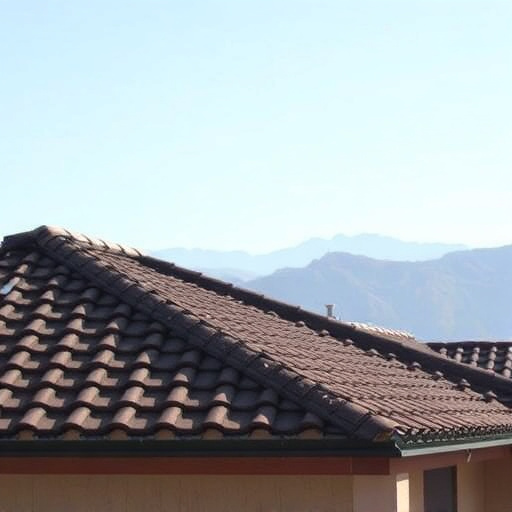
In the rugged beauty of the Catalina Foothills, Oro Valley faces a unique challenge for roofing: extreme desert heat, intense sunlight, and powerful monsoon winds. These conditions demand a robust solution, and asphalt shingles are put to the test. When properly installed and maintained, modern asphalt shingles are designed to withstand these harsh environments, offering a durable and long-lasting protective layer for your home.
For areas like Oro Valley, where temperatures regularly soar, choosing the right shingle is crucial. The lifespan of a shingle in desert heat is a key consideration. High temperatures accelerate the aging process, so look for shingles rated for heat resistance. Many manufacturers offer "desert-rated" options, like those from GAF and Atlas, designed to withstand the extreme conditions. A roofing contractor serving Oro Valley and Marana can guide you on the best choices, suggesting products that offer superior performance and longer lifespans in such settings. Proper installation is paramount. Ensuring a tight seal with synthetic underlayment, like FIBERGUARD, provides an extra layer of protection against heat and wind damage.
Wind is another formidable force in the Oro Valley climate. Strong winds can lift and blow off shingles, especially on low slopes or during a storm. To mitigate this risk, consider shingles with enhanced wind resistance, often indicated by their Class ratings (Class A, B, or F). These shingles are designed to remain securely attached even during intense winds. Installing a drip edge-a small overhang at the edge of the roof-helps channel wind-driven rain away from the shingles, reducing the risk of granule loss and curling. A local roofing company might recommend specific models with these features, ensuring your home stands strong against the desert elements.
Regular maintenance is also vital for optimizing shingle durability. Checking your roof for signs of damage, such as cracked or curling shingles, after severe weather is essential. Addressing issues promptly can prevent minor problems from turning into major repairs. If you notice any shingle nail pops or algae and stains, addressing these issues promptly will ensure your roof remains in top condition. The longevity of your shingle roof depends on these combined factors-from choosing the right products to regular inspections-all tailored to the unique climate of Oro Valley.
Frequently Asked Questions About an explainer on how shingles hold up to desert sun, heat and monsoon wind
What are the unique challenges of shingles in a desert environment?
Shingles in desert regions face intense solar radiation, extreme temperature fluctuations, and frequent, powerful monsoon winds. These factors accelerate the natural aging process of shingles. UV rays from the sun can cause the shingles' material to break down and become brittle, leading to cracks and premature failure. The rapid heating and cooling cycles due to intense desert sunlight can weaken the shingles' bond to the roof, making them more susceptible to wind damage during monsoon season.
How do shingles withstand the high temperatures in Oro Valley?
Shingles designed for desert climates are engineered to withstand high temperatures. They are often made from heat-resistant materials, such as asphalt or fiberglass, and have reflective properties that reduce heat absorption. Proper installation, including adequate ventilation under the shingles, further enhances their performance in hot environments. Regular maintenance, like cleaning gutters and checking for loose or damaged shingles, also plays a crucial role in keeping roofs in optimal condition during the intense summer heat.
Are there specific types of shingles better suited for desert environments?
Absolutely. Flat or low-sloped roofs with a 4:12 pitch or less are more suitable for desert climates. Asphalt shingles with a thicker, more substantial underlayment are recommended. Reflective or cool-colored shingles can also help lower roof temperatures, reducing the overall heat transfer to the building below. Some manufacturers offer special desert-rated shingles that meet specific performance standards for heat, UV radiation, and wind resistance.
What steps can homeowners take to protect their shingles from monsoon winds?
During monsoon season, it's essential to ensure proper ventilation in the attic and check the roof for any signs of damage. Strong winds can lift and tear off shingles, exposing the roof to the elements. Regular inspection and prompt repair of any loose or missing shingles can prevent water intrusion and structural damage. Homeowners should also consider reinforcing their roofs with additional clips and fasteners to better withstand strong winds.
How often should shingles in Oro Valley be replaced?
Shingles typically last between 20 to 30 years, but their lifespan can be influenced by local environmental factors. In desert regions, expect shingles to need replacement after 20-25 years, given the harsh conditions. Regular inspection and maintenance can extend their life, but eventually, they will need to be replaced to ensure the integrity of the roof and the structure it protects.
Understanding the unique challenges posed by Oro Valley's arid climate, we can now make informed decisions to protect our roofs. The article has revealed crucial insights into how shingles perform in desert heat, highlighting the accelerated degradation that can occur due to high temperatures. Monsoon season brings another set of concerns, with strong winds posing a significant threat to even the sturdiest shingles. However, by understanding these issues, homeowners and contractors can take proactive measures.
Optimizing shingle lifespan in desert heat involves selecting appropriate materials, such as desert-rated shingles designed to withstand harsh conditions. Proper installation techniques, including using the right underlayment and securing shingles against strong winds, are essential. Regular maintenance, like checking for granule loss, curling, or cupping, can also extend the life of a roof.
By considering these factors, residents of Oro Valley can ensure their shingle roofs remain durable and protective. This practical knowledge empowers us to make smart choices, enhancing the resilience of our homes against the unique challenges of the local climate.
Shingles in Oro Valley: Withstanding Desert Heat, Wind, and Time
The harsh desert climate in Oro Valley presents significant challenges to shingles. High heat accelerates their aging, making thermal cycling (expansion and contraction) a key issue. Monsoon winds add strain, especially on low-sloped roofs. To combat these, invest in ice and water shield underlayments, consider architectural shingles over three-tab, and consult local roofing professionals for desert-rated products. Regular inspections and maintenance extend shingle lifespan, protecting your home from heat, wind, and time.