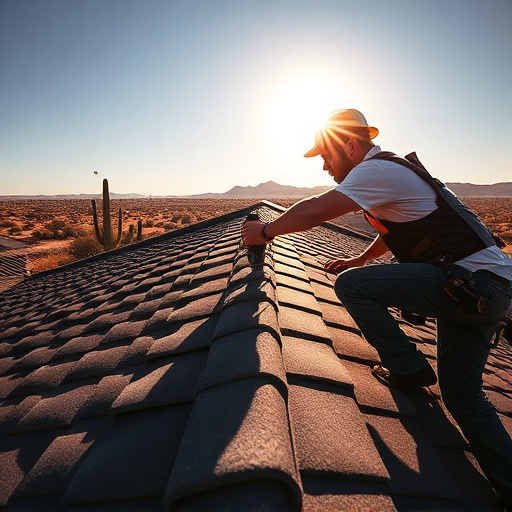
In the arid climate of Oro Valley, Arizona, understanding how asphalt shingles perform under intense desert sun, scorching heat, and powerful monsoon winds is crucial for any homeowner or roofing contractor. Asphalt shingles, a popular roofing choice for their affordability and ease of installation, can be susceptible to damage from these extreme conditions, leading to premature replacement and potential safety hazards. This article examines the factors that affect shingle longevity in such an environment, providing insights into the best practices for maintaining a robust and safe roof. By the end, you'll understand how to ensure your Oro Valley roof withstands the test of time and extreme weather.
- Understanding Asphalt Shingles' Resistance to Desert Elements
- The Impact of Heat and Monsoon Winds on Shingle Integrity
- Oro Valley's Unique Challenges for Shingle Installation and Maintenance
- Long-Term Performance: Shingles in Arid Environments Like Oro Valley
Understanding Asphalt Shingles' Resistance to Desert Elements
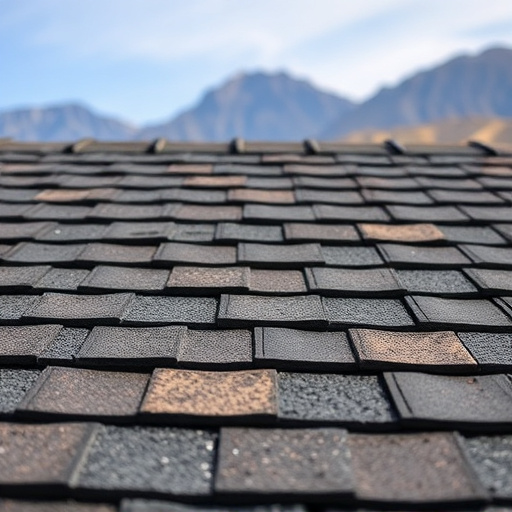
Asphalt shingles, a popular roofing choice for homes in Oro Valley, are designed to withstand the unique challenges posed by the region's desert climate. When selecting or maintaining a roof in this environment, understanding the shingles' resistance to intense sun, high heat, and monsoon winds is crucial. The harsh conditions in Oro Valley demand roofing materials that can endure extreme temperatures, frequent wind patterns, and potential moisture fluctuations.
In this regard, modern asphalt shingles have evolved to offer superior protection against these desert elements. Key features contribute to their durability: a strong, flexible core, a protective surface layer, and an advanced underlayment system. ENERGY STAR-rated shingles are designed to reflect solar heat, reducing roof temperatures and lowering cooling costs. This reflective property also helps to prevent premature shingle degradation caused by excessive heat. A well-installed ridge vent system, a critical component of any Oro Valley roof, allows for adequate air flow, minimizing the buildup of hot air beneath the shingles and reducing the risk of curling, cupping, or blistering.
A licensed Arizona roofer recommends regular maintenance to ensure shingles remain in top condition. This includes checking for loose or missing shingles, examining the drip edge (a critical detail that prevents water intrusion), and inspecting the underlayment. By addressing any issues promptly, homeowners can prolong the lifespan of their asphalt roofs, which, with proper care, can last 20 to 30 years or more in the demanding Oro Valley climate. Regular assessments, coupled with the use of impact-resistant and hail-rated shingles, can provide even greater protection against extreme weather events.
The Impact of Heat and Monsoon Winds on Shingle Integrity
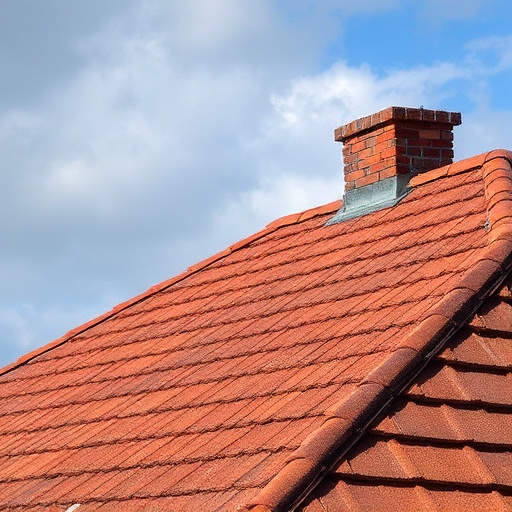
The harsh conditions in Oro Valley present unique challenges for any roofing material, especially asphalt shingles. In this desert environment, intense sunlight, high heat, and powerful monsoon winds can significantly impact the integrity and longevity of a roof. When considering the performance of asphalt shingles in Oro Valley, a closer look at how these elements contribute to wear and tear is essential.
Three-tab shingles, a common type in the region, are particularly susceptible to the effects of heat and wind. The intense desert sunlight can cause the asphalt in the shingles to soften and become more brittle over time, leading to granule loss. These small, hard particles that cover the surface of the shingles act as a protective layer against the sun's rays. Once these granules start to dislodge, the underlying asphalt is exposed, making the shingles more vulnerable to damage from strong winds, which can literally blow them off the roof.
Proper installation, including the use of a suitable drip edge and adequate underlayment, is crucial for mitigating these effects. An experienced Oro Valley roof specialist recommends regular inspections to identify early signs of damage, such as curling or cupping shingles, which can indicate underlying issues. Shingles that have seen several seasons may require replacement, especially if they show significant granule loss. Understanding the impact of heat and wind allows homeowners and roofing contractors alike to make informed decisions about maintenance and replacement, ensuring that asphalt shingles in Oro Valley remain effective barriers against the elements.
Oro Valley's Unique Challenges for Shingle Installation and Maintenance
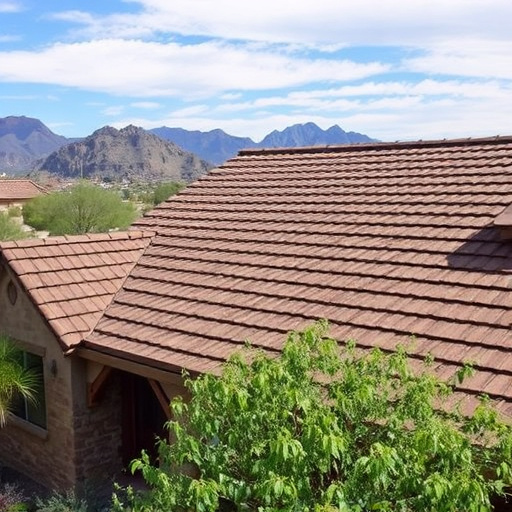
Oro Valley, situated in the heart of the desert, presents unique challenges for asphalt shingle installation and maintenance. The intense sun, scorching heat, and powerful monsoon winds can take a toll on roofing materials. Homeowners here need to understand these environmental factors to make informed decisions about their shingle choices and maintenance routines.
The area's climate demands specific considerations. The intense sunlight can cause dark-colored shingles to absorb heat, potentially leading to increased roof temperatures and faster degradation. This is a key factor when selecting shingle colors, as lighter shades reflect sunlight better. The monsoon winds, often powerful and unpredictable, can create lift on the roof, posing a risk of shingle blow-off. Wind-rated shingles, designed to withstand high wind speeds, are recommended for areas like Oro Valley and neighboring Marana.
HOA architectural reviews also come into play. In Oro Valley, many communities have strict guidelines regarding roof aesthetics and functionality. Homeowners considering shingle replacements should consult these rules to ensure compliance. Certain HOAs may mandate specific shingle styles, colors, or even require impact-resistant shingles for safety against hail and other debris during severe weather.
For maintenance, regular checks for signs of wear and tear are crucial. Shingles can suffer from curling, cupping, or granule loss due to the heat and wind. DC Roofing of Arizona, a licensed Oro Valley area roofing contractor, recommends inspecting the underlayment and checking for nail pops, which can create areas of weak adhesion. Addressing these issues promptly can extend the lifespan of the shingle roof. Replacing a few missing or damaged shingles before a storm can prevent more extensive damage during harsh weather conditions.
Long-Term Performance: Shingles in Arid Environments Like Oro Valley
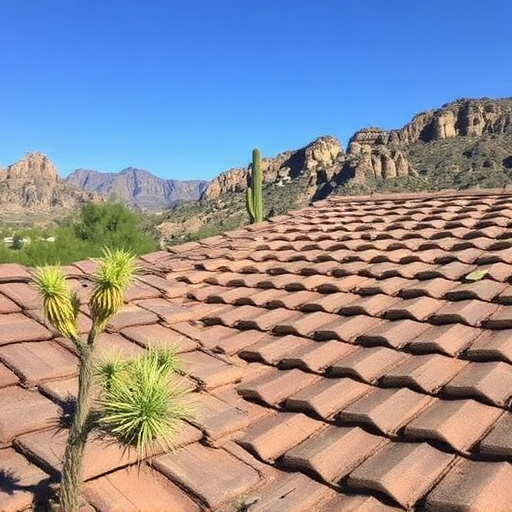
In arid climates like Oro Valley, Arizona, understanding how asphalt shingles perform over time is crucial. The region's intense sun, scorching heat, and monsoon winds present unique challenges for roofing materials. Shingles designed for such environments must withstand these harsh conditions to maintain structural integrity and aesthetic appeal.
Asphalt shingles in Oro Valley, for instance, face prolonged exposure to UV radiation, high temperatures, and powerful winds, often exceeding 50 mph during monsoon season. These factors accelerate the natural aging process, leading to potential issues like granule loss, curling, and cupping. Shingles with a Class 4 impact rating, like those from GAF or Atlas, are recommended for this region, offering superior wind resistance and a longer lifespan.
A licensed Arizona roofer often advises clients in Marana and Oro Valley to consider the local climate when choosing shingles. They may suggest opting for lighter-colored shingles to reflect sunlight, reducing the roof's temperature. Proper underlayment installation and adequate ventilation are essential to combat blistering in the summer and to mitigate damage from occasional hail. Homeowners should also be aware of local Homeowners Association (HOA) architectural review guidelines, which often have specific requirements for shingle color and style.
Over time, regular inspection becomes vital. Check for loose or curled shingles, which could indicate a problem with wind resistance or underlayment. Cracking, especially after storms, might signal weakened shingles. Addressing these issues promptly can prevent more significant damage. Remember, the long-term performance of asphalt shingles in Oro Valley depends on their ability to withstand the region's unique combination of sun, heat, and wind-a challenge met by the right choice and proper maintenance.
Frequently Asked Questions About an Explainer on How Shingles Hold Up to Desert Sun, Heat, and Monsoon Wind
What are the unique challenges of maintaining roofing in a desert climate?
The desert climate presents several challenges for roofing materials, primarily due to intense sunlight, high temperatures, and sudden, heavy monsoon winds. Shingles, in particular, must withstand prolonged exposure to UV radiation, which can break down the material's structure. The heat can cause shingles to expand and contract, leading to potential warping or cracking. Monsoon winds, though less intense than other regions, can still cause damage, particularly to improperly installed or lower-quality shingles.
How do shingles protect homes from the desert sun?
Shingles, when chosen and installed correctly, offer a crucial defense against the desert sun's harsh effects. Reflective shingles can minimize heat absorption, preventing the transfer of that heat to the home's interior. Also, a well-applied shingle layer provides a physical barrier against UV rays, which can fade and weaken other materials. This barrier helps maintain the structural integrity of the roof and extends the overall lifespan of the roofing material.
Which types of shingles are best suited for desert climates?
In desert regions, dark-colored shingles tend to absorb more heat, so lighter-colored or reflective shingles are often recommended. Asphalt shingles with a high reflectivity and a thick, reinforced underlayment are suitable choices. Some manufacturers even offer shingles designed specifically for hot, sunny climates, featuring UV-resistant and wind-resistant properties. Always consult with a licensed Tucson garage door service or roofing specialist for expert advice tailored to your specific location.
How often should I replace my shingles, given the conditions?
While the desert climate can accelerate the natural wear and tear of shingles, the exact lifespan varies based on several factors, including the quality of the shingles, installation, and local environmental conditions. Most roofing materials last between 20 to 30 years, but in harsher environments, this range may be on the lower end. Regular inspections by a professional can help determine if a replacement is needed sooner.
Can proper maintenance extend the life of shingles in a desert environment?
Absolutely. Regular maintenance is crucial for extending the life of shingles in any climate, but especially in desert regions. This includes annual inspections to check for loose or damaged shingles, as well as ensuring proper ventilation to reduce heat buildup under the roof. Cleaning the roof of debris to prevent moisture buildup and choosing a suitable, high-quality sealant can also significantly improve the longevity of your shingles.
In the harsh conditions of Oro Valley, understanding how asphalt shingles stand up to the unique desert elements is crucial. The intense heat and monsoon winds pose significant challenges to roofing materials, and our exploration has highlighted key insights for homeowners and contractors alike. We've learned that proper installation, regular maintenance, and choosing the right shingle types are essential for long-term protection. The article has emphasized the importance of desert-rated shingles, such as GAF and Atlas, which are designed to withstand both high temperatures and powerful winds. The value of underlayments, ridge caps, and proper ventilation cannot be overstated. By considering these factors, homeowners can ensure their shingle roofs remain in top condition, even in Oro Valley's demanding climate. Next steps involve consulting local roofing experts, like Eddies Garage Door Service, to assess specific needs and make informed decisions based on these findings.
In Oro Valley, intense sun, heat, and winds pose unique challenges for asphalt shingles. Modern shingles feature a strong core, protective surface, and advanced underlayment for superior durability. Regular maintenance, including checking for loose/missing shingles and underlayment issues, prolongs their lifespan (20-30 years). Dark shingles absorb more heat, so lighter colors are recommended. Wind-rated and impact-resistant shingles enhance protection. HOA guidelines should be followed for aesthetic and safety compliance. Prompt attention to problems like curling, cupping, or granule loss prevents extensive damage.