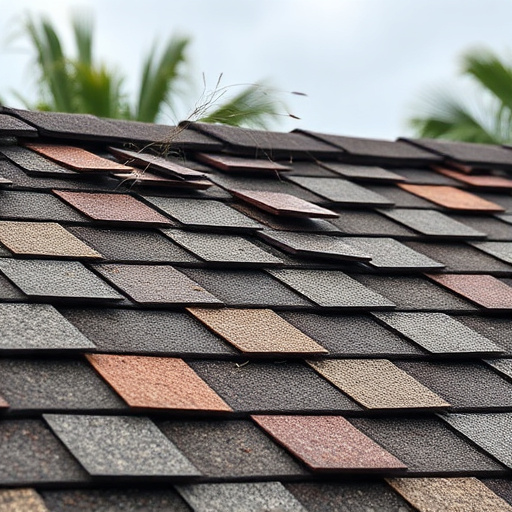
In the scorching sun of Oro Valley, Arizona, your roof is a vital defense against the elements. Asphalt shingles, the most common roofing material, offer protection from rain, snow, and intense desert heat. However, they're not indestructible. Over time, shingles can suffer from a host of issues, from lifted tabs and granule loss to curling and cupping. These problems not only compromise the roof's effectiveness but also its aesthetics. Understanding the scope of shingle repairs is crucial, especially in our harsh climate. This guide navigates the process, from identifying minor issues like curled shingles to addressing significant damage, providing homeowners with the knowledge to maintain their roofs effectively. By the end, you'll be equipped to make informed decisions about repairing or replacing your Oro Valley shingle roof.
- Identifying Common Shingle Damage: Lifting and Cupping
- Understanding Curling and Cupping: Natural Shingle Behavior
- Reparation Strategies: Tab Lift Repair and Granule Replacement
- Preventive Measures: Protecting Against Future Shingle Damage
Identifying Common Shingle Damage: Lifting and Cupping
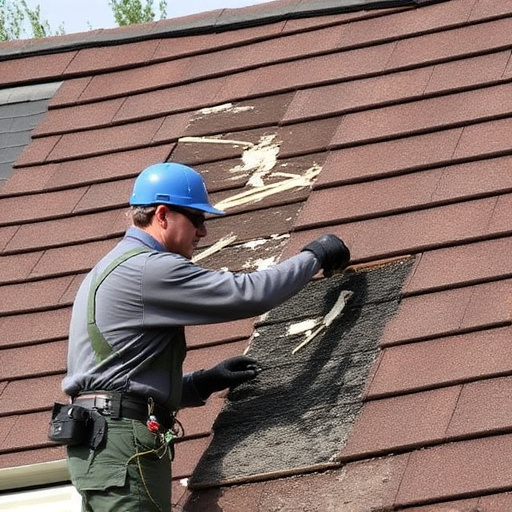
One of the most common issues homeowners in Oro Valley face with their asphalt roofs is curling and cupping shingles. These issues aren't just unsightly; they indicate deeper problems within the roofing system that could lead to more serious damage if left unaddressed. Curling, where shingles lift at the edges, and cupping, where they bow upward, are primarily caused by thermal cycling-the expansion and contraction of materials due to temperature fluctuations. In the desert heat of Oro Valley, this becomes a significant concern, as shingles are exposed to extreme variations in temperature over the course of a day.
A Class H wind rating, required for most roofing installations in Oro Valley, ensures that shingles can withstand high winds, but it doesn't protect against all forms of damage. Strong winds can still cause tabs to lift or shingles to blow off, especially if the underlayment or fasteners are not properly secured. A Class 4 impact rating, indicating resistance to severe weather conditions, offers some protection against hail damage, but even impact-rated shingles can be affected by large hailstones. To combat these issues, homeowners should regularly inspect their roofs for signs of curling or cupping. Early detection allows for quick repairs, preventing more extensive damage.
When addressing curling or cupping shingles, a licensed Arizona roofer may recommend replacing the affected shingles or, in severe cases, the entire section of roof. However, sometimes, a simple repair is all that's needed. A skilled contractor can re-secure lifted tabs using proper techniques and materials, ensuring the shingles lay flat again. They might also apply a sealant to the affected areas to prevent further damage. Using a high-quality sealant designed for hot, desert climates can help mitigate the effects of thermal cycling. Regular maintenance, including cleaning gutters and checking for loose shingles, can also significantly prolong the lifespan of your roof.
Understanding Curling and Cupping: Natural Shingle Behavior
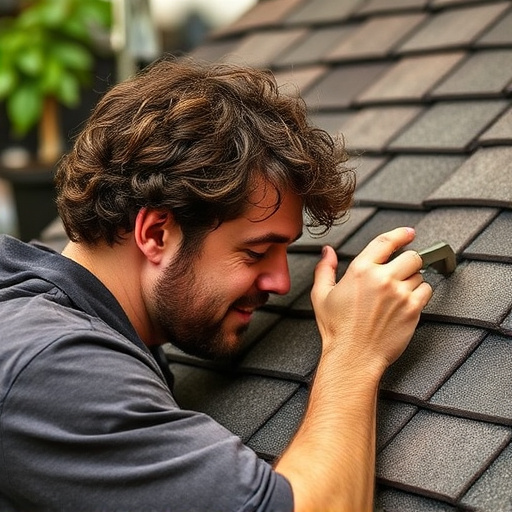
Curling and cupping shingles are common issues in Oro Valley, particularly during the intense summer months and the powerful monsoon winds. These phenomena are not merely aesthetic problems; they indicate a deeper interaction between your shingles and their environment. Understanding the causes and effects of curling and cupping is crucial for any homeowner or property manager. This knowledge allows for proactive measures and informed decisions when addressing roof repairs, especially when considering the local climate and the region's architectural styles.
In the hot, dry climate of Oro Valley, architectural shingles-known for their enhanced durability and aesthetic appeal-can experience curling and cupping due to several factors. The most significant contributors are UV exposure and wind. The intense sun radiation breaks down the shingles' material over time, leading to a loss of elasticity. Meanwhile, the powerful winds that sweep through the region can lift the tabs of shingles, causing them to curl or cup. These effects are particularly pronounced on older roofs or those with lower-quality shingles.
A roofer with an Arizona ROC license will often encounter these issues when inspecting a roof. A customer might notice that certain areas of their roof appear buckled or that shingles have started to overlap unevenly. These are clear signs of curling and cupping, respectively. During a thorough inspection, the contractor will assess the extent of the damage, taking into account the age of the roof and the local weather patterns. They will then recommend appropriate repairs, which might include replacing individual shingles or re-nailing sections to secure the shingles properly.
Preventative measures can significantly extend the lifespan of your roof. Homeowners can mitigate the effects of curling and cupping by choosing impact-resistant, UV-protected shingles and ensuring proper ventilation along the roof's ridge line. Staying vigilant during severe weather events can help catch potential issues early on. Regular maintenance and timely repairs are key to preserving the integrity of your Oro Valley roof, ensuring it remains a protective shield for your home or property.
Reparation Strategies: Tab Lift Repair and Granule Replacement
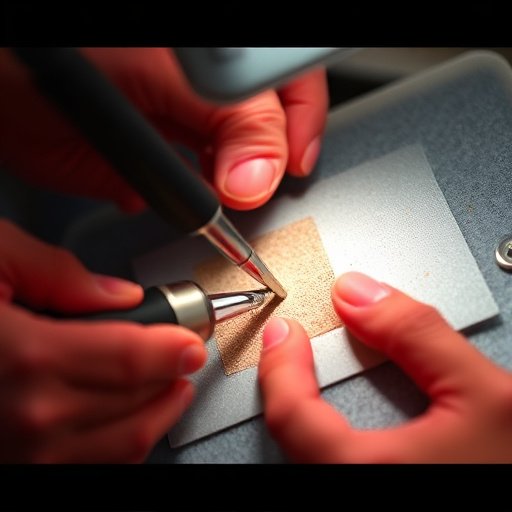
Shingle repairs are a common task for homeowners and roofing contractors alike, especially in Oro Valley's unique climate. When addressing issues like lifted tabs and granule loss, understanding the root causes and implementing effective repair strategies are crucial. This section focuses on repairing two specific issues: curled and cupped shingles, and granule loss.
Curled and cupped shingles, often seen in three-tab shingles, are a common problem in desert climates. High temperatures and low humidity contribute to these shingles' natural tendency to lift at the edges, creating a curled or cupped appearance. While this may initially seem like a minor cosmetic issue, it can signal a more significant problem with ventilation or a lack of proper installation. Addressing the root cause is key to effective repair. Ensuring adequate ventilation under the roof decking and checking for loose or missing shingles can resolve this issue. In some cases, a roofing contractor serving Oro Valley and Marana might recommend replacing the affected shingles, especially if they are old or damaged.
Granule loss is another common concern, often leading to questions like, "What if my shingles are losing granules?" This issue typically arises from various factors, including aging shingles, poor installation, or exposure to extreme weather conditions. When granule loss occurs, it's essential to replace the missing granules to maintain the shingle's integrity and protective properties. Homeowners should inspect their roofs regularly, especially in areas with heavy debris buildup, to identify and address granule loss promptly. Replacing a few missing granules is a straightforward DIY task, but for significant granule loss, professional intervention is recommended.
In cases where granule loss is extensive or the shingles are severely damaged, the best course of action might be to replace the entire shingle. This strategy ensures the roof maintains its structural integrity and water-resistant properties. The local roofing material suppliers in Oro Valley offer a range of options, from affordable to high-end, desert-rated shingles. When considering a replacement, homeowners should consult the local building codes and the manufacturer's guidelines, especially regarding the lifespan expectations of different shingles in the desert heat. Checking with the Southern Arizona Homeowners Association (SAHOA) for architectural review and design guidelines is advisable before making any significant changes.
Preventive Measures: Protecting Against Future Shingle Damage
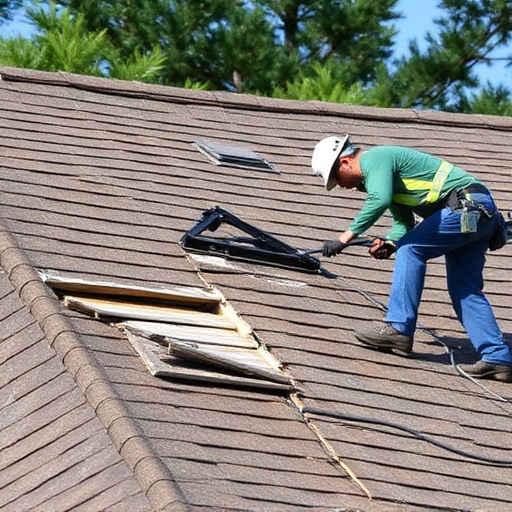
Protecting Against Future Shingle Damage in Oro Valley
In Oro Valley's hot, desert climate, asphalt shingles are a popular and practical roofing solution. However, they are not invincible. Curling and cupping shingles, granule loss, and lifted tabs are common issues that can compromise the integrity of your roof. The key to mitigating these problems lies in proactive measures. Regular maintenance and proper installation techniques can significantly extend the lifespan of your shingles and prevent costly repairs.
One effective preventive measure is ensuring adequate ventilation, especially in attics. Proper ridge venting, for instance, like that often seen in Saddlebrooke homes, allows hot air to escape, reducing the risk of heat-related damage. This is crucial in Oro Valley, where intense summer heat can cause shingles to blister and crack. Checking for loose or missing shingles after severe storms is essential. Quick action can prevent minor issues from becoming major, such as granule loss, which can expose the underlayment and accelerate the overall decline of your roof.
Another strategy is to choose the right shingle for your specific needs. Three-tab shingles, for example, offer a basic, cost-effective option, but they may not withstand extreme weather conditions as well as more advanced styles. Consulting with a local roofing contractor or an experienced Oro Valley roof specialist can help you select a durable, climate-appropriate shingle. Applying a reflective coating, often referred to as a cool roof, can reduce the heat absorbed by your roof, mitigating the effects of desert heat and potentially lowering energy costs.
Regular inspections and prompt repairs are the cornerstones of shingle maintenance. By adopting these preventive measures, homeowners in Oro Valley can ensure their roofs remain in top condition, enhancing the building's overall value and structural integrity.
Frequently Asked Questions About a Guide to Shingle Repairs, from Lifted Tabs to Granule Loss
What are the most common signs of shingle damage? Homeowners should look for lifted or curled shingles, which can be caused by strong winds, poor installation, or age. Granule loss, where the protective granules on the shingles wear off, is another telltale sign of wear and tear. Missing or broken shingles, visible damage from hail or debris, and dark spots from algae growth are also indicators. Regular inspections can help catch these issues early, ensuring prompt repairs to maintain the integrity of your roof.
How do I know if a shingle needs replacing? If a shingle is severely damaged, missing pieces, or appears significantly different from its neighboring shingles, it likely needs replacing. Granule loss and lifted tabs are strong indicators that a shingle is no longer effective at protecting your home. A licensed roofer can assess the damage and provide recommendations tailored to your Oro Valley roof.
Can I repair a lifted shingle myself, or should I hire a professional? While some minor repairs, like re-securing a lifted shingle, can be done by homeowners, more complex issues require professional expertise. For safety and structural integrity, it's best to leave significant shingle repairs to a licensed Oro Valley area roofing contractor. They have the tools and knowledge to address granule loss, damaged underlayment, and other related issues effectively.
How long does a typical shingle repair job take? Most shingle repair jobs in Oro Valley take one to two days, depending on the extent of the damage and the number of shingles affected. DC Roofing of Arizona, a local roofing company serving Oro Valley and Marana, typically completes minor repairs in a single day, ensuring minimal disruption to your schedule.
What materials are used for shingle repairs? Repairs involve using new shingles that match the existing ones in style, color, and brand. Adhesives, sealants, and underlayment materials are also essential for securing and protecting the repaired area. DC Roofing of Arizona, a licensed roofer with an Arizona ROC license, sources high-quality materials to ensure the longevity of the repairs.
How can I prevent shingle damage in the first place? Regular maintenance is key. Clear gutters of debris to prevent water damage, and inspect your roof for loose or missing shingles. Addressing small issues early can prevent them from escalating. Choosing high-quality shingles and ensuring proper installation by a skilled roofer can significantly extend their lifespan.
In Oro Valley, understanding the common culprits behind shingle damage, such as lifting and cupping, is crucial for effective repairs and long-term protection. Recognizing that curling and cupping are natural behaviors of shingles in the region's unique climate, homeowners and contractors can implement targeted strategies to mitigate these issues. By repairing lifted tabs and replacing granules, as well as taking preventive measures, residents can significantly extend the lifespan of their roofs.
The article's insights highlight the importance of timely intervention and the right materials. Using impact-resistant shingles and proper underlayment choices can provide extra protection against high winds and extreme temperatures, common in the local climate. Checking for algae and stains, nail pops, and cracked shingles after storms is essential for maintaining a healthy roof.
As a result, homeowners are empowered to make informed decisions, contractors can offer tailored solutions, and the Oro Valley community can enjoy more durable and aesthetically pleasing roofing systems. These practical guidelines ensure that the region's diverse roofing needs are addressed with confidence and authority.
In Oro Valley, curling and cupping shingles, granule loss, and lifted tabs are common roofing issues, primarily due to extreme heat and weather. These problems can be addressed through proactive measures like proper installation, adequate ventilation, and regular maintenance. Replacing damaged shingles or implementing preventive strategies, such as reflective coatings, can extend the roof's lifespan and protect against future damage. Timely repairs and inspections are crucial for maintaining the roof's integrity and structural value.