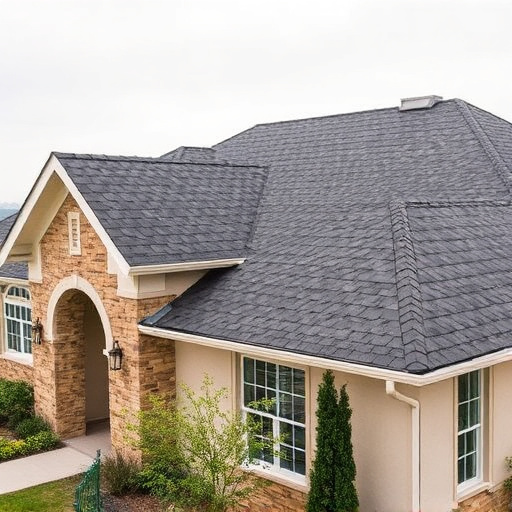
Ashephalt shingle roofs are a staple of Oro Valley homes, protecting structures from the area's intense sun and occasional storms. However, maintaining these roofs requires understanding their unique challenges in the desert climate, from heat-related issues like blistering in the summer to granule loss from wind and UV exposure. This practical guide is designed to empower homeowners and contractors alike with the knowledge to make informed decisions about asphalt shingle roofs, particularly on low-slope structures. We'll explore everything from lifespan expectations and repair strategies to local regulations and community guidelines, ensuring your Oro Valley roof not only lasts but also complies with HOA rules and enhances energy efficiency.
- Choosing the Right Shingle Type for Your Oro Valley Roof
- Understanding Low-Slope Installation Techniques
- Step-by-Step Shingle Application Process
- Maintenance and Longevity: Shingle Care Tips
Choosing the Right Shingle Type for Your Oro Valley Roof
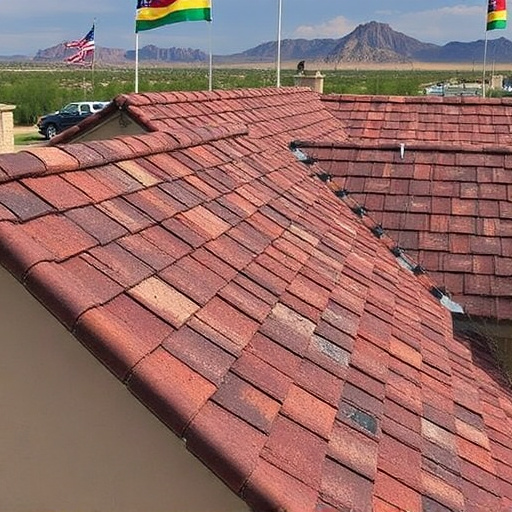
When choosing the right shingle type for your Oro Valley roof, consider the unique environmental factors that play a significant role in its longevity. The low-slope roofs common in the Catalina Foothills face challenges from intense monsoon winds and the scorching desert sun, which can lead to granule loss, curling, and cupping if the wrong shingles are selected. Look for shingles designed to withstand these conditions, such as those with superior wind ratings and high solar reflectance, which can help reduce the structure's heat gain.
DC Roofing of Arizona recommends opting for desert-rated shingles, like those from GAF or Atlas, which are specifically engineered to resist the harsh climate. These shingles often feature a more substantial granule layer, making them less prone to loss from high winds. Their solar reflectance can help lower your energy costs during the summer months.
When deciding between architectural shingles and three-tab shingles, keep in mind that architectural styles offer better wind resistance and a more aesthetically pleasing appearance, making them ideal for low-slope roofs. While three-tab shingles are a more affordable option, they may not provide the same level of protection in the extreme weather conditions typical of Oro Valley. When considering a roof replacement, consult the local building codes and the Oro Valley Building Department to ensure compliance with current regulations. Always inspect your roof for signs of damage, such as cracked or curled shingles, after severe storms, as these can indicate the need for repairs or a full replacement.
Understanding Low-Slope Installation Techniques
For roofing your Oro Valley home, especially in our region's unique climate, understanding low-slope installation techniques is crucial. Asphalt shingles are a popular choice for many Oro Valley residents, and while traditional three tab shingles are common, architectural styles offer enhanced durability and energy efficiency for low-slope roofs. These advanced shingles mimic the look of tiles, providing a more sophisticated aesthetic while also protecting your home from the harsh desert heat.
Low-slope roofs, typically pitched at 2:12 or less, present specific challenges. Maintaining adequate ventilation is essential to prevent blistering in the summer months. Proper underlayment choices, like self-adhesive or mechanical, are crucial for preventing leaks and ensuring a long lifespan. DC Roofing of Arizona, a local and licensed Oro Valley contractor, emphasizes the importance of the starter strip and edge details, which provide a seamless finish and further protect against the elements.
When considering a low-slope installation, especially for a replacement project, consult the Oro Valley Building Department and the Southern Arizona Homeowners Association (SAHOA) for local regulations and design guidelines. ENERGY STAR-rated shingles are an excellent option for both reducing energy costs and meeting HOA architectural reviews. These high-performance shingles often include added protection against algae and stains, which are common issues in our region due to the intense sunlight. By understanding the unique requirements of low-slope roofs, you can make informed decisions that ensure your home stays protected for years to come.
Step-by-Step Shingle Application Process
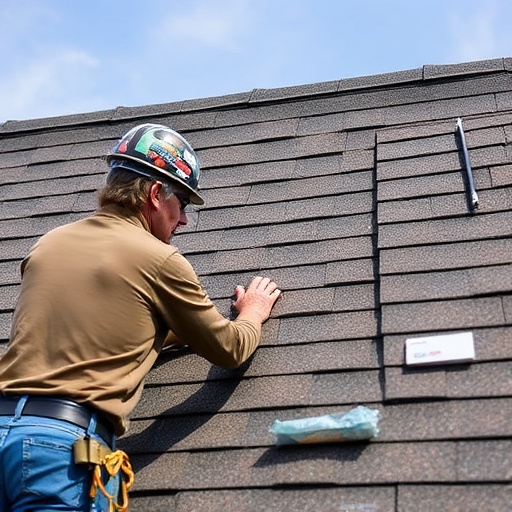
When installing asphalt shingles on a low slope in Oro Valley, it's crucial to follow a meticulous step-by-step process. This ensures not only a durable roof but also one that complies with local building codes, like those enforced by the Oro Valley Building Department. Consider the challenges posed by the region's monsoon winds, which can blow off shingles if not properly secured.
The first step is to prepare the roof surface, which involves removing any existing shingles, underlayment, or debris. This is especially important in areas prone to high winds, like Oro Valley, to prevent loose material from becoming airborne. Once the surface is clean, install a synthetic underlayment, a crucial layer of protection against moisture and wind damage. This is a significant step that can significantly impact the lifespan of the new shingles, and it's a key area where experienced professionals like DC Roofing of Arizona recommend paying attention to detail.
Next, lay down the shingles, starting from the bottom edge of the roof. The shingles should overlap each other by about three inches, creating a water-resistant barrier. For a low-slope roof, a standard asphalt shingle application method is typically used, where shingles are laid in courses, with each course starting at a slightly higher point to create a slope. This technique, combined with the synthetic underlayment, helps to mitigate one of the primary issues with low-slope roofs: the potential for water pooling and damage. In the case of the Saddlebrooke neighborhood, known for its diverse architectural styles, a uniform and secure shingle application process is essential to maintain the community's aesthetic appeal while adhering to local regulations.
Finally, secure the shingles with nails, ensuring they are properly fastened and aligned. This step requires careful consideration of wind ratings for the shingles, as well as the type of nail used, which should be suitable for both the climate and the specific shingle granule loss rates experienced in the region. With these steps followed diligently, Oro Valley homeowners can expect their new asphalt shingle roofs to withstand the elements, from the scorching summer sun to the occasional monsoon winds.
Maintenance and Longevity: Shingle Care Tips
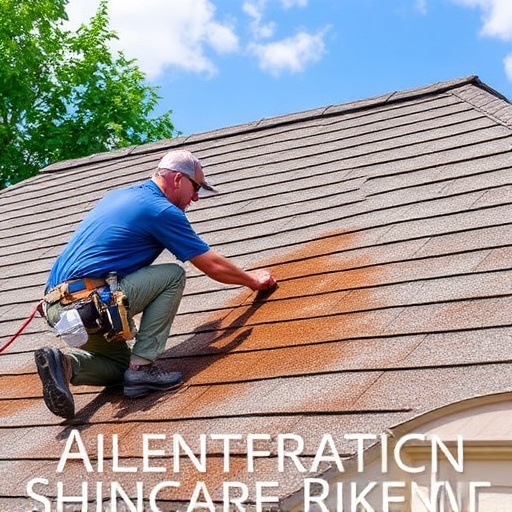
Maintaining an asphalt shingle roof on your Oro Valley home is crucial for ensuring its longevity and protecting against potential leaks. Shingles on a low slope, a common roofing design in this area, require specific care to prevent damage and maintain a secure barrier against the elements. Here are some expert tips to keep your low-slope roof in top condition.
Regular inspection is key. Walk the roof after storms or at least twice a year to check for loose nails, curled or cracked shingles, and any signs of water damage. Addressing issues early prevents minor problems from escalating. A Class H wind rating is standard for this region, indicating the shingles are designed to withstand high winds, but close inspection is still vital. Look for granule loss, which can expose the shingle's mat and compromise its integrity. Regular cleaning also plays a role; remove algae and stains with a soft brush and mild detergent to maintain the shingles' appearance and performance.
Proper ventilation is another critical aspect, especially with ridge vents designed for low-slope roofs. Ensuring adequate airflow prevents heat buildup, which can lead to blistering in the summer. Consider the underlayment, which provides a secondary barrier against leaks. Choosing the right underlayment for your climate and roof design is essential. A licensed Arizona roofer recommends using a breathable membrane suitable for hot, dry climates like Oro Valley's.
For low-slope roofs, don't overlook the importance of starter strips and ridge caps. These details seal the edges and valleys, protecting against water intrusion. Regular maintenance, including re-nailing loose strips and replacing worn-out caps, extends the life of your roof. Remember, the goal is to catch issues before they become costly repairs. By following these care tips, you can contribute to the longevity of your Oro Valley home's asphalt shingle roof.
Frequently Asked Questions About a Practical Guide to Asphalt Shingle Roofs on Oro Valley Homes
What are the advantages of asphalt shingles for Oro Valley homes? Asphalt shingles offer a cost-effective and popular roofing solution for Oro Valley properties. They are easy to install, maintain, and replace, making them a practical choice for many homeowners. With a wide range of colors and styles available, asphalt shingles can also enhance the aesthetic appeal of a home. They provide good protection against weather elements, with a durable underlayment and strong adhesive that ensures a secure fit.
How long do asphalt shingles typically last on an Oro Valley roof? The lifespan of an asphalt shingle roof can vary based on factors like installation quality, local weather conditions, and foot traffic. Generally, high-quality asphalt shingles can last between 25 to 30 years with proper maintenance. Regular inspection and timely repairs, such as replacing missing or damaged shingles, can help extend the roof's life.
What is the typical installation process for asphalt shingles in Oro Valley? Installation typically involves several steps. First, the roof deck is inspected and prepared, ensuring it's clean, dry, and free of debris. Then, a layer of underlayment is laid down to provide additional protection. After that, shingles are installed in a specific pattern, starting from the bottom edge of the roof and working upwards. A skilled roofer will secure the shingles with nails or staples and ensure proper sealing at the roof's edges and valleys.
Are there specific maintenance requirements for asphalt shingle roofs in Oro Valley? Regular maintenance is key to prolonging the life of your asphalt shingle roof. This includes checking for loose or missing shingles, inspecting the underlayment for tears or moisture damage, and ensuring gutters are clear. During the winter, it's important to remove snow and ice buildup to prevent weight-related damage. A simple visual inspection every few months can help identify potential issues early on.
What should I consider when choosing a contractor for my asphalt shingle roof in Oro Valley? When selecting a contractor, look for a licensed and insured local company with experience in Oro Valley. Check online reviews and ask for references to gauge their reputation and customer satisfaction. Ensure they provide warranties on their work and materials, and discuss the project timeline and any potential disruptions to your home. A detailed contract outlining the scope of work and costs is essential for a transparent and successful project.
How do I know if my roof needs replacement, and what are the signs to look for? Regular inspections can help determine if your asphalt shingle roof requires replacement. Look for signs like curled, cracked, or missing shingles, as well as blisters or damage to the underlayment. Dark spots or mold growth can indicate moisture intrusion, which may require immediate attention. If your roof is more than 25 years old and shows these issues, it's likely time for a replacement to avoid further damage and potential safety hazards.
Can asphalt shingles be repaired, and when is it more cost-effective to replace them? Small repairs, such as replacing a few missing or damaged shingles, can extend the roof's life. However, if the damage is extensive, or if the roof is old and showing signs of deterioration, replacement might be more economical. A qualified roofing contractor can assess the situation and provide a cost-benefit analysis to help you decide.
This guide has equipped Oro Valley homeowners and contractors with a comprehensive toolkit for understanding and maintaining asphalt shingle roofs. By navigating the nuances of shingle types, installation techniques for low-slope roofs, and the step-by-step application process, you can ensure your roof's longevity and curb appeal. The practical care tips and maintenance strategies outlined will help extend the life of your shingles, protecting your home from the harsh desert climate. Remember, the right shingle choices and proper installation on a low slope are key to a durable, energy-efficient roof that aligns with local building codes and HOA guidelines. This article's insights empower you to make informed decisions, ensuring your shingle investment stands the test of time.
When choosing and installing asphalt shingles on an Oro Valley roof, consider:
- Environmental Factors: Select shingles designed for low-slope roofs, like desert-rated shingles from GAF or Atlas, to withstand intense winds and heat. Look for cool roof ratings to reduce energy costs.
- Shingle Types: Architectural shingles offer better wind resistance and a more aesthetically pleasing look compared to three-tab shingles, making them ideal for low-slope roofs.
- Installation Techniques: Follow local building codes and consult with the Oro Valley Building Department. Use proper underlayment (self-adhesive or mechanical), starter strips, and edge details for a secure finish.
- Maintenance: Regularly inspect the roof for damage, clean algae and stains, ensure adequate ventilation, and maintain proper nail security to extend the roof's lifespan.