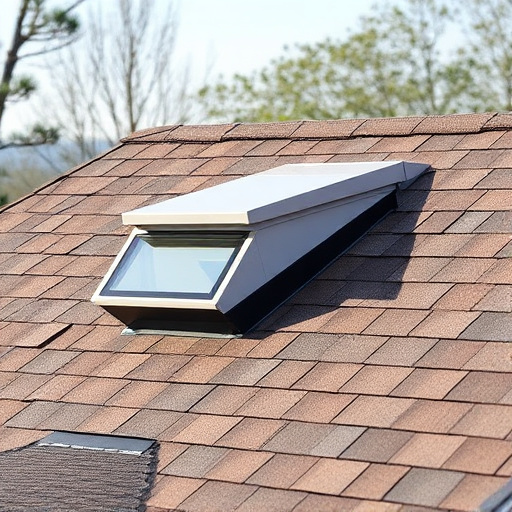
Shingle roofs are a staple of Oro Valley's distinctive landscape, providing both protection and aesthetic appeal. However, these durable exteriors can face a range of issues, from lifted tabs and granule loss to curling and cupping, even in the region's unique desert climate. Understanding and addressing these problems promptly is crucial to maintain your home's value, energy efficiency, and safety. This guide will walk you through the intricacies of shingle repairs, from identifying common problems like inadequate shingle roof ventilation needs and granule loss, to practical solutions that ensure your roof stands strong against Oro Valley's unique challenges. By the end, you'll be equipped to make informed decisions about the health and longevity of your roof.
- Identifying Common Shingle Roof Issues
- Understanding Granule Loss and Its Causes
- Repairing Lifted Tabs: Step-by-Step Guide
- Optimizing Shingle Roof Ventilation for Durability
Identifying Common Shingle Roof Issues
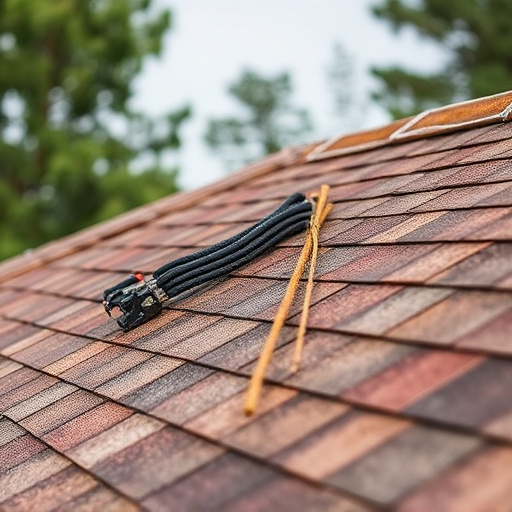
Shingle roofs in Oro Valley face unique challenges due to the area's desert climate, extreme temperatures, and occasional storms. As these roofs age, they become more susceptible to various issues, impacting both their structural integrity and aesthetic appeal. Understanding these common problems is the first step in effective maintenance and repair.
One of the most visible and concerning issues is granule loss, where the protective granular coating on shingles starts to dislodge. This is often a result of prolonged exposure to UV radiation, heat, and wind, especially in architectural shingles, which tend to be thicker and more complex. High winds can blow off shingles, further exposing the underlayment and compromising the roof's protection. To mitigate this, regular inspection is crucial, and when granule loss is detected, prompt repair is recommended. A local roofing company serving Oro Valley can provide expert advice on the extent of damage and appropriate repair methods.
Another critical aspect of shingle roof ventilation needs to be addressed. Proper ventilation helps regulate roof temperatures, reducing the risk of heat-related issues like blistering and curling. Insufficient ventilation can lead to moisture buildup, causing algae and mold growth, which not only affect the shingles' appearance but also weaken their structure. Ensuring adequate ventilation, often achieved through vents at the ridge and soffit, is essential for maintaining the longevity of any roof. Using synthetic underlayment, a popular and effective solution, can further enhance protection against moisture intrusion.
Drip edges, a critical component often overlooked, play a vital role in directing water away from the roof's perimeter, preventing water damage and ensuring proper drainage. Over time, these edges may become damaged or detached, allowing water to infiltrate and compromise the underlayment and decking. Regular checks and repairs, especially after storms, are essential to maintaining the roof's integrity. A well-maintained drip edge can prevent water from seeping under shingles, leading to curled or cracked shingles, a common issue in the area's harsh conditions.
Understanding Granule Loss and Its Causes
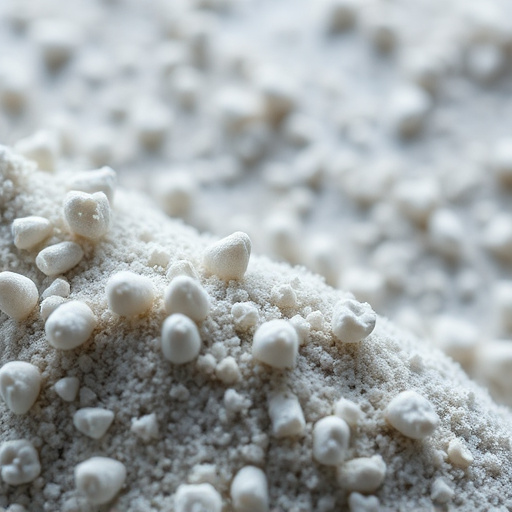
Granule loss, or the dislodging of the protective coating on asphalt shingles, is a common issue in Oro Valley's harsh desert climate. This problem can significantly impact a roof's durability and aesthetic appeal. Understanding the causes and addressing granule loss early is crucial for maintaining a healthy roof and avoiding more extensive repairs. The primary culprit behind granule loss is natural aging, accelerated by exposure to UV radiation and extreme temperatures. In this desert environment, shingles can dry out, causing the granules to become brittle and easily dislodged by wind or even foot traffic.
Wind, another significant factor, can play a dual role. While a Class H wind rating (1-3) indicates a roof's ability to withstand high winds, extreme conditions can still lead to granule loss. Wind-driven debris can strike shingles, peeling off the granules. Strong winds can cause shingles to cup or curl, further compromising their integrity. A licensed Arizona roofer recommends regular inspections, especially after severe storms, to identify any signs of damage or granule loss.
Class 4 impact ratings are a key consideration when assessing a roof's performance against hail and other impacts. Shingles with a Class 4 rating offer superior protection against granule loss during storms. Homeowners in Oro Valley, subject to varying weather patterns, should consider the region's specific needs when choosing shingles. Proper ventilation is also vital for shingle longevity. Ensuring adequate roof ventilation helps maintain a consistent temperature, preventing extreme conditions that contribute to granule loss. An HOA architectural review, for instance, should factor in ventilation requirements to avoid issues down the line.
Repairing Lifted Tabs: Step-by-Step Guide

Lifted tabs on your shingle roof can be a common, yet frustrating, problem in the Oro Valley area, particularly due to the intense summer sun and occasional desert winds. This issue occurs when the shingles' tabs-the smaller, individual pieces that overlap to create the roof's surface-separate from the main body of the shingle, exposing the underlying fiberglass mat. While a small number of lifted tabs may not require immediate repair, addressing this issue promptly is crucial. Neglecting lifted tabs can lead to further damage, increased granule loss, and potential leaks.
Repairing lifted tabs is a straightforward process that can often be done by a roofer with an Arizona ROC license. The first step is to assess the extent of the damage. If the lifted tabs are limited to a few shingles, a simple fix may be all that's needed. Start by purchasing new shingles, ensuring they are the same type and brand as the existing ones. On a hot day, when the shingles are more pliable, carefully peel back the lifted tabs and apply a thin layer of roofing cement or a specialized sealant to the exposed area. Press the tab back into place, ensuring it's flush with the surrounding shingles. Use a flat object, like a putty knife, to smooth out any gaps or air bubbles, creating a watertight seal.
For larger areas of lifted tabs, especially those exposed to frequent wind or hail, a more comprehensive approach is necessary. To replacing the shingles, inspect the underlayment for damage. If the underlayment is damaged, it should be repaired or replaced. Proper ventilation is also key to preventing future issues. Ensure there's adequate ventilation along the roof's ridge line and in the valleys, allowing air to circulate and prevent blistering in the summer heat. In Marana or Oro Valley, where extreme weather conditions are uncommon, basic ventilation requirements often include a ridge vent and soffit vents. ENERGY STAR-rated shingles can also enhance ventilation by reflecting heat and reducing the need for excessive cooling.
Remember, addressing lifted tabs promptly can save you money and prevent more serious roof damage. Regular inspection and maintenance, including checking for lifted tabs and granule loss, are essential parts of keeping your Oro Valley home's roof in top condition. Always consult with a local roofing contractor for expert advice tailored to your specific roof and climate conditions.
Optimizing Shingle Roof Ventilation for Durability
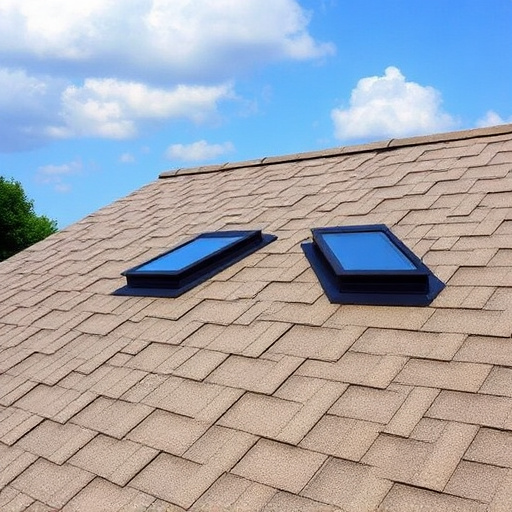
Shingle roof ventilation is a crucial aspect of ensuring your roof's longevity, especially in the harsh desert climate of Oro Valley. With extended UV exposure and high temperatures, proper ventilation can make a significant difference in protecting your roof against damage, including granule loss and premature aging. This is particularly important for three tab shingles, which are commonly used in the area due to their durability and cost-effectiveness, but may be more susceptible to curling and cupping without adequate ventilation.
An experienced Oro Valley roof specialist recommends considering several factors when optimizing ventilation. First, understand the local climate patterns and how they impact your roof. The NOAA reports that Oro Valley experiences high UV radiation levels, which can degrade shingles over time. To combat this, ensure your roof is adequately ventilated to reduce heat build-up, a key factor in minimizing UV exposure. This is where Class 4 impact rating comes into play; impact-resistant shingles, designed to withstand severe weather conditions, can also better resist the effects of UV radiation.
Ventilation can be achieved through various methods. One common approach is the use of vented underlayment, which allows air to circulate between the shingles and the deck. Proper ridge venting and soffit vents are essential, as they facilitate the flow of fresh air across the roof surface. Installing ridge caps can help direct air upward, while soffit vents draw in cool air from the sides, creating a continuous flow that prevents hot air from becoming trapped under the shingles. This is crucial during the summer months when blistering shingles are a common issue. By maintaining a constant and controlled air flow, you can extend the lifespan of your roof, saving you from costly replacements.
Frequently Asked Questions About a guide to shingle repairs, from lifted tabs to granule loss
What are the most common causes of lifted tabs in shingles? Shingle lifted tabs often result from poor installation, extreme weather conditions, or aging shingles. During installation, improper nailing, incorrect shingle overlap, or using the wrong adhesive can lead to tabs lifting. In weather, strong winds, ice build-up, or significant temperature changes can cause tabs to separate from the underlayment. As shingles age, they weaken, making tabs more prone to lifting. Regular inspections and timely repairs are crucial to prevent water damage and structural issues.
How do I know if my shingles need replacing due to granule loss? Granule loss, where small particles of the shingles' surface wear off, is a clear sign of wear and tear. This can occur naturally over time or due to damage from debris, extreme weather, or poor installation. If you notice bare spots or a significant reduction in granules, it indicates that the shingles' protective layer is compromised. Replacing these shingles promptly is essential to protect your home from water intrusion and maintain the structural integrity of your roof.
Can I patch a lifted tab, or does it always require replacement? While a minor lifted tab might sometimes be secured with a new nail or adhesive patch, more severe cases often necessitate complete shingle replacement. If the tab is completely detached, damaged, or the lift is extensive, the shingle must be replaced to ensure the roof's protection. A licensed Oro Valley area roofing contractor like DC Roofing of Arizona can assess the damage and recommend the best course of action.
How do I prevent granule loss in the first place? To minimize granule loss, ensure proper installation and maintenance of your roof. Use high-quality shingles suitable for your climate and consult a professional for expert installation. Regular cleaning to remove debris and algae buildup can also help. Inspect your roof annually for any signs of damage, addressing issues promptly to avoid extensive repairs later.
What should I do if my shingles have both lifted tabs and granule loss? When both lifted tabs and granule loss occur, it's a clear sign that your shingles are nearing the end of their lifespan. In such cases, it's recommended to replace the entire shingle to avoid further damage. A roofing contractor can assess the extent of the issue and provide a quote for a complete shingle replacement, ensuring your roof is in optimal condition.
Understanding and addressing common shingle roof issues is crucial for maintaining a durable and aesthetically pleasing roof in Oro Valley's unique desert climate. By recognizing granule loss, its causes, and implementing effective ventilation strategies, homeowners can extend the lifespan of their roofs. The step-by-step guide for repairing lifted tabs offers a practical solution for minor repairs. Optimizing shingle roof ventilation needs is a key factor in preventing many issues, ensuring your roof remains protected against the harsh desert conditions. This article has equipped readers with the knowledge to identify, prevent, and repair common shingle problems, reinforcing the importance of regular maintenance and the right expertise for a robust, long-lasting roof.
Shingle roofs in Oro Valley face unique challenges from desert climate, including granule loss due to UV radiation, wind, and heat, which requires prompt repair. Adequate ventilation is crucial for preventing these issues, along with moisture buildup, by using vents at the ridge and soffit, and synthetic underlayment. Regular inspections are vital to detect and address problems early, such as lifted tabs, which can be repaired by replacing shingles and sealing exposed areas. Class 4 impact-rated shingles offer better protection against granule loss during storms. Proper ventilation, regular maintenance, and expert advice from local roofing companies are key to preserving the integrity and aesthetic appeal of your Oro Valley roof.