Shingle roofs are a staple of Oro Valley's residential landscape, but understanding the costs and factors behind them can be a complex task for homeowners. When considering a new installation or repair, the array of choices-from architectural to three-tab styles-and the influence of local conditions, like the intense desert heat, can be overwhelming. Navigating HOA shingle color rules and ensuring a durable, aesthetically pleasing roof requires careful consideration. This article cuts through the confusion, providing a straightforward look at what drives shingle roof costs and offering insights into maintaining your Oro Valley home's most vital protective barrier.
- Understanding Shingle Roof Cost Factors
- Local Regulations and HOA Rules
- Material, Color, and Style Choices
- Estimating Installation and Maintenance
Understanding Shingle Roof Cost Factors
Understanding Shingle Roof Cost Factors in Oro Valley
For roofing your home in Oro Valley, the cost of asphalt shingles is a significant consideration, especially when navigating the unique challenges of the local climate and community regulations. Several factors influence the price of these essential roof coverings, from the materials used to the region's stringent building codes. The intense UV exposure in the Catalina Foothills demands shingles that can withstand prolonged heat and direct sunlight, leading to premium pricing for high-quality, UV-resistant options.
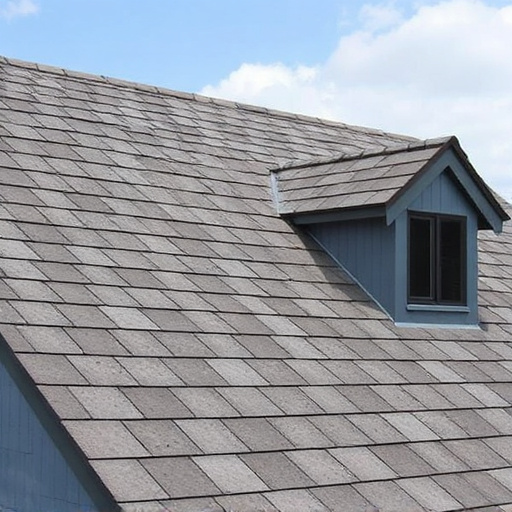
One of the primary drivers of shingle roof costs is the type of shingle chosen. Architectural shingles, known for their complex design and superior durability, tend to be more expensive than three-tab shingles. In Oro Valley, where HOA shingle color rules often dictate aesthetic preferences, architectural shingles may be the preferred choice for their enhanced visual appeal. Manufacturers like GAF and Atlas offer a range of desert-rated shingles designed to perform optimally in the local climate, reflecting an investment in both quality and longevity.
Local labor costs and building regulations further impact the overall price. The Oro Valley Building Department enforces strict guidelines, ensuring that all installations meet safety and energy-efficiency standards. These regulations often require specific underlayment, ventilation, and flashing details, adding to the complexity and cost of the project. When considering repairs versus replacement, homeowners should factor in the age and condition of their existing shingles. Shingles in the desert often face accelerated wear from UV exposure, leading to granule loss, curling, and cupping. A thorough inspection by a local contractor, such as DC Roofing of Arizona, can provide valuable insights into the shingles' remaining lifespan and the best course of action.
Local Regulations and HOA Rules

Local regulations and Homeowners Association (HOA) rules play a significant role in shaping the cost and design of shingle roofs in Oro Valley. The Oro Valley Building Department enforces building codes that impact everything from the type of shingle to the ventilation requirements. The local codes often mandate a Class H wind rating for shingles in areas prone to strong winds, ensuring the roof can withstand severe weather conditions.
HOA rules, on the other hand, can dictate specific shingle colors and styles for properties within the community. Many HOAs have shingle color charts, often favoring neutral or desert-inspired tones to maintain a cohesive aesthetic. The SAHOA (Southern Arizona Homeowners Association) is one such group with strict guidelines on shingle colors and finishes, which can add to the overall cost of roof replacement or repair. When considering a new roof or replacement, homeowners must ensure their chosen shingles comply with both local building codes and HOA regulations to avoid costly revisions.
A roofer with an Arizona ROC license (NAIC #144011) will be familiar with these local requirements and can guide homeowners through the process. They can offer valuable insights into which shingle types and colors are most suitable, balancing functional needs with aesthetic preferences. Asphalt shingles with their granule surface are popular due to their durability and cost-effectiveness, but some HOAs may restrict their use, encouraging more visually appealing alternatives like tile or metal roofing.
The local climate, with its hot summers and occasional storms, requires shingles that can withstand UV exposure and extreme weather. Shingles that blow off during strong winds or become damaged by hail can lead to costly repairs. Therefore, choosing impact-resistant shingles or those with enhanced granule adhesion might be necessary, even if they are not explicitly required by the building department. Regular maintenance, including checking for loose nails and cracks, and ensuring proper ventilation, can extend the lifespan of the roof, reducing the need for frequent replacements.
Material, Color, and Style Choices

Shingle roof materials, color, and style choices significantly impact the overall cost of a roofing project in Oro Valley. When considering these options, homeowners should understand the interplay of factors that affect pricing. First, let's examine materials. Asphalt shingles, the most common choice for Oro Valley homes, come in various styles and colors, each with a unique price point. Architectural shingles, known for their distinctive look and superior durability, tend to be more expensive than three-tab shingles, which are simpler in design.
Shingle color and UV exposure are critical considerations. Lighter-colored shingles reflect sunlight, reducing heat absorption and potentially lowering cooling costs, which is a significant factor in Oro Valley's desert climate. However, darker shingles, often preferred for their aesthetic appeal, can be more susceptible to UV damage, leading to premature granule loss and curling or cupping of the shingles. To combat this, many homeowners opt for cool roof shingles, which are designed to reflect heat and reduce energy consumption. An experienced Oro Valley roof specialist may recommend specific brands known for their durability in extreme conditions, such as GAF or Atlas, balancing cost and performance.
HOA architectural review processes add another layer of complexity. In Oro Valley, the Southern Arizona Homeowners Association (SAHOA) has guidelines that dictate acceptable shingle styles and colors for residential properties. These rules ensure consistency and curb appeal within the community. When replacing a roof, homeowners must adhere to these guidelines, which can influence the material and color choices. If a home has a traditional architectural style, the HOA might prefer architectural shingles that complement the existing design. Understanding these requirements early in the process can streamline the permitting and approval phases, preventing costly delays.
The drip edge, a crucial component of any roof, also impacts cost. This flashing helps prevent water intrusion at the roof's edge, protecting against potential damage to the structure and interior. Properly installed drip edges can extend the lifespan of the roof and are especially important in Oro Valley's harsh weather conditions. While a basic drip edge is included in most roofing projects, more sophisticated designs or additional protection might require extra labor and materials, adding to the overall cost.
Estimating Installation and Maintenance

Estimating Installation and Maintenance of Shingle Roofs in Oro Valley involves considering several factors, including the type of shingle, local climate, and the specific requirements set by homeowners associations. The cost of materials alone can vary significantly, from affordable options like asphalt shingles to premium choices like desert-rated, synthetic underlayment-backed varieties. A roofing contractor serving Oro Valley and Marana may charge different prices for standard three-tab shingles versus architectural styles, reflecting the increased complexity and material costs of the latter.
Local climate plays a crucial role in determining a shingle roof's lifespan. The intense monsoon winds and desert heat in Oro Valley can accelerate the natural aging process, leading to increased granule loss, curling, or cupping of shingles. To combat these issues, many homeowners opt for wind-rated shingles or those designed for energy efficiency, which often carry higher price tags. The need for frequent repairs, like fixing nail pops or replacing shingles damaged by storms, can significantly impact the overall cost of maintenance.
HOA shingle color rules also come into play, dictating what colors are approved for residential areas. While these guidelines are designed to maintain aesthetic consistency, they can limit the choices available to homeowners and potentially add to installation costs. A roofing contractor will consider these rules when selecting shingles, ensuring compliance while offering options that meet both the client's preferences and the HOA's requirements. Lighter-colored shingles reflect sunlight, reducing interior cooling loads, but may be subject to stricter approval processes compared to darker shades.
To budget effectively, homeowners should discuss the expected lifespan of their shingles with a licensed Oro Valley area roofing contractor. They can provide insights into the average maintenance intervals and replacement costs for different materials. Synthetic underlayment may extend a roof's lifespan, reducing the need for frequent repairs, but it adds to the upfront cost. Regular inspections and proper ventilation, as recommended by the Oro Valley Building Department, can also help extend the life of a shingle roof, reducing long-term maintenance expenses.
Frequently Asked Questions About a Plain Language Look at Shingle Roof Costs and What Drives Them
What are the average costs for installing a new shingle roof in Oro Valley?
Shingle roof installations in Oro Valley typically range from $3,500 to $8,000, depending on several factors. The most significant influences include roof size, the type of shingles chosen, and the complexity of the job. A smaller, straight-forward installation might cost around $3,500, while a larger, more intricate roof with high-end shingles could easily exceed $8,000. Local labor costs and the price of materials also play a role, and it's not uncommon for unexpected challenges during installation to add to the final price.
How do roof age and condition impact the cost?
An older roof in poor condition will generally cost more to replace. Aged shingles often have less durability and may require additional measures to ensure proper sealing and drainage. Repairs, patching, or replacing damaged components can all add to the overall installation cost. A licensed roofer will assess the age and condition of your existing roof and provide an accurate estimate tailored to your specific needs.
Are there any cost-saving options for shingle roof replacement?
Absolutely. There are several ways to reduce the cost of a shingle roof replacement. Opting for more affordable shingle options, like asphalt shingles, can significantly lower expenses. Choosing a smaller, simpler design or a re-roofing project, where the new shingles are installed over the existing layer, can be more cost-effective. Discounts may also be available for scheduling repairs during less busy seasons.
What is the typical timeline for a shingle roof installation in Oro Valley?
Most shingle roof installations in Oro Valley take one to two days, depending on the roof's size and complexity. This process involves several steps, including preparation, underlayment installation, shingle measurement and cutting, shingle installation, and final inspection. Weather conditions can sometimes extend the timeline, so it's important to discuss expectations with your contractor.
How can I get a more accurate estimate for a new shingle roof?
To receive a more accurate estimate, schedule consultations with several licensed Oro Valley area roofing contractors. Provide them with detailed information about your roof, including its size, age, and any specific issues. Each contractor will then offer a personalized estimate based on their assessment. Comparing these estimates will give you a clearer understanding of the typical costs involved and help you make an informed decision.
Understanding the cost of a shingle roof in Oro Valley involves navigating a complex interplay of local regulations, material choices, and installation complexities. Key insights include the significant impact of local building codes and HOA shingle color rules, which can add both design flexibility and material cost. Material selection, especially in the desert climate, should consider the lifespan of shingles in extreme heat and their resistance to granule loss, curling, and cupping.
Practical considerations like ventilation needs, underlayment choices, and the need for impact-resistant shingles also drive costs. When evaluating a roof replacement, homeowners should consider the condition of existing shingles, the scope of repairs versus replacement, and the potential for installing new shingles over old ones.
The cost of a shingle roof in Oro Valley is a balanced equation of local regulations, material quality, and installation expertise. By understanding these key drivers, homeowners can make informed decisions, ensuring they receive a durable, aesthetically pleasing, and cost-effective roof that aligns with local standards and HOA guidelines, such as those governing shingle color.
In Oro Valley, shingle roof costs are influenced by material type, local climate, HOA rules, and building codes. Premium UV-resistant shingles may be required for intense desert conditions. HOA color guidelines and local regulations dictate style and material choices, impacting both aesthetics and cost. Installation costs vary based on material complexity and specific requirements, with architectural shingles generally more expensive. Regular maintenance, including inspections and proper ventilation, can extend roof lifespan, reducing long-term expenses.