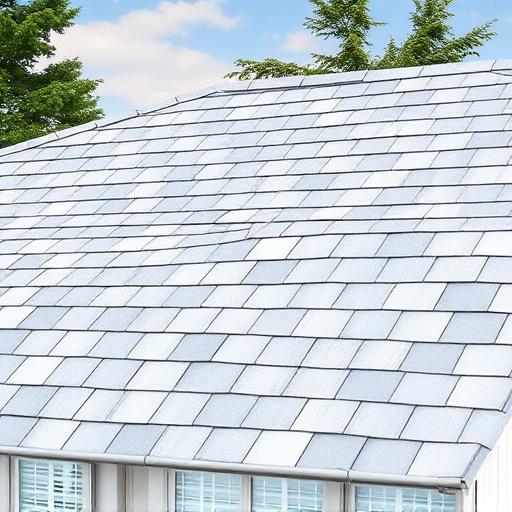
In Oro Valley, a quality shingle roof is not just about aesthetics; it's a crucial investment in your home's protection against the region's extreme climate. The desert heat, strong winds, and occasional storms demand shingles that can withstand the test of time and the elements. However, navigating the costs of roofing can be confusing, especially when considering shingle options over old roofs. This article provides a clear, authoritative guide to understanding the factors influencing shingle roof costs in Oro Valley, with a focus on practical advice for homeowners. We'll explore everything from the latest in energy-efficient shingles and local regulations to expert tips on when to replace or repair, ensuring your roof offers optimal protection and value.
- Understanding Shingle Roof Costs: A Breakdown
- Factors Influencing Shingle Replacement or Installation
- Shingles Over Old Shingles: When and Why
- Budgeting for a Shingle Roof: Tips and Best Practices
Understanding Shingle Roof Costs: A Breakdown
Understanding Shingle Roof Costs: A Breakdown
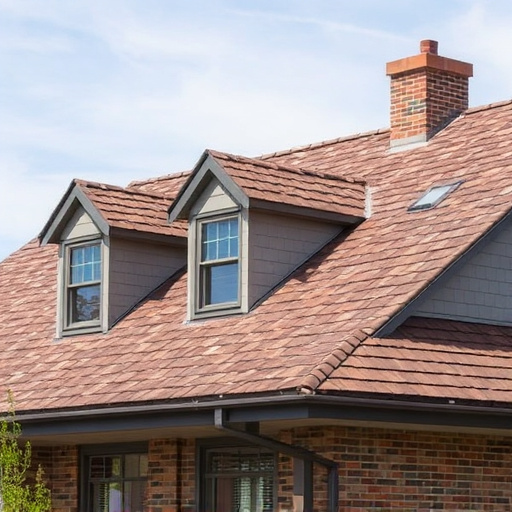
When considering a new roof or repairing an existing one in Oro Valley, one of the first questions homeowners ask is, "How much will it cost?" This isn't just a financial query; it's about understanding the factors that drive shingle roof costs. In the case of older roofs, a key consideration is what lies beneath. Using shingles over old shingles can be a cost-effective option, but it requires careful evaluation. DC Roofing of Arizona often finds that re-using the existing underlayment can save on material costs, especially in Rancho Vistoso, where many homes are older.
The type of shingles matters in pricing. Architectural shingles, known for their distinctive look and durability, tend to be more expensive than three-tab shingles, which offer a more traditional appearance. In Oro Valley's climate, where intense sun and occasional windstorms are common, choosing wind-rated shingles or impact-resistant options can increase the upfront cost but provide long-term protection. Incorporating ridge vents, for example, can enhance airflow, reducing the risk of blistering in the summer heat, and is often recommended by local roofing contractors.
Another factor is the scope of the project. Replacing a few missing or damaged shingles is a less involved process than a full roof replacement. The latter often involves removing old shingles, inspecting the underlayment for damage, and possibly addressing issues with the structure itself. In some cases, the cost can be mitigated by taking advantage of tax incentives for energy-efficient roofing, as approved by the IRS and recognized by the local building department.
Factors Influencing Shingle Replacement or Installation
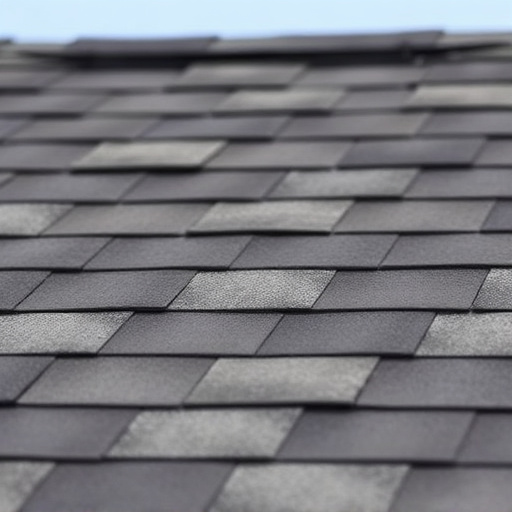
When considering whether to replace or install new shingles over old ones, Oro Valley homeowners should consider several key factors. An experienced Oro Valley roof specialist advises evaluating the condition of the existing shingles. If the old shingles are still in good shape, with minimal damage or wear, installing new shingles over them can be a cost-effective option. This method, known as reroofing, avoids the added expense of removing the old roofing material. However, if the old shingles are heavily damaged, cracked, or curled, replacement is usually the best choice.
One major factor driving shingle roof costs is the type of underlayment used. Traditional felt underlayment, while common, is more susceptible to damage from moisture and UV exposure, necessitating more frequent replacements. Synthetic underlayment, such as those made from rubber or synthetic fiber, offer superior durability and can extend the life of the roof. The added cost of synthetic underlayment is often offset by its longevity, saving money in the long run.
Another critical element is the drip edge-the flashing along the perimeter of the roof that diverts water away from the building's structure. Properly installed drip edges, either integrated into the shingles or applied separately, are essential for preventing water damage and ensuring the longevity of the roof. An Oro Valley roofing contractor can assess the condition of the drip edge and recommend repairs or replacements as needed, which can significantly impact the overall cost of the project.
Lastly, the decision to replace or install shingles over old ones depends on the local climate and building codes. Oro Valley's desert environment presents unique challenges, with extreme heat and occasional storms. Shingles should be chosen for their resistance to high temperatures and their ability to withstand strong winds and hail. The local building department, like the Oro Valley Building Department, can provide guidance on specific requirements and permit applications, which are necessary for any roofing project. Understanding these factors empowers homeowners to make informed decisions and ensure a durable, well-protected roof.
Shingles Over Old Shingles: When and Why
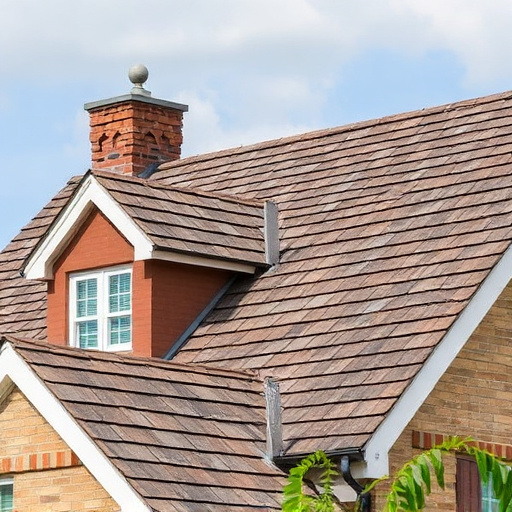
Shingles over old shingles pose a common roofing dilemma in Oro Valley's unique climate. Homeowners often wonder if they can simply lay a new layer on top of their existing shingles, saving time and cost. However, this approach is not always the best solution, and understanding the implications is crucial for maintaining a durable roof. When considering shingles over old shingles, it's essential to recognize that each roof is unique, and factors like the condition of the underlayment, the age and type of the old shingles, and local climate conditions play a significant role in the decision-making process.
In many cases, laying new shingles directly over old ones, especially if the old shingles are in good condition, can provide a temporary solution. But, over time, this practice can lead to various issues. The primary concern is thermal cycling-the expansion and contraction of materials due to temperature changes. As new shingles are applied, they can trap moisture against the old shingles, leading to increased moisture buildup. This, in turn, accelerates the aging process of the old shingles and can cause them to deteriorate faster. The fiberglass mat in older shingles might have weakened over time, making them less effective at securing the new shingles, which can result in increased granule loss and a shorter lifespan for the new layer.
A roofing contractor serving Oro Valley and Marana recommends evaluating the existing roof system holistically. If the old shingles are severely cracked, curled, or cupped, indicating significant damage, it's best to remove them entirely and start fresh. Removing the old shingles and installing new underlayment, a starter strip, and a new layer of shingles ensures a more robust and long-lasting roof. This process is particularly important in Oro Valley, where extreme heat and occasional storms can accelerate shingle degradation. By understanding the condition of the old shingles and the role of the underlayment, homeowners can make informed decisions, ensuring their roofs withstand the area's unique challenges and providing many years of protection.
Budgeting for a Shingle Roof: Tips and Best Practices
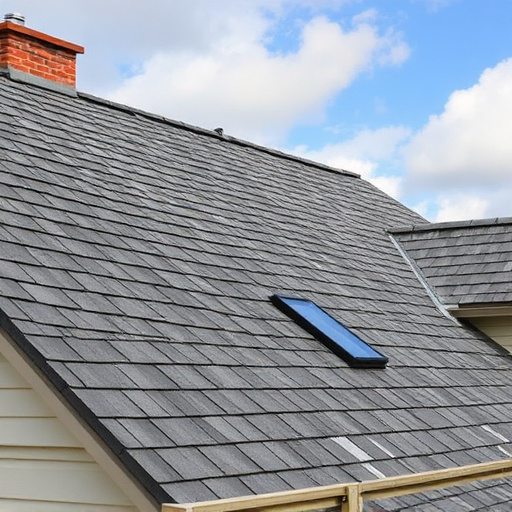
When budgeting for a new shingle roof, especially when considering shingles over old shingles, a key factor is understanding the cost drivers. While the price of shingles themselves can vary based on brand, style, and material, other significant costs involve labor, underlayment, ventilation, and local permits. A standard three tab shingle installation in Oro Valley might range from $3.50 to $5.50 per square foot, while a more sophisticated architectural shingle could cost $5 to $8 per square foot, and even more for high-end brands.
One major cost consideration is the wind rating of the shingles. In the Oro Valley and Marana area, Class H wind ratings are common, ensuring your roof can withstand sustained winds of up to 120 mph. Shingles with this rating, like those from GAF or Atlas, are designed for superior durability and come at a premium price. Also, when considering shingles over old shingles, it's crucial to assess the condition of the existing roof. In some cases, repairing and reinforcing the old roof may be a more cost-effective option than a complete replacement.
Local labor costs, which can vary based on the complexity of the job and the contractor's experience, play a significant role. The cost of underlayment, which acts as a secondary barrier against moisture and provides insulation, can add $0.50 to $2.00 per square foot to the total. For a typical roof, this could mean an additional $1,000 to $3,000. Another factor is roof ventilation, which is essential for keeping your attic cool and reducing moisture build-up. Adequate ventilation can add $1 to $5 per square foot, or up to $5,000 for a medium-sized roof.
Finally, don't overlook the cost of permits. The Oro Valley Building Department charges fees for roof replacements, which can range from $50 to $200, depending on the project's scope. A licensed Arizona roofer can guide you through these complexities and help you create a realistic budget. By understanding these cost drivers, you can make informed decisions and ensure a successful roof replacement project that fits within your financial plan.
Frequently Asked Questions About a Plain Language Look at Shingle Roof Costs and What Drives Them
What are the typical materials used for shingle roofs? Shingle roofs primarily use asphalt shingles, which are a synthetic material composed of a fiber-reinforced asphalt matrix. They come in various colors and styles, from standard three-tab to more ornate designs. In the Oro Valley area, you'll often see high-quality, durable shingles from manufacturers like GAF, Atlas, or Owens Corning, which can last 25 years or more with proper maintenance.
How do installation costs vary? Installation costs can vary based on several factors, including the size of the roof, roof complexity (e.g., peaks, valleys, and slopes), and labor rates. A smaller residential roof might cost around $3,000 to $5,000, while a larger commercial project could range from $10,000 to $20,000 or more. A licensed roofer in Oro Valley will provide a detailed estimate after assessing the property.
What role does roof pitch play in shingle costs? Roof pitch, or the angle at which the roof is sloped, significantly impacts installation costs. Steeper roofs require more skill and time to install, driving up labor costs. DC Roofing of Arizona, a local Oro Valley contractor, typically charges more for installations on roofs with pitches above 45 degrees compared to more gentle slopes.
Are there any tax incentives or rebates available for roof replacements? Homeowners in Oro Valley may be eligible for tax credits or rebates when replacing their roofs with energy-efficient options, such as those made from recycled materials or with better insulation properties. These incentives are designed to promote sustainability and can significantly offset the cost of a new roof. Check with local authorities or consult a licensed contractor for specific programs.
How often should I consider replacing my shingle roof? Shingle roofs typically last 25 to 30 years with proper care. However, factors like climate, tree debris, and frequent storms can reduce their lifespan. A regular inspection by a roof specialist can help determine if replacement is needed. In the Oro Valley climate, it's advisable to have your roof assessed every 2 to 3 years.
What are the signs that my roof needs immediate attention? Signs of immediate concern include missing or loose shingles, water stains on the interior, or noticeable sagging. These issues may indicate structural damage or leaks, requiring urgent attention from a licensed roofer. A licensed Oro Valley area roofing contractor can perform a thorough inspection and provide recommendations for repairs or replacements.
Understanding the factors that drive shingle roof costs is crucial for making informed decisions in Oro Valley. By recognizing that both new installations and shingles over old shingles have unique considerations, homeowners can better prepare for budget considerations. The article highlights that while architectural shingles may offer aesthetic advantages, three-tab shingles are often a more cost-effective choice. The lifespan of shingles in the desert heat, granule loss, curling, and cupping, as well as wind and hail ratings, significantly impact replacement needs.
When considering repairs versus replacement, a cost-benefit analysis is essential. Shingles over old shingles can be a practical solution when the existing roof is in good structural condition, saving both time and money. However, if the old shingles show signs of extensive damage, such as cracked or curled shingles after storms, it may be more beneficial to start fresh.
The article also emphasizes the importance of local building codes, energy-efficient ratings, and HOA color guidelines. Proper ventilation, impact-resistant shingles, and underlayment choices further add to the complex yet manageable picture. By following these insights and best practices, homeowners can ensure their shingle roofs provide both durability and aesthetic appeal, enhancing their Oro Valley properties' value.
Shingle roof costs in Oro Valley are influenced by several key factors. Reusing old underlayment can save on materials, but careful evaluation is crucial. The type of shingles, project scope, climate, and local building codes all play a role. Shingles over old shingles can be cost-effective but requires assessing the old shingles' condition. Labor, underlayment, ventilation, and permits add significant costs, with local labor rates varying. Understanding these factors helps homeowners make informed decisions, ensuring a successful, budget-friendly roof replacement.