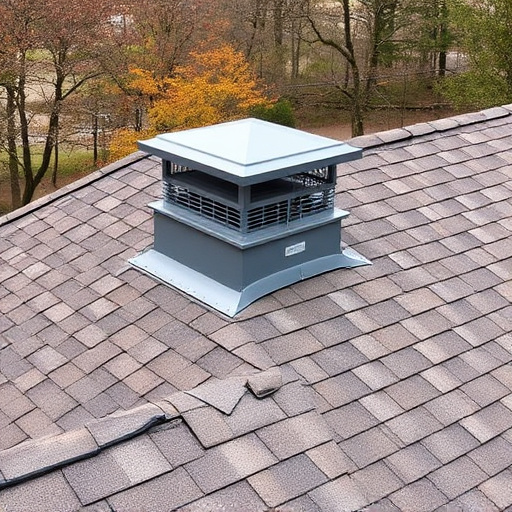
In Oro Valley, as in many desert climates, choosing the right roofing material is crucial. Asphalt shingles are a popular choice for their affordability and ease of installation, but they aren't always the best option. The challenge lies in navigating the diverse options, understanding local conditions, and knowing when to repair versus replace. This article provides a practical guide to help homeowners make informed decisions about asphalt shingles in Oro Valley, with a special focus on their suitability for low-slope roofs. We'll explore factors like lifespan, cost, local regulations, and climate considerations to ensure your roof performs well for years to come, without unnecessary expense or damage.
- Understanding Shingle Durability for Low-Slope Roofs
- Oro Valley's Climate: Ideal for Shingles or Not?
- When Shingles Are the Best Option: Local Factors
- Alternatives to Shingles on Low-Slope Roofs in Oro Valley
Understanding Shingle Durability for Low-Slope Roofs
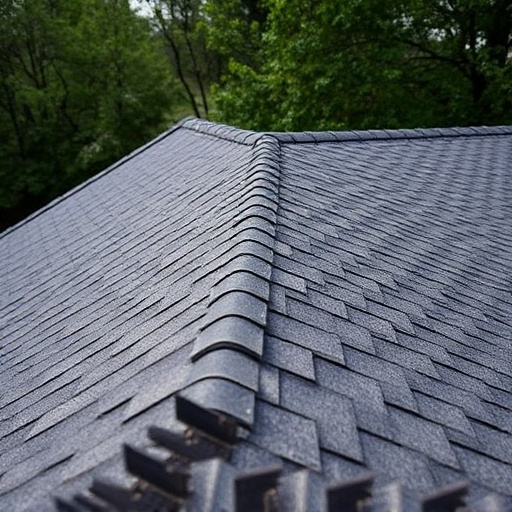
Shingles on a low slope present a unique set of considerations for homeowners in Oro Valley, where the climate and local building codes play a significant role in material selection. In this environment, understanding the durability of shingles is crucial.
Low-slope roofs, typically defined as those with a pitch of 30 degrees or less, require shingles designed to withstand specific challenges. The harsh desert conditions, including intense sunlight, high temperatures, and occasional strong winds, can accelerate the aging process of roofing materials. Shingles on such roofs must be able to resist curling, cupping, and blistering, all of which can lead to reduced performance and potential structural issues over time. Fortunately, modern asphalt shingles are engineered to meet these demands, with many brands offering Class 4 impact ratings, the highest available. A local roofing company serving Oro Valley might recommend these highly durable shingles for homes in areas like Saddlebrooke, where the need for robust protection is evident.
When considering a low-slope roof replacement, homeowners should examine the existing underlayment and structure. If the underlayment is in good condition and the roof structure is sound, repairing and replacing individual shingles may be a viable option. However, if the shingles are showing signs of granule loss, curling, or significant aging, a full roof replacement is often necessary. This is especially true for older homes where the original shingles might not have been installed with proper ventilation, leading to increased wear and tear. A roof inspection might reveal that the starter strip and edge details, crucial for wind resistance, are no longer intact, indicating the need for a full system replacement.
To the structural and climatic factors, local building codes and homeowners' associations (HOAs) can influence the choice of shingles on a low slope. Oro Valley's building department sets standards that ensure the safety and durability of roofing materials. HOAs often have design guidelines that specify acceptable colors and styles, which can impact the visual appeal and overall cost of the project. The HOA in Saddlebrooke might have specific rules regarding shingle color charts and energy-efficient ratings, encouraging the use of cool roof shingles that reflect sunlight, thereby reducing energy consumption. By understanding these factors, homeowners can make informed decisions, ensuring their low-slope roofs are both functional and aesthetically pleasing.
Oro Valley's Climate: Ideal for Shingles or Not?
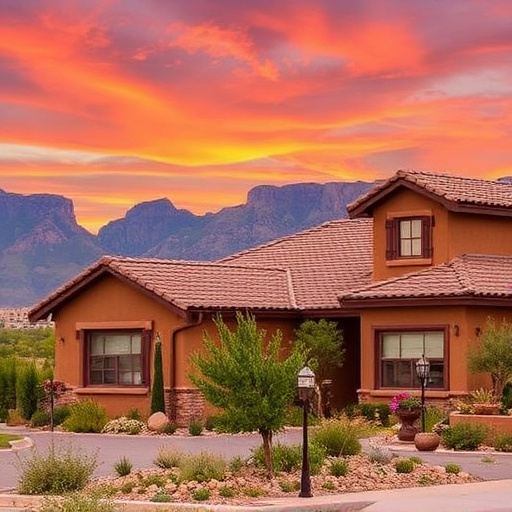
Oro Valley's unique climate presents both advantages and challenges for homeowners considering roofing options, particularly for asphalt shingles. The region's hot, dry summers and occasional winter storms create an environment that can impact the performance and longevity of shingles. Understanding these factors is crucial when deciding whether to replace, repair, or choose a different roofing material.
The climate in Oro Valley is characterized by intense sunlight and high temperatures during the summer months, which can lead to faster deterioration of shingles. Asphalt shingles, a common choice for many homeowners, are susceptible to heat-related issues like curling and cupping, especially when exposed to direct sunlight for extended periods. This problem is further exacerbated by the region's low humidity, which can cause the shingles to dry out and become brittle. In contrast, the winter brings occasional storms that may bring hail or heavy rainfall, posing risks to the integrity of the roof. The key lies in ensuring the shingles are suitable for this specific climate and installed with proper protection.
When considering shingles on a low slope in Oro Valley, it's essential to consult the local Homeowners Association (HOA) architectural guidelines, especially if you live in a community with strict design rules. Some HOAs may have preferences or restrictions on the type and color of shingles used, which could influence your decision. Dark-colored shingles can absorb more heat, potentially leading to increased cooling costs, so a licensed Arizona roofer might suggest lighter alternatives that better suit the climate. Incorporating an ice and water shield underlayment or a fiberglass mat can provide extra protection against water damage during storms, extending the lifespan of your shingles.
When Shingles Are the Best Option: Local Factors
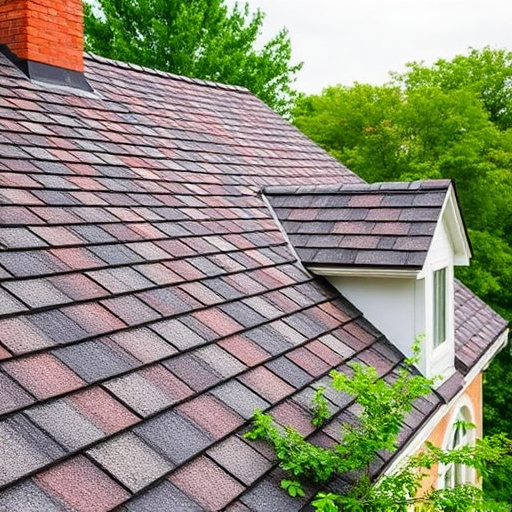
In Oro Valley, Arizona, the climate matters in choosing the right roofing material. With its hot, dry summers and occasional winter storms, the local environment presents unique challenges and opportunities for homeowners considering shingles. For shingles on a low slope, the decision is not just about aesthetics; it's a strategic choice influenced by several local factors.
In areas like Rancho Vistoso, where homes are often built with lower roof slopes, asphalt shingles are a popular and practical choice. They offer a cost-effective solution with a reasonable lifespan, making them an excellent option for homeowners on a budget. With the availability of synthetic underlayment, the need for extra protection against moisture and wind damage is addressed, further extending the life of the shingles. The ENERGY STAR rating system for shingles is another advantage, as it helps in selecting products that reflect sunlight, keeping homes cooler and reducing energy costs.
However, not all roofs are created equal. For steeper slopes, other materials like tile might be more suitable. This is where a roofer with an Arizona ROC license comes in, offering expert advice tailored to the specific needs of Oro Valley's diverse architectural landscape. The local building codes, as enforced by the Oro Valley Building Department, also dictate what roofing materials can be used, especially in older neighborhoods. It's crucial to understand these codes to ensure compliance and avoid unnecessary repairs or replacements.
When deciding between repair and replacement, a thorough assessment is key. Factors like shingle granule loss, curling, or cupping can indicate the need for a new roof. After storms, it's not uncommon to see cracked shingles. Regular inspections, guided by local regulations and industry best practices, can help in making informed decisions. Checking the ridge caps and valleys for proper installation and ventilation can prevent issues down the line, ensuring the shingles perform optimally in the desert heat.
Alternatives to Shingles on Low-Slope Roofs in Oro Valley
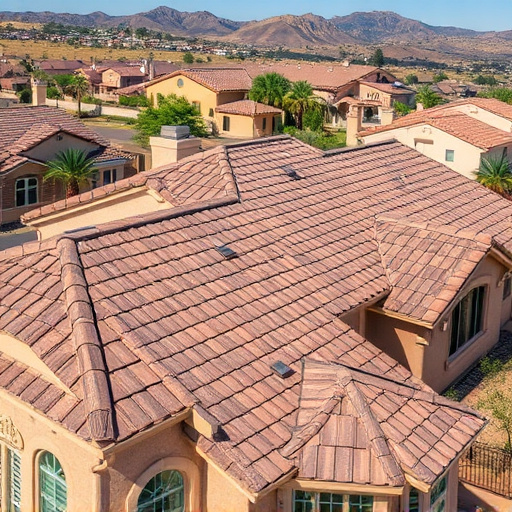
In Oro Valley, the decision to install or replace shingles on a low-slope roof involves considering several factors beyond the typical concerns for pitched roofs. While asphalt shingles remain a popular choice for their affordability and ease of installation, the local climate presents unique challenges. With intense UV exposure and desert heat, traditional shingles can face accelerated degradation, granule loss, and even curling or cupping over time. This is particularly true for lower-sloped roofs, which receive less wind protection and may not ventilate as effectively.
When assessing a low-slope roof, a roofer with an Arizona ROC license will often recommend an ENERGY STAR-rated product. These shingles are designed to reflect more sunlight, reducing the heat absorbed by the roof and, consequently, lowering cooling costs. They also tend to have better overall performance in extreme conditions, offering improved resistance to UV damage and longer lifespans. Shingles with a high-quality, reflective coating can significantly decrease a home's energy usage during the summer months, making them a practical alternative to standard asphalt shingles in Oro Valley's climate.
In some cases, instead of replacing the shingles, a repair and reinforcement approach can be more cost-effective and environmentally friendly. This may involve repairing damaged areas, adding underlayment for better protection, or installing ridge caps to protect the edges of the roof. For low-slope roofs with a few missing or damaged shingles, this approach can extend the life of the existing roofing material. It's a smart solution that avoids unnecessary waste and the associated costs of a complete replacement.
The decision between replacing or repairing shingles on a low-slope roof in Oro Valley should consider the roof's age, local climate, expected lifespan, and budget. Consulting with a local roofing contractor who understands the region's specific challenges is key to making the best choice. They can provide expert advice tailored to each individual property, ensuring a safe, efficient, and sustainable roofing solution.
Frequently Asked Questions About an explainer on when shingles make sense in Oro Valley and when they do not
What are shingles, and why would I consider them for my Oro Valley roof?
Shingles are a common roofing material known for their durability and wide range of aesthetic options. In Oro Valley, they make sense when you're looking for a long-lasting, low-maintenance roofing solution. The region's sunny climate, with its high UV exposure, requires materials that can withstand the elements. Shingles, often made from asphalt, are designed to resist heat and degradation, making them a suitable choice for this desert environment. They also offer a variety of colors and textures, allowing you to personalize your home's exterior.
When is it appropriate to use shingles in Oro Valley?
Shingles are ideal for residential and light commercial properties in Oro Valley, especially when:
- You're building a new home and want a classic, versatile look.
- You're looking for a cost-effective, long-term roofing solution.
- Your roof design is suitable for the weight and installation requirements of shingles.
- Local building codes permit their use.
What are the advantages of shingles for an Oro Valley roof?
Shingles offer several benefits for homeowners in Oro Valley:
- Durability: They are designed to withstand extreme temperatures, wind, and rain, making them a reliable choice for the region's harsh climate.
- Low Maintenance: Shingles require minimal upkeep, only occasional cleaning and repairs.
- Aesthetics: With various colors, textures, and styles available, shingles can enhance the curb appeal of your home.
- Affordability: They are a cost-effective roofing option, making them accessible to many homeowners.
Are there any disadvantages to using shingles in Oro Valley?
While shingles have many advantages, they also have some drawbacks:
- Limited Lifespan: Shingles typically last 25-30 years, requiring eventual replacement.
- Not Fireproof: Although fire-resistant, shingles are not entirely fireproof, and proper installation is crucial.
- Noise Sensitivity: Shingles can be noisy during storms or when walking on the roof.
- Weight Consideration: Heavier shingles may require additional structural support.
How do I know if shingles are the right choice for my Oro Valley roof repair?
Consulting a licensed Oro Valley area roofing contractor like DC Roofing of Arizona is essential. They can assess your roof's condition, your budget, and your aesthetic preferences to determine if shingles are the best option. They'll also ensure proper installation, crucial for the longevity of your new shingles.
What should I do if my Oro Valley shingles are showing signs of damage?
If you notice any cracks, curls, missing shingles, or other damage, contact a roofing professional immediately. Prompt repair can prevent more serious damage and costly repairs down the road.
In Oro Valley, asphalt shingles remain a popular roofing choice, especially for low-slope roofs, due to their durability and affordability. The region's desert climate, characterized by intense sunlight and moderate winds, demands roofing materials that can withstand these conditions. Shingles, with their protective layer and flexible nature, are well-suited to protect against UV degradation and wind damage.
However, not all low-slope roofs in Oro Valley require or benefit from shingles. When a roof has had multiple repairs, is over 20 years old, or has significant granule loss, other options like tiles might be more durable and cost-effective in the long term. Homeowners considering a more environmentally friendly approach could look into cool roof shingles, which reflect sunlight and reduce energy consumption, aligning with local energy-efficient roofing incentives.
The decision to install or replace shingles on a low slope involves a cost-benefit analysis, factoring in the roof's condition, local climate, and community guidelines. Understanding these factors allows Oro Valley residents to make informed choices, ensuring their roofs provide reliable protection for years to come.
In Oro Valley, Arizona, shingles on low-slope roofs require careful consideration. The harsh climate, including intense sun and heat, accelerates shingle aging, making durability crucial. Modern asphalt shingles with Class 4 impact ratings are recommended, especially in areas like Saddlebrooke. Regular inspections are vital; repair may be feasible if shingles show signs of aging, while a full replacement is often necessary for older homes with poor ventilation. Local building codes and HOA guidelines also influence choices, with some HOAs mandating specific shingle colors and energy-efficient ratings. Consulting a licensed roofer with an Arizona ROC license ensures expert advice tailored to Oro Valley's diverse roofing needs.