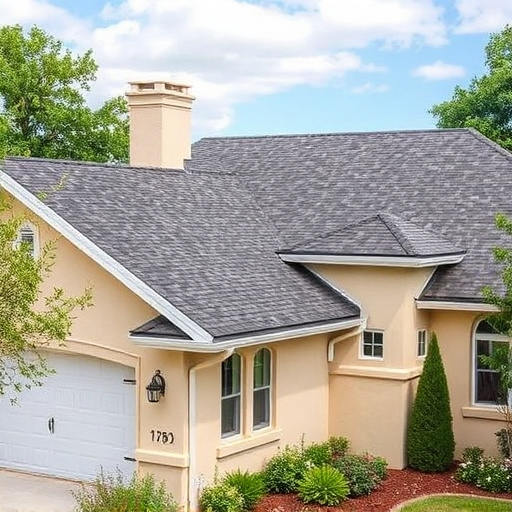
In the scorching desert heat of Oro Valley, choosing the right asphalt shingles for your home is crucial. The harsh climate can accelerate shingle wear and tear, leading to costly repairs or premature replacement. Shingles exposed to intense sunlight and high temperatures may suffer granule loss, curling, or even blistering, compromising their effectiveness as a weather barrier. On top of these challenges, homeowners face the added complexity of navigating local building codes and Homeowners Association (HOA) design guidelines, especially for shingle color. This article provides expert advice on selecting shingle colors that both withstand the desert heat and comply with HOA rules, ensuring your roof remains in top condition and your home stays protected. Let's examine the key factors and best practices for making the right choice.
- Understanding Desert Heat Impacts on Shingles
- Navigating HOA Rules for Shingle Color Choices
- Shingle Cut Valleys: Design for Cooling in Mind
- Local Experts Share Best Shingle Practices in Oro Valley
Understanding Desert Heat Impacts on Shingles
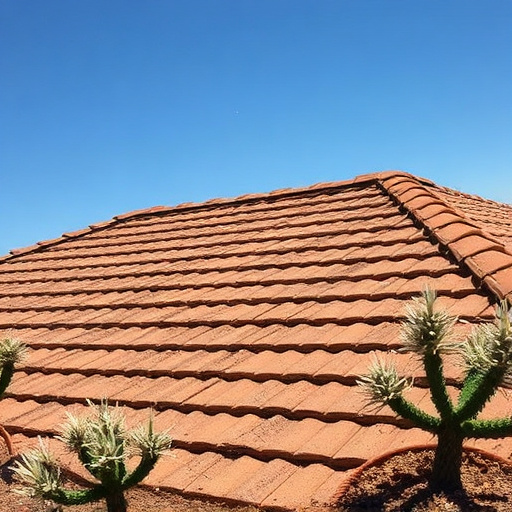
The harsh desert climate in Oro Valley presents unique challenges for homeowners for choosing the right roofing materials, particularly asphalt shingles. High temperatures, intense sunlight, and dry conditions can accelerate the aging process of shingles, leading to issues like granule loss, curling, and cupping. This is particularly true for traditional three-tab shingles, which are more susceptible to these effects. A local roofing company serving Oro Valley has observed that, on average, desert-rated shingles, like those from GAF and Atlas, last 20-30% longer than standard asphalt shingles under these conditions.
Shingle cut valleys, a design element that allows for better water flow and air ventilation, are crucial in managing these environmental stresses. Proper ventilation helps regulate roof temperatures, reducing the risk of blistering in the summer heat. This is an essential consideration when navigating HOA rules, as many Oro Valley associations have strict guidelines on roof aesthetics and functionality. The Southern Arizona Homeowners Association (SAHOA) requires roof materials to be cool-rated, meaning they reflect sunlight effectively to keep homes cool. This often aligns with choosing light-colored shingles, which can help mitigate the heat-related issues mentioned above.
When selecting a color, homeowners should also factor in the local climate patterns and the expected lifespan of the shingles. However, this benefit is not solely dependent on color; the overall reflectivity of the shingle, determined by its composition and manufacturing process, plays a significant role. Some manufacturers offer product lines designed to meet specific climate requirements, ensuring a longer lifespan in desert environments. Homeowners can also consider the cost-benefit analysis of replacing a few damaged shingles versus the entire roof, especially when navigating HOA rules and tax incentives for energy-efficient roofing, as recognized by the IRS.
Navigating HOA Rules for Shingle Color Choices
Navigating HOA Rules for Shingle Color Choices
Choosing shingle colors for your Oro Valley home isn't just about aesthetics; it's a delicate balance between personal preference and community guidelines. Homeowners associations (HOAs) in Oro Valley often have specific design guidelines that dictate what colors and styles of shingles are permissible. A licensed Oro Valley area roofing contractor often finds themselves guiding clients through this process, ensuring compliance without compromising the home's curb appeal.
When considering shingle colors, it's crucial to understand your HOA's rules. Many HOAs in the area require three tab shingles, known for their low cost and simple appearance, due to their consistent, flat surface. However, if you're aiming for a more modern look, architectural shingles offer a textured appearance that can mimic tile roofs, a popular choice for the region's foothills. In such cases, it's important to check the HOA's design guidelines; some may permit architectural shingles, while others might restrict them to maintain a uniform aesthetic.
Shingle cut valleys, a design element that adds depth and visual interest, should also be considered within the context of HOA rules. While many homeowners appreciate the aesthetic benefits, certain HOAs might have restrictions on such details. An HOA with a traditional, conservative design guide might discourage intricate cut valleys to preserve the neighborhood's overall look. It's essential to review the HOA's rules on both general shingle types and specific design elements like cut valleys to ensure your choices align with community expectations.
Granules, the small aggregates embedded in shingles, play a vital role in protecting your roof from the intense desert heat. Dark-colored granules absorb less light, helping to keep your home cooler. However, lighter-colored shingles with reflective granules can enhance energy efficiency, reducing the need for air conditioning. When selecting a color, consider both the visual appeal and the practical benefits for your Oro Valley home. A careful balance between aesthetics and functionality, guided by HOA rules, will result in a roof that not only enhances your home's appearance but also stands the test of the region's extreme climate.
Shingle Cut Valleys: Design for Cooling in Mind
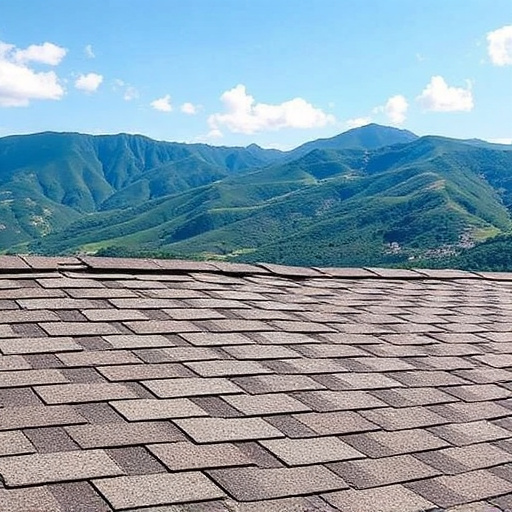
Shingle cut valleys, strategically placed, can significantly improve the performance and longevity of a roof in the desert climate of Oro Valley. These valleys, or cutouts in the shingle course, allow for better airflow, which is crucial for heat dissipation. In extreme summer temperatures, this simple design feature can prevent excessive heat build-up on the roof surface, thereby reducing the overall temperature of the home below.
When considering the design of your Oro Valley roof, remember that the HOA architectural review process plays a significant role. While the primary focus of this review is to ensure compliance with community design guidelines, it's an opportunity to showcase innovative and efficient building practices. A local roofing company serving Oro Valley with experience in navigating HOA rules can guide you in selecting a shingle cut valley design that meets both your aesthetic preferences and cooling needs, while also adhering to the HOA's requirements.
A key consideration for optimal cooling is the choice of underlayment. Synthetic underlayments, for example, offer superior wind resistance and a secondary barrier against moisture, making them a popular choice for desert environments. In conjunction with a ridge vent, which allows hot air to escape from the roof cavity, these components work together to enhance ventilation and further mitigate the effects of heat. By strategically incorporating these features, you can ensure a more comfortable home and reduce the risk of damage from excessive heat.
To the practical benefits, shingle cut valleys can also contribute to the overall curb appeal of your home. With careful planning and consultation with your roofing contractor, you can design valleys that complement your home's architectural style while enhancing its energy efficiency. This dual benefit, combining form and function, is a sign of the importance of considering even the smallest design details when selecting roofing materials in Oro Valley's unique climate.
Local Experts Share Best Shingle Practices in Oro Valley
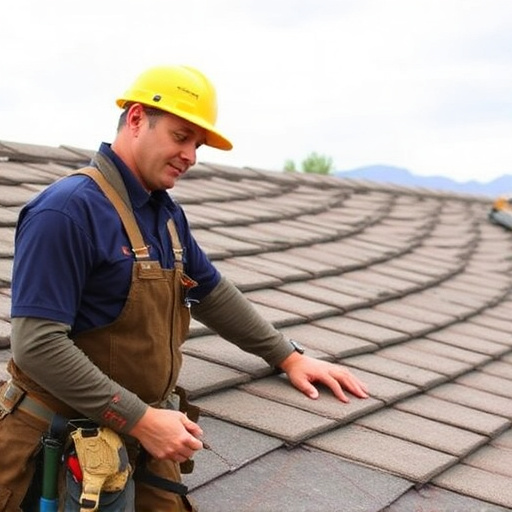
In Oro Valley, choosing the right asphalt shingles goes beyond aesthetics; it's a strategic decision that considers both the scorching desert heat and local Homeowners Association (HOA) rules. Local roofing experts, like those at DC Roofing of Arizona, a licensed Oro Valley area roofing contractor, emphasize the importance of selecting shingles that can withstand these unique environmental challenges. One of the first steps in this process is understanding the demanding local climate. Oro Valley experiences intense summer heat, which can cause rapid deterioration of inferior shingles. According to the NOAA, the region's climate is characterized by high temperatures and low humidity, creating ideal conditions for accelerated shingle granule loss and curling or cupping.
When making a selection, homeowners should look for shingles that offer superior wind resistance and impact ratings. Class H wind ratings are recommended for Oro Valley installations, ensuring that the shingles can withstand the powerful winds common in the area. A practical example from local contractors: in neighborhoods like Saddlebrooke, where homes are typically on slopes and surrounded by natural beauty, using impact-resistant shingles is crucial. These shingles have been tested to resist the impact of falling debris during storms, a common occurrence in such environments.
HOA rules further complicate the decision. Many Oro Valley HOAs have strict guidelines on shingle colors and styles, often favoring traditional, neutral tones. However, homeowners can still incorporate their preferred aesthetics while adhering to these rules. A licensed Arizona roofer might suggest using a deep, rich brown or a subtle gray, which offer better heat resistance compared to lighter shades while staying within the HOA's color palette. When replacing just a few shingles, it's more cost-effective to match the existing shingle style and color rather than starting fresh. The key lies in balancing functionality and personal style, ensuring the chosen shingles meet both the climate's demands and the HOA's design standards.
Shingle cut valleys, a common roofing technique, are particularly important in Oro Valley's climate. This method involves cutting a groove into the shingles to allow better ventilation, which helps mitigate the blistering heat that can cause premature shingle degradation. Local roofing contractors recommend this practice for all new installations, especially when using shingles that may not inherently have the best heat resistance. By understanding these nuanced considerations, homeowners can make informed decisions, ensuring their Oro Valley roofs not only look great but also stand the test of time in the desert heat.
Frequently Asked Questions About advice on choosing shingle colors that handle desert heat and HOA rules
What are the best shingle colors for a hot desert climate?
In a desert environment, dark-colored shingles absorb more heat, increasing the roof temperature. For cooler comfort, opt for lighter shades like white, light gray, or cream. Reflectivity is key to keeping your home's roof temperature lower, reducing cooling costs, and preventing excess wear on your roofing material. DC Roofing of Arizona recommends considering the overall aesthetic while prioritizing reflective materials.
How do I choose shingle colors that comply with HOA rules?
Before selecting any color, review your Homeowners Association (HOA) guidelines. Many HOAs have specific color requirements, especially for common exterior features like roofs. Stay within the approved color palette and consult with your HOA board if you're unsure. Remember, adhering to HOA rules ensures you avoid costly fines and maintains the overall look and value of your community.
Do desert-rated shingles cost more?
While some desert-rated or reflective shingles may have a higher upfront cost, they often provide long-term savings. High-reflectivity materials can significantly reduce cooling costs, offsetting the initial investment over time. Plus, these shingles tend to last longer in the harsh desert climate.
What role does the roof's slope play in shingle selection?
The slope of your roof plays a crucial role in shingle choice. Steeper slopes allow for better water runoff and faster drying, which is essential in desert regions. Shingles designed for sloped roofs are often more durable and better equipped to handle strong winds and intense sunlight.
Are there any local building codes I should consider?
Absolutely. Beyond HOA rules and desert-readiness, familiarize yourself with local building codes. These codes dictate minimum requirements for roofing materials, including color, texture, and safety features. Checking in with your local building department ensures your shingle selection complies with all necessary regulations.
Choosing the right shingle colors for your Oro Valley roof involves a strategic approach to combat the harsh desert heat while adhering to local HOA rules. By understanding the impact of heat on shingles and navigating HOA guidelines, homeowners can ensure their roofs remain durable and aesthetically pleasing. One practical solution highlighted in the article is the strategic use of shingle cut valleys, designed to promote better air flow and cool the roof surface. This simple yet effective technique not only enhances the overall performance of the roof but also contributes to energy efficiency.
Local roofing experts emphasize the importance of selecting heat-resistant shingles and considering the unique climate of Oro Valley. Homeowners should be aware of the potential for dark shingles to absorb heat, which can lead to increased energy costs. A balanced approach is recommended, considering light-colored shingles that reflect heat and minimize the risk of granule loss due to excessive UV exposure.
The key takeaways are clear: choose desert-rated shingles, comply with HOA color guidelines, and incorporate cooling strategies like shingle cut valleys for a roof that performs well in the Oro Valley environment. These practices, backed by local expertise and knowledge of climate patterns, ensure a roof that not only meets but exceeds expectations.
In Oro Valley's harsh desert climate, choosing the right asphalt shingles requires balancing heat resistance, local HOA rules, and personal aesthetics. Shingle cut valleys, strategically placed, enhance ventilation, reducing heat build-up. Homeowners should consider:
- Climate: High temperatures, low humidity accelerate shingle deterioration. Class H wind ratings and Class 4 impact ratings are recommended.
- HOA Rules: Many Oro Valley HOAs have strict guidelines on shingle colors and styles. Neutral tones often align with rules and offer better heat resistance.
- Ventilation: Shingle cut valleys improve airflow, preventing blistering and premature shingle degradation.
By understanding these factors, homeowners can make informed decisions, ensuring their roofs withstand the desert heat and meet HOA requirements.