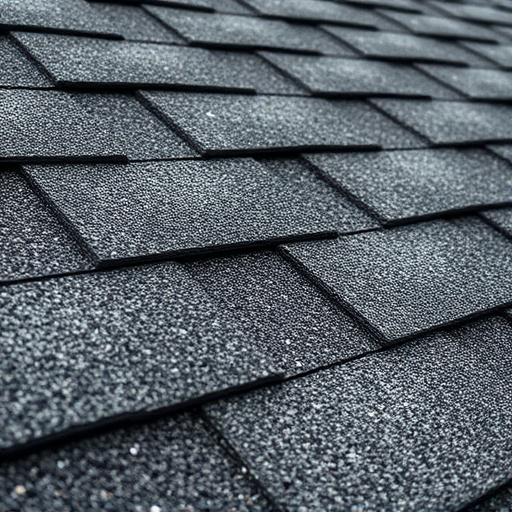
Shingle repairs are a crucial aspect of maintaining your Oro Valley home's integrity and curb appeal. With the region's unique desert climate, shingles face challenges like granule loss, curling, and cupping, often leading to costly replacements. However, before discarding your roof, consider that repairing, not replacing, can be a viable option, especially when dealing with older roofs. This guide navigates the process from identifying issues like lifted tabs and granule loss to understanding the benefits of repairing over old shingles. We'll examine best practices, material choices, and local regulations, empowering you to make informed decisions about your Oro Valley roofing.
- Assessing Shingle Damage: Lifted Tabs to Granule Loss
- Preparing for Shingle Repairs: Safety and Materials
- Shingle Replacement: Techniques for Overlapping Old Shingles
- Maintaining Shingle Integrity: Post-Repair Care and Prevention
Assessing Shingle Damage: Lifted Tabs to Granule Loss
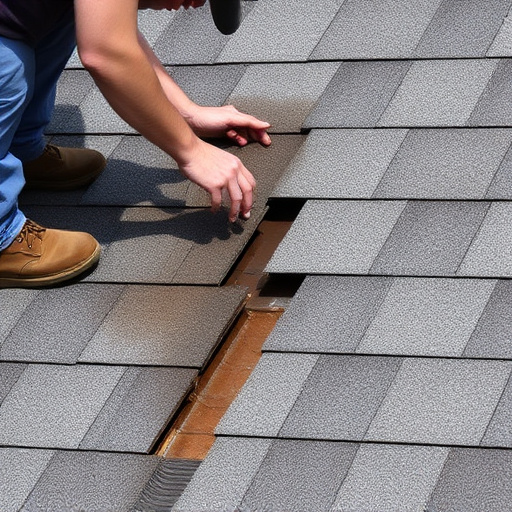
Assessing Shingle Damage: From Lifted Tabs to Granule Loss
The first step in any roof repair, especially when dealing with asphalt shingles, is to accurately identify the type and extent of the damage. This is particularly crucial when dealing with older roofs, as shingles over old shingles can present unique challenges. One common issue to look for is lifted tabs, where the individual shingles' tabs (the hook-like protrusions) have separated from the rest of the shingle. This can occur due to wind damage, heat, or simply aging. Intense desert heat can cause shingles to weaken and lift, exposing the underlayment. In Oro Valley, where varying weather patterns can be severe, these issues are not uncommon.
Another significant concern is granule loss. Granules, the small, dark particles that cover asphalt shingles, protect them from UV damage and water penetration. Over time, these granules can wash away, exposing the more susceptible asphalt beneath. Shingle manufacturers typically specify a granule loss threshold beyond which a roof may need replacing. A cool roof treatment, designed to reflect sunlight and reduce heat absorption, may accelerate granule loss in hot climates. Homeowners should be aware that an HOA architectural review may be necessary if significant granule loss is suspected, as certain color and style restrictions might apply.
When assessing a roof, an experienced Oro Valley roof specialist might also look for curling or cupping shingles, which can indicate structural issues or poor installation. Wind-rated shingles, on the other hand, are designed to withstand specific wind speeds, and their performance should be considered in areas prone to strong winds. Checking for nail pops, where nails have lifted out of the shingles, and ensuring the underlayment is in good condition are essential parts of a comprehensive roof inspection.
Preparing for Shingle Repairs: Safety and Materials
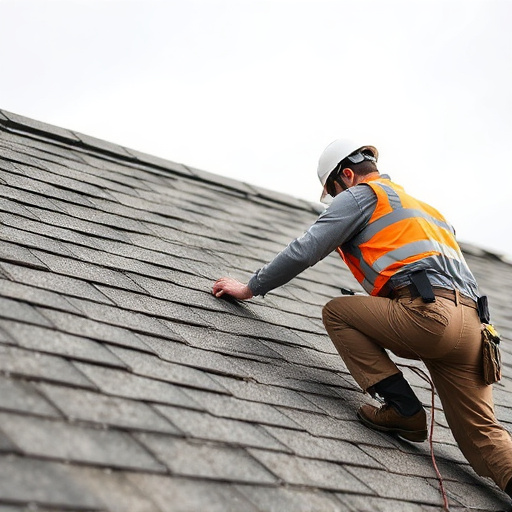
Preparing for Shingle Repairs: Safety and Materials
Before tackling any shingle repair, ensuring safety and using the right materials is paramount. In the hot, arid climate of Oro Valley, proper preparation is crucial for both the longevity and performance of your roof. When repairing over old shingles, inspect the existing roof thoroughly. Look for signs of curling, cupping, or lifted tabs, which can indicate significant issues. Also, be aware of granule loss, a common problem in this region due to the intense sun and wind.
When repairing or replacing shingles, always wear appropriate personal protective equipment (PPE), including safety glasses, gloves, and a long-sleeved shirt. This is especially important when dealing with older roofs, as the underlayment may be deteriorating. For areas with a Class 4 impact rating, like Rancho Vistoso, consider using impact-resistant shingles to better protect against severe weather events.
When selecting materials, use high-quality shingles from reputable manufacturers. Consider incorporating an ice and water shield under the shingles, especially in areas prone to heavy rain or hail. This additional layer provides an extra barrier against water intrusion, a common cause of roof damage. When repairing and replacing shingles over old shingles, make sure to clean the roof thoroughly to ensure proper adhesion. A licensed Oro Valley area roofing contractor often recommends this step to prevent future problems.
Remember, proper preparation is key to a successful shingle repair job. Always assess the condition of your roof and choose materials that align with your specific needs and local conditions, such as the area's impact rating and climate patterns.
Shingle Replacement: Techniques for Overlapping Old Shingles
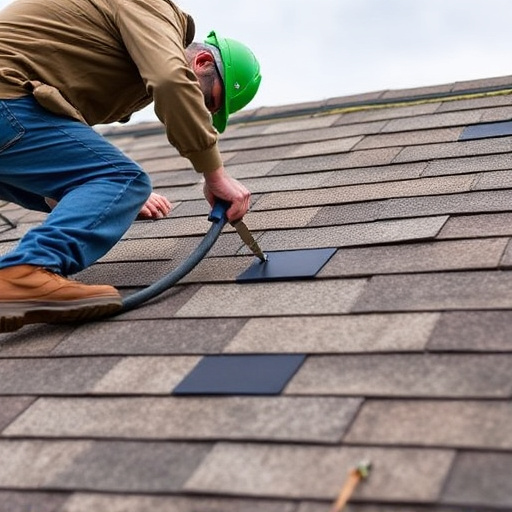
When repairing or replacing shingles over old shingles in Oro Valley, a key consideration is the condition of the existing roof. Shingles over old shingles can be a cost-effective solution, but it requires careful planning and execution. One of the primary challenges is ensuring that the old shingles are in good shape. If they're curled, cupped, or severely damaged, it's best to remove them and start fresh. This is especially true in the desert climate of Oro Valley, where asphalt shingles can be subject to blistering in the summer heat, leading to granule loss and reduced solar reflectance.
A roofing contractor serving Oro Valley and Marana recommends a systematic approach. Begin by checking the entire roof for lifted tabs, nail pops, and cracks, common issues after storms. If the old shingles are in decent condition, a technique called "overlapping" can be employed. This involves laying new shingles directly over the old, aligning them so the underlayment is hidden. Overlapping is suitable for architectural or three-tab shingles, depending on the existing style and the manufacturer's recommendations. GAF and Atlas, popular desert-rated shingle brands, often provide guidelines on shingle overlap for optimal performance.
When choosing a method, consider the roof's slope, the local climate, and the type of shingles. For low-slope roofs, proper ventilation is crucial, as it reduces the risk of blistering and improves the overall lifespan of the shingles. The drip edge-the flashing at the roof's edge-should be intact and sealed to prevent water intrusion. Regular maintenance, including cleaning to remove algae and stains, and re-nailing loose shingles, can extend the life of your roof, saving you from the high cost of replacing an entire roof system.
Maintaining Shingle Integrity: Post-Repair Care and Prevention
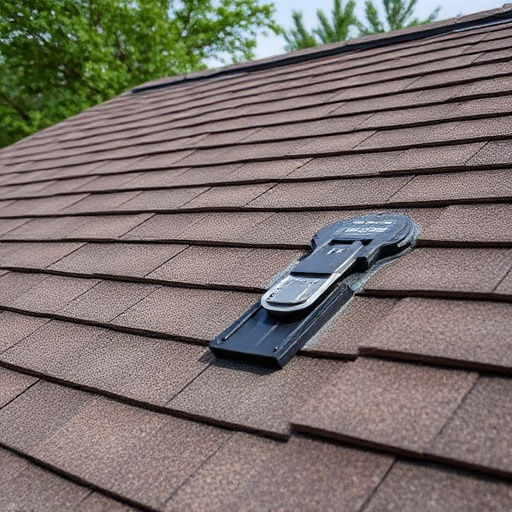
Maintaining the integrity of your shingle roof after repairs is crucial to ensure its longevity, especially in Oro Valley's unique climate. When repairing shingles, whether due to lifted tabs, granule loss, or other issues, it's essential to consider the long-term health of your roof. One of the key aspects is understanding the impact of solar reflectance and UV exposure, which can accelerate shingle deterioration. Shingles exposed to intense desert sunlight may degrade faster, so choosing a high-quality, UV-resistant shingle is essential.
After repairing and installing new shingles, over old shingles is often a preferred method for many homeowners. This approach offers several advantages, including a seamless finish and the potential for extended roof life. However, it requires careful consideration. Using a roofer with an Arizona ROC license, ensure the old shingles are thoroughly cleaned and prepared to achieve a strong bond. The surface should be free from debris, algae, and stains, as these can compromise the adhesion and durability of the new shingles. Proper ventilation is crucial; inadequate ventilation can lead to blistering and other issues under extreme summer temperatures.
Regular maintenance matters in preventing future repairs. Inspect your roof for any signs of damage, such as cracked or curled shingles, nail pops, or granule loss, after severe storms. Addressing these issues promptly can prevent more extensive damage. The local building codes and guidelines, like those from the Oro Valley Building Department and the Southern Arizona Homeowners Association (SAHOA), offer valuable insights into roofing best practices. The SAHOA provides design guidelines that promote energy-efficient roofing, including cool roof ratings, which can help reduce UV damage and lower cooling costs. Incorporating these practices into your post-repair care routine will contribute to a durable, aesthetically pleasing, and functional roof for years to come.
Frequently Asked Questions About a Guide to Shingle Repairs, from Lifted Tabs to Granule Loss
What are the most common causes of lifted shingles? Shingles often lift due to inadequate sealing around vents, poor flashing installation, or extreme weather conditions like high winds or heavy snowfall. These issues can create gaps that allow moisture to penetrate, leading to a lifting of the shingles. Regular inspection and proper sealing can prevent these problems.
How can I tell if my shingles have granule loss? Granule loss occurs when the protective granules on the surface of shingles wear off over time. You can inspect your shingles for granule loss by combing them with your fingers or using a magnifying glass. If you notice bare spots or a significant reduction in granule coverage, it's a sign of potential damage and should be addressed by a professional.
What is the best way to fix a lifted shingle tab? To repair a lifted shingle tab, start by removing any debris or causes of uplift. Then, apply a high-quality roofing sealant around the vent or flashing, ensuring a tight seal. If the tab is severely damaged, consider replacing the entire shingle to maintain the integrity of the roof.
How do I prevent granule loss in the first place? Regular maintenance and proper installation are key. Ensure your roof is properly flashed and sealed to protect against moisture intrusion. Use high-quality shingles that are suitable for your climate. Regular cleaning and inspection can also help, as debris buildup can accelerate granule wear.
Should I replace entire shingles or just the damaged parts? Replacing individual damaged shingles is often the most cost-effective option. However, if multiple shingles are affected or the damage is widespread, it might be more practical to replace the entire roof to ensure even protection and extend the life of the roof. Always consult with a licensed roofer for personalized advice.
A thorough understanding of shingle repairs in Oro Valley, from lifted tabs to granule loss, empowers homeowners and contractors alike. Key takeaways include the importance of safety protocols and proper materials for effective repairs. When replacing shingles over old shingles, employing overlapping techniques ensures a durable and aesthetically pleasing finish. Regular post-repair care, with special attention to ventilation and color guidelines (as set by the Southern Arizona Homeowners Association), helps maintain shingle integrity. By following these practices, residents can extend the lifespan of their roofs, ensuring protection against the region's unique desert climate and potential storm damage. This guide, grounded in local building codes and industry best practices, provides a solid foundation for addressing a wide range of shingle issues, from minor granule loss to significant structural damage.
Shingle Repairs in Oro Valley: A Practical guide
- Assessing Damage: Inspect for lifted tabs, granule loss, curling/cupping shingles, and nail pops. Address issues like intense heat-related weakening and UV damage, especially with older roofs.
- Safe & Right Materials: Prioritize safety when repairing; use appropriate PPE. Select high-quality, impact-resistant shingles for areas with severe weather. Add an ice and water shield for better protection.
- Shingles Over Old Shingles: This method can save costs, but requires careful preparation. Ensure old shingles are in good condition; consider "overlapping" techniques for architectural or three-tab shingles.
- Maintain Longevity: Regularly inspect roofs after repairs for damage. Maintain proper ventilation and address algae/stains. Follow local codes (e.g., SAHOA guidelines) for energy-efficient practices.