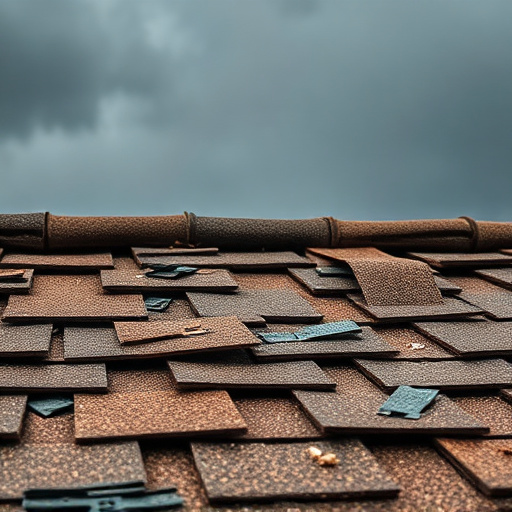
Choosing the right shingle colors for your Oro Valley home isn't just about aesthetics; it's a crucial step in protecting your investment and ensuring your roof stands up to the region's punishing desert heat. With temperatures regularly topping 100F, the right shingles can prevent granule loss, curling, and cupping, issues that can lead to costly shingle blow off repairs. Homeowners Associations (HOAs) in Oro Valley often have strict guidelines on color and style, potentially adding another layer of complexity.
This article provides expert advice on navigating these challenges. We'll examine:
- Shingle lifespan in extreme conditions
- The impact of light vs. Dark colors on heat absorption
- Understanding HOA rules and regulations
- Practical steps for choosing and installing durable, approved shingles
By the end, you'll be equipped to make informed decisions, ensuring your roof not only looks great but also performs optimally in Oro Valley's unique climate.
- Understanding Desert Heat's Impact on Shingles
- Researching HOA Rules for Shingle Color Choices
- Natural Shingle Blow-Off Repair Techniques
- Long-Term Shingle Performance in Arid Climates
Understanding Desert Heat's Impact on Shingles
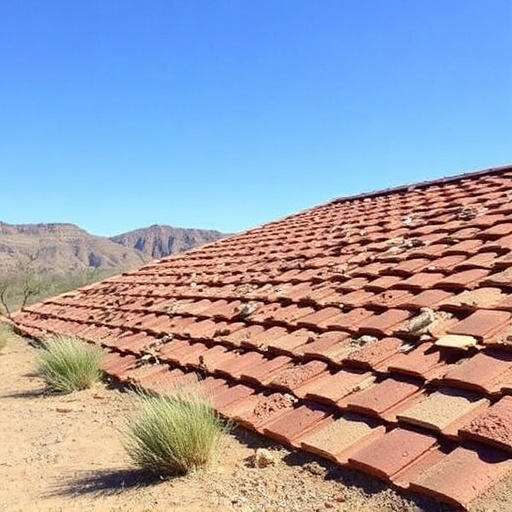
Desert heat poses unique challenges for shingles, accelerating wear and tear compared to cooler climates. The intense UV exposure in Oro Valley can cause granule loss, where the protective layers on shingles start to dislodge. This not only diminishes their aesthetic appeal but also weakens the shingle, making them more susceptible to curling, cupping, and even blowing off in strong winds, requiring a costly shingle blow off repair. Architectural shingles, known for their enhanced durability and complex design, can better withstand these effects due to their thicker and more flexible nature.
When selecting a color, lighter shades reflect sunlight better, helping to mitigate the heat absorption that contributes to these issues. Dark colors, on the other hand, can absorb heat, potentially accelerating the overall deterioration of the shingles. Shingle manufacturers often provide color charts to help homeowners visualize the effects of UV exposure on their chosen shades. DC Roofing of Arizona, a local expert, emphasizes the importance of these charts in making informed decisions, especially under Oro Valley's stringent conditions.
HOA rules further complicates the choice. Many organizations, like the Southern Arizona Homeowners Association (SAHOA), have guidelines dictating acceptable colors, often favoring neutral tones to maintain a consistent community aesthetic. It's crucial to check these guidelines early in the process to avoid unexpected restrictions. A homeowner wanting to install dark shingles might discover they're not approved, leading to a last-minute change or a discussion with the HOA about potential exceptions.
In extreme cases, excessive heat can cause shingles to blister or even crack, necessitating repairs or replacement. Regular inspections, especially after storms, can help catch these issues early. The Oro Valley Building Department provides local building codes and guidelines that can assist homeowners in understanding when a simple repair, like fixing a popped nail, is sufficient, or if a full shingle replacement is necessary.
Researching HOA Rules for Shingle Color Choices
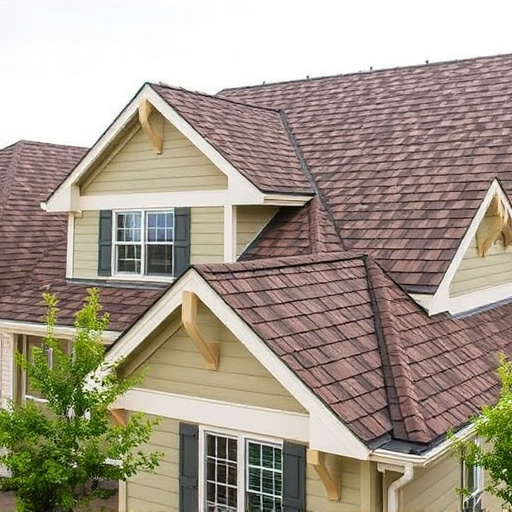
When choosing asphalt shingles for your Oro Valley home, navigating HOA rules is crucial for a successful installation. Many local Homeowners Associations, like those in Rancho Vistoso, have specific guidelines on exterior color choices, especially for roofs, which can significantly impact your overall design and even property value.
The first step is to thoroughly review your HOA's design guidelines. These documents often include approved color palettes, styles, and even specific brands for roofing materials. Some HOAs may mandate certain types of shingles, like those with a Class H wind rating, to ensure structural integrity against the powerful winds common in the desert climate. Keep in mind that these rules can vary widely between neighborhoods, so double-check with your HOA and the local Oro Valley Building Department for precise requirements.
Beyond the HOA, consider the practical aspects of your shingle choice. Shingles that are more susceptible to granule loss due to desert winds may require more frequent replacement, impacting your long-term costs. Architectural shingles, known for their distinctive look, often have smaller granules that can blow off more easily compared to three-tab shingles. To mitigate this, use shingles with enhanced granule bonds or consider a more wind-resistant option. Products like ice and water shield, while not strictly required, can provide extra protection against leaks, a common concern in areas with extreme temperature fluctuations. A roofer with an Arizona ROC license can offer expert advice tailored to your specific situation, helping you make an informed decision that balances aesthetics, functionality, and local regulations.
Natural Shingle Blow-Off Repair Techniques
In the harsh desert climate of Oro Valley, a licensed Arizona roofer faces unique challenges when selecting and repairing shingle roofs. Strong monsoon winds and intense sunlight can take a toll on roofing materials, particularly for architectural shingles and three tab shingles. One common issue that arises is shingle blow-off repair. While some may opt for immediate replacement, there are natural and cost-effective techniques to address this problem.
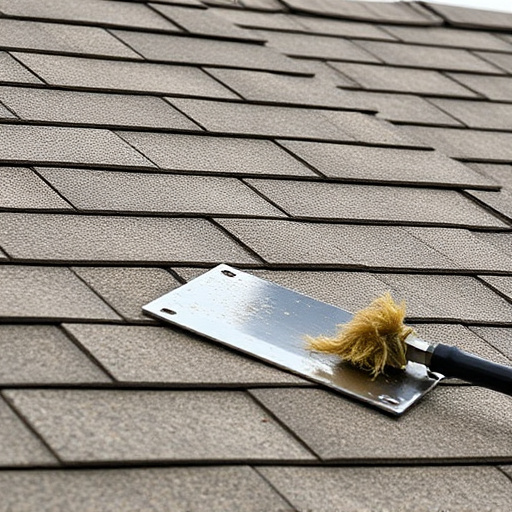
Shingle blow-off repair naturally involves a strategic approach. First, inspect the roof for loose or missing shingles, paying close attention to areas exposed to direct sunlight and wind. For three tab shingles, a gentle but thorough brushing can help dislodge any granule loss without causing further damage. For architectural shingles, a soft-bristled brush or a specialized broom is ideal. This initial step not only reveals the extent of the issue but also prevents further debris accumulation.
Once identified, damaged shingles should be removed carefully. This is where the expertise of a seasoned roofer becomes invaluable. If a shingle is curled or cupped due to heat, removing it entirely might be the best solution. Replacing individual shingles is more sustainable than a complete roof replacement, especially considering the higher material and labor costs of a full install. After removal, use a suitable underlayment to patch the area, ensuring proper ventilation to mitigate future issues.
HOA rules often dictate shingle color and style choices, adding another layer of complexity. However, many desert-rated shingles, such as those from GAF or Atlas, offer a range of colors designed to reflect sunlight and reduce heat absorption. By choosing lighter shades, you can lower the overall roof temperature, reducing the strain on cooling systems. This not only aligns with HOA shingle color rules but also provides long-term energy savings, making it a practical and environmentally conscious decision.
Long-Term Shingle Performance in Arid Climates
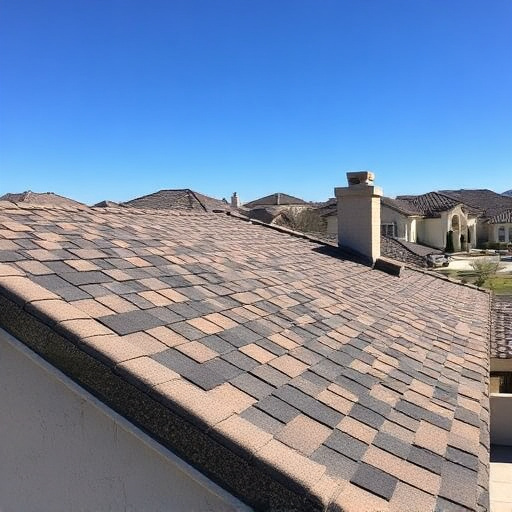
In arid climates like Oro Valley, Arizona, choosing the right asphalt shingle color is crucial for long-term performance and visual appeal. While dark colors absorb heat, leading to potential energy savings, they also attract sunlight, which can accelerate the degradation of the shingles. Lighter colors reflect heat, but their aesthetic appeal might not align with homeowners' preferences or community design guidelines. ENERGY STAR-rated shingles, for instance, offer a balanced solution, providing a Class 4 impact rating and enhanced durability in extreme conditions.
A significant consideration is how these colors handle the specific challenges of the local climate. High temperatures, intense sunlight, and strong winds can accelerate the natural aging process of shingles. Shingles prone to curling, cupping, or granule loss under such conditions necessitate a more robust solution. Wind-rated shingles, designed to withstand high-speed winds, are a popular choice in Oro Valley, where powerful summer storms are not uncommon.
When considering a shingle replacement or new installation, it's essential to factor in the long-term performance and maintenance requirements. Shingle blow-off repairs, for instance, are common in areas with strong winds and hot climates. Proper underlayment and ridge caps can significantly improve ventilation, mitigating the effects of blistering in the summer months. The choice of color can impact the roof's overall maintenance. In areas like the Catalina Foothills (1-3), where property values and design guidelines are stringent, homeowners may need to balance energy efficiency with aesthetic appeal to avoid issues with HOA rules. This involves selecting shingles that not only meet local building codes but also align with the community's design standards, ensuring a harmonious and long-lasting roof.
Frequently Asked Questions About advice on choosing shingle colors that handle desert heat and HOA rules
What are the best shingle colors for a desert climate?
In desert environments, dark-colored shingles absorb less heat from the sun, which can help lower cooling costs. However, reflectivity is key to managing heat. Look for shingles with a high reflectivity rating, especially in shades of white, light gray, or cool-toned colors. DC Roofing of Arizona often recommends lighter colors to reflect heat, ensuring your home stays comfortable and your energy bills remain manageable.
How do I know if my HOA approves certain shingle colors?
HOA rules vary widely. Start by reviewing your HOA's guidelines or contacting them directly. Be prepared to provide specific shingle manufacturers and styles, as they often maintain approved lists. Some HOAs may even allow for color variations within approved categories.
Will choosing a dark shingle color increase my energy costs?
While dark colors absorb heat, this effect can be mitigated by proper installation and insulation. A well-insulated roof, coupled with reflective dark shingles, can still provide energy efficiency. In fact, some dark-shingled homes in desert regions actually experience lower cooling costs due to the reduced heat absorption.
What are the environmental benefits of choosing reflective shingles?
Reflective shingles not only help manage indoor temperatures, but also contribute to a more sustainable environment. By reducing the "urban heat island" effect, they can help lower overall temperatures in cities and suburbs, mitigating the environmental impact of urban development.
Are there any local incentives for using energy-efficient roofing materials?
Some cities and utility companies in the Oro Valley area offer rebates or incentives for energy-efficient roofing choices, including reflective shingles. Check with local authorities or your utility provider to see if you qualify for any savings. DC Roofing of Arizona can help you navigate these programs.
How long do reflective shingles last compared to traditional shingles?
Reflective shingles, like their traditional counterparts, have varying lifespans depending on the manufacturer, quality, and installation. Most quality shingles last 25 to 30 years or more. Proper installation and regular maintenance are crucial for maximizing their lifespan.
Choosing the right shingle colors for your Oro Valley roof involves a delicate balance between aesthetics, durability, and compliance with local regulations, especially considering the region's arid climate. By understanding the impact of desert heat and navigating HOA guidelines, homeowners can make informed decisions that ensure their roofs withstand the unique challenges of the Oro Valley environment. This article has highlighted the importance of selecting shingles rated for high-heat performance, emphasizing that such choices can mitigate issues like granule loss, curling, and cupping over time.
We've explored natural remedies for shingle blow-off repair, acknowledging that occasional damage from high winds is a common occurrence in this region. Long-term performance data in similar climates suggests that investing in impact-resistant, wind-rated shingles and proper underlayment can extend the lifespan of your roof.
The key to a successful roof project in Oro Valley lies in educating yourself about the local climate and HOA rules. By prioritizing heat-resistant shingles, understanding the potential for natural repairs, and adhering to building codes, homeowners can achieve both a visually appealing and durable roof that complies with local standards.
In the extreme heat of Oro Valley, Arizona, choosing the right asphalt shingles is crucial. Lighter colors reflect heat, mitigating issues like granule loss and shingle blow-off repairs. Dark colors absorb heat, potentially speeding up shingle deterioration. Shingle manufacturers' color charts assist in these decisions. Homeowners Association (HOA) guidelines, often favoring neutral tones, must be checked early to avoid restrictions. Regular inspections can catch issues like blistering or cracking. A licensed roofing contractor can offer tailored advice, considering wind ratings, granule bonds, and ice/water shield for enhanced protection.