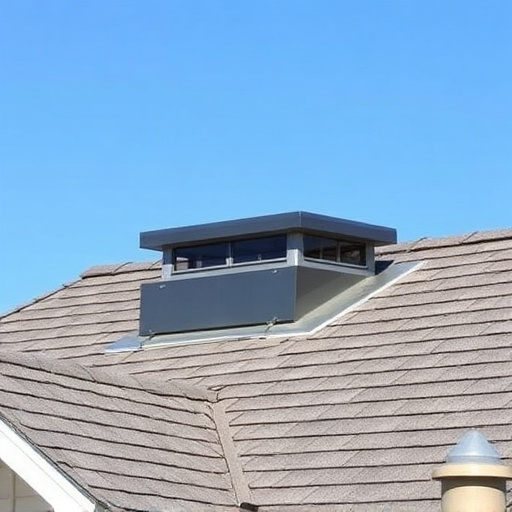
In Oro Valley, choosing the right roofing material can be a challenging task, especially with the extreme desert heat and varying weather patterns. Homeowners often find themselves deciding between architectural and three tab shingles, each with distinct characteristics. This comparison aims to guide local residents through this decision, offering insights into the lifespan, durability, and aesthetics of these shingles in our specific climate. By the end, you'll understand how to best protect your home and check a shingle roof's health, ensuring a safe and visually appealing exterior for years to come.
- Understanding Architectural and Three Tab Shingles
- Climate Considerations for Oro Valley Roofs
- Installation, Maintenance, and Longevity Comparisons
- Checking a Shingle Roof: Natural Methods for Homeowners
Understanding Architectural and Three Tab Shingles
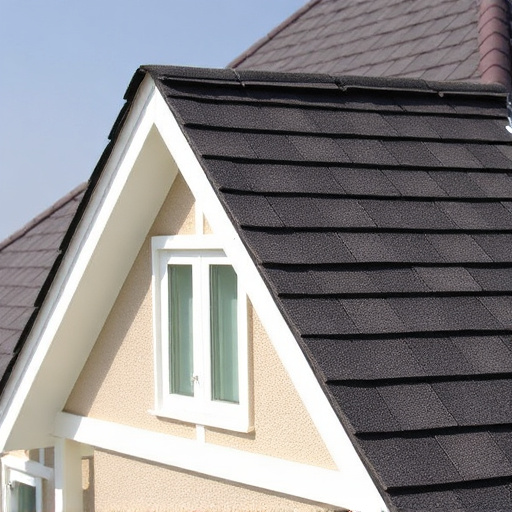
Understanding Architectural and Three Tab Shingles in Oro Valley
When comparing roofing options for southern Arizona, homeowners often face a choice between architectural and three tab shingles. Both styles have their merits, but each is suited to different needs and conditions. Architectural shingles, for instance, are designed to mimic the look of tile or slate with a more complex, multi-layered structure. This makes them wind-resistant, durable, and offers a wider range of colors and styles. However, they tend to be more expensive than three tab shingles, which are simpler in design and construction. Three tab shingles are made up of three thin, overlapping tabs and are known for their ease of installation and lower cost, making them a popular choice for many homeowners.
When considering which type to install, it's crucial to check a shingle roof naturally to assess its condition and performance. This includes examining the shingles for any signs of granule loss, curling, or cupping, which can indicate the shingles are aging or damaged. ENERGY STAR-rated shingles, often made with a fiberglass mat, can help reduce cooling costs in the desert heat of Oro Valley. They are designed to reflect sunlight, keeping your home cooler and potentially lowering energy bills. The choice between architectural and three tab shingles also depends on your roof's slope and the local building codes. A local roofing company serving Oro Valley can provide expert advice on which type is best for your specific situation.
Consider the overall look you want to achieve. Shingle colors and styles play a significant role in the curb appeal of your home. The Oro Valley Building Department offers design guidelines to ensure your roof complies with community standards. Some homeowners prefer the classic look of three tab shingles in neutral colors, while others may opt for the more sophisticated appearance of architectural shingles in dark, dramatic hues. The decision should balance aesthetics, functionality, and budget to ensure a durable and long-lasting roof.
Climate Considerations for Oro Valley Roofs
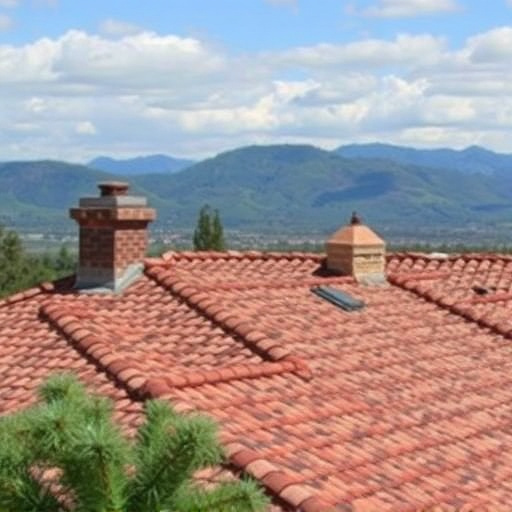
The choice of roofing material plays a pivotal role in the longevity and performance of a home in Oro Valley, particularly when considering the region's unique climate. When comparing architectural and three-tab shingles, homeowners in the desert heat of Oro Valley, like Rancho Vistoso, must consider factors that ensure their roof can withstand the challenges posed by the local environment.
Architectural shingles, known for their superior durability and aesthetic appeal, offer a more complex structure designed to handle the rigors of the desert climate. These shingles are thicker and more resistant to extreme temperatures, making them less prone to curling, cupping, and blistering that can occur under the intense summer sun. A roofer with an Arizona ROC license often recommends architectural shingles for their longevity, even in areas with high wind speeds and hail activity. However, they tend to be more expensive than three-tab shingles and may not be the best choice for low-slope roofs, as they can be heavier and may require additional structural support.
On the other hand, three-tab shingles are a more traditional and cost-effective option, popular for their ease of installation and lower initial cost. They are lightweight, making them suitable for low-slope roofs and structures like patio covers. However, in Oro Valley, where intense sunlight and fluctuating desert temperatures are the norm, three-tab shingles may not last as long as their architectural counterparts. They are more susceptible to granule loss due to UV exposure, leading to premature aging and potential leaks.
When assessing a roof for damage or considering a replacement, homeowners should implement a thorough checking process. This includes inspecting the shingles for any signs of wear, such as curling, cupping, or granule loss, and verifying the integrity of the underlayment. Synthetic underlayment, for instance, can be a smart choice for desert areas, providing an extra layer of protection against moisture and extreme temperatures. Checking a shingle roof regularly and addressing issues promptly is crucial to maintaining the structural integrity and energy efficiency of a home in Oro Valley.
Installation, Maintenance, and Longevity Comparisons

When choosing between architectural and three tab shingles for your roof in the Catalina Foothills, careful consideration is key. Both styles have their merits, but they differ significantly in installation, maintenance, and longevity. A licensed Arizona roofer recommends assessing your specific needs and climate to make the best choice.
Architectural shingles, known for their distinct look and enhanced durability, typically involve a more intricate installation process. These shingles are heavier and larger, requiring specialized equipment and skilled hands. In Oro Valley, where solar reflectance is crucial to managing the intense desert heat, architectural shingles can be a smart choice due to their superior ability to reflect sunlight. They also offer better wind resistance, thanks to their thicker and more rigid design, which is especially important in areas prone to powerful storms. However, they tend to be more expensive than three tab shingles and may require more frequent maintenance to prevent issues like curling or cupping due to exposure to UV rays.
In contrast, three tab shingles are lighter, simpler in design, and generally more affordable. They are easier to install, making them a popular choice for homeowners on a budget. While they offer adequate wind resistance, three tab shingles may not withstand extreme conditions as well as their architectural counterparts. Their lower weight and thinner profile make them more susceptible to damage from heavy winds and hail. To extend the lifespan of three tab shingles, consider applying an ice and water shield underlayment. This extra layer provides a barrier against water and ice damage, which can be significant in Oro Valley's unpredictable weather patterns.
When checking a shingle roof for damage, look for signs of granule loss, which can indicate wear and tear. Regular inspections, especially after storms, are crucial. In areas with high UV exposure, like the Catalina Foothills, shingles may blister or become discolored over time. A proper inspection will also reveal whether your shingles are properly secured and whether there are any issues with the underlayment. Remember, the right choice depends on your specific situation. Always consult with a local roofing contractor who can offer expert advice tailored to Oro Valley's unique climate and building codes.
Checking a Shingle Roof: Natural Methods for Homeowners
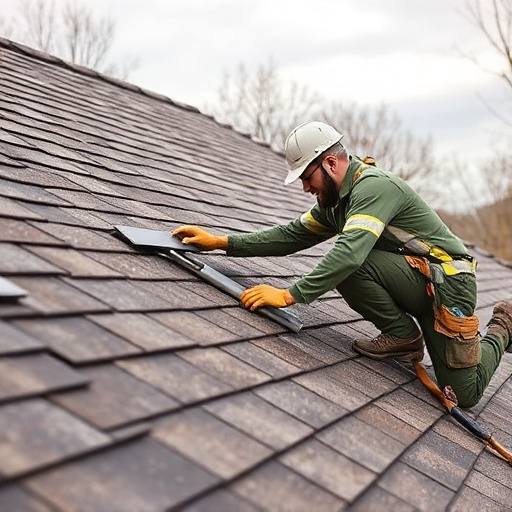
Homeowners in Oro Valley, particularly those in neighborhoods like Rancho Vistoso, often ask about the best way to check their shingle roofs for damage, especially after storms. When comparing architectural and three-tab shingles, understanding their vulnerabilities and strengths is crucial.
Architectural shingles, known for their sophisticated, multi-layered appearance, offer superior wind resistance, making them a popular choice for this desert climate. These shingles are designed to mimic the look of individual tiles, providing an aesthetically pleasing alternative to the more common three-tab variety. However, architectural shingles may be more prone to granule loss due to their complex structure, a concern that increases in the intense sun and wind of southern Arizona. Regular visual inspections are key to identifying these issues early. Look for missing or curled granules, which can indicate exposure to harsh elements.
In contrast, three-tab shingles, while more susceptible to wind damage, offer better value for money. These shingles are lightweight, easy to install, and generally less expensive. They are a good option for low-slope roofs or as a secondary roofing material over old shingles. A roofing contractor serving Oro Valley and Marana recommends checking three-tab roofs for signs of curling or cupping, which can signal structural issues. Checking a shingle roof naturally involves climbing up and examining the surface carefully, looking for any warping or damage that might compromise the roof's integrity.
For energy-efficient considerations, homeowners can explore ENERGY STAR-rated shingles, which reflect sunlight and reduce heating costs. This is particularly relevant for the hot summers in Oro Valley. When checking these roofs, pay attention to the overall condition of the underlayment, starter strips, and ridge caps, as these components play a vital role in protecting the structure from the elements. Regular maintenance, including checking for algae and stains, can also extend the lifespan of any type of shingle, whether architectural or three-tab.
Frequently Asked Questions About a comparison of architectural and three tab shingles for southern Arizona
What is the primary difference between architectural and three tab shingles?
The key distinction lies in their design and installation. Architectural shingles feature a more complex, layered design, imitating the look of traditional, hand-cut shingles. They're heavier, more durable, and offer superior wind resistance compared to three tab shingles, which have a simpler, three-tabbed shape. In southern Arizona's climate, architectural shingles tend to be a better choice due to their superior heat resistance and ability to withstand intense sunlight.
Which type of shingle is more suitable for a hot, sunny climate like that of southern Arizona?
Given the region's high temperatures and intense sunlight, architectural shingles are often recommended. Their thicker material and complex design provide better heat dissipation and protection against UV degradation, crucial factors in a hot climate. Three tab shingles, while more cost-effective, may not offer the same level of durability and weather resistance in such conditions.
Do architectural shingles cost more than three tab shingles?
Generally, yes. Architectural shingles are more expensive due to their higher material and manufacturing costs. The complex design and thicker material contribute to their price premium. While initially more costly, their superior durability and performance often result in longer-term savings, as they may require less frequent replacement.
How do architectural shingles fare in terms of noise reduction compared to three tab shingles?
Architectural shingles tend to be quieter than three tab shingles. Their heavier weight and more complex design absorb more sound, making them a better choice for homes in closer proximity to neighbors. This is particularly relevant in urban or densely populated areas of southern Arizona.
Which type of shingle is easier to install, and why does this matter?
Three tab shingles are generally easier to install due to their simpler design and uniform shape, making them quicker to lay and secure. For DIY projects or in areas with skilled labor shortages, three tab shingles might be the preferred option. Installation complexity can impact both cost and potential time savings, important factors for homeowners considering their options.
Choosing the right roofing material is crucial for Oro Valley homes, given the region's unique climate and local building codes. This article has explored the distinctions between architectural and three tab shingles, highlighting their performance differences in the desert heat and against storms like hail. We've emphasized the importance of considering lifespan, granule loss, curling, and cupping when selecting a roof. For homeowners, the key takeaway is the value of regular, natural inspections to check a shingle roof's condition-identifying issues early can lead to cost-effective repairs and prevent extensive damage.
When deciding between replacing or repairing shingles, several factors come into play, including the age of the roof, local regulations, and the overall condition. Shingle brands designed for cool roofs and impact resistance offer additional benefits, and understanding these variations can further enhance a roof's longevity.
By considering these insights, homeowners and local roofing contractors can make informed decisions, ensuring that Oro Valley's roofs are protected, durable, and in compliance with the SAHOA's design guidelines. This practical knowledge equips readers to navigate the roofing solutions landscape, from material choices to maintenance, with confidence.
In Oro Valley, homeowners should consider:
- Architectural Shingles: Last longer, resist wind and extreme temperatures, but cost more and may require more maintenance (checking for granule loss) due to UV exposure.
- Three Tab Shingles: Easier to install, cheaper, but less durable, more susceptible to granule loss and wind/hail damage. Check for curling, cupping, and granule loss. Consider ice and water shield underlayment for longer lifespan.
Check a Shingle Roof Naturally: Inspect for granule loss, curling, cupping, algae/stains, and proper underlayment. Regular maintenance key for all types. ENERGY STAR-rated shingles offer energy savings in the desert heat. Consult a local roofing expert for best choice based on your roof's slope, climate, and budget.