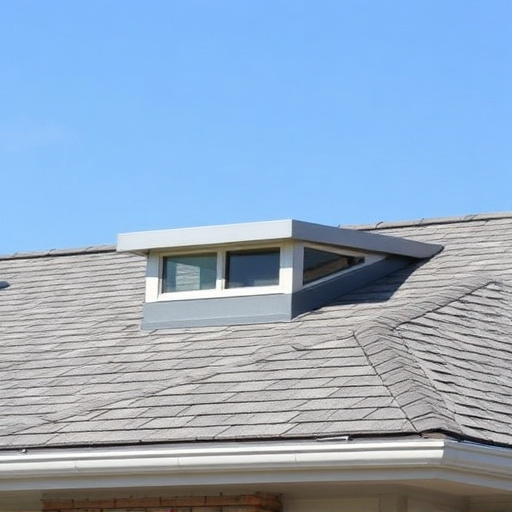
In Oro Valley, Arizona, choosing the right roofing material is crucial for both aesthetic appeal and structural integrity, especially considering the region's distinct climate. The debate between architectural and three tab shingles is a common one among homeowners, each offering unique advantages and drawbacks. This article examines this comparison, focusing on their performance in the desert heat, longevity, repair needs, and suitability for the local foothills-a key consideration for many property owners. By examining these factors, we aim to provide a practical guide, helping homeowners make an informed decision, whether opting for shingles or considering an alternative like tile for their Oro Valley roofs.
- Understanding Architectural vs. Three Tab Shingles
- Shingle Installation: Cost, Durability & Maintenance in Oro Valley
- Tile vs. Shingle: Performance in Southern Arizona's Foothills
- Choosing the Right Shingle: Expert Tips for Homeowners
Understanding Architectural vs. Three Tab Shingles
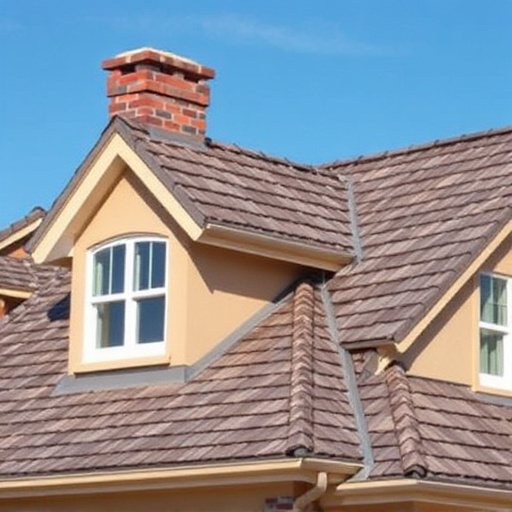
When choosing between architectural and three tab shingles for your Oro Valley roof, understanding the subtle differences is crucial. Both styles have their merits, but each performs uniquely in the harsh desert environment. Architectural shingles, with their distinctive shaped tabs and enhanced durability, often mimic the look of tile roofs, offering a more sophisticated aesthetic. In contrast, three tab shingles feature three flat tabs and a simpler design, providing a more traditional appearance.
Consider the local climate. Southern Arizona's intense UV exposure and high temperatures can accelerate the aging process of shingles. Architectural shingles, often made with superior-grade materials and designed to withstand harsh conditions, may offer slightly better resistance to heat-related damage. Proper ventilation, like a ridge vent, is essential for all roof types, helping to regulate temperature and reduce stress on the shingles.
Beyond aesthetics and durability, installation methods differ. Architectural shingles are typically installed over a larger area, allowing for a more seamless look. They require skilled hands from a roofer with an Arizona ROC license to ensure proper overlap and secure placement. On the other hand, three tab shingles are simpler to install and may be more cost-effective. They are commonly used in both residential and commercial settings, including patio covers. When repairing or replacing a few missing or damaged shingles, three tab shingles can be a practical choice, offering quicker turnaround times and minimal disruption.
Yet, architectural shingles have their advantages. They are less prone to granule loss from UV exposure over time, a common issue with three tab shingles. For areas prone to hail, architectural shingles often include a hail rating, providing extra protection. Conversely, three tab shingles, with their flat tabs, may be more susceptible to curling or cupping, especially when exposed to high winds. Finally, when considering the long-term investment, both options can be viable, but factors like local building codes, tax incentives for energy-efficient roofing (like the IRS), and the overall look you desire should also guide your decision.
Shingle Installation: Cost, Durability & Maintenance in Oro Valley
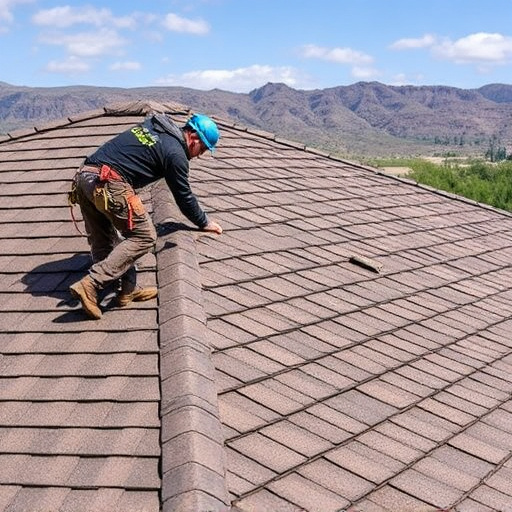
In Oro Valley, the choice between architectural and three tab shingles for your rooftop is a significant decision. Both styles have their merits, but understanding their distinct characteristics, costs, and maintenance requirements is crucial, especially in the region's unique desert climate. When considering shingle versus tile for foothills, architectural shingles often stand out due to their superior durability and aesthetic appeal, making them a popular choice for homeowners looking to enhance their property's curb appeal.
Three tab shingles, a more traditional option, are known for their affordability and ease of installation. This style features three distinct tabs that overlap, providing a straightforward and cost-effective solution. However, in the long run, architectural shingles typically outperform their three tab counterparts. Their enhanced durability, often rated for extreme conditions like desert heat, ensures they withstand the harsh environmental factors common to Oro Valley.
Maintenance is another key consideration. Three tab shingles, while easy to install, can be more prone to damage from high winds and hail, necessitating frequent repairs or replacements. In contrast, architectural shingles, with their stronger construction, offer better resistance to these elements. A licensed Oro Valley area roofing contractor recommends regular inspection for any signs of damage, such as nail pops, cracked shingles after storms, or algae and stains. Proper underlayment and ridge caps, like those offered by leading manufacturers like GAF and Atlas, further enhance the longevity of architectural shingles. Saddlebrooke, a local roofing company, has successfully installed architectural shingles on numerous homes, showcasing their superior performance in the region's specific conditions.
Tile vs. Shingle: Performance in Southern Arizona's Foothills
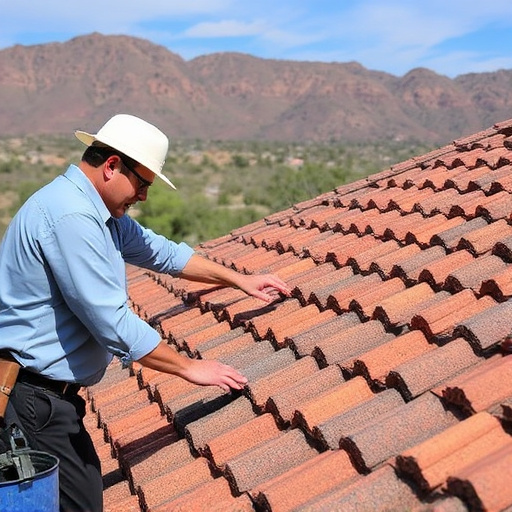
In the rugged, sun-drenched landscape of southern Arizona's foothills, the choice between tile and shingle roofing is a critical decision for any homeowner. This region's unique climate, characterized by intense heat and dramatic seasonal temperature shifts, puts roofs to the test. Let's examine the performance differences between these two popular choices, focusing on how they fare in Oro Valley and Marana.
Tile roofs, long considered a premium option, offer superior durability and long-term performance in this environment. They are well-suited to withstand the region's thermal cycling, where temperatures can soar above 110F in the summer and drop below freezing in winter. Unlike shingles, tiles are not susceptible to granule loss, a common issue in the harsh desert conditions. They do not curl or cup over time, maintaining their shape and integrity even after years of exposure to wind, sun, and rain. Tiles are impact-resistant, a significant factor in areas prone to occasional hail events. A roofing contractor serving Oro Valley and Marana often recommends tiles for their ability to reflect heat, potentially lowering energy costs, and their minimal maintenance requirements.
On the other hand, architectural and three-tab shingles have their merits in this region. They are cost-effective and offer a wide array of aesthetic options, with manufacturers producing shingles in various colors and styles to match the region's diverse architectural styles. Shingles are also lightweight, making them easier and less expensive to install than tiles. However, their lifespan expectations in the foothills might be shorter than that of tiles. Shingles are more susceptible to granule loss and can begin to show signs of wear and tear, such as curling and cupping, within a few years under the intense desert heat. To mitigate these issues, a key consideration is the use of starter strips and appropriate underlayments, which can provide an extra layer of protection.
When deciding between tile and shingle roofing, homeowners in Oro Valley and Marana should consider the long-term performance, maintenance, and aesthetics of each option. While shingles might be more budget-friendly and offer a broader selection, tiles can provide superior durability and energy efficiency. A roofing contractor can offer valuable insights, guiding clients to make an informed choice based on their specific needs and budget. A homeowner with a rental property might opt for shingles due to their lower upfront cost, while a homeowner looking for long-term investment and energy savings might choose tiles.
Choosing the Right Shingle: Expert Tips for Homeowners
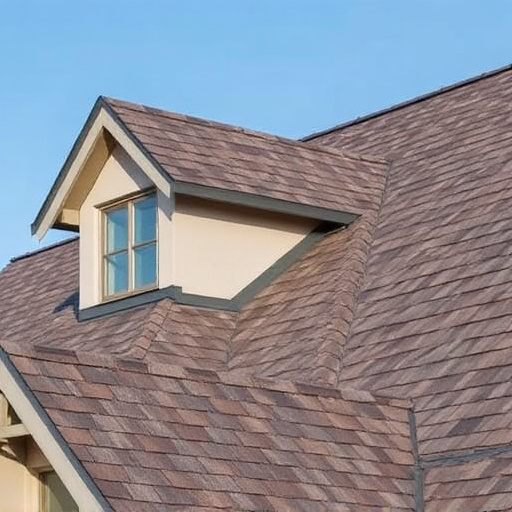
When choosing the right roofing material for your Oro Valley home, especially in the unique climate of the Catalina Foothills, the debate between architectural and three tab shingles is an important consideration. Homeowners in this area often face the dilemma of selecting a roof that not only enhances their property's aesthetics but also provides long-lasting protection against the harsh desert conditions. DC Roofing of Arizona, a licensed Oro Valley area roofing contractor, advises clients that the decision between these two types of shingles should be based on a comprehensive understanding of their distinct characteristics.
Architectural shingles, known for their sophisticated look, offer superior performance in extreme weather. They are designed to withstand high winds, with many top brands achieving a Class H wind rating, a critical factor in the desert's strong gusts. This style of shingle also provides excellent resistance against curling and cupping, common issues in hot, dry climates. On the other hand, three tab shingles, while more affordable, might not offer the same level of durability. They are less prone to granule loss, a process where the protective mineral granules on the surface of shingles wear off over time, especially in sunny, hot conditions. In the Catalina Foothills, where UV radiation is intense, this can be a significant factor.
When deciding between architectural and three tab shingles, homeowners should also consider the structural integrity of their roof. If you're in the market for a complete roof replacement, DC Roofing of Arizona recommends evaluating your roof's current condition and span. For older homes or roofs with a low slope, architectural shingles might be the better choice. They can provide a more secure, long-lasting seal due to their larger surface area and additional underlayment options. In contrast, three tab shingles are often recommended for new construction or renovations, where cost-effectiveness is a primary concern.
The aesthetic appeal of your home matters in this decision. Architectural shingles, with their varied shapes and styles, can add a distinct, luxurious look to your property. In contrast, three tab shingles offer a more uniform appearance, which might be more appealing to those seeking a traditional, straightforward design. When considering the "shingle vs tile for foothills" debate, remember that both options have their merits. Shingles, with their versatility and affordability, are a popular choice for Oro Valley homeowners, while tile roofs, known for their durability and energy efficiency, are also gaining traction in the region. The choice should align with your budget, home style, and the specific demands of Oro Valley's unique climate.
Frequently Asked Questions About a comparison of architectural and three tab shingles for southern Arizona
What are the key differences between architectural and three tab shingles?
Architectural shingles and three tab shingles differ primarily in their appearance and installation. Architectural shingles are larger, more complex in design, and often imitate the look of tile or slate. They are heavier and require specialized installation methods. In contrast, three tab shingles are thinner, more uniform in shape, and typically less expensive. They are straightforward to install and are the more common choice for residential roofs in southern Arizona.
Which type of shingle is better suited for the harsh conditions in southern Arizona?
For the arid climate of southern Arizona, three tab shingles are generally recommended. Their simpler design and lighter weight make them more resistant to wind damage and less prone to wear and tear from intense sunlight. Architectural shingles, while aesthetically appealing, may not withstand the extreme temperatures and dry conditions as effectively, potentially leading to more frequent replacements.
How long do each type of shingle typically last?
The lifespan of shingles varies based on factors like installation quality, local climate, and maintenance. On average, three tab shingles can last 25-30 years, while architectural shingles are rated for 30-40 years. However, proper installation and regular maintenance, such as cleaning gutters and checking for loose or damaged shingles, extend the life of both types.
Do architectural shingles offer any advantages over three tab shingles?
Architectural shingles do offer some advantages. Their distinctive look can enhance a home's curb appeal and increase its resale value. They are less susceptible to damage from hail storms, which is common in certain parts of southern Arizona. However, their higher cost, weight, and specific installation requirements make them less practical for many homeowners.
Are there any maintenance considerations for each type of shingle?
Both types of shingles require regular maintenance to ensure their longevity. Three tab shingles generally require less maintenance due to their simpler design. Architectural shingles, while durable, may require periodic inspection for signs of wear and tear, especially in areas prone to extreme weather conditions. Regular cleaning to remove mold and algae buildup is beneficial for both types to maintain their appearance and protect the roof's underlayment.
Who should I consider for installation in Oro Valley, Arizona?
When choosing a roofing contractor in Oro Valley, look for licensed, experienced professionals with a proven track record in the local area. DC Roofing of Arizona, a licensed Oro Valley area roofing contractor, specializes in both architectural and three tab shingles. They can provide expert advice tailored to your home's specific needs, ensuring a durable and aesthetically pleasing roof installation.
When choosing between architectural and three tab shingles for your Oro Valley roof, consider the specific demands of southern Arizona's climate and environment. Architectural shingles, with their superior wind resistance and superior performance in hot, arid conditions, offer a clear advantage in the foothills. They also provide a longer lifespan and better protection against the effects of UV radiation, minimizing granule loss and the risk of curling or cupping. While three tab shingles are more affordable and easier to install, they may not withstand the intense heat or withstand wind events as effectively.
When comparing shingle vs. Tile for the foothills, remember that the cost-benefit analysis heavily favors shingles, especially with the potential for tax incentives and lower labor costs. Shingles also offer more flexibility in design and color, aligning better with Oro Valley's design guidelines and homeowner preferences.
By following these practical steps and considering the insights from this article, homeowners can ensure their roof provides lasting protection for their Oro Valley homes.
In southern Arizona's desert climate, choosing between architectural and three tab shingles requires understanding their performance in extreme heat and UV exposure. Architectural shingles, often more durable, offer a sophisticated look but are more expensive. Three tab shingles, simpler and cheaper, may be more prone to granule loss and damage from high winds. Installation, aesthetics, and budget are key factors. For long-term performance, maintenance, and energy efficiency, consider tile roofs. Consult with a licensed local roofer to evaluate your specific needs and budget.