In Oro Valley, the roof is often the unsung hero of a home, enduring harsh desert heat, fierce winds, and seasonal storms. Asphalt shingles, the most common roofing material, are expected to last a decade or more-but they can struggle under these conditions. From lifted tabs that expose the underlayment to granule loss that diminishes the shingles' protective layer, problems can arise, leaving homeowners with unsightly and potentially dangerous conditions. This guide examines the world of shingle repairs, providing expert insights on addressing issues like curling and cupping shingles-common in the intense Oro Valley climate-to ensure your roof remains a fortress against the elements. We'll explore a range of repairs, from quick fixes to extensive replacements, empowering you to make informed decisions about protecting your home's most vital asset.
- Identifying Shingle Damage: Tabs, Granules, and Curling
- Assessing Cupping and Its Causes in Shingles
- Repairing Lifting Tabs: Steps and Best Practices
- Addressing Granule Loss: Prevention and Restoration Techniques
Identifying Shingle Damage: Tabs, Granules, and Curling
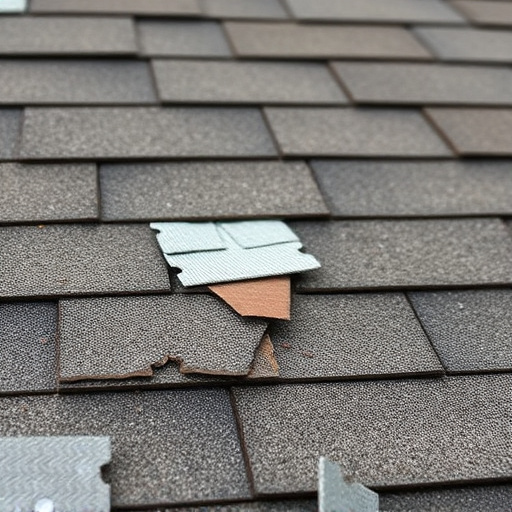
Shingle damage can manifest in various forms, with two common issues being lifted tabs and granule loss. These problems often arise from the extreme conditions unique to Oro Valley's desert climate. Intense sunlight and fluctuating temperatures can cause the fiberglass mat-a core component in modern asphalt shingles-to deteriorate over time, leading to curling and cupping shingles. This is especially true for shingles not rated for energy efficiency, as they may not be designed to withstand the region's high heat and rapid temperature changes, such as those found in ENERGY STAR-rated shingles.
Lifted tabs are a sign of more significant problems, often indicating excessive granule loss. Shingles are designed with granules on their surface to protect them from UV rays and provide a reflective surface, helping to keep the roof cool. When these granules start to dislodge, the protective layer is compromised, leading to premature aging. A roofer with an Arizona ROC license will typically inspect for granule loss by checking the roof's overall appearance and using a special tool to gently tap the shingles, listening for a hollow sound-a clear indicator of granule detachment.
Curling and cupping shingles, on the other hand, are visual cues. Curling occurs when the edges of a shingle lift up, resembling a curl, while cupping shows as an indentation or sinking in the middle of the shingle. These issues are not only unsightly but can also compromise the structural integrity of the roof. Homeowners should be aware that these problems can often be addressed through repairs, such as replacing missing or damaged shingles, re-nailing, or applying a new layer of underlayment. However, if the damage is extensive or if there are signs of more serious structural issues, a full roof replacement might be necessary, and consulting with a local roofing contractor is crucial. This is especially important when dealing with architectural shingles, which are designed to look more complex and are often subject to stricter HOA architectural review guidelines.
Assessing Cupping and Its Causes in Shingles
In Oro Valley, one of the most common roofing issues homeowners face is curling and cupping shingles. This problem occurs when shingles bend upward or downward at the edges, creating an unsightly and potentially damaging appearance. Understanding the causes of this issue is crucial for effective shingle repair and maintenance.
Curling and cupping can be attributed to several factors, with one of the primary causes being excessive heat absorption. The desert climate in Oro Valley exposes shingles to intense sunlight, leading to rapid temperature fluctuations. During the day, shingles heat up, causing the asphalt to soften. As night falls and temperatures drop, the shingles cool quickly, resulting in a shrinkage that can lead to curling. This cycle, repeated over time, can significantly shorten the lifespan of your shingles. Improper installation, especially inadequate nailing or underlayment issues, can contribute to curling and cupping. Missing or improperly placed nails can cause shingles to lift, leading to these distortions.
Another significant factor is granule loss, which occurs when the protective granules on the surface of the shingles wear away due to weathering, foot traffic, or even cleaning. These granules provide a protective layer, shielding the asphalt from UV damage and slowing down the degradation process. Once they are lost, the shingles become more susceptible to curling and cupping. Homeowners in Saddlebrooke or other Oro Valley neighborhoods should regularly inspect their roofs for signs of granule loss, especially around the drip edge, where debris accumulation is common.
To address curling and cupping, a roofer with an Arizona ROC license may recommend various repairs. This could involve re-nailing lifted shingles, replacing damaged or missing granules, or in severe cases, replacing entire sections of the roof. Proper ventilation, as mandated by the Oro Valley Building Department, is also crucial in mitigating heat-related issues. Adequate ventilation reduces the temperature difference between the roof and the rest of the structure, slowing down the aging process of your shingles. Regular maintenance, including thorough cleaning and inspections, can help extend the life of your roof and prevent these costly and unsightly repairs.
Repairing Lifting Tabs: Steps and Best Practices

Lifting tabs are a common issue with asphalt shingles in Oro Valley, often caused by high winds, thermal cycling, or inadequate installation. These tabs, which are the smaller, individual pieces that overlap to form a shingle's surface, can separate from the main shingle body, leading to a compromised roof. When a shingle's tabs lift, it may appear as curling or cupping, creating not only an aesthetic problem but also a potential pathway for water intrusion.
Repairing curling and cupping shingles, especially when tabs have lifted, requires a multi-step process. First, inspect the entire roof to identify the extent of the damage. If the lifting is localized, it may be possible to simply re-adhere the loose tabs. This involves removing the loose portion, cleaning the surface, and applying a strong adhesive to re-secure the tab. For more widespread issues, a full shingle replacement may be necessary, ensuring the new shingles meet Oro Valley's building code standards. A roofer with an Arizona ROC license can provide expert advice on the best course of action, considering factors like the local climate, building design, and the age of the existing roof.
For more severe cases where the tabs have completely separated, replacing the damaged shingle is crucial. Install a new shingle, ensuring proper alignment and overlap with neighboring shingles. Proper ventilation is also key to preventing future issues; ensure vents are installed to facilitate air flow, minimizing thermal cycling. Consider a Class 4 impact rating for shingles, designed to withstand high winds and extreme weather conditions, a common concern in Oro Valley's desert environment.
To maintain the longevity of your roof, regular inspections are vital. Check for loose or missing tabs, as well as signs of granule loss, which can indicate advancing wear and tear. Early detection allows for timely repairs, preventing small issues from escalating into costly, extensive roof replacements. Remember, the local building codes and design guidelines, such as those from the Southern Arizona Homeowners Association (SAHOA), should guide your shingle choices and repair strategies to ensure your Oro Valley roof is both functional and aesthetically pleasing.
Addressing Granule Loss: Prevention and Restoration Techniques

Granule loss is a common issue for shingles in Oro Valley's harsh desert environment, where UV exposure is intense and temperature fluctuations are significant. This problem can start as early as the middle of the shingle's lifespan, often appearing as small, dark particles in the gutters or on the ground below. The primary culprit is often UV light, which breaks down the asphalt and dries out the granules, leading to shedding and, eventually, curling and cupping shingles.
Preventing granule loss starts with quality installation and regular maintenance. An experienced Oro Valley roof specialist recommends using UV-resistant shingles designed for desert climates, which offer better protection against the intense sunlight. Proper ventilation in the attic space is crucial. Well-ventilated roofs stay cooler, slowing down the degradation process. Ensuring the underlayment is in good condition and using a reflective, reflective shield beneath the shingles can further protect against UV exposure.
When granule loss does occur, it's important to address it promptly. Minor losses can often be repaired by replacing individual shingles or sections, especially if the damage is localized. If only a few tabs have lifted, a skilled roofer can reattach them with new adhesive. However, if granule loss is widespread, it's best to consider a full shingle replacement. An HOA architectural review may be required, especially for homes with architectural or historic shingles, ensuring the new shingles complement the existing design. Regular inspections, ideally biannual, can help catch issues early, making repairs more manageable and cost-effective.
Frequently Asked Questions About a Guide to Shingle Repairs, from Lifted Tabs to Granule Loss
What are the most common signs that my shingles need repairing? Shingles may require repair if they exhibit signs of damage such as lifted tabs, curled or missing granules, or significant color changes. These issues can indicate wear and tear, aging, or potential water damage, all of which can compromise the integrity of your roof. Regular inspections by a licensed Oro Valley area roofing contractor can help catch these problems early.
How do I know if I can fix my shingles myself or if I need a professional? While some minor shingle repairs, like replacing a few missing granules or a lifted tab, can be tackled by homeowners, more complex issues such as significant granule loss, damaged underlayment, or widespread tab lifting are best handled by a professional roofer. A licensed Arizona roofer with an up-to-date ROC license can assess the extent of the damage and provide the most suitable solution.
What causes shingles to lift or curl? Shingles can lift or curl due to several factors, including extreme weather conditions, poor installation, or aging. Exposure to intense sunlight or heat can cause the shingles to expand, leading to lifting. Inadequate ventilation or moisture buildup under the shingles can contribute to curling.
How can I prevent granule loss from my shingles? Regular cleaning and maintenance can help prevent granule loss. Remove debris and leaves from your roof and gutters to ensure proper water flow. Inspect your shingles for any signs of damage or wear and address them promptly. Applying a suitable sealant or coating to the exposed parts of the shingles can also provide additional protection against granule loss.
What is the best way to clean my roof of granule loss and debris? Use a soft-bristled brush or a pressure washer with a low-pressure setting to clean your roof. Avoid using high-pressure washers, as they can damage the shingles or remove the protective coating. Be sure to remove all debris and leaves from the gutters and downspouts as well. For hard-to-reach areas, consider using a long-handled brush or a leaf blower.
How long does a typical shingle repair job take? Most shingle repair jobs, depending on their scope, typically take one to two days. This includes the assessment, material gathering, and actual repair work. Complex repairs may take longer, especially if structural issues need to be addressed.
Should I replace my entire roof if some shingles are damaged? Replacing an entire roof is not always necessary, even if some shingles are damaged. A licensed Oro Valley roofer can assess the situation and recommend the best course of action. In many cases, repairing specific problem areas can extend the life of your existing roof.
Understanding and addressing common shingle issues, such as lifted tabs and granule loss, is crucial for maintaining a roof's integrity and aesthetic appeal in Oro Valley's desert climate. By recognizing curling and cupping shingles early, homeowners and contractors can prevent more severe damage. This guide has equipped you with the knowledge to assess various shingle problems, from minor tab lifts to significant granule loss.
Knowing the causes of cupping can lead to proactive measures, ensuring shingles lay flat and smooth. Repairing lifted tabs involves a simple, yet effective, process that, when followed correctly, can extend the roof's lifespan. When granule loss occurs, it's essential to consider both prevention and restoration techniques, ensuring the roof remains protected and visually appealing.
The next step for homeowners and contractors alike is to stay informed about local building codes, energy-efficient roofing options, and the latest shingle technologies. Regular maintenance, proper installation, and timely repairs will contribute to a durable, low-maintenance roof, enhancing the value of any Oro Valley property.
Shingle repairs in Oro Valley address issues like lifted tabs, granule loss, and curling/cupping caused by extreme climate conditions. These problems require expert inspection and repairs, ranging from re-nailing to full roof replacements. Quality installation, UV-resistant shingles, and regular maintenance, including ventilation and inspections, prevent and mitigate these issues. Early detection and professional care extend roof lifespan, ensuring aesthetic appeal and structural integrity.