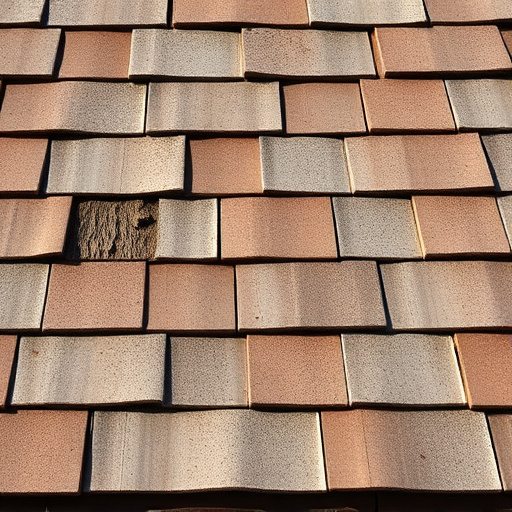
In Oro Valley, as in many desert regions, choosing the right roofing material is a key decision that impacts both your home's durability and energy efficiency. Asphalt shingles, a popular choice, face unique challenges in our climate, from intense sunlight that can lead to granule loss and algae growth to strong winds that require impact-resistant shingles and proper ventilation. Understanding when asphalt shingles make sense and when to opt for alternatives, like tile, is crucial. This article examines the factors influencing shingle choices, from lifespan expectations and repair considerations to local building codes and community guidelines, like those from the Southern Arizona Homeowners Association, to help you make an informed decision, especially when contemplating repairs or replacement, including the practical aspects of shingle cut valleys.
- Understanding Shingle Durability in Oro Valley's Climate
- When Shingles Align with Natural Valley Geography
- Cost-Effectiveness: Shingles vs. Traditional Roofing Options
- Installation, Maintenance, and Shingle Lifespan Considerations
Understanding Shingle Durability in Oro Valley's Climate
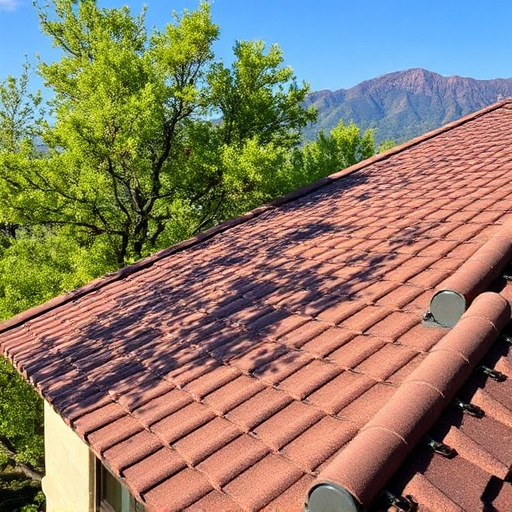
The choice of roofing material in Oro Valley is a crucial decision, especially when considering the region's unique climate and environmental factors. For asphalt shingles, understanding their durability is essential for any homeowner. Oro Valley, with its hot desert summers and occasional severe storms, presents specific challenges for roofing materials.
Asphalt shingles, a popular choice for many homeowners, offer a cost-effective solution for roofing in Oro Valley. They are designed to withstand the region's harsh conditions, including high temperatures and occasional hail. The key to a successful shingle installation lies in selecting products rated for such environments. Many leading manufacturers, such as GAF and Atlas, offer desert-rated shingles designed to reduce granule loss, a common issue in hot climates. These shingles are often embedded with UV-resistant minerals, ensuring they maintain their integrity under intense sunlight.
One significant advantage of asphalt shingles in Oro Valley's climate is their longevity. With proper installation and maintenance, a quality shingle roof can last 25 years or more. A Class 4 impact rating, offered by many high-end shingles, indicates superior resistance to hail and wind damage, common in the area's severe weather events. Proper ventilation, including ridge vents, plays a crucial role in keeping shingles cool during the summer, preventing the costly issue of blistering. An experienced Oro Valley roof specialist recommends inspecting shingles for signs of curling, cupping, or nail pops after storms, as these issues may indicate damage that requires immediate attention or replacement.
When deciding to replace or repair, a cost-benefit analysis is essential. While replacing a few damaged shingles might be feasible, extensive damage, especially from hail or high-wind events, often requires a full roof replacement. In Marana, as in Oro Valley, local building codes and regulations must be considered, ensuring any new installation complies with safety standards. Homeowners should also be aware of local regulations regarding shingle color and design, particularly when living in communities with Homeowners Association (HOA) guidelines, such as those set by the Southern Arizona Homeowners Association (SAHOA). Some HOAs may mandate dark-colored shingles to reduce heat absorption, while others have specific guidelines for ridge caps and edge details.
When Shingles Align with Natural Valley Geography
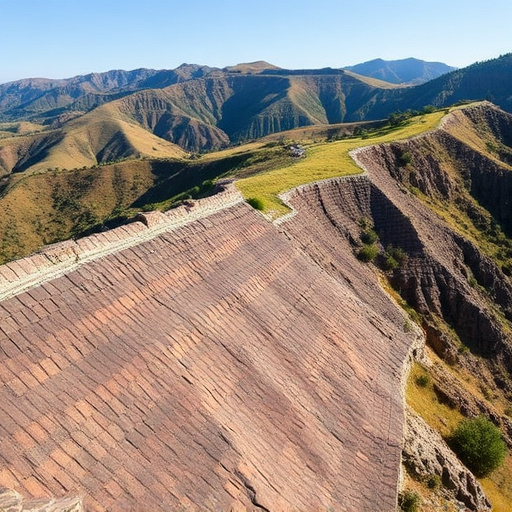
In Oro Valley, the natural landscape presents unique challenges and opportunities for roofing materials, particularly for shingle cut valleys. The region's topography, characterized by rolling hills and varied slopes, dictates specific considerations for roofing solutions. When the terrain allows for it, shingle cut valleys naturally align with the valley's contour, offering both aesthetic appeal and practical benefits.
Architectural shingles, known for their advanced designs and durability, are particularly well-suited for these natural formations. Their complex shapes and varied textures can mimic the contours of the land, providing a seamless integration with the Oro Valley environment. A roofing contractor specializing in the area might recommend architectural shingles for homes in neighborhoods with pronounced hills, where a standard three-tab shingle could look out of place. The synthetic underlayment often paired with these shingles further enhances the system's performance against wind, moisture, and extreme temperatures.
Shingle cut valleys play a crucial role in proper roof drainage, directing water away from the structure. In Oro Valley's climate, where summers can bring intense heat and occasional storms, this is paramount. By cutting the shingles to create a valley that matches the natural slope of the land, contractors ensure effective drainage, reducing the risk of water damage, algae growth, and stains on the shingles. This meticulous approach, when combined with high-quality materials and professional installation, can extend the lifespan of the roof, aligning with the region's unique geographical characteristics.
Cost-Effectiveness: Shingles vs. Traditional Roofing Options
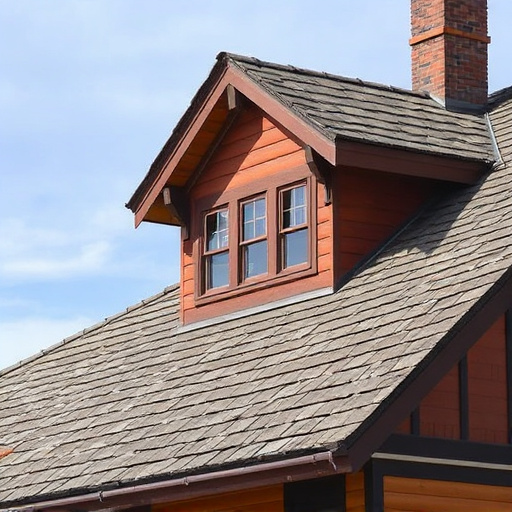
In Oro Valley, when considering roofing options, the cost-effectiveness of shingles versus traditional materials is a crucial factor. Asphalt shingles, long a popular choice for their affordability and ease of installation, offer significant advantages in terms of both initial cost and long-term value. When compared to tile roofs, which are more expensive to install and prone to damage from Oro Valley's intense monsoon winds, shingles provide a more economical solution for homeowners. They are also lighter, making them less stressful on structures during storms, a key consideration in a region subject to powerful weather events.
Shingles' versatility becomes even more evident when examining their energy-efficient properties. Many modern shingles incorporate features like an ice and water shield, which not only prolongs the shingle's lifespan but also enhances energy performance by reducing heat transfer. This is particularly relevant in Oro Valley's desert climate, where high temperatures can significantly impact energy costs. Shingles designed with higher solar reflectance can help keep homes cooler, further reducing energy consumption. This is a growing concern as Oro Valley's population grows, placing more demand on local energy resources.
However, while shingles offer these benefits, they may not always be the best choice. Older, damaged, or poorly maintained shingles can lead to significant issues. Shingle granule loss, for example, can result in faster deterioration and increased risk of leaks. In areas prone to extreme weather, like Oro Valley's potential for powerful storms and high winds, even high-quality shingles can fail prematurely if not properly installed or secured. To mitigate these risks, regular inspections are crucial. Homeowners should look for signs of curling, cupping, or popping nails, which can indicate problems with the shingles or underlayment. When considering a replacement, consulting with a local expert, such as DC Roofing of Arizona, is recommended. They can provide a cost-benefit analysis tailored to individual needs and Oro Valley's specific climate and building codes.
Installation, Maintenance, and Shingle Lifespan Considerations
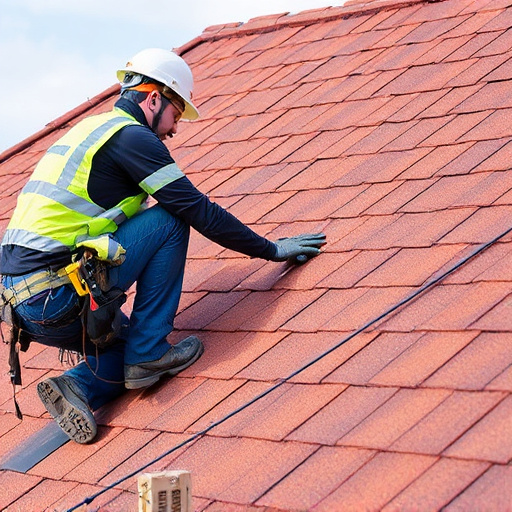
When considering shingle installation in Oro Valley, it's crucial to factor in the region's unique climate and environmental conditions. The desert heat and frequent thermal cycling can significantly impact the lifespan and performance of shingles. Asphalt shingles, the most common choice in Oro Valley, are designed to withstand a certain level of heat, but prolonged exposure can lead to granule loss and deterioration. This is where the strategic placement of ridge vents comes into play. Ridge vents allow for better air circulation at the roof's peak, helping to mitigate the effects of intense summer heat and reducing the risk of shingles curling or cupping.
Proper maintenance is equally vital, extending the life of your shingle roof. Regular inspections are essential to identify any signs of damage, such as cracks, pops, or stains. Shingle nail pops, for example, can indicate loose or missing shingles, requiring immediate attention. Monitoring the roof for algae and stains is crucial, as these can affect the shingles' solar reflectance-a key factor in determining a roof's energy efficiency. A local roofing company serving Oro Valley can provide expert guidance on the best maintenance practices for your specific roof, ensuring its longevity.
Shingle lifespan considerations are another vital aspect. Manufacturers provide expectations for how long their products should last, but this can vary based on installation, exposure, and maintenance. In Oro Valley's climate, it's not uncommon for shingles to last 15-25 years, but some high-quality, desert-rated shingles can even outperform this. Shingles from reputable manufacturers like GAF or Atlas, known for their superior desert ratings, can extend the life of your roof. When deciding whether to replace or repair, a cost-benefit analysis should be conducted, taking into account the age of the roof, the extent of damage, and local regulations from the Oro Valley Building Department.
Shingle cut valleys, while not a maintenance issue per se, play a role in ventilation. Proper valley installation ensures better airflow, which can help prevent blistering shingles during the summer months. This natural ventilation also reduces the overall heat load on the roof, contributing to energy efficiency. When considering a roof replacement, especially on a low slope, consult the local building codes and design guidelines from organizations like the Southern Arizona Homeowners Association (SAHOA) to ensure compliance and maintain the aesthetic appeal of your Oro Valley home.
Frequently Asked Questions About an explainer on when shingles make sense in Oro Valley and when they do not
What are shingles, and why might they be a good option in Oro Valley?
Shingles, also known as roofing shingles, are a popular and practical choice for homeowners in Oro Valley due to their durability, affordability, and aesthetic appeal. They are designed to withstand the region's climate, including intense sunlight, heat, and occasional storms. Shingles offer a wide range of colors and styles, allowing homeowners to personalize their home's exterior. Plus, they are easy to install and maintain, making them a low-maintenance option.
When is it appropriate to consider shingles for a roof replacement in Oro Valley?
Shingles are typically recommended for:
- New home construction or renovations in Oro Valley.
- Replacing an old, damaged, or poorly maintained roof.
- Homes where the existing roof is nearing the end of its lifespan (typically 20-30 years).
- Homeowners seeking a cost-effective and readily available roofing solution.
Are there any downsides to using shingles in Oro Valley's climate?
While shingles are durable, they can be susceptible to damage from severe storms, such as hail or high-speed winds. They may also not be the best choice for homes in areas prone to heavy snow accumulation or extreme temperature fluctuations. Proper installation and regular maintenance, including timely repairs, can significantly extend the lifespan of a shingle roof.
How long do shingles typically last in Oro Valley?
Under optimal conditions, shingles can last between 20 to 30 years. However, factors like exposure to sunlight, weather conditions, and regular maintenance can affect this lifespan. DC Roofing of Arizona, a licensed Oro Valley area roofing contractor, recommends inspecting your roof annually to ensure proper performance and identify any potential issues early.
What factors should I consider when choosing a roofing contractor for my Oro Valley shingle roof installation?
When selecting a roofing contractor, consider:
- Experience: Look for a contractor with a proven track record and expertise in installing shingles in Oro Valley's climate.
- Licensing and Insurance: Ensure the contractor is properly licensed and insured to protect against potential risks.
- Recommendations: Ask for referrals from friends, neighbors, or local businesses.
- Warranty: Understand the warranties offered by the contractor and the manufacturer for materials and labor.
How much does a shingle roof replacement typically cost in Oro Valley?
The cost of a shingle roof replacement in Oro Valley varies based on several factors, including:
- The size and complexity of the project.
- The type of shingles chosen.
- Labor rates in the Oro Valley area.
DC Roofing of Arizona can provide a free, detailed estimate after evaluating your specific needs.
Understanding when to choose asphalt shingles in Oro Valley involves considering both the unique local climate and geographical features. The area's desert heat can impact shingle lifespan, with proper choices and installation extending the roof's durability. Shingle cut valleys, for instance, offer a strategic solution to channel water, preventing damage from heavy rainfall and minimizing granule loss. Architectural shingles prove more suitable for the valley's natural slopes, providing a visually appealing and long-lasting option. For cost-effectiveness, asphalt shingles offer a competitive alternative to traditional roofing materials, with local contractors providing transparent pricing structures. Regular maintenance, including checking for nail pops, algae stains, and curling shingles, is crucial to ensuring a roof's longevity. By balancing these factors, Oro Valley residents can make informed decisions, ensuring their homes are protected with robust and aesthetically pleasing shingle roofs.
In Oro Valley, choosing the right roofing material is vital. Asphalt shingles are a popular, cost-effective choice, designed to withstand harsh conditions, including high temperatures and hail. They offer longevity, with proper installation and maintenance, lasting 25+ years. Shingle cut valleys, aligning with natural slopes, enhance drainage and aesthetics.
When deciding to replace or repair, consider:
- Cost-benefit analysis: Extensive damage may require full roof replacement.
- Local regulations: Oro Valley and Marana building codes and HOA guidelines must be followed.
- Shingle quality and maintenance: Regular inspections for damage, stains, and algae. Ridge vents reduce heat impact.
- Longevity: High-quality, desert-rated shingles can outperform expectations.
Consult with a local roofing expert, like DC Roofing of Arizona, for personalized guidance based on Oro Valley's unique climate and building codes.