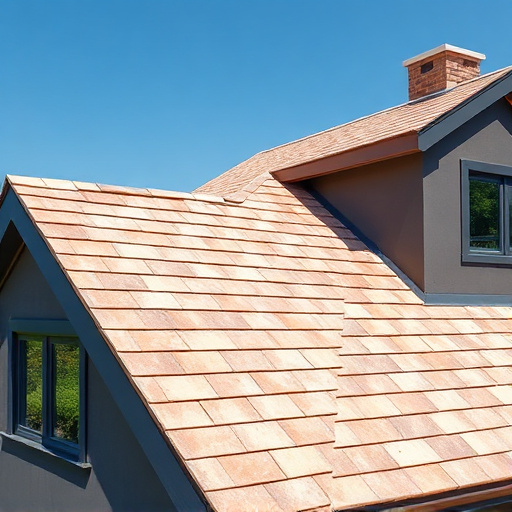
In Oro Valley, the roof is a home's first line of defense against the elements, and understanding the cost and considerations of shingle roofs is essential for any homeowner. Shingle roofs, a popular choice for their durability and aesthetic appeal, come with a range of options and price points. However, the complexity of factors influencing these costs-from local climate patterns and building codes to material choices and labor rates-can make navigating this process challenging. This article provides a plain language guide to help you understand what drives shingle roof costs and offers practical insights into optimizing your roof's performance, durability, and value, including the crucial aspect of shingle roof ventilation needs.
- Understanding Shingle Roof Costs: Key Factors
- Material Selection: Impact on Shingle Prices
- Ventilation's Role: Shingle Lifespan and Efficiency
- Installation and Labor: Pricing Variance Explained
Understanding Shingle Roof Costs: Key Factors
Understanding Shingle Roof Costs: Key Factors in Oro Valley
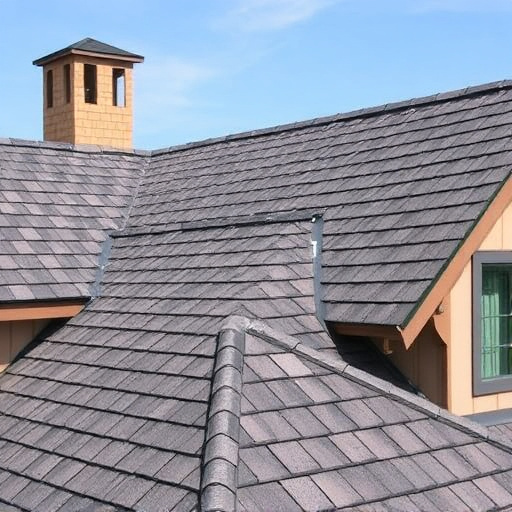
For roofing, the most common type in Oro Valley is the shingle roof. This is due to its cost-effectiveness, ease of installation, and suitability for the local climate. However, the cost of a shingle roof can vary widely, and understanding what drives these prices is crucial for any homeowner. Several key factors influence the cost, from the materials used to the level of skill required for installation.
One significant factor is the shingle roof ventilation needs. Proper ventilation is essential for maintaining the integrity of your roof. Adequate airflow helps to prevent excessive heat build-up, which can lead to problems like blistering or curling shingles. This is particularly important in Oro Valley's desert climate, where temperatures can soar. Well-ventilated roofs also reduce the risk of internal structural damage, extending the lifespan of your roof. Contractors in the area, such as a roofer with an Arizona ROC license, will assess your roof's ventilation requirements and recommend appropriate solutions, which can impact the overall cost.
Another factor is the type of shingle you choose. Architectural shingles, for instance, offer a more complex design and better durability compared to three-tab shingles. They're also more expensive. In Oro Valley, where homes in neighborhoods like Rancho Vistoso and Marana often feature architectural shingles, the cost can range from $5 to $10 per square foot, installed. On the other hand, three-tab shingles are simpler and less expensive, with costs typically between $3 and $7 per square foot. Factors like the size of your roof, the complexity of the installation, and local labor costs will affect the final price.
Further, the lifespan of your roof is tied to the quality of materials and installation. High-quality shingles, like those from manufacturers recognized by the SAHOA (Southern Arizona Homeowners Association), often come with longer warranties. These warranties can offset the initial cost difference between standard and premium shingles. Proper installation by experienced contractors is key. They can ensure that drip edges, starter strips, and underlayments are correctly placed, protecting against common issues like nail pops, granule loss, and cracked shingles after storms. Regular maintenance, as recommended by the Oro Valley Building Department, can also extend the life of your shingle roof.
Material Selection: Impact on Shingle Prices
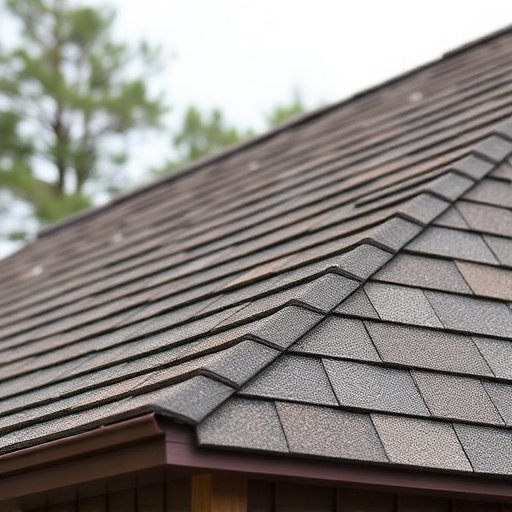
The selection of roofing materials matters in determining the overall cost of a shingle roof. When considering options for your Oro Valley home, understanding the factors that influence pricing is essential. Asphalt shingles, a common choice for this region due to their affordability and availability, can vary widely in cost based on several factors.
One key consideration is the style of shingle you choose. Architectural shingles, known for their complex design and superior durability, tend to be more expensive than traditional three-tab shingles. A local roofing company serving Oro Valley might charge around $1.50 to $2.50 per square foot for architectural shingles compared to $1.00 to $2.00 per square foot for three-tab options. Specialized shingles designed for wind resistance or impact resistance often carry a premium due to their enhanced performance features.
Another material-related factor is the inclusion of starter strips and edge details. These components, which line the edges of your roof, are crucial for both aesthetics and protection. While they contribute only a small portion to the overall cost, their absence can lead to increased maintenance down the line. Shingle underlayment choices also impact pricing; a wider range of underlayment options offers more protection but comes at a higher price point.
Shingle roof ventilation needs are another critical consideration. Proper ventilation helps to regulate roof temperatures, reducing the risk of blistering in the summer heat. Adequate ventilation can extend the lifespan of your shingles and, in turn, influence the overall project cost. Ensuring optimal ventilation requires careful planning and the selection of shingles that work in harmony with your local climate and building codes, as established by the Oro Valley Building Department.
Ventilation's Role: Shingle Lifespan and Efficiency
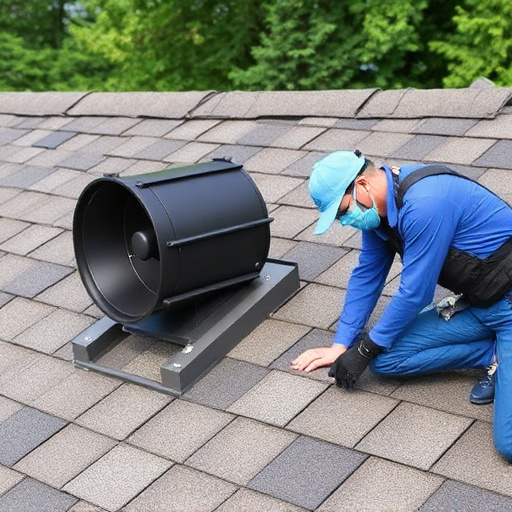
Shingle roofs in Oro Valley face unique challenges and opportunities driven by the region's climate and local regulations. One crucial aspect that significantly impacts both the lifespan and efficiency of these roofs is proper ventilation. Adequate ventilation is essential for several reasons, from preventing heat buildup to mitigating damage from moisture and wind.
In particularly hot climates like Oro Valley, efficient ventilation can extend the lifespan of asphalt shingles. According to ENERGY STAR, proper ventilation can reduce roof temperatures by 40-50F during the summer, slowing the degradation of shingles. This is particularly important as the desert heat can accelerate the aging process of shingles, leading to granule loss, curling, and cupping. A licensed Arizona roofer will often recommend installing vents in the attic and at the ridge line to facilitate air flow. For areas with higher wind speeds, like the foothills and Marana, a Class H wind rating for shingles becomes crucial. This rating indicates the shingle's ability to withstand strong winds, reducing the risk of blow-offs and potential damage to nearby structures.
Shingle roof ventilation needs are also governed by local building codes, such as those enforced by the Oro Valley Building Department. These codes often mandate specific ventilation requirements to ensure both structural integrity and energy efficiency. The SAHOA (Southern Arizona Homeowners Association) may have guidelines on the types and placement of vents, particularly for homes with dark-colored shingles, which can absorb heat more readily. Proper ventilation can help avoid issues like blistering in the summer and cracked shingles after storms, ensuring a well-maintained roof that serves as a reliable barrier against the elements. Regular maintenance, including checking for loose nails and ensuring proper underlayment, in conjunction with adequate ventilation, can extend the lifespan of a shingle roof, making it a cost-effective and efficient choice for Oro Valley homeowners.
Installation and Labor: Pricing Variance Explained

The cost of installing a shingle roof in Oro Valley is influenced by more than just the type of shingle chosen. A roofer with an Arizona ROC license will tell you that labor and installation play a significant role, and these factors can vary widely. The complexity of the job, the roof's size and shape, and the specific requirements for ventilation, ice and water shield, and starter strip can all impact the final price.
A typical residential roof in Oro Valley might require a 25-square foot ventilation area to maintain proper air flow, helping to keep shingles cool and reduce the risk of heat damage in the desert climate. This increases the installation cost slightly, as it demands additional time and labor to ensure the roof meets local building codes and energy-efficiency standards. Similarly, installing an ice and water shield underlayment, especially on sloped roofs, adds to the price tag. This protective layer prevents water damage and ice buildup, safeguarding the underlying structure and shingles.
The placement of the starter strip, a crucial component at the roof's edge, also contributes to labor costs. A licensed roofer will carefully install this strip to ensure a watertight seal, preventing leaks and protecting the entire roof system. While these additional components enhance the overall durability and performance of the roof, they inevitably raise the overall installation and labor price. Homeowners should understand these variables when budgeting for a new roof, ensuring they receive a clear and transparent estimate from a qualified, local roofing contractor.
Frequently Asked Questions About a Plain Language Look at Shingle Roof Costs and What Drives Them
What are the average costs for a new shingle roof in Oro Valley?
In Oro Valley, the average cost for a new shingle roof ranges from $6,000 to $12,000. This price depends on factors like the roof's size, the type of shingles chosen, labor costs, and the complexity of the installation. A smaller residential roof may cost less than a larger commercial roof with additional structural requirements.
What factors influence the cost of a shingle roof?
Several key factors drive shingle roof costs:
- Roof Size and Shape: Larger roofs naturally cost more due to the increased amount of material and labor required. Steep or irregular roof shapes might also add to the price tag.
- Shingle Material: Asphalt shingles are the most common and affordable option. However, high-end materials like metal or tile shingles cost significantly more.
- Labor Rates: The cost of labor varies by region and contractor. DC Roofing of Arizona, a local Oro Valley roofer, charges competitive rates based on experience and expertise.
- Installation Complexity: Roofs with unusual angles, valleys, or complex designs may require additional work, driving up the cost.
How long does it take to install a new shingle roof?
Most new shingle roof installations in Oro Valley take one to two days, depending on the roof's size and complexity. This includes material delivery, preparation, and final cleanup.
Do I need a permit for a new shingle roof?
Yes, in Oro Valley, you typically need a building permit for a new roof. Contact the local building department to understand the specific requirements and application process. DC Roofing of Arizona can assist with permit acquisition as part of their service.
What is the best way to get a free estimate for a new shingle roof?
The best way to get a free estimate is to contact multiple licensed Oro Valley roofers, like DC Roofing of Arizona, and request quotes. Provide them with detailed information about your roof, including size, material preferences, and any specific concerns. In-person or virtual consultations can help ensure you receive an accurate and comprehensive estimate.
What should I look for when comparing roof estimates?
When comparing estimates, pay attention to:
- Detail: A comprehensive estimate should include a breakdown of material, labor, and overhead costs.
- Scope of Work: Ensure all necessary tasks, from removal of the old roof to final cleanup, are included.
- Warranty: Ask about the warranties offered on materials and workmanship.
- Reputation: Check online reviews and ask for references from contractors to gauge their reliability and customer satisfaction.
Understanding the key factors driving shingle roof costs in Oro Valley is essential for any homeowner. From material selection, where desert-rated shingles like GAF and Atlas offer superior longevity, to installation and labor, which can vary significantly based on local conditions and contractors' pricing structures, each aspect plays a crucial role. We've seen that proper ventilation is not just about maintaining the roof's efficiency but also extending its lifespan in the challenging desert climate. By considering these factors, homeowners can make informed decisions, whether choosing between architectural and three-tab shingles, understanding the benefits of cool roof ratings, or planning for replacement when cracks and curling appear after storms. Taking advantage of tax incentives for energy-efficient roofing and adhering to local building codes and HOA design guidelines can further optimize both the cost and performance of a shingle roof. Shingle roof ventilation needs are a critical component often overlooked, but it's a simple step that can significantly impact a roof's durability and efficiency.
Shingle roof costs in Oro Valley are influenced by several key factors, including:
- Shingle type: Architectural shingles are more expensive than three-tab shingles, with costs ranging from $5 to $10 per square foot installed, compared to $3 to $7 per square foot.
- Ventilation needs: Proper ventilation is essential in Oro Valley's desert climate. Adequate ventilation reduces heat build-up, prolongs shingle lifespan, and extends the structure's integrity, with costs factored into the installation.
- Labor and installation: The complexity of the job, roof size, and specific requirements for components like ice and water shields and starter strips impact installation costs. These factors can vary widely, so homeowners should receive clear, transparent estimates from licensed local contractors.
- Material quality and warranties: High-quality shingles with longer warranties can offset initial cost differences. Regular maintenance, as recommended by the Oro Valley Building Department, also contributes to a roof's longevity.