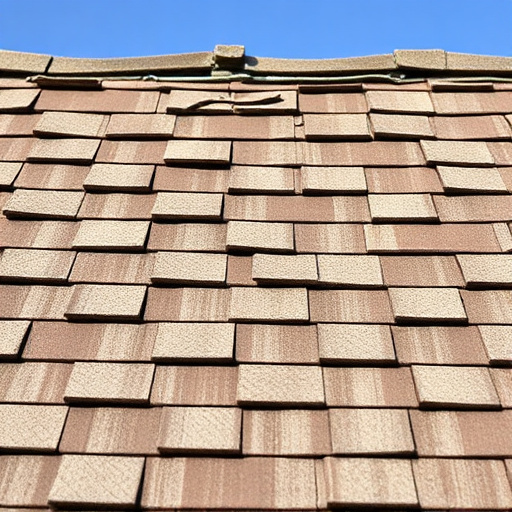
As a homeowner in Oro Valley's unique climate, protecting your roof is crucial. Asphalt shingles, while popular, face significant wear and tear from desert heat, strong winds, and even algae growth. Ignoring these issues can lead to costly leaks and damage. This checklist equips you to identify subtle signs of shingle wear before they become major problems. We'll guide you through examining your roof for granule loss, curling or cupping shingles, blow-off damage, and more, including best practices for replacement and maintaining energy efficiency with the right shingle choices, like those with cool roof ratings and impact resistance. By following these steps, you'll ensure your roof's longevity and protect your investment.
- Inspecting Shingles: Visual Clues to Look For
- Understanding Ridge Caps: Their Role and Wear
- Common Wear Patterns: Potential Leak Indicators
- Maintenance Tips: Proactive Shingle Care
Inspecting Shingles: Visual Clues to Look For

Regularly inspecting your roof is crucial for catching potential problems early, especially in extreme climates like Oro Valley's. Shingles are designed to protect your home from the elements, but over time, they can show signs of wear and tear. When examining your roof for damage, look for specific visual cues that indicate problems, especially before they lead to leaks. This proactive approach can save you from costly repairs and the hassle of unexpected storms.
One of the first things to check is the condition of the shingles themselves. Three-tab shingles, a common style in Oro Valley, are designed to resist high winds and offer excellent durability. However, they can still suffer from issues like curling, cupping, or granule loss. These problems might be visible as uneven edges or missing granules, especially along the ridge caps, which are particularly vulnerable. Extreme thermal cycling-the expansion and contraction caused by daily temperature changes-can weaken shingles, leading to these visual defects.
Pay close attention to the drip edge, a crucial component often overlooked. This is the edge of the roof that runs along the bottom, designed to direct water away from the building. A damaged drip edge can allow water to seep in, starting leaks from the get-go. Also, check for signs of algae or stains, which can indicate a moisture problem. An experienced Oro Valley roof specialist recommends inspecting your roof after heavy rains or during the summer months when moisture issues often arise. Regular maintenance and timely repairs can extend the life of your shingles, ensuring they continue to protect your home effectively.
Understanding Ridge Caps: Their Role and Wear

Shingle ridge caps, often overlooked, play a critical role in protecting your home from leaks and prolonging the life of your roof. These caps, strategically placed along the ridge line, act as a final barrier against water intrusion and help manage airflow, a key factor in preventing heat buildup under your shingles. In the harsh desert climate of Oro Valley, where intense sunlight and high winds can take a toll on your roof, understanding the role and signs of wear for ridge caps is essential.
Over time, ridge caps can become damaged or dislodged, especially during storms or severe weather. Common issues include curling, cracking, or lifting, which can expose the underlying roof structure to the elements. A roofing contractor serving Oro Valley and Marana recommends inspecting your ridge caps for any of these signs. If you notice loose or missing caps, it's crucial to address the issue promptly. Neglecting ridge cap maintenance can lead to more severe problems, as water can seep into the underlayment and cause extensive damage to your ceiling and insulation.
To ensure optimal performance, consider installing ENERGY STAR-rated shingles, which often come with enhanced wind resistance and improved durability. Pairing these with properly installed ridge vents can further protect your roof. Ridge vents allow hot air to escape, reducing the internal heat build-up that can cause shingles to become brittle and more susceptible to damage. By regularly checking your ridge caps and maintaining proper ventilation, you can significantly improve your home's defense against leaks and extend the life of your roof, potentially saving you from costly repairs in the long run.
Common Wear Patterns: Potential Leak Indicators
Homeowners in Oro Valley, with their unique climate and varying roof styles, must be vigilant in monitoring their roof health, especially for asphalt shingles. Regular inspection is key to preventing leaks and costly repairs. This checklist focuses on identifying common shingle wear patterns that signal potential leak issues, highlighting the importance of proactive maintenance.
One of the most visible indicators of shingle deterioration is the shingle ridge cap-the small overhang at the peak of the roof. Over time, these caps can become damaged, curled, or missing, exposing the underlying shingles to harsh UV rays. The intense desert sun in Oro Valley accelerates this process, leading to granule loss and discoloration. Look for curled or missing ridge caps, as these may indicate a more extensive problem. Class 4 impact-rated shingles, often reinforced with a fiberglass mat, are designed to withstand harsh conditions, but even these can fail if not properly maintained.
Another sign to watch for is curling or cupping shingles. This phenomenon occurs when shingles become detached from their underlayment, often due to poor installation or moisture buildup. Shingles may appear raised at the edges or curled inward, resembling a wave. This is a red flag, especially if paired with dark spots or stains, which can signal algae growth or moisture damage. Examine the granule layer for missing or dislodged granules-a sign of aging or physical damage. A licensed Arizona roofer recommends inspecting your roof after extreme weather events, as hail, strong winds, and storms can cause significant shingle damage, further exacerbating these issues. Regular maintenance and prompt repair of worn-out components can significantly extend the lifespan of your roof.
Maintenance Tips: Proactive Shingle Care

As a homeowner in Oro Valley's unique climate, keeping an eye on your roof's health is crucial. Proactive shingle care can prevent leaks and costly repairs. This section offers a detailed checklist and maintenance tips to ensure your roof stays in top condition. Regular inspections, especially after extreme weather events, are key to spotting potential issues early on.
One of the first signs of trouble you might notice is granule loss. These tiny shingles are designed to protect the underlying layers from the harsh desert sun and wind. Over time, exposure can cause them to wear away, revealing the more vulnerable parts of the roof. In Rancho Vistoso, where strong winds are not uncommon, examining your roof for loose granules after a storm is essential. If you notice significant granule loss, especially around the edges and valleys, it might be time to consider a repair or replacement.
Ridge venting, like shingle ridge caps, matters in maintaining a healthy roof. These vents, located at the peak of the roof, help control air flow, reducing pressure buildup and promoting even drying. Ensuring they are properly installed and functional is a crucial part of your routine maintenance. DC Roofing of Arizona, a local expert, recommends inspecting these vents regularly for debris buildup. Cleaning them out can prevent potential problems caused by blocked air flow, such as curling or cupping shingles, which are common issues in the extreme temperatures of Oro Valley.
Keep an eye out for signs of structural damage, like curled or cracked shingles. These could indicate excessive heat buildup or wind stress. After a storm, check for loose or missing shingles, especially in low-slope areas. While some minor repairs can be done yourself, for instance, replacing a few missing granules or nailing down a curling shingle, more extensive issues might require professional attention. The Oro Valley Building Department provides guidelines and regulations to help you understand when to call in a licensed roofer, ensuring your home's safety and compliance with local building codes.
Frequently Asked Questions About a Homeowner Checklist for Spotting Shingle Wear Before It Leaks
What is the purpose of a homeowner checklist for shingle wear?
The checklist is a proactive tool designed to help homeowners regularly inspect their roofs. By identifying signs of wear and tear early, homeowners can prevent minor issues from becoming costly leaks and extensive repairs. It's a simple, effective way to maintain the integrity of your roof and protect your home from water damage.
How often should I check my roof for wear?
It's recommended to conduct a thorough roof inspection at least twice a year, ideally in the spring and fall. Seasonal changes can highlight differences in temperature, moisture, and sunlight exposure, making it easier to spot potential problems. Regular, consistent checks are key to early detection.
What should I look for during a shingle wear inspection?
Look for curled, cracked, or missing shingles. Check for signs of blisters or damage to the underlayment, the layer beneath the shingles that provides additional protection. Pay attention to dark spots or discolored areas, which could indicate leaks or moisture buildup. Inspect the gutters and downspouts for clogs, as they can contribute to water pooling and roof damage.
Can I spot shingle wear from the ground?
While some issues can be visible from the ground, a complete inspection often requires climbing up to the roof or using a ladder. Close inspection is necessary to accurately identify minor wear and tear that might go unnoticed from below. If you're unsure, it's best to call a professional roofer.
What should I do if I find signs of shingle wear?
If you notice any issues, don't delay. Contact a licensed Oro Valley area roofing contractor like DC Roofing of Arizona for a professional evaluation. Early repair or replacement can prevent further damage and costly repairs in the future.
How can I protect my roof from wear and tear?
Regular cleaning and maintenance, including removing debris and inspecting for damage, significantly slows the aging process. Using high-quality shingles and ensuring proper installation also contribute to a longer-lasting roof. Keeping gutters clear and addressing leaks promptly are essential for safeguarding your roof.
As you've learned, maintaining your Oro Valley roof is crucial to prevent leaks and costly repairs. By regularly inspecting your shingles, paying close attention to ridge caps, and understanding common wear patterns, you can catch potential issues early. Key takeaways include recognizing the vital role of shingle ridge caps in sealing your roof, understanding that dark colors absorb more heat, and knowing when to replace or repair based on granule loss, curling, or cracks.
Don't wait for shingles to fail-proactive care is key. Regular cleaning, re-fastening loose nails, and replacing missing or damaged shingles can extend their lifespan. Remember, the earlier you spot wear, the less likely you'll face a leaky roof or extensive repairs.
Moving forward, incorporate these practices into your annual roof maintenance routine. Stay informed about local building codes, energy-efficient roofing options, and the latest in shingle technology. By doing so, you'll protect your investment and ensure your Oro Valley home remains secure and weather-tight for years to come.
Homeowner's Guide to Oro Valley Roof Inspection: Spotting Shingle Wear Before Leaks
Regularly inspect your Oro Valley roof for signs of wear, especially after extreme weather. Look for:
- Shingle Ridge Caps: Check for curling, cupping, or missing granules, exposing the underlayment to damage.
- Granule Loss: Even tiny losses can indicate increased vulnerability to harsh conditions.
- Venting: Ensure ridge vents are clear of debris, promoting airflow and preventing heat buildup.
- Structural Damage: Curled, cracked, or loose shingles can signal heat stress or wind damage.
Proactive maintenance, addressing issues early, saves costs and extends your roof's life. Consult with a licensed Arizona roofer for guidance and regular inspections.