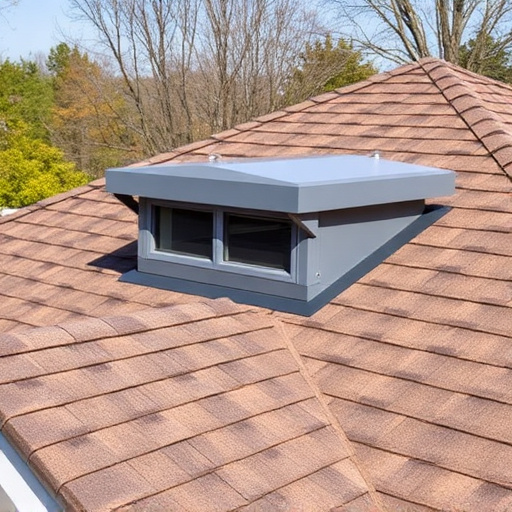
Shingle roofs are a staple of Oro Valley's residential landscape, protecting homes from the region's sun and storms. However, these durable materials can still fall victim to damage, from lifted tabs after a strong wind to granule loss from prolonged desert heat. The appearance and longevity of your roof depend on prompt and proper repairs, especially after the often severe weather events that can occur in Oro Valley. This guide provides a comprehensive approach to repairing various common issues, from minor problems like curled or cupped shingles to more significant challenges like cracked shingles after storms, ensuring your roof remains a vital, protective barrier for your home.
- Assessing Shingle Damage: Lifted Tabs and Granule Loss
- Understanding Cracked Shingles: Storm-Related and Beyond
- Repairing and Replacing Shingle Tabs and Granules
- Maintaining Shingle Integrity: Post-Storm Care and Prevention
Assessing Shingle Damage: Lifted Tabs and Granule Loss
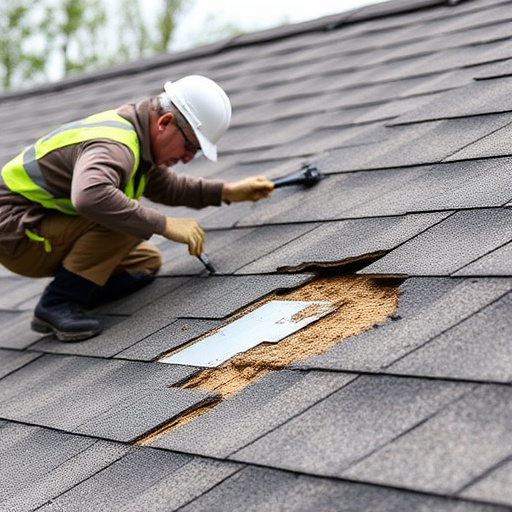
Assessing shingle damage, especially after a storm, is crucial for maintaining your Oro Valley roof's longevity. One common issue homeowners notice is lifted tabs, where individual shingles' tabs (the smaller, raised portions) become dislodged. This problem can expose the underlayment to weather, potentially leading to further damage. The same storm events often cause granule loss, a significant concern for homeowners in the Catalina Foothills region due to the intense sunlight and heat. Shingle granules, which protect the roof from UV damage and provide a smooth finish, can wash away during heavy storms or fade over time in the harsh desert climate.
When inspecting your roof for these issues, look for missing or curled shingles, which may indicate granule loss or damage from high winds. The impact of hail or strong winds can also lead to curled and cupped shingles, a sign that your roof may need immediate attention. A roofer with an Arizona ROC license can help assess these issues, especially when there's a potential need for a partial or full replacement. If your roof has reached its expected lifespan, but the damage is localized, replacing a few shingles may be more cost-effective than a full replacement, saving you money and time.
Regular maintenance, including cleaning and inspecting your roof, is essential, especially in areas prone to intense sunlight. Using ridge vents, which allow for better airflow at the roof's ridge line, can help mitigate the effects of blistering shingles in the summer and improve overall ventilation. Ensuring proper underlayment and considering impact-resistant shingles, especially after storm events, can protect your investment and prevent future cracked shingles. Regular checks, especially after storms, can help you catch these issues early, ensuring your Oro Valley roof remains in top condition.
Understanding Cracked Shingles: Storm-Related and Beyond
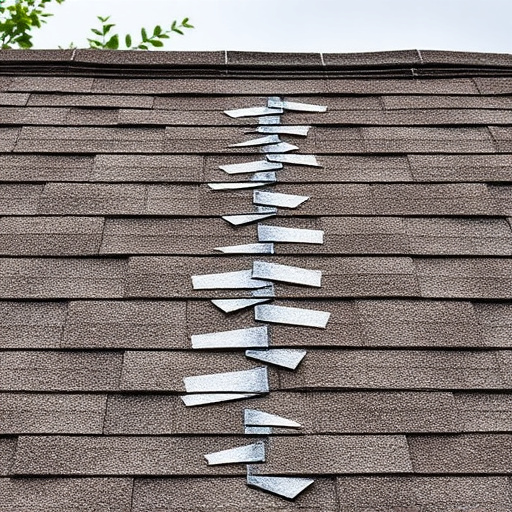
Cracked shingles are a common concern for homeowners in Oro Valley, often surfacing after extreme weather events or simply as a result of the region's unique climate. This issue goes beyond mere aesthetics; cracked or damaged shingles can compromise the structural integrity of your roof and lead to further, more costly problems. This section examines the various types of cracks, their causes, and the best course of action, focusing on storm-related damage but also providing a broader understanding of this common roofing concern.
In Oro Valley, where extreme weather events are rare but powerful, the impact on roofs can be significant. High winds, heavy rainfall, and even hailstorms can leave behind a trail of damaged shingles. One key sign to look for is the presence of cracked shingles, which can range from small hairline fractures to large, deep splits. These cracks may occur due to the stress of high winds, the force of debris during storms, or the rapid expansion and contraction caused by temperature changes. Interestingly, ENERGY STAR-rated shingles have been shown to withstand such conditions better than standard shingles, making them a smart choice for Oro Valley residents looking to protect their investment.
The location of cracks is crucial. They often appear along the edges, at the valleys, or near the ridge caps of the roof. A common problem in low-sloped roofs with little slope or where a drip edge is missing or damaged, is the concentration of stress at the edges, leading to cracked shingles. Homeowners in the Saddlebrooke area, known for its unique architectural style, often face specific challenges related to their roof's design, including the need for careful maintenance to prevent cracks from developing.
When dealing with cracked shingles, especially after storms, a thorough inspection by a local roofing company serving Oro Valley is essential. The expert roofer will assess the extent of the damage and provide tailored solutions. Repairs can range from replacing individual shingles to extensive roof replacements, depending on the severity. In many cases, repairing the cracks is a cost-effective solution, prolonging the life of the existing roof. However, if the roof is old, or the damage extensive, it might be more prudent to consider a complete shingle replacement, ensuring a secure and durable barrier against the elements.
Repairing and Replacing Shingle Tabs and Granules
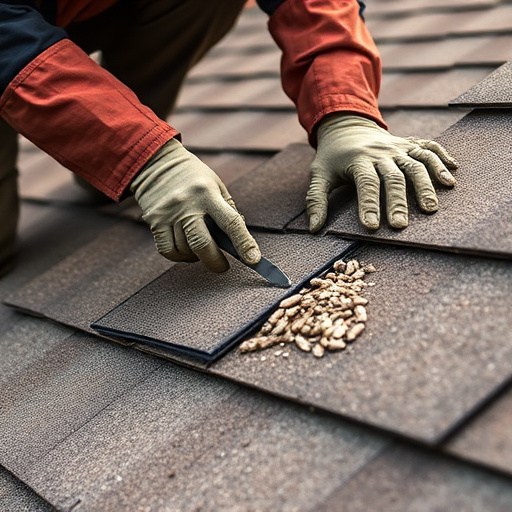
Shingle repairs, particularly fixing lifted tabs and granule loss, are common issues in Oro Valley's unique climate. The desert heat can accelerate these problems, leading to not only aesthetically displeasing cracked shingles after storms but also structural vulnerabilities. Shingle tabs are the flat, overlapping parts of an asphalt shingle, and granules are the small, granular material that covers the surface. Both play crucial roles in a shingle's effectiveness.
When a shingle tab is lifted, it exposes the underlying layers to moisture and sunlight, which can cause the entire shingle to deteriorate faster. This often occurs due to improper installation, poor underlayment, or natural wear and tear. Homeowners in the Catalina Foothills may notice lifted tabs more frequently because of the region's intense sunlight and occasional strong winds. To repair a lifted tab, a roofing contractor serving Oro Valley and Marana recommends first removing the damaged shingle and replacing it with a new one, ensuring proper alignment and securing it with nails or staples. Using synthetic underlayment can also help prevent tab lifting by providing an extra layer of protection against moisture and UV rays.
Granule loss, on the other hand, involves the dislodging of the small particles that protect the shingles from heat, UV radiation, and rain. This issue is often a result of age, hail damage, or poor installation. As granules wear away, the shingles' lifespan is reduced, and their reflective properties diminish, leading to increased energy absorption and heat buildup. To address granule loss, homeowners should check their roofs regularly, especially after storms or in areas prone to hail. In many cases, a simple cleaning with a high-pressure washer can remove loose granules. However, if the loss is extensive, a complete shingle replacement might be necessary, especially if the local building codes or homeowners association (HOA) architectural review require a certain minimum granule coverage. An HOA might have specific guidelines regarding the color and condition of shingles, so checking with them before any replacement is wise.
Maintaining Shingle Integrity: Post-Storm Care and Prevention
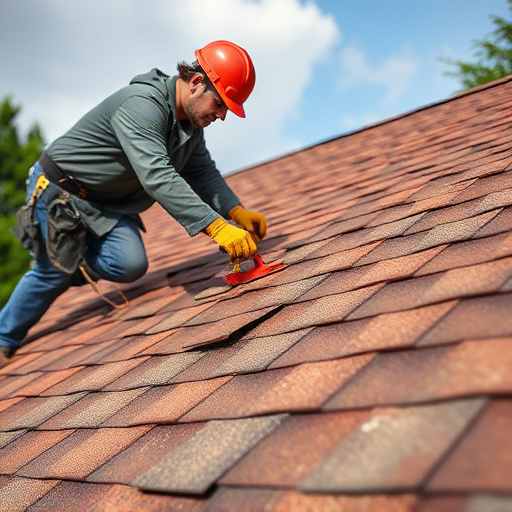
Post-storm care and prevention are crucial for maintaining the integrity of your Oro Valley roof. When severe weather hits, it can leave behind cracked shingles, lifted tabs, and granule loss, all of which weaken your roof. Prompt action can prevent further damage and ensure your home stays protected.
After a storm, inspect your roof for any visible damage. Look for curled or cupped shingles, which indicate potential problems with wind resistance, and check for loose or missing granules-a sign of aging or physical damage. If you notice any cracked shingles, especially those with exposed mat, it's crucial to address them immediately. Ignoring these issues can lead to further complications, such as water intrusion and structural damage. The Oro Valley Building Department recommends regular maintenance and prompt repair to ensure compliance with local building codes.
To prevent future issues, consider the solar reflectance of your shingles, especially in Oro Valley's desert climate. Dark shingles absorb heat, which can contribute to blistering in the summer months. Ensure proper ventilation, especially with ridge vents, to maintain consistent air flow under the shingles. This is crucial for preventing heat build-up, which can contribute to curling and cupping. Remember, an HOA architectural review might be necessary for significant changes, so consult with your local association regarding any alterations to your roof.
Regular maintenance, including cleaning gutters and checking for loose shingles, can catch potential problems early. By addressing issues like cracked shingles after storms promptly, you protect your home and avoid costly repairs down the line.
Frequently Asked Questions About a Guide to Shingle Repairs, from Lifted Tabs to Granule Loss
What are the most common reasons for shingle damage? Shingle damage can stem from various factors, including extreme weather conditions like high winds, hailstorms, or heavy snowfall. Normal wear and tear over time can also lead to issues, with age-related degradation being a significant concern. Poor installation or improper maintenance can contribute to problems like lifted tabs, granule loss, and blistered shingles.
How do I know if my shingles need repairing or replacing? Examine your roof for any signs of damage. Lifted or curled shingles, granule loss (small, granular material that protects the shingle), and blisters (bulging areas) are indicators of potential problems. If these defects are widespread or affecting the structural integrity of your roof, it's advisable to consult a licensed roofer from DC Roofing of Arizona for a professional assessment. They can determine if repairs or a full replacement is necessary.
What is the typical cost for shingle repairs? The cost for shingle repairs varies based on the extent of the damage and the size of the roof. Small repairs, like fixing lifted tabs, can range from $100 to $300. More extensive issues, such as replacing missing or damaged shingles, could cost between $500 and $1500 or more. For major repairs or roof replacements, it's best to obtain quotes from multiple local roofing contractors to get a more accurate estimate.
Can I perform shingle repairs myself, or should I hire a professional? While some minor repairs, like re-securing lifted tabs, might be DIY-friendly, most shingle repair work is best left to professionals. Shingle repair requires specific skills and tools, and improper repairs can lead to further damage or compromise the roof's protection. A licensed Oro Valley area roofing contractor, like DC Roofing of Arizona, has the expertise and experience to handle repairs effectively and ensure your roof's longevity.
How often should I inspect my shingles for damage? Regular inspections are crucial for maintaining a healthy roof. It's recommended to inspect your roof at least once a year, preferably after the busy summer season and before the next winter. This allows you to identify and address issues early, preventing minor problems from escalating into costly repairs. Keep an eye out for any signs of damage and contact a local roofing company serving Oro Valley and Marana if you notice any concerns.
What can I do to prevent shingle damage? To minimize shingle damage, consider the following: maintain proper roof ventilation to reduce heat buildup, which can cause shingles to deteriorate; keep gutters clean to prevent water damage; and regularly inspect and replace missing or loose shingles. Choosing impact-resistant shingles, especially in areas prone to hail, can significantly reduce the risk of granule loss and other hail-related damage.
Understanding and addressing shingle damage is crucial for maintaining the integrity and longevity of your Oro Valley roof. By assessing issues like lifted tabs and granule loss, homeowners and contractors can take proactive measures to prevent more serious problems, especially after storms. The key to successful repairs lies in repairing or replacing individual tabs and granules as needed, while ensuring proper underlayment and ventilation to mitigate future issues. Recognizing the signs of cracked shingles-whether from storms or other factors-is vital for timely intervention. Regular post-storm care and prevention strategies, guided by local building codes and HOA guidelines, can significantly reduce the impact of extreme weather on your roof. This article offers practical insights into these processes, empowering you to make informed decisions and collaborate effectively with licensed Oro Valley roofing contractors.
Oro Valley Roof Repairs: Addressing Lifted Tabs, Granule Loss, and Cracked Shingles
Main issues:
* Lifted Tabs: Shingle tabs (raised portions) become dislodged, exposing underlayment and leading to further damage.
* Granule Loss: Intense sunlight and heat cause shingles' granules (protective coating) to wash away or fade, compromising the roof's protection.
* Cracked Shingles: Extreme weather, including storms and temperature fluctuations, lead to hairline fractures or large splits in shingles, impacting structural integrity.
Practical Steps:
* Regular Inspection: Check for missing or curled shingles, especially after storms.
* Prompt Repair: Replace damaged or cracked shingles immediately to prevent further issues.
* Consider Roof Replacement: If damage is localized, replacing a few shingles may be cost-effective, but extensive damage might require a full replacement.
* Preventive Measures:
* Use impact-resistant shingles after storms.
* Install proper underlayment.
* Ensure adequate ventilation.
* Opt for shingles with high solar reflectance for energy efficiency.