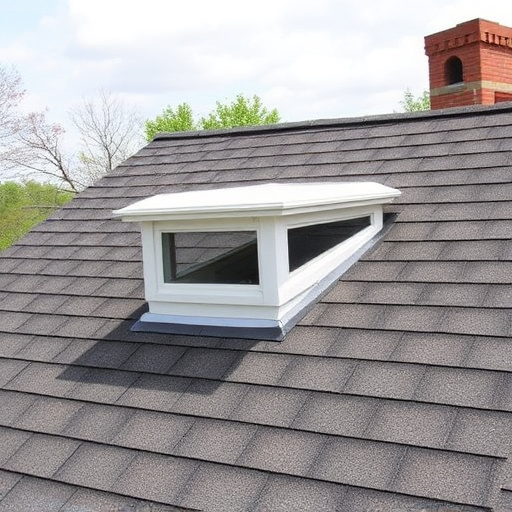
Choosing the right shingle colors for your Oro Valley roof is a crucial step in protecting your home from the harsh desert heat and ensuring compliance with local Homeowners Association (HOA) rules. The desert climate presents unique challenges, with intense sunlight and high temperatures accelerating the aging process of shingles. This article will guide you through the process of selecting durable, heat-resistant shingles that meet your aesthetic preferences while adhering to HOA guidelines. We'll examine the factors affecting shingle lifespan, the role of proper underlayment choices, and how to balance functionality with community design standards. By the end, you'll have the knowledge to make informed decisions about your Oro Valley roofing project.
- Understanding Desert Heat Impact on Shingles
- Navigating HOA Rules for Shingle Color Choices
- Optimal Shingle Underlayment for Desert Conditions
- Long-Term Shingle Performance in Arid Environments
Understanding Desert Heat Impact on Shingles
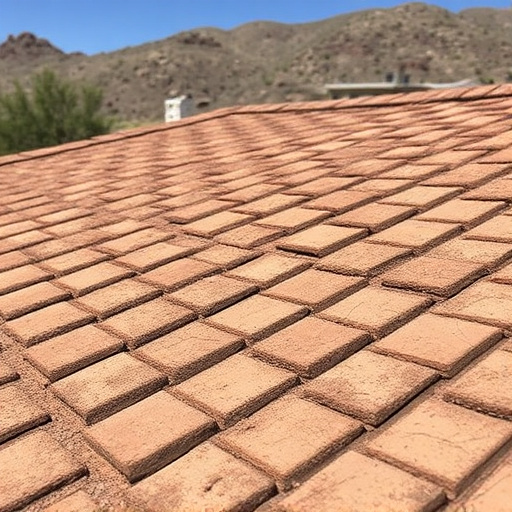
Choosing the right shingle color for an Oro Valley roof involves understanding how desert heat impacts your selection. The extreme fluctuations in temperature, known as thermal cycling, can affect shingles' performance and lifespan. During the day, intense sun exposure heats shingles, causing them to expand. At night, rapid cooling contracts them. This cycle can lead to curling, cupping, and even cracking, especially in materials not designed for such extreme conditions.
Shingles rated for desert environments are crucial. Manufacturers like GAF and Atlas offer lines designed to withstand the heat and UV exposure unique to the Oro Valley climate. These shingles often incorporate enhanced granule layers and cooler pigments that reflect sunlight, reducing heat transfer to the roof deck. A roofer with an Arizona ROC license will be familiar with these ratings and can guide you in choosing suitable options.
When selecting a color, consider the shingle underlayment choices. A reflective underlayment, like ice and water shield, can further enhance heat protection by reflecting sunlight and creating a barrier against thermal transfer. Combining these underlayments with the right shingle color-preferably light-colored-can significantly mitigate the effects of thermal cycling. Proper ventilation, such as ridge vents, aids in maintaining a constant roof temperature, further extending the life of your shingles. These strategies work in tandem to ensure your Oro Valley roof stays in top condition, even under the intense desert heat.
Navigating HOA Rules for Shingle Color Choices

Choosing shingle colors for your Oro Valley roof involves balancing aesthetics with functional considerations, especially in a desert climate. Beyond selecting between architectural or three-tab styles, a critical aspect is navigating the Homeowners Association (HOA) rules that dictate color choices. These rules, often driven by the local community and its aesthetic preferences, can significantly impact your roof's appearance and long-term performance.
HOA guidelines typically focus on maintaining a cohesive, desirable look within the neighborhood. In Oro Valley, many HOAs have specific color charts and guidelines, often favoring neutral or traditional shades. Light-colored shingles can be preferred to reflect the intense desert sun, reducing heat absorption and improving energy efficiency. However, some HOAs may restrict lighter hues, favoring darker colors to blend with the existing landscape. When making your selection, consult the HOA's design guidelines carefully. Failure to adhere to these rules can result in fines or the need for costly repairs or replacements.
When considering shingle underlayment choices, a Class H wind rating is essential, as it ensures your roof can withstand Oro Valley's strong desert winds. Synthetic underlayments, like those offered by DC Roofing of Arizona, are popular for their durability and wind resistance. They provide an excellent option for those looking to meet both functional and aesthetic requirements. A Rancho Vistoso community might specify a dark, desert-inspired color with a synthetic underlayment to blend seamlessly with the surrounding environment while protecting against high winds.
Remember, understanding and adhering to HOA rules is crucial. Reviewing the guidelines with your chosen roofing contractor, like DC Roofing of Arizona, can help ensure your new roof not only meets the required standards but also enhances your home's value within the community. This collaborative approach ensures your roof is functional, durable, and in compliance with Oro Valley's specific requirements.
Optimal Shingle Underlayment for Desert Conditions
Choosing the right shingle underlayment is crucial for a roof that performs well in the extreme heat and conditions of the Oro Valley area. When selecting underlayment, consider the specific demands of the desert climate, which can lead to rapid evaporation, intense sunlight, and fluctuating temperatures. An experienced Oro Valley roof specialist recommends a high-quality, reflective underlayment to reduce heat absorption and minimize the risk of damage from extreme weather.
An ice and water shield underlayment can offer enhanced protection against high winds, extreme temperatures, and the elements that are common in the Marana region. This type of underlayment is designed to reflect heat and provide a secondary barrier against water penetration, which is essential in a region with frequent thunderstorms. By choosing a reflective material, you can help reduce the temperature buildup under the shingles, preventing excessive stress that might lead to curling, cupping, or even granule loss.
Shingle underlayment choices play a critical role in maintaining your roof's integrity and longevity, especially when dealing with desert conditions. Manufacturers offer various options, from traditional paper underlayments to more modern, reflective materials. When selecting, consider the local building codes and the specific requirements of your home's design. A low-slope roof may necessitate a specific underlayment type that can handle reduced water runoff and provide adequate coverage. Always consult with local roofing contractors who are familiar with the area's unique challenges, such as the intense sun and potential for hail.
Remember, the right underlayment can make a significant difference in your roof's performance and your home's energy efficiency. Tax incentives for energy-efficient roofing, as provided by the IRS, can make these choices even more appealing. By prioritizing the optimal underlayment for your Oro Valley roof, you're not just protecting your home from the elements; you're also making a smart investment in its future.
Long-Term Shingle Performance in Arid Environments
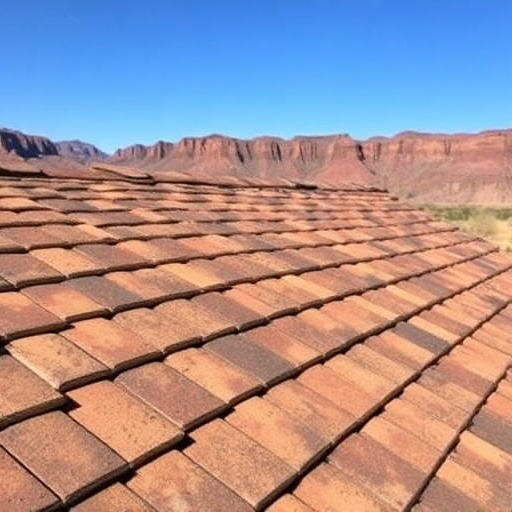
Choosing the right shingle colors for your Oro Valley home, especially in the arid climate, involves understanding long-term performance and navigating HOA rules. Asphalt shingles, a popular choice in the Catalina Foothills, need to withstand extreme heat, high winds, and UV exposure. The lifespan of shingles in desert environments can be significantly impacted by the quality of the materials used, including the shingle underlayment choices.
When selecting a shingle color, consider the darkening effect of the desert sun. Lighter-colored shingles reflect sunlight, helping to keep your home cooler. Three tab shingles, often seen in the area, may not handle the intense heat as well as more advanced styles. Darker shingles can absorb heat, leading to increased roof temperatures and potentially faster degradation of the shingles. However, with proper shingle underlayment choices, like reflective or vented underlayments, you can mitigate these effects. These underlayments act as an extra layer of protection, enhancing the shingles' ability to resist heat transfer and improving overall performance.
HOA rules also play a crucial role in your decision. Many HOAs in Oro Valley have specific guidelines on shingle colors and styles. Some HOAs may require lighter colors to maintain a consistent aesthetic or reduce energy consumption. Others might mandate impact-resistant or cool roof shingles, which offer added benefits like reduced energy costs and better protection against extreme weather. It's essential to check with your HOA before making a final decision. DC Roofing of Arizona, a local roofing contractor, recommends evaluating your roof's slope, local climate patterns, and long-term goals for energy efficiency when choosing shingles. A cost-benefit analysis, considering both the initial installation and maintenance costs, can help you make an informed choice that aligns with your budget and the specific demands of your Oro Valley home.
Frequently Asked Questions About advice on choosing shingle colors that handle desert heat and HOA rules
What are the key considerations when choosing shingle colors for a desert climate?
When selecting shingle colors for an Oro Valley home in a desert environment, consider the intense sun exposure and heat. Lighter-colored shingles reflect sunlight, reducing heat absorption. Opt for reflective materials like white, light gray, or cool-toned shades. Check local building codes and Homeowners Association (HOA) rules. Some HOAs have specific color guidelines to maintain aesthetic consistency within the community.
How do I ensure my shingles can withstand the extreme heat?
Look for shingles rated for high-temperature performance. Check the manufacturer's specifications for heat resistance. Shingles designed for desert climates often have a lower fire rating and better reflection properties. Also, consider the underlayment-a reflective, moisture-resistant layer under the shingles-which can help manage heat transfer.
Can I choose any color if my HOA allows it?
While HOAs may have flexibility in their rules, it's best to consult their guidelines. Some colors, especially vibrant or dark shades, might be discouraged due to their heat-absorbing properties. Even if they permit a color, consider the long-term effects on your roof's temperature and energy efficiency.
Are there any local codes or regulations to follow?
Absolutely. Oro Valley has specific building codes, and the local building department should be your first stop. They can guide you on permitted shingle colors and materials. Keep in mind that energy-efficient building practices are often encouraged, which might influence your color choices.
How do I balance aesthetics with functional considerations?
Find a balance by selecting colors that complement your home's exterior while also managing heat. Consider the overall design and the impact of the color on your home's curb appeal. You can also consult with a local roofing expert, like DC Roofing of Arizona, who can offer expert advice tailored to your region.
What about the environmental impact of my shingle choices?
Lighter-colored shingles generally have a lower environmental impact as they reduce the 'heat island' effect, where urban areas become significantly warmer than their rural surroundings. This is a growing concern in arid regions like Oro Valley. Choosing reflective materials can contribute to a more sustainable and energy-efficient community.
When choosing asphalt shingles for your Oro Valley home, understanding the desert heat's impact and adhering to HOA guidelines are crucial for both aesthetic appeal and long-term performance. The article highlights several key considerations:
First, desert heat can accelerate the aging process of shingles, leading to granule loss and curling. To combat this, opt for desert-rated shingles from manufacturers like GAF and Atlas, which are designed to withstand extreme temperatures. Selecting the right shingle underlayment choices is vital. In arid environments, choosing a reflective underlayment can reduce heat absorption and help extend the lifespan of your shingles.
HOA rules often dictate acceptable shingle colors to maintain a uniform community look. It's essential to consult the association's design guidelines, ensuring your color selection complies with these regulations. While light-colored shingles reflect heat and reduce cooling costs, dark colors can absorb it, impacting energy efficiency.
Regular maintenance, such as checking for cracks, nail pops, and algae stains, is essential. Replacing a few damaged shingles or the entire roof depends on factors like the extent of damage and local wind ratings. Regular inspections and timely repairs can significantly impact the overall roof health and performance.
Choosing the right shingle type, color, and underlayment, along with adhering to HOA rules, will contribute to a durable and aesthetically pleasing roof in Oro Valley's desert climate. These practical considerations ensure your home's investment is protected for years to come.
Choosing the right shingle colors and shingle underlayment choices for your Oro Valley home involves considering desert heat, HOA rules, and long-term performance. Lighter colors reflect heat, reducing energy costs. Shingle underlayment choices like reflective or vented underlayments enhance heat resistance and protect against extreme weather. HOAs often dictate color and style, so consult guidelines to avoid fines or costly repairs. Consult a local roofing contractor to evaluate your roof's needs and make an informed decision.