In Oro Valley, as in many desert regions, your roof is a crucial defense against the elements. Asphalt shingles, a popular choice for their durability and cost-effectiveness, are subject to unique challenges in our climate. High winds, intense sunlight, and the heat of summer can all contribute to granule loss, curling, and even blow-off, requiring timely repairs. This article provides a comprehensive, plain-language guide to understanding the factors driving shingle roof costs, from the impact of local climate patterns and building codes to the role of underlayment, ventilation, and even HOA design guidelines. By the end, you'll have the knowledge to make informed decisions about when to repair or replace, ensuring your Oro Valley home stays protected. We'll also explore the value of energy-efficient options and the role of professionals like DC Roofing of Arizona in navigating these complexities, ultimately helping you make a sound investment in your home's most important defense.
- Understanding Shingle Roof Costs: Key Factors
- Assessing Shingle Damage: Common Scenarios
- Shingle Blow-Off Repair: When and Why
- Long-Term Savings: Preventive Measures & Maintenance
Understanding Shingle Roof Costs: Key Factors
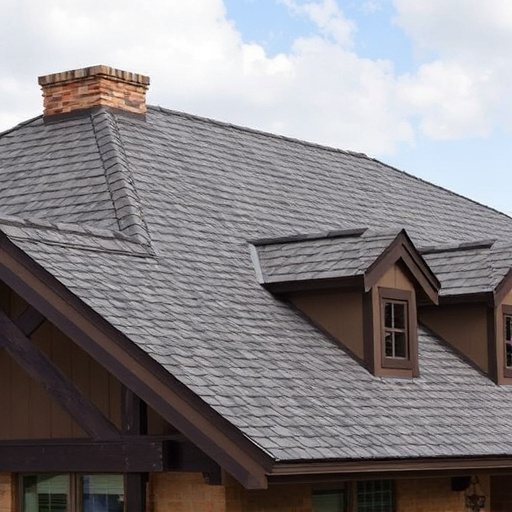
Shingle roof costs in Oro Valley, Arizona, can vary greatly based on several key factors. The type of shingle-such as architectural versus three-tab-and its quality play a significant role. In Oro Valley's climate, with prolonged UV exposure and high temperatures, durable, desert-rated shingles like those from GAF or Atlas are recommended. These materials are designed to withstand harsh conditions and maintain their integrity over time, reducing the need for frequent replacements or repairs, like shingle blow-off, which can be a costly concern.
The local labor costs, as reported by the Bureau of Labor Statistics, also influence the final price. Skilled roofing contractors serving Oro Valley and Marana will factor in the complexity of the job and the time required, which can vary based on the roof's size, pitch, and the need for specialized materials. A roofing contractor in Saddlebrooke might charge different rates based on the unique challenges of installing shingles on low slopes or in areas prone to wind and hail damage, which necessitate impact-resistant or wind-rated shingles.
Another critical factor is the underlayment choices. Fiberglass mat underlayments are common and provide an effective barrier against moisture and damage. However, some contractors might recommend more advanced options, such as self-adhering underlayments or reflective underlayments for energy efficiency, which can add to the overall cost. Clients may face tax incentives for energy-efficient roofing, as promoted by the IRS, which can offset the initial investment. Understanding these variables is crucial for homeowners looking to budget for a shingle roof replacement or repair.
Assessing Shingle Damage: Common Scenarios
Assessing Shingle Damage: Common Scenarios
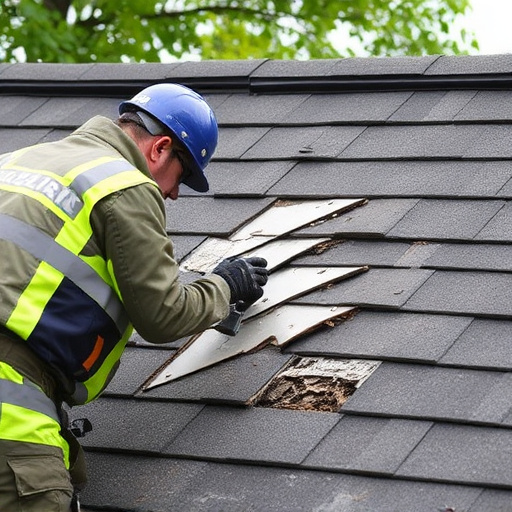
Shingle blow-off repair is a common concern in the Oro Valley climate. The region's hot, dry winds, especially during the summer, can dislodge shingles, creating a safety hazard and potential entry points for water. Architectural shingles, with their Class H wind rating, are designed to withstand these conditions, but no roof is entirely immune. Inspectors and licensed Arizona roofers often look for signs of damage like curled or missing shingles, granule loss, and exposed fiberglass mat. These issues can indicate a need for immediate repair or replacement.
A home in Oro Valley might exhibit curling and cupping shingles after a particularly fierce storm. This can be a result of impact damage, which can be exacerbated by the region's frequent hail events. The damage may not be immediately visible from the ground, requiring a detailed inspection. If only a few shingles are affected, a repair may be all that's needed, focusing on both the damaged shingles and their underlayment. However, if the damage is widespread, it might be more economical to replace the entire roof, especially if the shingles are older and nearing the end of their lifespan.
The Oro Valley Building Department provides guidelines and regulations regarding roof replacements, considering both safety and aesthetic value. By understanding these factors, homeowners can make informed decisions about when to repair and when to replace, ensuring their homes remain protected year-round.
Shingle Blow-Off Repair: When and Why
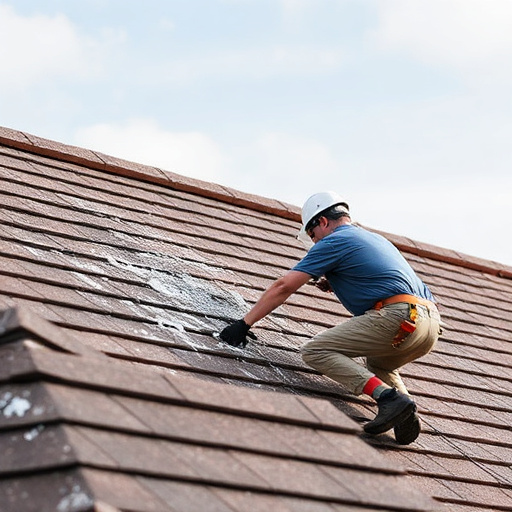
Shingle blow-off repair is a critical yet often overlooked aspect of roof maintenance, particularly in Oro Valley's harsh desert climate. This phenomenon occurs when high winds, common during the area's monsoon season, dislodge granule shingles, exposing the underlying mat and compromising the roof's protective layer. A local roofing company serving Oro Valley notes that this issue can significantly reduce a roof's lifespan, especially on older installations with standard three-tab shingles.
While some minor granule loss is inevitable over time, a Class H wind rating-the highest category for shingles designed to withstand extreme wind conditions-can significantly mitigate the risk of blow-off. Manufacturers like GAF and Atlas, known for their desert-rated shingles, offer such products designed to resist high winds. Their synthetic underlayment options, often paired with impact-resistant shingles, create a more robust barrier against the elements, including powerful gusts.
When addressing blow-off damage, professionals may recommend either repairing or replacing the affected shingles. Repair involves re-nailing loose shingles and securing the underlayment, a cost-effective solution. However, if granule loss is extensive, particularly in older roofs, replacement might be the better long-term investment. Homeowners should consult with roofing contractors who can assess the damage and provide a detailed cost analysis, considering the roof's age, type, and local wind patterns. Regular maintenance, including checking for loose nails and granule loss, can help prevent more severe issues and costly repairs.
Long-Term Savings: Preventive Measures & Maintenance

In the long term, the most effective way to maximize the cost-efficiency of your shingle roof is through proactive maintenance and preventive measures. While initial installation costs can vary based on factors like the roof's size, pitch, and material choice, regular care can significantly extend the shingle lifespan, reducing the need for frequent replacements. This is particularly crucial in the Oro Valley and Marana area, where extreme heat and strong winds can accelerate shingle deterioration.
One of the most significant long-term savings strategies is minimizing wind damage. Shingles are rated for wind resistance, and proper installation coupled with regular inspections can help prevent blow-offs. A roofing contractor serving Oro Valley and Marana may recommend reinforcing the roof's edges with appropriate underlayment and securing the shingles with more nails to withstand stronger winds. Regular cleaning to remove debris buildup and repainting or sealing the roof can protect against algae and stains, which can weaken shingles over time.
HOA architectural reviews play a vital role in ensuring long-term roof integrity. In Oro Valley and Marana, where many communities have specific design guidelines, adhering to these standards not only maintains the aesthetic appeal of your property but also prevents potential fines. When replacing or repairing a roof, consider the HOA's guidelines for approved shingle styles, colors, and brands, such as those from manufacturers known for their fiberglass mat construction, which offers superior durability in the desert climate. This proactive approach ensures your roof not only looks good but also stands the test of time, avoiding costly repairs or premature replacements.
Understanding the factors that drive shingle roof costs is crucial for homeowners in Oro Valley. By assessing common damage scenarios, such as granule loss due to desert heat or curling and cupping from wind, homeowners can be better prepared for repairs and replacements. Knowing when to invest in shingle blow-off repair, a crucial preventive measure, can save money in the long run by mitigating extensive damage from storms. Regular maintenance, including checking for algae and stains, nail pops, and cracked shingles, can further extend the lifespan of your roof. Choosing the right shingle brands, considering energy-efficient options, and ensuring proper underlayment and ventilation can also impact both cost and performance. Armed with this knowledge, homeowners are better equipped to make informed decisions, ensuring their roofs withstand the unique challenges of Oro Valley's climate while optimizing both aesthetics and investment.
Shingle Roof Costs in Oro Valley, Arizona: Key Drivers and Cost-Saving Strategies
Shingle roof costs in Oro Valley vary based on material quality, labor rates, underlayment choices, and roof complexity. High-quality, desert-rated shingles like GAF or Atlas, recommended for Oro Valley's harsh climate, are more durable and reduce the need for frequent repairs, like costly shingle blow-off. Local labor costs and roof specifics influence pricing. Understanding underlayment options and tax incentives for energy-efficient roofing is crucial for budgeting.
Regular maintenance, including inspections for loose nails and granule loss, prevents severe issues. Long-term savings come from proactive measures: minimizing wind damage through proper installation and reinforcement, cleaning, repainting, and adhering to HOA design guidelines. These steps extend shingle lifespan, reduce blow-off risk, and avoid premature replacements.