In Oro Valley, where desert sun, intense heat, and monsoon winds are daily challenges, choosing the right roofing material can make a significant difference in your home's durability and energy efficiency. Asphalt shingles, a common yet versatile option, face unique demands in this harsh environment. This article examines how these shingles perform under extreme conditions, exploring their lifespan, resistance to granule loss, and ability to mitigate heat absorption, a key factor in making your home a cooler oasis. We'll guide you through the considerations, from the impact of wind and weather to the importance of proper ventilation and local regulations, ultimately revealing the secrets to a durable, energy-efficient cool roof.
- Understanding Shingle Durability in Arid Environments
- The Impact of Desert Sun: Heat Absorption and Shingle Degradation
- Monsoon Winds and Cool Roof Shingles: A Protective Partnership
- Longevity Strategies: Maintaining Shingles in Oro Valley's Extreme Conditions
Understanding Shingle Durability in Arid Environments
Shingles designed to withstand the harsh conditions of the desert environment offer a crucial defense against intense sunlight, heat, and monsoon winds in Oro Valley. Understanding how these roofing materials hold up under such stress is essential for any homeowner or roofing contractor. The key lies in the shingle's composition, construction, and the addition of specific features designed for durability.
One of the primary considerations is the shingle's ability to reflect heat, a key factor in preventing excess warmth in a region where summers can be scorching. So-called "cool roof shingles" are engineered to do just that, using reflective surfaces or special coatings to bounce sunlight away from the building. This not only keeps the interior cooler but also reduces the overall energy consumption, potentially lowering utility bills for homeowners. Products like GAF's Cool Roof Shingles and Atlas's SolarRefleX line are specifically designed for desert climates, offering excellent heat resistance.
The design and installation of the roof play a significant role in durability. Proper drip edge installation, for example, helps prevent water damage and granule loss by directing water away from the shingles' edges. Ridge vents, another important component, allow for better airflow, reducing the risk of blistering and curling shingles due to excessive heat. Using synthetic underlayment beneath the shingles provides extra protection against moisture and offers a secondary layer of defense against wind damage, a common issue during monsoon season. A licensed Oro Valley area roofing contractor will often recommend these measures to ensure the shingles not only last but also perform optimally under the region's unique climate conditions.
Regular maintenance is also key to extending the lifespan of shingles in arid environments. Inspecting the roof for signs of damage, such as cracked or missing granules, is crucial, especially after severe storms. Prompt repair of any issues can prevent further damage and ensure the roof continues to provide effective protection against the sun, heat, and wind.
The Impact of Desert Sun: Heat Absorption and Shingle Degradation
The desert sun in Oro Valley presents unique challenges for any roofing material, including asphalt shingles. Shingles designed for this environment must not only withstand intense heat absorption but also resist degradation from both monsoon winds and the region's arid conditions. Let's examine how shingles are tested and what makes a cool roof suitable for this climate.
Heat absorption is a key consideration when selecting roofing materials. Asphalt shingles, like many other types, can become significantly warmer under the desert sun, which can impact both the shingle's performance and the overall energy efficiency of the home. To combat this, manufacturers develop shingles with enhanced reflectivity, using materials and colors that reflect sunlight rather than absorbing it. This is a critical aspect, especially in Oro Valley, where peak summer temperatures can soar well above 100F. Shingles that earn a high rating on the CRRC scale are designed to reflect a significant amount of solar heat, thereby reducing the energy load on the building below.
Monsoon winds, a natural phenomenon in the region, can also cause stress on shingles. The powerful winds, often carrying dust and debris, can lead to granule loss and even curl or cup the shingles, especially on low-sloped roofs. To mitigate these effects, many modern shingles incorporate a fiberglass mat core, which provides additional strength and stability. A starter strip installed at the base of the roof, along with proper underlayment, can help secure the shingles and prevent curling. An experienced Oro Valley roof specialist will often recommend these measures as part of a comprehensive roof protection strategy, especially in areas prone to monsoon winds. A homeowner in Oro Valley might consider a fiber-reinforced shingle with a dark color for energy efficiency and a starter strip for added wind resistance.
Monsoon Winds and Cool Roof Shingles: A Protective Partnership
Monsoon winds in the Catalina Foothills can be a formidable force, posing unique challenges to any roofing material. This is where cool roof shingles come into their own, offering a protective partnership against both intense desert sun and unpredictable wind patterns.
Cool roof shingles are specifically designed to reflect solar heat, helping to keep homes cooler in the scorching Oro Valley summers. This reflects not only the heat but also the energy required to cool the building, leading to significant savings on energy bills. The reflective surface of these shingles can also reduce the risk of heat-related damage to the roofing underlayment and the structure beneath. When monsoon winds kick up, these same shingles provide enhanced durability.
A local roofing company serving Oro Valley may recommend a starter strip-a thin, durable layer installed at the base of the roof-to further strengthen the connection between shingles, especially in areas prone to high winds. An ice and water shield underlayment can offer extra protection against water penetration, a critical consideration when dealing with heavy rainfall during monsoon season. By combining cool roof shingles with these strategies, homeowners can ensure their roofs are prepared for the unique demands of Oro Valley's climate.
Longevity Strategies: Maintaining Shingles in Oro Valley's Extreme Conditions
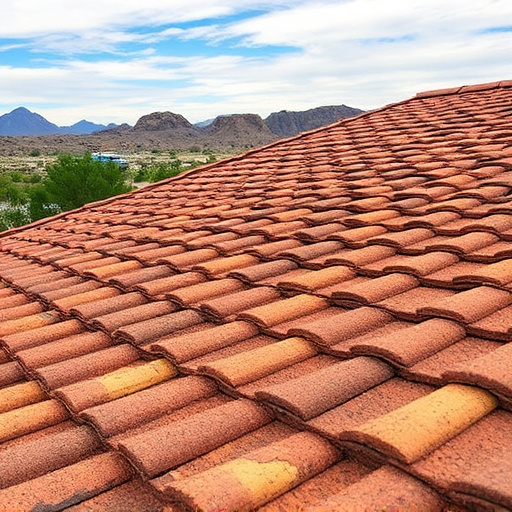
Maintaining a roof in the harsh conditions of Oro Valley requires a strategic approach, especially for the longevity of asphalt shingles. With extreme heat, powerful winds, and occasional monsoons, homeowners and contractors alike must consider specific strategies to ensure these roofs stand the test of time. This is where understanding the capabilities of different shingle types and implementing the right practices can make a significant difference.
When comparing popular choices like three-tab shingles and architectural shingles, the latter often prove more resilient in Oro Valley's environment. Architectural shingles, known for their enhanced appearance and durability, can better withstand the sun's intense rays, which can cause three-tab shingles to curl or cup over time. This is a critical consideration, especially when facing the region's Class H wind ratings-the highest category for roofing materials. To ensure wind resistance, contractors often opt for shingles with a high wind rating, like those from manufacturers like GAF or Atlas, which have undergone rigorous testing to meet these standards.
DC Roofing of Arizona, a licensed Oro Valley contractor, emphasizes the importance of proper installation and ongoing maintenance. They recommend regular inspections to identify any signs of damage, such as granule loss, nail pops, or cracks, which can lead to more serious issues during storms. One effective strategy is to implement a cool roof system, which not only enhances energy efficiency but also contributes to the overall longevity of the roof. By reflecting the sun's heat, cool roof shingles can help reduce the structure's interior temperature, lessening the stress on the roofing material. This is particularly valuable in Oro Valley's climate, where summer temperatures can soar.
Homeowners should be aware of local building codes and HOA architectural review processes. The Oro Valley Building Department provides guidelines to ensure structural integrity, while the Southern Arizona Homeowners Association (SAHOA) may have specific design standards, especially for architectural shingles. Following these regulations and working with experienced contractors can help ensure the roof not only meets the necessary standards but also stands strong against the region's extreme conditions.
Frequently Asked Questions About an explainer on how shingles hold up to desert sun, heat and monsoon wind
What makes shingles unique for harsh desert environments?
Shingles designed for desert climates are engineered to withstand extreme temperatures, intense sunlight, and high wind speeds. They often feature a thicker underlayment, a more robust topping layer, and reflective materials that minimize heat absorption. These features protect the underlying roof deck from sun damage, rot, and wind uplift, ensuring longevity in challenging conditions.
How do desert sun's UV rays affect shingles?
The intense desert sunlight can degrade conventional shingles over time, causing them to crack, fade, and lose their protective coating. Shingles designed for desert environments incorporate UV-resistant materials and coatings that shield against these damaging effects. This prolongs the life of the shingles and maintains their aesthetic appeal.
What challenges do monsoon winds pose to roofing materials?
Monsoon winds can generate powerful gusts that create significant uplift forces on roofs. This uplift pressure can cause shingles to loosen, tear, or even lift off the roof deck. Shingles chosen for desert regions often have a stronger attachment system and enhanced wind resistance to withstand these extreme winds.
Are there any local codes or regulations for roofing in Oro Valley's desert climate?
Yes, Oro Valley, like many desert communities, has building codes and regulations that specify roofing materials and installation methods suited to the local climate. These codes aim to ensure the safety and durability of buildings in the face of extreme heat, wind, and other environmental factors. It's crucial to work with a licensed local roofer who is familiar with these requirements.
How often do shingles need to be replaced in a desert climate?
The lifespan of shingles varies based on factors like material quality, installation, and local conditions. In general, shingles in desert regions can last 20-30 years, but proper maintenance can extend their life even further. Regular inspections and timely repairs are essential to mitigate damage from sun, heat, and wind.
What are some signs that my shingles need replacing?
Shingles may need replacing if they show signs of:
- Fading or discoloration.
- Crumbling, cracking, or splitting.
- Loose or missing shingles.
- Roof leaks or water damage.
- Noisy shingles when wind blows.
In Oro Valley, understanding how shingles perform under intense desert sun, scorching heat, and monsoon winds is crucial for ensuring a roof's longevity. We've explored how these environmental factors impact shingle durability, highlighting the significant role of heat absorption and granule loss. Cool roof shingles emerge as a strategic solution, designed to reflect heat and reduce the roof's temperature, mitigating the effects of blistering summer days. Proper ventilation and underlayment choices are essential to protect against curling, cupping, and blow-off, especially during the region's powerful winds. By implementing these practical strategies, homeowners can extend the lifespan of their shingles, avoiding costly replacements and maintaining the structural integrity of their homes. This comprehensive approach, backed by expert knowledge and local conditions, ensures that roofs in Oro Valley can withstand the unique challenges posed by the desert climate.
In the harsh conditions of Oro Valley, Arizona, shingles must endure intense desert sun, high winds, and monsoons. Cool roof shingles, designed to reflect heat and withstand wind, offer crucial protection. Key factors include:
- Heat Resistance: Shingles with reflective surfaces or special coatings bounce sunlight away, keeping homes cooler and reducing energy consumption.
- Wind Protection: Features like fiberglass mat cores and starter strips enhance wind resistance, crucial for Oro Valley's Class H wind ratings.
- Maintenance: Regular inspections and prompt repair of damage, like granule loss, ensure shingles last through extreme conditions.
- Regulations: Adhering to local building codes and HOA standards ensures structural integrity and code compliance.
By combining these strategies, homeowners and roofing contractors can protect roofs and ensure they stand strong against Oro Valley's unique challenges.