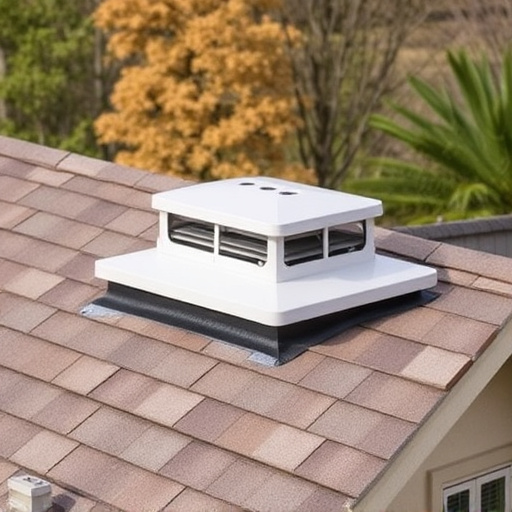
In Oro Valley, the roof is often the unsung hero of a home's exterior, enduring harsh desert heat, fierce winds, and occasional storms. Asphalt shingles, a common roofing choice, must withstand these challenges, but their lifespan in such conditions is a crucial consideration. Homeowners often grapple with when to replace, repair, or even upgrade their roofing material. This article cuts through the clutter, offering a practical guide to navigating the shingle life cycle in Oro Valley, from understanding the impact of desert heat on their durability to navigating local building codes and community guidelines. By the end, you'll be equipped to make informed decisions about your roof's health and longevity.
- Understanding Shingle Lifespan in Oro Valley (Focus on the local environmental factors affecting shingle durability.)
- When Shingles Make Sense: Use Cases (Explore scenarios where shingles are a suitable roofing solution.)
- Signs Your Roof Needs Shingles, Not Repairs (Guide homeowners to recognize when replacement is necessary.)
- Alternative Options: Beyond Shingles (Present other roofing materials and their advantages in desert heat.)
Understanding Shingle Lifespan in Oro Valley (Focus on the local environmental factors affecting shingle durability.)
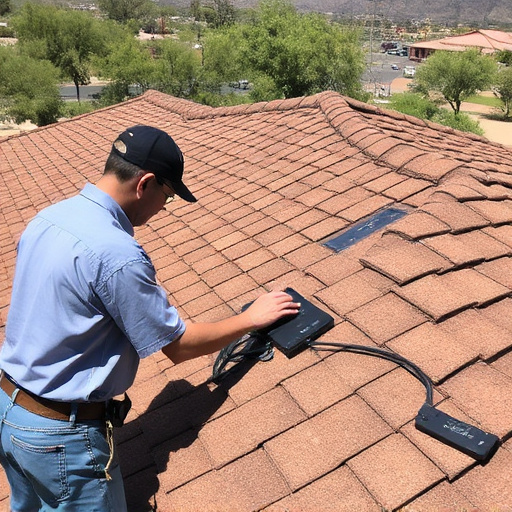
The lifespan of asphalt shingles in Oro Valley is influenced by the region's unique environmental conditions, particularly the intense desert heat. Shingles installed in Oro Valley, located in the scenic Catalina Foothills, must withstand higher temperatures, which can accelerate the breakdown of shingles' essential components, such as the asphalt binder and the granule covering. Unlike milder climates, the desert heat can lead to a faster deterioration of shingles, with key issues like granule loss, curling, and cupping becoming more prevalent over time.
ENERGY STAR-rated shingles, known for their superior performance and durability, are a wise choice for Oro Valley homeowners. These shingles are designed to reflect sunlight, which can help lower roof temperatures and, consequently, slow down the aging process. The granule layer, which protects the underlying asphalt, is crucial in maintaining the shingle's integrity. Shingles with higher granule counts, typically found in ENERGY STAR-rated products, offer enhanced resistance to weathering and damage from debris.
A roofing contractor serving Oro Valley and Marana can provide valuable insights on the expected lifespan of shingles in the area. They often recommend replacing shingles when they start to show significant signs of wear, such as loss of granules, discoloration, or signs of damage from wind or hail. Regular inspections, especially in regions like Oro Valley, where climate conditions can be harsh, are essential to ensure the longevity of your roof. By understanding the local environmental factors at play, homeowners can make informed decisions about when to repair and when to replace their shingles, ensuring a durable and safe roof over their heads.
When Shingles Make Sense: Use Cases (Explore scenarios where shingles are a suitable roofing solution.)
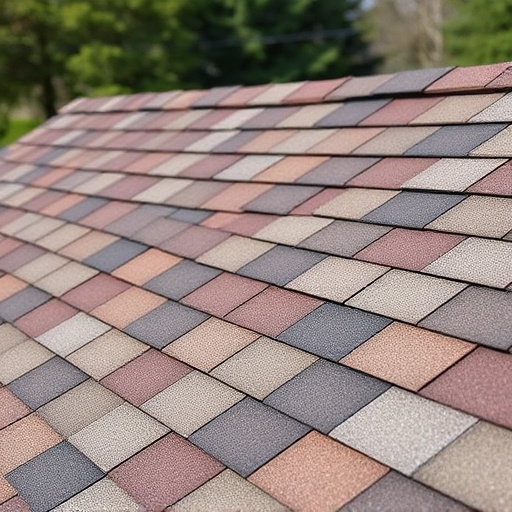
In Oro Valley, asphalt shingles are a popular roofing choice due to their affordability and relative ease of installation. They are particularly well-suited for the region's unique climate, which includes intense summers characterized by high temperatures and low humidity. This extreme heat can be hard on roofing materials, but asphalt shingles designed for desert environments are built to withstand it. Many leading manufacturers like GAF and Atlas offer shingles with enhanced durability specifically tailored for hot, sunny climates.
Shingles make sense in Oro Valley when considering the local building codes and the region's prevalent housing styles. The Oro Valley Building Department regulations favor practical, low-maintenance roofing solutions, and asphalt shingles fit the bill. They are commonly used on Rancho Vistoso homes, where their ease of installation and repair align with the area's DIY-friendly culture. The lifespan of modern asphalt shingles can extend to 30 years or more, making them a cost-effective option for homeowners looking for long-term protection.
However, shingles are not always the best choice. Extreme weather events, such as hailstorms, can cause significant damage, and not all shingles are created equal. An experienced Oro Valley roof specialist will advise that impact-resistant shingles are worth considering for areas prone to hail, as they can better protect against such events. For low-sloped roofs, alternative materials like tile may be more suitable, as shingles can be more prone to curling and cupping in these conditions. Shingle granule loss due to high winds is another concern, especially in open, exposed areas. Therefore, when assessing whether to replace or repair, local climate patterns and specific roof characteristics play a crucial role in determining the most appropriate roofing solution.
Signs Your Roof Needs Shingles, Not Repairs (Guide homeowners to recognize when replacement is necessary.)
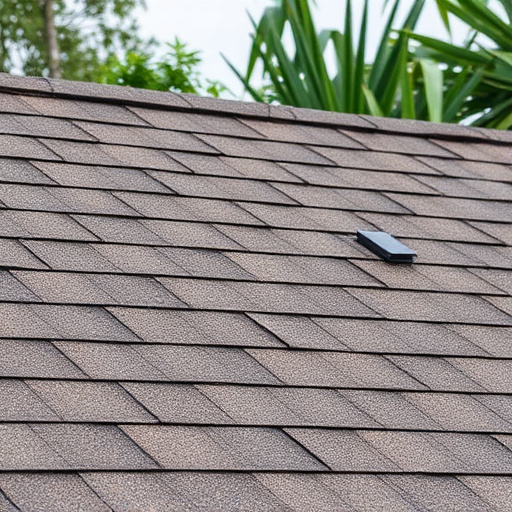
Homeowners in Oro Valley often ask, "When do I need to replace my roof?" While some repairs can extend the life of your roof, there comes a point when a complete shingle replacement is the best option. Recognizing the signs of a worn roof is crucial. Shingles don't last forever, especially in the intense desert heat. After about 20-25 years, even high-quality architectural shingles from manufacturers like GAF or Atlas may show significant granule loss, curling, or cupping. These are red flags indicating reduced protection against the elements.
Consider your roof's exposure to wind, hail, and sun. Oro Valley's open skies and desert conditions can accelerate shingle wear. Strong winds and intense sunlight can cause shingles to blow off, crack, or blister, especially on low slopes or patio covers. If you notice loose or missing shingles, it's time for a professional assessment. The same goes for visible cracks, which can signal damage from recent storms. Homeowners in Saddlebrooke or other Oro Valley communities with strict Homeowners Associations (HOAs) should also be aware of color restrictions for shingle replacement.
DC Roofing of Arizona recommends a thorough inspection every 10 years. During this visit, our experts can advise on the condition of your underlayment, which plays a crucial role in protecting your home from water damage. We often recommend synthetic underlayments for their superior wind resistance and added protection. If your existing underlayment is damaged, aging, or lacking, a new layer could be necessary. By balancing the needs of your roof's structural integrity, your budget, and Oro Valley's climate, you can make an informed decision about whether to repair or replace.
Alternative Options: Beyond Shingles (Present other roofing materials and their advantages in desert heat.)
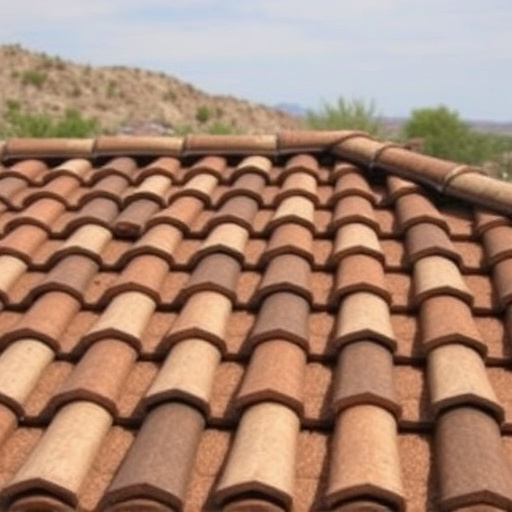
In Oro Valley, choosing the right roofing material is crucial, especially when considering the region's distinct desert heat. While asphalt shingles are a popular choice due to their affordability and ease of installation, they may not be the most durable or efficient option for this climate. Beyond traditional shingles, several alternative materials offer improved performance and longevity, making them well-suited for the local environment.
One such alternative is tile roofing. Tiles are known for their superior durability and resistance to extreme temperatures. In the desert heat, tile roofs can withstand intense sunlight and high winds, providing a longer lifespan compared to shingles. However, tiles are typically more expensive and may require specialized installation, making them a more significant investment. A local roofing contractor in Oro Valley might recommend Spanish or terracotta tiles for their aesthetic appeal and durability in the region's climate.
Another consideration is metal roofing, which has gained popularity for its longevity and low maintenance. Metal panels are highly reflective, helping to keep the home cooler by reducing heat absorption. This is particularly beneficial in Oro Valley's hot summers. Metal roofs are also wind-resistant and can outlast shingles in harsh weather conditions. Despite their initial cost, metal roofs offer excellent value over their extended lifespan. A starter strip and ridge vent, essential components for proper installation, ensure optimal performance and ventilation, addressing common issues with asphalt shingles in desert heat, such as curling, granule loss, and blistering.
When evaluating roofing options, it's essential to consider not just the initial cost but also the long-term savings and maintenance requirements. Cool roof shingles, designed to reflect heat, can extend the lifespan of a roof and reduce energy costs. Similarly, impact-resistant shingles are a smart choice for areas prone to storms and hail, providing extra protection and peace of mind. By weighing these alternatives against the specific challenges of the Oro Valley climate, homeowners can make informed decisions, ensuring their roofs stand the test of time and extreme conditions.
Frequently Asked Questions About an explainer on when shingles make sense in Oro Valley and when they do not
What are shingles, and why are they considered for my Oro Valley roof?
Shingles are a popular roofing material known for their durability, impact resistance, and wide range of aesthetic options. In Oro Valley, where extreme weather conditions can include strong winds and occasional hailstorms, shingles offer a practical solution. They are designed to withstand such challenges, making them a sensible choice for homeowners looking for a long-lasting and relatively low-maintenance roof.
When is it best to consider shingles for my Oro Valley roof?
Shingles are ideal for your Oro Valley roof when:
- You're seeking a cost-effective, long-term solution.
- Your roof has a steep slope, as shingles latch securely onto slopes of 4:12 or steeper.
- You want a wide variety of colors, textures, and styles to match your home's architecture or personal taste.
- Your budget allows for routine maintenance, as shingles may require replacement every 20-30 years.
What factors should I consider before choosing shingles?
While shingles are a solid choice for many Oro Valley homes, a few factors deserve careful consideration:
- Your budget: Shingles can range in price based on material, style, and brand.
- Your home's structure: Ensure your roof's pitch is suitable for shingles.
- Local weather conditions: Shingles are designed to withstand certain environmental factors. Oro Valley's specific climate conditions should be taken into account.
- Your maintenance expectations: Shingles require periodic cleaning and inspection to maintain their performance.
Can shingles be installed over an existing roof?
Yes, shingles can typically be installed over an existing roof, but there are important considerations:
- Roof condition: The existing roof must be in good condition and structurally sound.
- Pitch and slope: The roof's pitch should be suitable for shingles.
- Professional installation: It's highly recommended to have a licensed contractor install shingles over an existing roof to ensure proper flashing and ventilation.
Are there any downsides to choosing shingles?
While shingles offer many advantages, they do have some potential drawbacks:
- Weight: Shingles can be heavier than other roofing materials, which may require additional structural support.
- Noise: Walking on a shingled roof can be noisier than on other types of roofs.
- Limited fire resistance: Some shingles are more flame-resistant than others, so check product labels.
How long do shingles typically last?
Shingles can last 20-30 years with proper care, but their lifespan varies based on:
- Material: Higher-quality shingles tend to last longer.
- Installation: Proper installation is crucial for maximizing shingles' lifespan.
- Maintenance: Regular cleaning and inspection help extend the life of your shingles.
In Oro Valley, understanding the local climate is crucial when considering asphalt shingles. The extreme desert heat significantly impacts shingle lifespan, with manufacturers providing expectations that range from 15 to 30 years. However, proper installation and regular maintenance can extend this lifespan. Shingles prove sensible when considering their cost-effectiveness, especially compared to tile roofs in the foothills, and their suitability for low-slope roofs. They are also recommended when addressing minor issues like a few missing or damaged shingles, as replacement is often more cost-efficient than repairs. Yet, signs like curling, cupping, or extensive granule loss warrant a more thorough assessment. Alternative roofing materials, such as tile or metal, might be preferable in extreme cases or for homeowners seeking a cool roof to reduce energy costs. A comprehensive approach, considering local building codes, climate, and personal needs, is essential to determine whether shingles are the best choice for your Oro Valley property.
Shingles in Oro Valley: Lifespan & When to Replace
In Oro Valley's desert heat, shingles face accelerated wear. Regular inspections are vital. ENERGY STAR-rated shingles with higher granule counts offer better protection. Replacing shingles becomes necessary after 20-25 years, showing granule loss, curling, or cupping. Extreme weather and sun exposure can cause damage earlier. Consider alternatives like tile or metal roofing for enhanced durability against desert conditions. Evaluate long-term costs and maintenance for informed decisions.