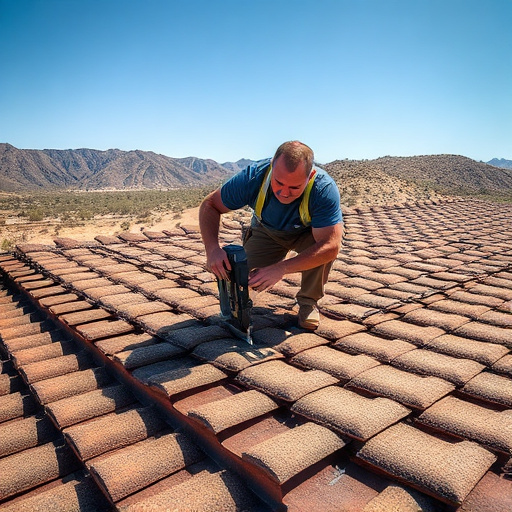
In the scorching desert heat of Oro Valley, choosing the right roofing material is crucial not just for aesthetics, but for the longevity and performance of your home. Asphalt shingles, a popular choice for their affordability and ease of installation, face unique challenges in this environment, including curling and cupping due to extreme temperature fluctuations. Homeowners often find themselves navigating the complex web of local building codes and HOA rules when selecting shingle colors. This article provides expert advice on selecting shingle colors that withstand the harsh desert conditions while adhering to Oro Valley's design guidelines and regulations. We'll explore practical solutions to prevent issues like granule loss, blistering, and even structural damage from curling and cupping shingles.
- Understanding Shingle Performance in Hot Climates
- Navigating HOA Rules for Shingle Selection
- Choosing Colors: Heat Resistance and Aesthetics
- Preventing Curling and Cupping: Longevity Tips
Understanding Shingle Performance in Hot Climates
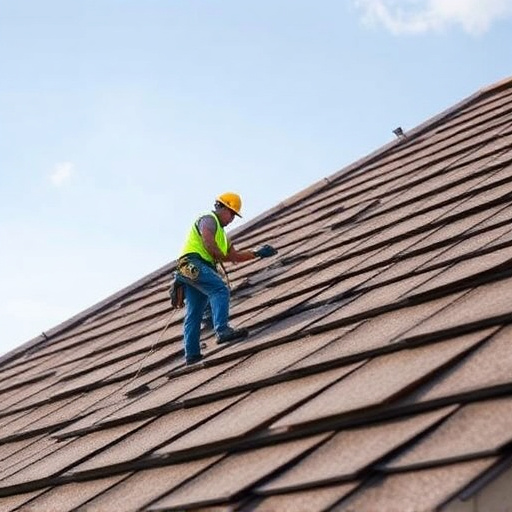
Choosing the right shingle color for your Oro Valley roof isn't just about aesthetics; it matters in protecting your home from the extreme heat and environmental conditions characteristic of our desert climate. Shingles designed for hot climates not only withstand intense UV exposure but also resist curling and cupping, ensuring your roof remains structurally sound for years to come.
In Oro Valley, with its sunny days and high temperatures, shingles that reflect heat can significantly reduce the load on your air conditioning system. Dark-colored shingles, common in cooler climates, tend to absorb heat, leading to increased energy costs. Conversely, lighter-colored shingles, such as those offered by manufacturers like GAF and Atlas, are designed to reflect sunlight, keeping your home cooler and reducing the risk of curling and cupping. A Rancho Vistoso homeowner considering a remodel might opt for a light-colored shingle to enhance energy efficiency, a key factor in our desert environment.
Proper ventilation is also crucial for managing heat and prolonging shingle lifespan. Ridge vents, strategically installed at the peak of the roof, allow hot air to escape, preventing excessive build-up that can lead to curling and cupping. A licensed Oro Valley area roofing contractor can advise on the best ventilation system for your home, considering factors like roof slope and local climate patterns recorded by the NOAA. Regular inspection is vital; checking for loose granules, nail pops, and any signs of damage from storms or algae and stains will ensure your roof remains in top condition. By understanding these factors and choosing the right materials, you can protect your home's most valuable asset while adhering to HOA rules, ensuring a sound and attractive roof for years to come.
Navigating HOA Rules for Shingle Selection
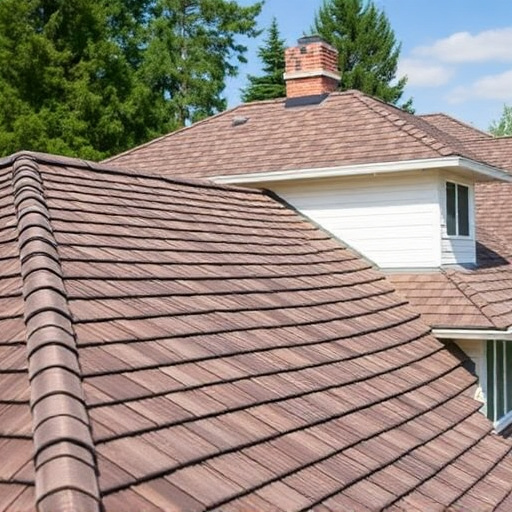
Choosing the right shingle color for your Oro Valley roof involves more than aesthetics. Homeowners face a unique challenge in this desert climate, where extreme thermal cycling can take a toll on even the highest-quality shingles. To make matters more complex, the local Southern Arizona Homeowners Association (SAHOA) has specific guidelines that dictate what's permissible.
When selecting a shingle color, consider the region's unique conditions. Extreme heat can cause shingles to expand and contract, leading to curling and cupping over time. This is a natural consequence of thermal cycling, where the intense desert sun heats the shingles during the day, causing them to expand, and then rapidly cools them at night, causing them to contract. Shingles that aren't designed to withstand these fluctuations may not last as long and could require replacement sooner than expected.
DC Roofing of Arizona, a local and licensed Oro Valley contractor, recommends choosing durable, desert-rated shingles. These shingles often have enhanced granule coverage, which helps protect against UV damage and wind, two significant factors in the desert environment.
According to the SAHOA's design guidelines, homeowners should consult with their contractors to ensure the chosen color complies with HOA rules. While dark colors may be appealing, they can absorb heat, potentially contributing to a home's interior temperature increase. Lighter colors reflect sunlight, offering a more energy-efficient option. A professional roofing contractor like DC Roofing can provide expert advice on balancing aesthetic preferences with the practical considerations of desert heat and HOA regulations.
Choosing Colors: Heat Resistance and Aesthetics
Choosing the right shingle color for your Oro Valley roof is a crucial decision that impacts both your home's appearance and its performance in the region's unique desert climate. In this arid environment, shingles are subjected to intense heat, strong sunlight, and even occasional winds, which can accelerate wear and tear. Therefore, selecting a color that offers both aesthetic appeal and heat resistance is essential.
When considering heat resistance, architectural shingles (a popular choice in Oro Valley due to their superior durability and aesthetic appeal, often preferred by homeowners in Saddlebrooke and similar communities) prove beneficial. Unlike three-tab shingles, architectural shingles are designed to handle the rigors of the desert heat. They are less prone to curling and cupping, which can occur with prolonged exposure to high temperatures. This characteristic ensures your roof remains structurally sound and visually appealing for longer. Leading manufacturers like GAF and Atlas offer desert-rated shingles specifically engineered to withstand the harsh conditions of Oro Valley.
HOA rules also play a significant role in your shingle color choices. Many communities in Oro Valley have strict architectural guidelines, especially in established neighborhoods like Saddlebrooke. When submitting a roof replacement application, be prepared to meet specific design standards, which may include color, style, and even brand recommendations. The Local roofing contractors and suppliers can guide you through the process, ensuring your chosen color passes the HOA architectural review.
To make an informed decision, consider the long-term benefits. While light-colored shingles reflect sunlight and can help keep your home cooler, darker colors can also be a good choice. Newer technologies, such as cool roof shingles, are designed to absorb less heat, providing energy efficiency. Understanding the expected lifespan of different shingle types can influence your color choice. By weighing these factors, you can ensure your roof not only looks great but also performs optimally in the Oro Valley climate for years to come.
Preventing Curling and Cupping: Longevity Tips

Choosing a shingle color that's suitable for Oro Valley's desert climate and compliant with local HOA rules can extend the lifespan of your roof and prevent unsightly issues like curling and cupping. These problems are often exacerbated by the region's extreme thermal cycling, where shingles expand and contract with the intense heat of the day and the cold nights, leading to granule loss and, eventually, weakened shingles.
A key consideration is the shingle's solar reflectance, or its ability to reflect sunlight. Higher reflectance can help lower roof temperatures, mitigating the effects of thermal cycling. Look for shingles rated for cool roofs, which often have reflective surfaces or special coatings designed to dissipate heat. Manufacturers like GAF and Atlas offer desert-rated shingles designed specifically to handle the harsh conditions of southern Arizona.
To further prevent curling and cupping, focus on proper installation and regular maintenance. Ensure adequate ventilation under the shingles to regulate temperature and moisture buildup. A local roofing company serving Oro Valley can help you with proper ventilation techniques, including the use of vents at the ridge cap and in the valleys, and adequate spacing between shingles. Using impact-resistant shingles and proper nailing techniques can strengthen the roof against wind damage, which can also contribute to curling and cupping. Regular inspections by a roofing contractor can help catch issues early, leading to cost-effective repairs and a longer-lasting roof.
Frequently Asked Questions About advice on choosing shingle colors that handle desert heat and HOA rules
What colors are best for shingles in a desert climate? Shingles designed for desert environments typically feature dark colors like charcoal, black, or deep gray. These colors absorb less sunlight, helping to keep the roof cooler. Lighter shades reflect more light, which can reduce the overall temperature of the roof and lower cooling costs. However, it's essential to consider the specific local climate conditions and the roofing material's UV resistance.
How do I know if my HOA approves certain shingle colors? HOA rules vary widely, so the best approach is to review your HOA's design guidelines or contact them directly. Some HOAs have strict color restrictions, while others offer more flexibility. They may require approval for significant changes or have specific color palettes approved for the entire community. It's crucial to respect HOA regulations to avoid disputes or fines.
Are there any environmental considerations when choosing shingle colors? Absolutely. In desert regions, selecting reflective or light-colored shingles can contribute to energy efficiency and reduced carbon footprints. These colors help minimize the urban heat island effect, making cities and neighborhoods cooler and more sustainable. Using locally sourced materials and considering the shingles' recyclability can align with eco-friendly practices.
Can I mix and match shingle colors with my neighbors' roofs? While some HOAs encourage aesthetic uniformity, mixing and matching colors can be done respectfully. Consider complementary colors or similar tones to create a harmonious look. It's a good idea to check with your neighbors and the HOA to ensure any color combinations are acceptable, especially in close-knit communities.
How do I balance aesthetics and functional considerations when choosing shingles? Finding the right balance involves considering both the visual appeal and functional benefits. In desert regions, functional aspects include heat resistance, UV protection, and water resistance. Choose a color that complements your home's exterior while meeting these functional criteria. Consult with a professional roofer who understands local conditions to ensure you make an informed decision.
What are some trends in desert-friendly shingle colors? Trends often evolve to meet functional and aesthetic demands. Currently, natural shades like terra cotta, sage green, and sand tones are gaining popularity for their beauty and heat-reflective properties. These colors blend well with desert landscapes and offer a modern alternative to traditional dark shades.
Are there any tax incentives for using energy-efficient shingle options? Some regions and local governments offer tax incentives for energy-efficient home improvements, including roofing. Check with your local authorities or a tax professional to determine if using reflective or light-colored shingles eligible for any rebates or deductions. These incentives can make eco-friendly choices more cost-effective.
When selecting asphalt shingles for your Oro Valley home, understanding the local climate and navigating HOA rules are crucial for a durable and aesthetically pleasing roof. By choosing desert-rated shingles and considering the impact of extreme heat, you can prevent premature curling and cupping, ensuring your roof remains in top condition for years to come. This article has highlighted the importance of selecting the right shingle brand, granule loss prevention, and the role of a robust underlayment in withstanding the harsh desert conditions. Understanding the local building codes and HOA design guidelines allows for compliance while allowing for creative color choices.
The key takeaway is that a well-informed decision process, encompassing both practical considerations and aesthetic preferences, can result in a roof that protects your home and enhances its value. By balancing heat resistance, longevity, and design, you can achieve a roof that meets both functional and aesthetic expectations while adhering to Oro Valley's specific requirements. These insights empower homeowners to make confident choices, ensuring their roofs are up to the challenge of the local climate and HOA regulations.
Choosing the right shingle color for your Oro Valley roof protects against heat, extends lifespan, and meets HOA rules. Consider solar reflectance, desert-rated shingles, proper ventilation, and regular maintenance to prevent curling and cupping. A licensed local roofing contractor can guide you through the process, ensuring a safe, attractive, and durable roof.