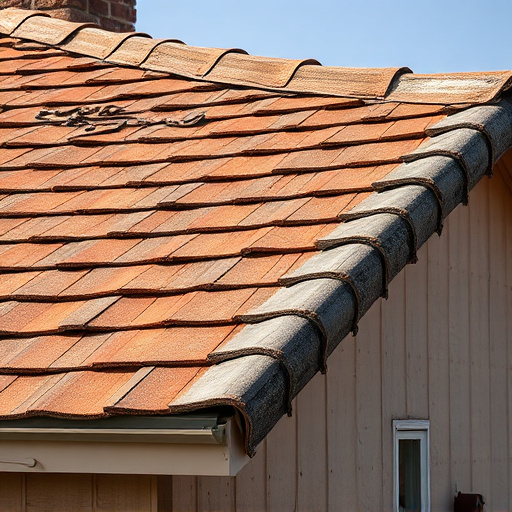
In the rugged, sun-drenched landscape of Oro Valley, Arizona, your roof faces a unique set of challenges. The intense desert sun, scorching heat, and powerful monsoon winds can take a toll on any roofing material. Shingles, a popular choice for homeowners in the region, are designed to withstand these harsh conditions, but not without potential issues. One of the most visible problems: shingle granule loss due to UV exposure and wind. This not only affects the roof's aesthetic appeal but can also compromise its protective abilities.
We'll explore how the right shingle choices, proper installation, and regular maintenance can help your roof thrive in this environment, providing lasting protection for your home.
- Understanding Shingle Composition for Desert Conditions
- The Impact of Sun and Heat on Shingle Granules
- Monsoon Winds: A Test for Shingle Integrity
- Long-Term Performance: Shingle Granule Loss Analysis
Understanding Shingle Composition for Desert Conditions
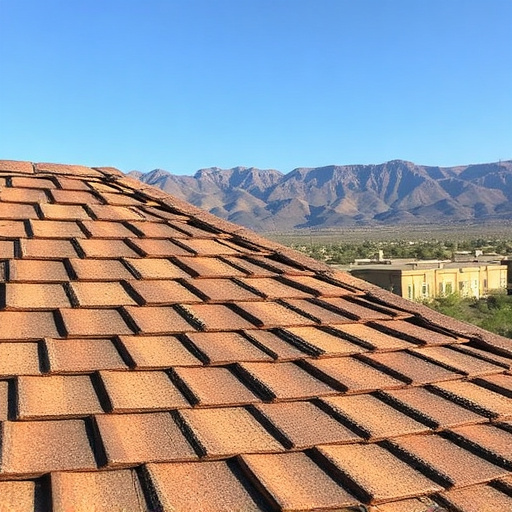
Shingles designed for desert climates must be built to withstand intense solar radiation, high temperatures, and the powerful winds common to Oro Valley's monsoon season. The composition of these shingles plays a crucial role in their durability, especially when exposed to the unique conditions of the desert.
Asphalt shingles, a common roofing material in Oro Valley, are composed of several layers. The top layer, known as the surface mat, is reinforced with organic fibers that provide strength and flexibility. Beneath this lies a layer of asphalt, which acts as a waterproof barrier. A crucial component for desert conditions, however, is the inclusion of granular material-small particles embedded in the asphalt layer. These granules, often made from stone or ceramic, serve multiple purposes. They enhance the aesthetics of the shingle, providing a wide range of colors and textures, and more importantly, they protect the asphalt from intense UV radiation and heat. Over time, without these granules, asphalt shingles can suffer from significant shingle granule loss, compromising their protective abilities and lifespan.
To ensure a roof stands up to these challenges, it's essential to choose shingles with a Class H wind rating, indicating superior resistance to high-speed winds-a common occurrence during monsoon storms. Shingles with a high solar reflectance can reduce the heat absorption of the roof, lowering the overall temperature of the house and minimizing the stress on the roofing material. A licensed Arizona roofer will often recommend products designed for such conditions, ensuring the roof not only survives but remains efficient and aesthetically pleasing for years to come. This proactive approach to roofing maintenance is key to preserving the integrity of any home in Oro Valley's unique climate.
The Impact of Sun and Heat on Shingle Granules
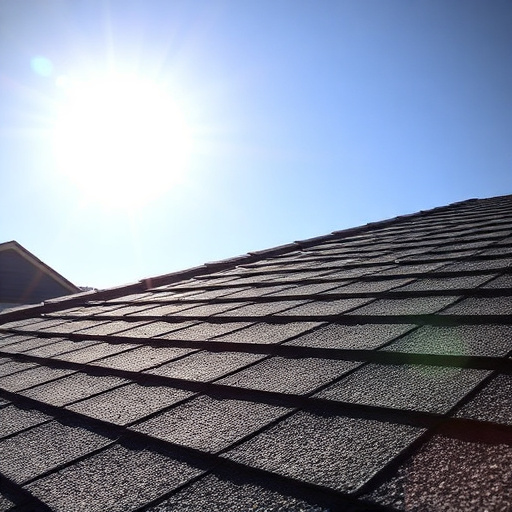
The impact of intense desert sunlight and scorching heat on your roof is a significant factor in determining the lifespan of asphalt shingles. Shingles are designed to withstand various environmental challenges, but the harsh conditions in Oro Valley present unique demands. When considering the durability of shingles, one crucial element to examine is the potential for shingle granule loss.
Shingle granules, small aggregates embedded in the surface, play a vital role in protecting the underlying asphalt. These granules protect against UV radiation, heat, and debris. However, in the harsh desert sun, these granules can degrade faster than in milder climates. The intense heat can cause the asphalt matrix to dry out, making the granules more susceptible to dislodging. Over time, this results in a visible loss of granules, which not only diminishes the aesthetic appeal of a roof but also reduces its protective abilities. Dark-colored shingles, for instance, tend to absorb more heat, potentially accelerating this process.
A roofing contractor serving Oro Valley and Marana may observe that three-tab shingles, known for their traditional design, can show signs of granule loss more readily in this environment. To mitigate this, many manufacturers now offer shingles with enhanced solar reflectance, which can help reduce heat absorption and, consequently, slow down granule degradation. Proper installation techniques, including the use of drip edges to divert water and prevent damage, can extend the life of your shingles by protecting them from the harshest elements. Regular maintenance, such as inspecting for loose or missing granules, is also crucial in preserving the integrity of your roof.
Monsoon Winds: A Test for Shingle Integrity
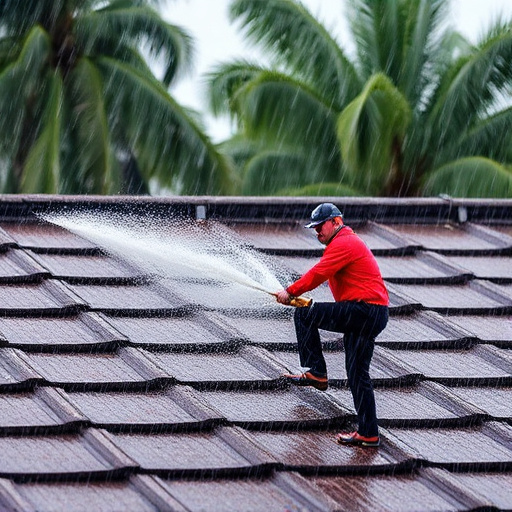
Monsoon winds, characterized by high speeds and sudden changes in direction, present a unique challenge for any roofing material, particularly shingles. In Oro Valley, where monsoon season can bring intense winds and sudden storms, understanding how shingles hold up to these conditions is vital for homeowners. This section examines the specific impact of monsoon winds on shingles, focusing on one key metric: shingle granule loss.
Shingles are designed to withstand various environmental stresses, including wind. However, the constant battering from high-speed winds can lead to the loss of small granule particles from the surface of the shingles. This granule loss is a visible sign of wear and tear, indicating the shingle's integrity is being compromised. In extreme cases, particularly with lower-quality or improperly installed shingles, these granules can be blown away entirely, exposing the underlying asphalt mat and significantly reducing the shingle's protective capabilities.
Consider the impact on a residential roof in Saddlebrooke, a neighborhood known for its windy conditions during monsoon season. A licensed Arizona roofer might advise that proper ventilation, such as ridge vents, plays a crucial role in mitigating wind damage. Ridge vents, strategically placed along the peak of the roof, allow for better airflow, reducing wind pressure on the shingles. Using starter strips and ensuring proper underlayment installation can help seal the roof deck, minimizing the effects of wind-driven rain and debris.
While some shingle granule loss is expected over time, excessive loss can signal the need for repair or replacement. Homeowners in Oro Valley should regularly inspect their roofs, especially during and after monsoon season, to identify any signs of damage. Regular maintenance, including cleaning and re-sealing, can extend the lifespan of the shingles and prevent more severe issues, such as curling or cupping, from taking hold. Understanding the specific wind ratings of different shingle brands can empower homeowners to make more informed decisions when choosing a new roof or replacing old, damaged shingles.
Long-Term Performance: Shingle Granule Loss Analysis
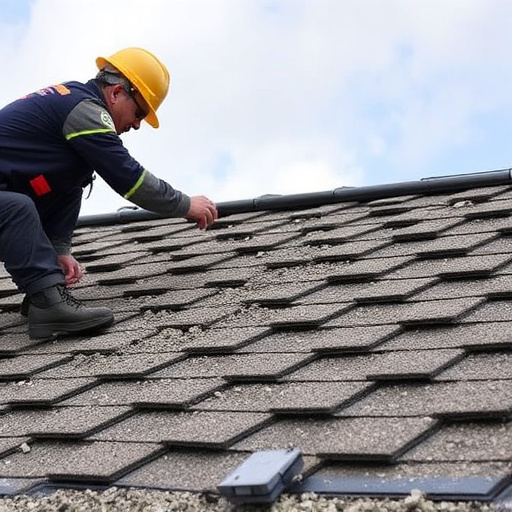
Shingles in Oro Valley, especially those facing the intense desert sun and monsoon winds, are subject to various environmental stresses over their lifespan. One of the most significant factors in determining a shingle roof's longevity is the loss of granules. These tiny, hard granules are integral to a shingle's protective layer, shielding the underlying roof deck from harmful UV rays, heat, and moisture.
Three-tab shingles, a common style in the Catalina Foothills area, are particularly susceptible to granule loss. Over time, exposure to the desert sun can cause the granules to crack, dislodge, and fall from the shingle surface. This not only compromises the roof's aesthetic appeal but also weakens its structural integrity.
To mitigate this issue, homeowners and property managers should consider the quality of the shingles they choose. Premium shingles from reputable manufacturers often include added protection against granule loss. Shingles with a higher asphalt content and reinforced granule coatings can last up to 30 years or more under these harsh conditions. A licensed Oro Valley area roofing contractor may recommend the use of underlayment and flashings to enhance the roof's protection against water intrusion and temperature fluctuations, further extending the life of the shingles and reducing granule loss. Regular maintenance, including re-sealing and inspecting the roof, is also crucial to identifying and addressing any signs of granule loss early on.
Frequently Asked Questions About an explainer on how shingles hold up to desert sun, heat and monsoon wind
What makes shingles particularly suited for the harsh conditions in Oro Valley?
Shingles designed for desert environments are specifically engineered to withstand extreme heat, intense sunlight, and strong winds characteristic of Oro Valley. They are made from high-quality, heat-resistant materials, such as asphalt or metal, and often incorporate reflective properties to reduce heat absorption. Shingles in this region are installed with a careful eye for proper ventilation and flashing, crucial for maintaining the integrity of the roof during monsoon winds.
How do shingles protect against the intense desert sun?
The reflective surface of modern shingles helps to deflect the sun's powerful rays, minimizing the heat transfer to the roof deck. This is particularly important in preventing excessive heat build-up, which can contribute to structural damage and make the home uncomfortably warm.
Are there specific types of shingles better suited for desert climates?
Absolutely. Metal shingles, for instance, offer superior durability and heat resistance. They can withstand high winds and extreme temperatures, making them a top choice for Oro Valley installations. Cool roof shingles, designed to reflect solar radiation, are becoming increasingly popular in desert regions to help lower energy costs and improve indoor comfort.
Can shingles withstand the strong monsoon winds in Oro Valley?
Yes, but proper installation is crucial. Shingles should be secured with strong fasteners, and adequate flashing around vents and other areas prone to leaks should be installed. DC Roofing of Arizona, a local roofing contractor, emphasizes the importance of these details to ensure the shingles remain in place during the region's powerful winds.
How often do shingles need to be replaced in this climate?
The lifespan of shingles varies based on several factors, but in the Oro Valley area, they typically last 20-30 years. Exposure to intense sun, heat, and wind can accelerate wear and tear, so regular inspections by a qualified roofer can help identify potential issues early on.
What should homeowners do to prepare their roofs for the desert summer?
Regular maintenance is key. Cleaning the roof of debris to reduce heat absorption, inspecting for loose or damaged shingles, and ensuring proper ventilation are essential steps. Homeowners should also consider scheduling a professional roof inspection before the summer heat sets in to catch any potential problems.
Understanding how asphalt shingles perform in Oro Valley's unique desert environment is crucial for any homeowner or roofing contractor. We've explored the composition of shingles, their response to intense sun and heat, and the challenges posed by monsoon winds. Key insights reveal that desert-rated shingles, designed to withstand these conditions, exhibit minimal granule loss over time, a critical factor in maintaining a roof's protective layer. Regular inspection for signs of curling, cupping, or blistering is essential, as these can indicate underlying issues.
The article highlights the importance of choosing the right shingle brand and type, considering factors like wind resistance, impact resistance, and cool roof ratings. Shingle lifespan expectations in this climate range from 25 to 40 years, with proper maintenance and underlayment choices playing a significant role. When considering a roof replacement, a cost-benefit analysis, guided by local regulations and building codes, can help determine the best course of action.
By understanding these key factors, homeowners and contractors can make informed decisions, ensuring that Oro Valley's roofs not only withstand the harsh desert environment but also provide reliable protection for years to come.
Shingles in Oro Valley must withstand intense desert sun, high temperatures, and monsoon winds. Key to durability is preventing shingle granule loss, where UV radiation and heat degrade embedded granules, exposing and weakening the asphalt matrix. Premium shingles with enhanced solar reflectance and robust granule coatings offer better protection. Proper installation, ventilation, underlayment, and regular maintenance, including inspections, are crucial to mitigating granule loss and extending shingle lifespan.