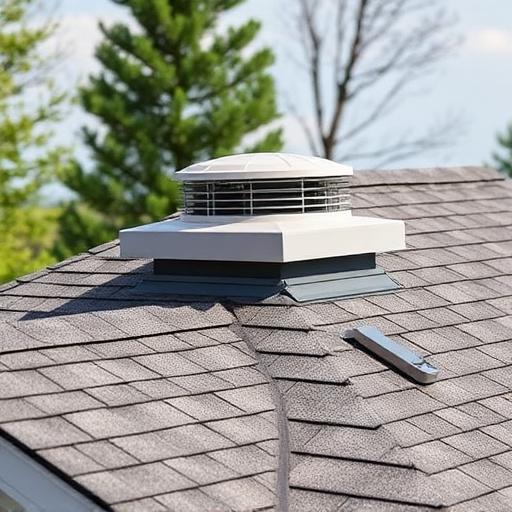
Shingle roofs are a common sight in Oro Valley, providing protection against the harsh desert climate and local weather patterns. However, maintaining these roofs can be a challenge, with issues like shingle granule loss, curling, and cupping often requiring attention. One particularly frustrating problem, and a common one for homeowners in our region, is the occurrence of shingle nail pops. These pops not only mar the roof's appearance but can also signal deeper issues with ventilation, underlayment, or even the initial installation. Understanding the factors driving shingle roof costs is crucial for homeowners, especially when considering repairs or replacements. This article offers a clear, authoritative guide to help you navigate the complexities of shingle roof pricing.
- Understanding Shingle Roof Costs: Factors at Play
- Material Matters: Shingles, Nails, and Beyond
- Labor Costs: Who, What, How Long?
- Uncovering Hidden Expenses: Shingle Nail Pops and More
Understanding Shingle Roof Costs: Factors at Play
Understanding Shingle Roof Costs: Factors at Play
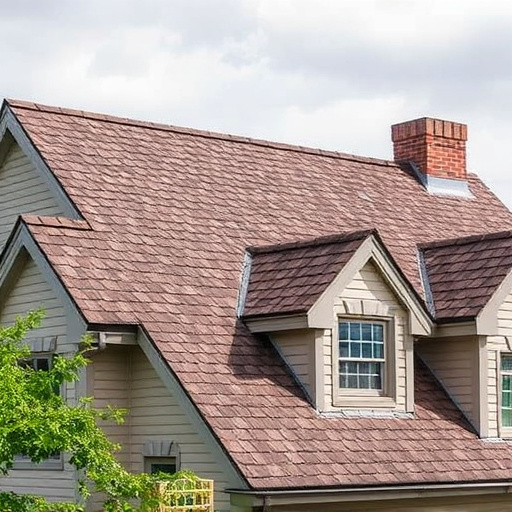
When considering a new or repaired shingle roof in Oro Valley, the cost can vary widely. A roofing contractor serving Oro Valley and Marana often starts by evaluating several key factors that directly influence the price. The type of asphalt shingles chosen can dramatically affect the bottom line. Architectural shingles, with their distinct styles and shapes, tend to be more expensive than the simpler three-tab design. Energy-efficient ENERGY STAR-rated shingles, which reflect heat and reduce cooling costs, may carry a premium due to their advanced technology.
Local labor costs play a significant role, as do materials. Homeowners may notice price differences between shingles from various manufacturers, such as GAF and Atlas, based on factors like granule loss, wind ratings, and cool roof properties. ENERGY STAR-rated shingles often have advanced underlayment choices and starter strips, which protect against wind damage and shingle blow-off, respectively. These features contribute to their higher cost but also offer long-term benefits in terms of energy savings and reduced maintenance, like preventing curling or cupping.
Shingle lifespan in the region's desert climate is another critical consideration. While proper installation and regular maintenance can extend a roof's life, extreme temperatures and frequent sunlight can lead to blistering, algae stains, and even nail pops over time. A roofing contractor will factor in the potential for these issues when providing a quote. Impact-resistant shingles, designed to withstand hail and strong winds, may be recommended in areas prone to storms, but they come at a higher price point. Checking a shingle roof for damage after storms and replacing a few missing or damaged shingles can be more cost-effective than repairing or replacing an entire roof.
Material Matters: Shingles, Nails, and Beyond
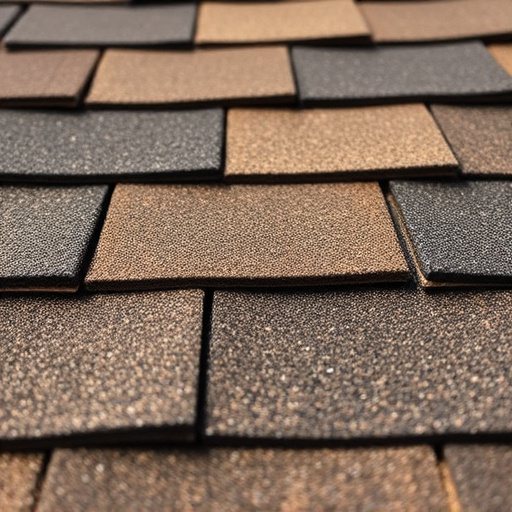
The materials used in a shingle roof significantly impact its cost, durability, and overall performance. In the arid climate of Oro Valley, where intense sun and occasional winds can take a toll, selecting the right shingles is crucial. One key consideration is the Class H wind rating, which indicates the shingle's ability to withstand high-velocity winds-a vital factor for protecting your home and investment.
Shingles themselves come in various types, with two common categories being architectural and three-tab. Architectural shingles, often made with a fiber-cement blend, offer superior wind resistance and a more sophisticated look. They are heavier, more durable, and can withstand the extreme thermal cycling experienced in the desert, unlike their lighter three-tab counterparts. This durability translates to longer lifespans, reducing the need for frequent replacements.
Beyond the shingles, the shingle nail pops-the small, raised spots where nails hold the shingles in place-play a significant role. Proper nail placement and alignment are essential for a secure roof. An experienced Oro Valley roof specialist recommends consistent nailing patterns, ensuring each nail penetrates the shingle and underlayment adequately. This simple detail prevents common issues like curling, cupping, or loose shingles, which can result from inadequate nailing. A fiber-glass mat underlayment, a common choice in our region, requires precise nailing to maintain its integrity.
The type of nail used matters. Specialized roofing nails designed for shingles offer superior holding power, especially in extreme conditions. These nails, often galvanized or coated, resist corrosion and ensure a solid connection, minimizing the risk of shingle granule loss due to rust. Regular inspection for shingle nail pops is crucial, as they can go unnoticed but lead to significant problems over time. Regular maintenance, including re-nailing as needed, can extend the life of your roof and maintain its structural integrity.
Labor Costs: Who, What, How Long?

Labor costs are a significant factor in the overall price of a shingle roof. In Oro Valley, the cost of labor can vary widely depending on several factors, including the complexity of the job, the roofer's experience, and local market conditions. A straightforward replacement project for a standard architectural shingle roof typically involves a team of 2-3 skilled laborers, each with their own set of tools and responsibilities.
The process begins with meticulous preparation, including removing the old shingles, inspecting the underlayment, and addressing any issues like damaged or rotten wood. Then, the new shingles are measured, cut, and installed, with careful attention to proper alignment and sealing. Each layer of shingles is secured with nails, and a ridge vent is often installed along the roof's peak to enhance ventilation and reduce thermal cycling, a process that can contribute to shingle degradation. A local roofing company serving Oro Valley may charge $75 to $150 per hour for labor, with the total cost of a 2,000-square-foot roof ranging from $2,500 to $4,000, depending on the complexity and materials used.
As shingles age, they may develop common issues like curling, cupping, or granule loss, which can lead to concerns about potential shingle nail pops. During the installation process, roofer's use specialized tools to ensure proper nailing depth, minimizing the risk of these problems. However, when addressing an older roof with significant damage, the labor costs can increase as the work becomes more intensive. Labor accounts for a substantial portion of the total shingle roof cost, often surpassing the price of the materials.
To mitigate unexpected expenses, homeowners should consider regular roof inspections and address issues promptly. Choosing impact-resistant or cool roof shingles can slightly reduce labor costs over time by simplifying installation and extending the roof's lifespan. These choices not only protect against extreme weather but also align with Oro Valley's design guidelines and energy-efficiency standards, further emphasizing the multifaceted nature of shingle roof costs.
Uncovering Hidden Expenses: Shingle Nail Pops and More

Shingle roofs in Oro Valley, like anywhere, are not just a matter of choosing a style and color. There are hidden expenses that can significantly impact the overall cost, and one of the most common is dealing with shingle nail pops. These occur when nails used to secure shingles become loose and elevate, causing the shingles to lift slightly. This problem is particularly prevalent in areas like Rancho Vistoso, where intense UV exposure can weaken the shingles over time, and during monsoon winds that can exceed 50 mph.
While a minor aesthetic issue, shingle nail pops can lead to more serious problems if left unattended. Water can seep behind the lifted shingles, causing damage to the roof decking and potentially leading to mold, mildew, and rot. The cost to fix these pops, or to replace shingles affected by them, is an unforeseen expense that homeowners often overlook. A licensed roofing contractor, like DC Roofing of Arizona, can inspect your roof and provide a detailed estimate for addressing these issues, which may range from a simple nail replacement to a full shingle repair or replacement.
Regular inspections, especially in extreme weather conditions, are key to catching shingle nail pops early. Homeowners in Oro Valley should be aware that the lifespan of asphalt shingles in desert heat can be reduced, and that the impact of wind, sun, and rain can accelerate the need for repairs or replacement. Understanding these factors and being proactive can help avoid costly surprises, ensuring your roof remains a reliable barrier against the elements.
Frequently Asked Questions About a Plain Language Look at Shingle Roof Costs and What Drives Them
What are the average costs for a new shingle roof in Oro Valley?
In Oro Valley, the average cost for a new shingle roof ranges from $5,000 to $10,000, depending on several factors, including the size of the roof, the type of shingles chosen, and the complexity of the installation. A standard residential roof replacement typically costs around $7,000. Keep in mind that these are only averages, and actual prices can vary based on the specific needs of your property.
What factors affect the cost of a shingle roof?
Several key factors influence the cost of a shingle roof. These include the roofing material (asphaltenic shingles, wood shakes, metal, etc.), the size and pitch of the roof, the complexity of the installation, labor costs, and any additional work required, such as repairs to the existing roof structure or flashing. Weather conditions and local building codes can also affect pricing.
How long does it take to install a new shingle roof?
Most new shingle roof installations in Oro Valley take one to two days, depending on the size of the project and the weather conditions. This includes the removal of the old roof, preparation of the roof deck, and the actual installation of the new shingles.
What is the difference between asphalt and wood shake roofs?
Asphalt shingles are the most common and affordable option, offering a wide range of styles and colors. They are durable and easy to install, but they may not offer the same level of fire resistance as wood shakes, which are known for their natural, aesthetic appeal but are more expensive and require specialized installation.
How often should I replace my shingle roof?
Shingle roofs typically last between 20 to 30 years with proper maintenance. However, severe weather conditions, poor installation, or subpar materials can shorten their lifespan. Regular inspections and timely repairs can help extend the life of your roof.
What is the typical warranty for a new shingle roof?
Shingle roofs usually come with a manufacturer's warranty that covers defects in materials and workmanship. These warranties can range from 20 to 50 years, depending on the manufacturer and the type of shingles installed. Some contractors may also offer additional labor warranties.
Can I do a shingle roof replacement myself?
While some DIY enthusiasts attempt to install their own roofs, it's highly recommended to hire a licensed and experienced roofing contractor. Shingle roof installation requires specialized tools and skills, and mistakes can be costly and potentially dangerous. A professional contractor ensures the job is done correctly and safely.
Understanding the drivers of shingle roof costs in Oro Valley is essential for making informed decisions about this significant investment. We've explored the interplay of material, labor, and hidden expenses like shingle nail pops, revealing a complex yet manageable landscape. Key insights include the significant impact of material choices, the importance of local labor costs, and the need to factor in unique environmental considerations, such as the desert climate.
The article highlights the value of considering long-term lifespan and energy efficiency, underscoring the benefits of high-quality, wind-rated, and impact-resistant shingles. Understanding the regulatory environment, including HOA color rules and local building codes, is crucial for avoiding costly after-the-fact repairs.
Practical next steps include: comparing shingle brands for durability and aesthetics, engaging local roofing contractors for detailed cost estimates, and inspecting your roof regularly for signs of wear, like curling or cupping shingles and nail pops. By doing so, you'll be better equipped to make informed choices, ensuring your Oro Valley home has a durable, attractive, and well-ventilated roof that stands the test of time, even in the challenging desert heat.
Shingle roof costs in Oro Valley are driven by several key factors:
- Shingle type: Architectural shingles, with their advanced features, are more expensive than basic three-tab designs. ENERGY STAR-rated shingles, offering energy efficiency, also carry a premium.
- Labor costs: Local rates vary; a simple replacement job for a 2,000-square-foot roof can range from $2,500 to $4,000, including materials.
- Shingle lifespan: The arid climate demands durable shingles. Impact-resistant and cool roof options, while pricier, extend lifespan and offer long-term savings.
- Shingle nail pops: A common, unforeseen issue, these loose nails can lead to serious problems. Regular inspections and proactive maintenance prevent costly repairs.