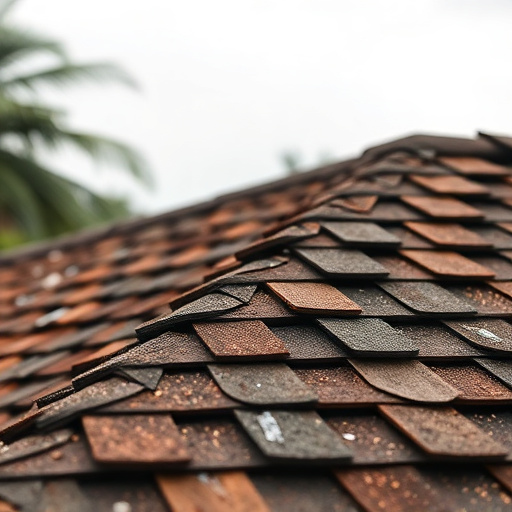
Shingle repairs are a crucial aspect of maintaining your Oro Valley roof, especially in our region's unique climate. A well-kept roof is vital not only for the structural integrity of your home but also for energy efficiency and curb appeal. However, roofs are subject to various issues, from lifted tabs and granule loss to curling and cupping, often exacerbated by the intense desert heat.
This guide examines the common challenges homeowners face, offering practical solutions for everything from minor problems like a few shingle nail pops to more significant issues such as granule loss and wind damage. We'll explore how to identify these problems, the best practices for repair, and when replacement might be the better option. By the end, you'll be equipped to maintain your roof effectively.
- Identifying Common Shingle Damage: Lifting and Granule Loss
- Diagnosing Shingle Nail Pops and Their Causes
- Repairing Shingles: Steps from Inspection to Replacement
- Preventing Future Shingle Damage: Best Practices for Homeowners
Identifying Common Shingle Damage: Lifting and Granule Loss
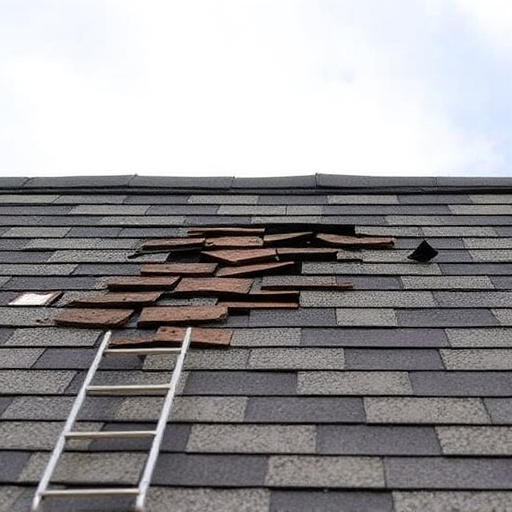
Shingle repairs in Oro Valley often address two common issues: lifted tabs and granule loss. These problems can arise from a variety of factors, including high winds, extreme heat, and age. In the arid climate of Oro Valley, where winds can reach up to Class H ratings, shingles are constantly exposed to intense sunlight and temperature fluctuations, which can accelerate the natural aging process.
Lifted tabs, for instance, are a sign that the shingles have been dislodged from their underlayment, typically due to wind or improper installation. This can expose the underlying layers to moisture, leading to potential leaks and structural damage. To prevent and fix lifted tabs, homeowners and experienced Oro Valley roof specialists should ensure proper ventilation and a secure attachment of shingles to the underlayment. Regular inspections, especially after severe storms, can help identify and address these issues early.
Granule loss, another significant problem, occurs when the protective mineral granules on the surface of the shingles wear away. This can be caused by high winds, hail, or simply the natural breakdown of the shingles over time. As granules loosen and fall off, the shingles become more vulnerable to heat absorption, which can lead to blistering and premature aging. To mitigate granule loss, homeowners should consider high-quality, wind-rated shingles designed for the local climate. Shingles with a Class H rating, for example, offer superior resistance to strong winds, ensuring a longer lifespan even in challenging conditions.
Homeowners should be aware of the potential impact of dark-colored shingles in a sunny desert environment. While dark shingles may seem like a good choice for energy efficiency, they can absorb significant amounts of heat, leading to increased attic temperatures and potentially causing the shingles to deteriorate faster. Some manufacturers offer lighter-colored shingles with enhanced solar reflectance, which can help reduce these effects. These choices not only contribute to a more comfortable living space but also extend the life of your roof by reducing the environmental stress it endures.
Diagnosing Shingle Nail Pops and Their Causes
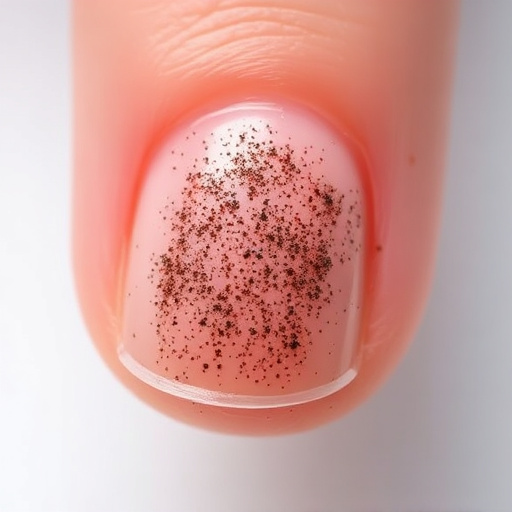
Shingle nail pops, a common issue in Oro Valley's unique climate, can signal a range of problems and should be addressed promptly. These pops, often visible as raised or curled shingles, are more prevalent during the monsoon winds that sweep through the region, especially in areas like Saddlebrooke with a Class H wind rating. This wind rating, indicating speeds between 80-110 mph, can exert significant force on roofs, leading to the nails popping out of the shingles.
Diagnosing the cause of nail pops is crucial for effective repairs. In many cases, the nails simply need to be hammered back down, ensuring a secure hold. However, repeated pops or widespread occurrences may indicate issues like poor initial installation, nail corrosion from moisture intrusion, or structural movement due to settling or wind. If a recent storm left numerous nails popped, it could signal damage from high winds, requiring a thorough inspection of the roof's integrity.
When a roofing contractor serving Oro Valley and Marana encounters nail pops, they should assess the entire roof system. This may involve checking for inadequate fastening, especially in areas with Class H wind ratings, where stronger connections are essential. Repairs should address the root cause, whether it's re-nailing, replacing damaged shingles, or enhancing the underlayment for better wind resistance. Properly addressing nail pops not only ensures the shingles remain securely fastened but also prevents further damage, contributing to the longevity of the roof.
Repairing Shingles: Steps from Inspection to Replacement
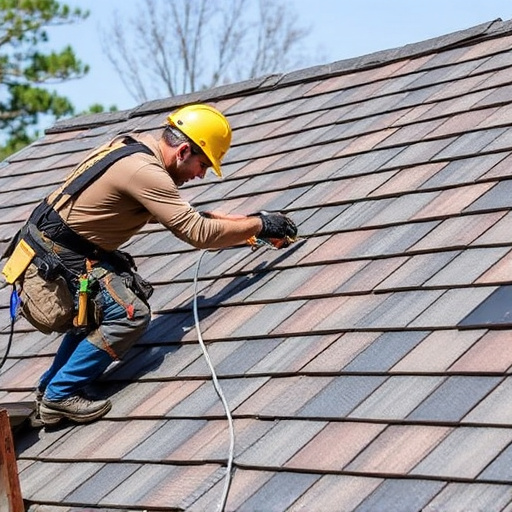
When repairing asphalt shingles in Oro Valley, the first step is a thorough inspection. Look for any lifted tabs, which are often the result of strong winds, especially during the monsoon season. These tabs can be gently pushed back into place, but if they're severely damaged, replacement is necessary. Also, take note of granule loss-shingles can lose their protective granules due to age, UV exposure, or extreme weather events. This not only affects the shingles' appearance but also their ability to shield the roof.
For minor issues like curled or cupped shingles, which might be caused by heat or humidity, a closer examination is required. Sometimes, a simple re-nailing, especially of the outer rows, can fix this. However, if the problem is widespread, it could indicate a more severe issue. Starter strips and edge details, which are crucial for wind resistance, can become damaged over time. A roofing contractor serving Oro Valley and Marana might recommend replacing these components as part of a more comprehensive repair or new installation.
The HOA architectural review process can add an extra layer of complexity, especially when dealing with shingling styles that differ from the standard. While many associations have guidelines for exterior aesthetics, they also consider structural integrity. If your shingles have developed a significant amount of algae or stains, it could be a sign of poor ventilation or underlying issues. In such cases, addressing the root cause is vital. The Oro Valley Building Department's local building codes and guidelines should be referenced to ensure any repairs or replacements meet safety standards.
When considering a cost-effective solution, remember that replacing a few damaged shingles is often more affordable than a full roof replacement. However, if your roof has reached the mid-point of its lifespan in the desert heat, a more extensive repair might not be economical. In such cases, it's advisable to consult with a local roofing contractor who can perform a detailed analysis, taking into account the age of your roof, local climate patterns, and your budget.
Preventing Future Shingle Damage: Best Practices for Homeowners
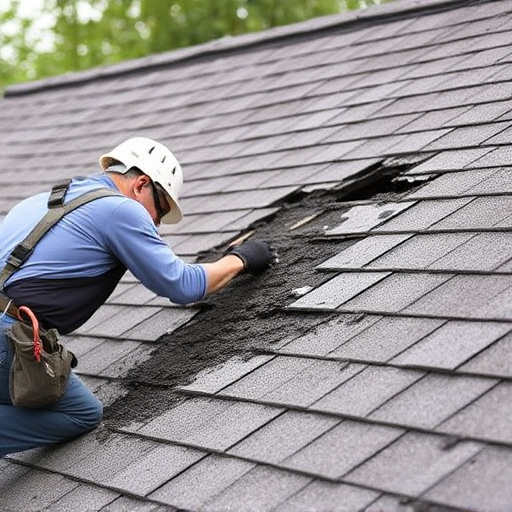
Preventing Future Shingle Damage: Best Practices for Homeowners
In the harsh desert climate of Oro Valley, proper shingle maintenance is crucial to extend the lifespan of your roof and prevent costly repairs. One common issue homeowners face is the occurrence of shingle nail pops. These pop-ups, often visible as raised areas or gaps, can result from various factors, including thermal cycling, where shingles expand and contract due to temperature changes, and high winds. To avoid these problems, it's essential to ensure proper installation and regular inspection.
A licensed Oro Valley area roofing contractor recommends implementing proactive measures to safeguard your roof. Start with a thorough understanding of your local building codes and the specific requirements for wind ratings, such as the Class H wind rating, which is common in our region. Ensure your roof is properly fastened with high-quality nails or screws, and consider using additional fasteners for added security. Energy-efficient ENERGY STAR shingles, designed to withstand extreme temperatures, can also contribute to reduced thermal expansion and contraction, thus minimizing the risk of shingle nail pops.
Regular maintenance matters in preventing future damage. Inspect your roof at least twice a year, paying close attention to any signs of granule loss, curling, or cupping. Addressing these issues promptly can prevent more severe problems. Proper ventilation and underlayment choices are critical. Ensure your roof is well-ventilated to regulate temperature and reduce moisture buildup, which can lead to algae and stain problems. Using suitable underlayment, such as those rated for desert climates, can provide an extra layer of protection against the elements and extend the overall lifespan of your shingles.
By following these best practices, Oro Valley homeowners can significantly reduce the likelihood of future shingle damage. Regular care, proper installation techniques, and the selection of suitable materials will contribute to a durable, low-maintenance roof that protects your home for years to come.
Frequently Asked Questions About a guide to shingle repairs, from lifted tabs to granule loss
What are the most common causes of lifted shingles? Shingles may lift due to several factors, including poor installation, exposure to extreme weather conditions, aging, and granule loss. In Oro Valley, where weather can be unpredictable, it's crucial to ensure proper installation and regular maintenance to prevent lifting. DC Roofing of Arizona, a licensed local roofing contractor, emphasizes the importance of using high-quality shingles and ensuring adequate ventilation to mitigate these issues.
How can I tell if my shingles are losing granules? Granule loss is a visible sign of wear and tear. Look for small, black, or brown particles on your roof or in your gutters. If you notice significant amounts of granules missing, it's a clear indication that your shingles may need replacing. Regular inspections by a qualified Oro Valley roofer can help catch this issue early, saving you from more extensive repairs.
Is it necessary to replace the entire roof if some shingles are lifted? Not always. Replacing individual lifted shingles or sections is often a more cost-effective solution. A roofer with an Arizona ROC license can assess the extent of the damage and recommend the best course of action. In many cases, repairing the problem areas can extend the life of your existing roof, delaying the need for a complete replacement.
What should I do if a strong storm has blown off several shingles? After a severe storm, inspect your roof for damage. If you find missing or severely damaged shingles, it's crucial to have them replaced promptly. Delays can lead to water intrusion and further damage to your home. Contacting a licensed Oro Valley area roofing contractor like DC Roofing ensures your roof is repaired safely and effectively, minimizing potential risks.
How long does a typical shingle repair take? Most shingle repairs can be completed within one to two days, depending on the extent of the damage. This quick turnaround is possible because the process often involves replacing individual shingles or sections, rather than an entire roof. The experienced team at DC Roofing of Arizona works efficiently to restore your roof to its protective condition as soon as possible.
In Oro Valley, understanding the common issues plaguing asphalt shingles is the first step toward effective maintenance. The article has highlighted several key insights: identifying lifted tabs and granule loss as indicators of wear, recognizing shingle nail pops as a potential structural issue, and the importance of proper diagnosis for targeted repairs. By addressing these issues, homeowners can ensure the longevity of their roofs, preventing more severe damage like curling, cupping, or even total blow-off during storms.
Practical actions include regular inspections, staying informed about local building codes, and considering energy-efficient, cool roof options. When repairs are necessary, especially for nail pops, timely intervention is crucial. Homeowners should consult with licensed local roofing contractors who can assess, repair, or replace shingles as needed, ensuring the work complies with Oro Valley's building regulations.
The article's authority lies in its comprehensive coverage of shingle damage, repair, and prevention, grounded in local context and expert advice. By implementing these strategies, Oro Valley residents can protect their investments and maintain the aesthetic appeal of their properties.
Shingle Repairs in Oro Valley: Addressing Lifted Tabs and Granule Loss
Oro Valley's arid climate, with winds up to Class H ratings, poses challenges for roofs. Common issues include lifted tabs (shingles dislodged from underlayment) and granule loss (shingle surface wear). Lifted tabs may result from high winds or improper installation, exposing the underlayment to moisture. Granule loss, caused by winds, hail, or aging, makes shingles more vulnerable to heat damage.
To mitigate these problems:
- Prevent and fix lifted tabs: Ensure proper ventilation and secure shingle attachment to underlayment. Regular inspections are crucial.
- Mitigate granule loss: Use high-quality, wind-rated shingles (like Class H) for better durability. Lighter-colored shingles with solar reflectance can reduce heat absorption.
Shingle Nail Pops: A Common Issue
Nail pops, visible as raised or curled shingles, often occur during monsoon winds. Causes range from initial installation issues to corrosion or structural movement. Repairs should address the root cause, ensuring secure fastening for long-term protection.
Inspection and Repairs: A Comprehensive Approach
- Thorough inspection: Look for lifted tabs, granule loss, and curled shingles.
- Address minor issues: Re-nailing outer rows may fix minor curling.
- Major repairs: Replace damaged components like starter strips, considering local building codes and HOA guidelines.
- Cost-effective solutions: Replacing a few damaged shingles is often more affordable than a full roof replacement.
Preventive Measures: Best Practices for Homeowners
- Understand local codes: Ensure proper installation and fastening techniques, adhering to wind ratings.
- Use energy-efficient shingles: ENERGY STAR-rated shingles reduce thermal expansion and contraction.
- Regular maintenance: Inspect twice yearly, addressing granule loss, curling, or cupping promptly.
- Proper ventilation and underlayment: Regulate temperature and reduce moisture buildup for long-term protection.