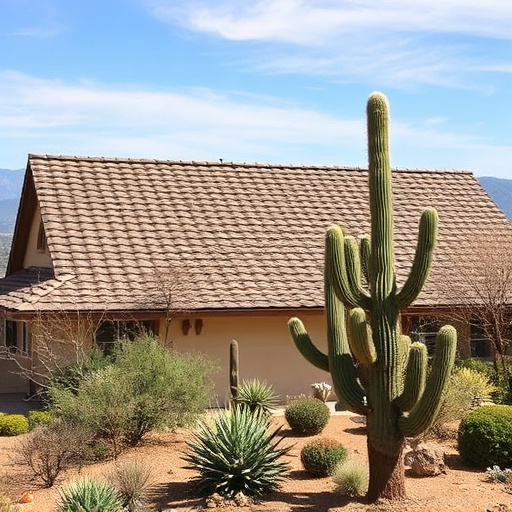
Choosing the right shingle colors for your Oro Valley roof isn't just about aesthetics; it's a crucial decision that impacts your home's energy efficiency, longevity, and even compliance with local HOA rules. In the desert climate of Oro Valley, extreme heat and harsh conditions can accelerate the aging of shingles, leading to granule loss, curling, and even blow-offs. This article provides expert guidance on navigating the challenges of low-slope roofs, light vs. Dark shingle colors, and understanding HOA design guidelines to ensure your roof not only protects your home but also complies with community standards.
- Understanding Desert Heat's Impact on Shingles
- Navigating HOA Rules for Shingle Selection
- Choosing Heat-Resistant Shingle Colors Strategically
- Low-Slope Shingles: Installation and Longevity
Understanding Desert Heat's Impact on Shingles
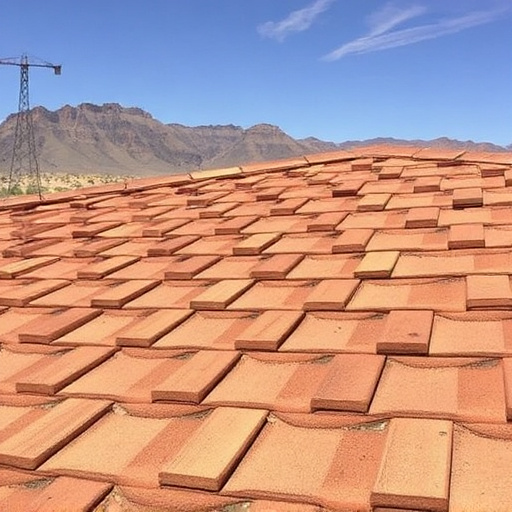
The desert climate in Oro Valley presents unique challenges for roofing materials, particularly asphalt shingles. When considering a new roof or replacing existing ones, homeowners must understand how extreme heat, intense sunlight, and monsoon winds impact shingles. This is crucial, especially when navigating the local building codes and Homeowners Association (HOA) rules that often dictate color choices.
Shingles on a low slope are particularly vulnerable to the harsh desert environment. During the day, the sun's rays can cause shingles to reach dangerously high temperatures, accelerating wear and tear. In the evening, rapid cooling can lead to thermal shock, resulting in granule loss and curling or cupping of the shingles. This phenomenon is exacerbated by the region's high humidity levels during the monsoon season, creating an environment conducive to mold and mildew growth, which can further damage the shingles.
To combat these issues, consider installing a ridge vent along the peak of your roof. This ventilation system helps regulate internal temperatures by allowing hot air to escape, reducing the thermal load on the shingles. Applying an ice and water shield under the shingles can provide extra protection against granule loss and water damage, common problems in areas prone to hail and heavy rainfall. A licensed Arizona roofer can advise on the most suitable products for your specific needs, taking into account factors like roof pitch, local climate patterns, and HOA guidelines. The Oro Valley Building Department may have specific requirements for reflective or energy-efficient roofing materials, which can also contribute to reduced cooling costs for homeowners.
Navigating HOA Rules for Shingle Selection
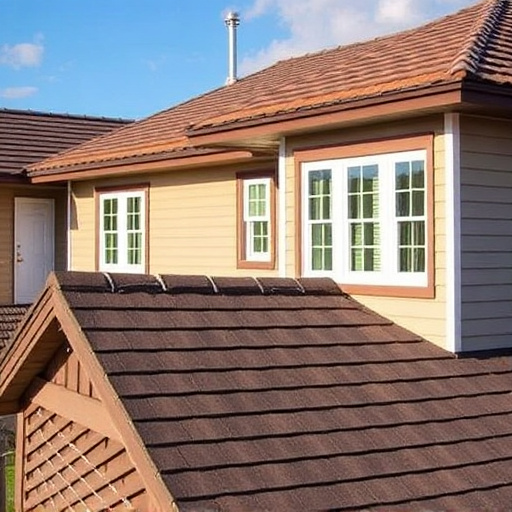
Choosing shingles for your Oro Valley home, especially in the face of intense desert heat and local HOA rules, can seem daunting. Architectural shingles, popular for their aesthetic appeal, offer superior performance in extreme conditions, but selecting the right color requires careful consideration.
HOA guidelines often dictate acceptable shingle colors and styles for Rancho Vistoso and other Oro Valley communities. While some HOAs allow for a range of options, others enforce strict design guidelines. Certain architectural shingles, known for their durability and complex, three-dimensional look, might be prohibited in favor of more traditional styles. Engaging with your HOA early in the process ensures compliance and avoids unnecessary delays or fines.
A local roofing company serving Oro Valley recommends assessing your roof's unique characteristics, including its low slope, before making a decision. Shingles on a low slope are more susceptible to heat-related issues like curling, cupping, and granule loss from prolonged UV exposure. High-quality, desert-rated shingles designed to withstand these conditions are essential.
When navigating HOA rules, prioritize energy efficiency. Cool roof shingles, which reflect heat rather than absorbing it, can be a smart choice. They not only comply with many HOA guidelines but also offer long-term savings on energy costs. Consider light-colored shingles, which naturally reflect more sunlight, further mitigating the effects of desert heat. Remember, the right shingle choice not only enhances your home's curb appeal but also ensures your roof stands the test of time in Oro Valley's demanding climate.
Choosing Heat-Resistant Shingle Colors Strategically
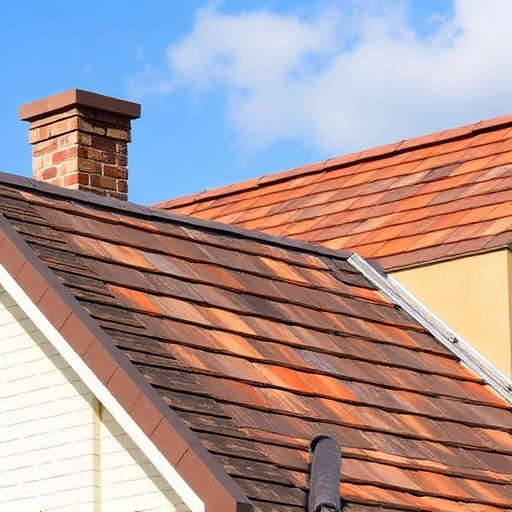
When choosing asphalt shingles for a home in Oro Valley, selecting a heat-resistant color is crucial, especially on low-sloped roofs. The desert climate presents unique challenges, with intense sunlight and high temperatures that can cause shingles to deteriorate faster. Shingles on low slopes are more exposed to direct sunlight, increasing the risk of granule loss, curling, and cupping-a natural process where the shingles' edges lift and become distorted.
To combat these issues, consider shingles with a Class H wind rating, designed to withstand 125 mph winds, a common requirement for homes in the Catalina Foothills. Manufacturers like GAF and Atlas offer desert-rated shingles, which are formulated to handle the harsh conditions. GAF's Timberline Shingles are designed with a Cool Roof coating that reflects heat, helping to keep your home cool and reducing energy costs. This is particularly important when installing shingles on low slopes, as darker colors can create a heat island effect, making your home uncomfortably warm.
HOA architectural reviews play a significant role in color selection, especially in Oro Valley's well-regulated communities. While you have freedom in choosing heat-resistant shingles, the HOA may have specific guidelines on styles and colors. An experienced Oro Valley roof specialist advises clients to review the HOA's design guidelines before purchasing. Some HOAs might prefer a more traditional architectural look, limiting the use of certain modern shingle styles or colors. To avoid costly replacements, ensure your chosen shingles align with HOA rules, which can protect your investment and maintain the community's aesthetic standards.
Low-Slope Shingles: Installation and Longevity
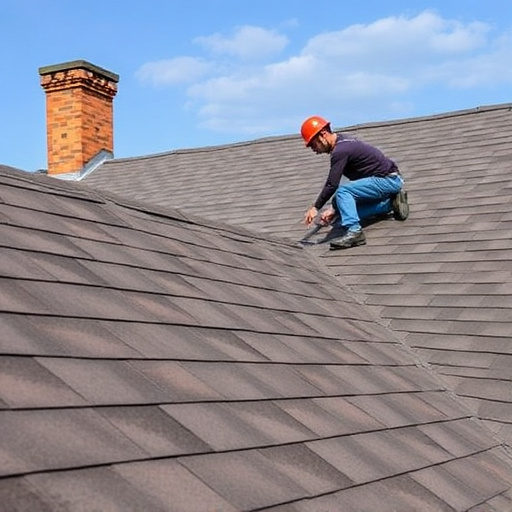
When selecting shingles for a low-slope roof in Oro Valley, understanding the unique challenges of the desert climate and navigating HOA design guidelines are paramount. The intense sun, high winds, and extreme temperatures demand a thoughtful choice of materials, and the flat or gently sloping nature of the roof presents its own set of considerations.
Low-slope shingles, designed for roofs with a slope of 30 degrees or less, require specific attention to withstand the rigors of the local environment. The primary concern is protecting against intense UV exposure, which can cause premature aging and failure of the shingles. That's why it's crucial to opt for shingles with a high-quality UV-resistant coating. Manufacturers like GAF and Atlas offer desert-rated shingles specifically engineered to handle the harsh conditions, ensuring longevity and maintaining the roof's aesthetic appeal.
Oro Valley's monsoon winds can pose a significant challenge, especially during the summer months. To mitigate the impact, consider installing wind-rated shingles, which are tested to withstand high wind speeds. A licensed Arizona roofer recommends using an ice and water shield under the shingles as an additional layer of protection against wind damage and leaks. This simple step can extend the life of your roof and prevent costly repairs, ensuring your investment holds up against the elements.
HOA rules can also dictate the color and style of shingles allowed in Oro Valley communities. While some HOAs may enforce strict guidelines, others offer more flexibility. Reviewing the HOA's design guidelines early in the process ensures compliance and eliminates potential issues down the line. Lighter-colored shingles reflect sunlight, helping to keep the home cooler and reducing energy consumption, a benefit both environmentally and financially. When choosing a color, remember that dark shingles can absorb heat, potentially increasing energy costs, which is a key consideration for homeowners in the desert climate.
Frequently Asked Questions About advice on choosing shingle colors that handle desert heat and HOA rules
What factors should I consider when choosing shingle colors for my Oro Valley roof?
Consider the desert heat, as darker shingles absorb more heat, potentially increasing your home's energy costs. Lighter colors reflect sunlight, keeping your home cooler. Also, check your Homeowners Association (HOA) rules. Some HOAs dictate color and style to maintain a specific community aesthetic. Ensure any color you choose complies with HOA regulations to avoid fines.
Are there specific shingle types better suited for desert climates?
Light-colored, reflective shingles are ideal for desert regions. Asphalt shingles with a high reflective value, often called cool roofs, are energy-efficient choices. Also, consider fiber cement or metal roofs, which offer excellent heat resistance and durability, but check local building codes and HOA restrictions.
How can I balance aesthetics and energy efficiency?
Balance aesthetics with functional considerations. While lighter colors are energy-efficient, they might not match traditional or desired color palettes. Explore light-colored variations of popular styles or consider a two-tone design to blend energy efficiency with personal taste. Always consult with a licensed Oro Valley roofer who can provide expert advice.
What is the role of a local roofing contractor in this process?
A licensed roofer from DC Roofing of Arizona or a local specialist can guide you through the best options for your roof. They understand local building codes, HOA rules, and desert-climate challenges. Their expertise ensures your roof is not only attractive but also performs optimally in the heat.
How do I ensure my choice complies with HOA rules?
Review your HOA documents or contact them directly. Many HOAs have guidelines on permitted colors and styles. You can also seek advice from your roofer, who is familiar with local HOAs and can suggest compliant options.
What happens if I choose a color not approved by my HOA?
If you choose a color not approved, you might face fines or be required to change the color. It's best to avoid this by understanding and adhering to HOA rules. Remember, a roofer or HOA representative can help interpret rules and recommend suitable alternatives.
Selecting the right asphalt shingles for your Oro Valley home involves a thoughtful balance of protecting against desert heat and adhering to HOA guidelines. By understanding how intense sun and heat can degrade shingles, especially on low-slope roofs, you can make informed decisions that extend your roof's lifespan. Navigating HOA rules regarding shingle colors, styles, and brands is crucial to avoid disputes and ensure your home complies with community design guidelines. Some HOAs mandate dark-colored shingles for energy efficiency, while others have specific requirements for starter strips and edge details.
When considering a roof replacement, especially for a low-slope roof, prioritize proper ventilation to enhance air circulation, which helps combat curling and cupping. Examining the underlayment and ridge caps can prevent leaks and extend the overall durability of your shingle roof. Remember, replacing just a few shingles might not be enough to address issues like wind damage, cracked shingles after storms, or algae and stains. A comprehensive assessment and potential repair of these problems can save you from costly, unnecessary replacements.
The article's insights empower homeowners and contractors in Oro Valley to make strategic choices, ensuring their shingle roofs stand the test of time while adhering to local regulations. By following these guidelines, you can achieve a balance between energy efficiency, aesthetic appeal, and long-lasting protection against the unique challenges posed by the desert climate.
Choosing the right shingles for your Oro Valley home involves navigating intense desert heat, local building codes, and HOA rules. For low-slope roofs, select heat-resistant, desert-rated shingles with advanced UV protection and wind-resistant construction. Consider energy-efficient, light-colored shingles to reflect heat and reduce cooling costs. Engage with your HOA early to ensure compliance with design guidelines, and consult a licensed Arizona roofer for expert advice tailored to your specific needs.