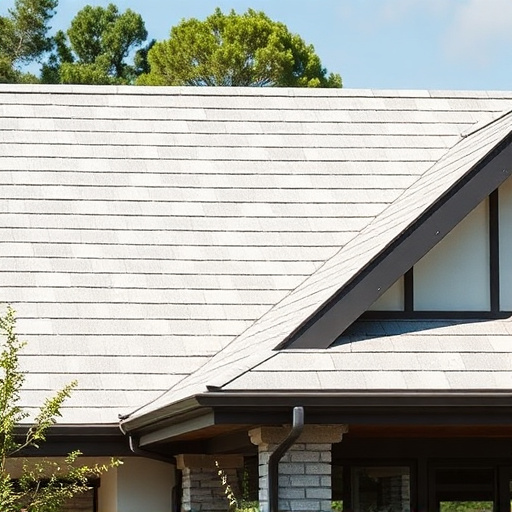
Homeowners in Oro Valley, like anywhere, know that a roof is a crucial investment. A quality roof protects your home from the harsh local climate-the scorching desert sun, strong winds, and occasional storms. However, over time, even the best asphalt shingles will show signs of wear, making them more susceptible to leaks.
The problem is that many homeowners don't realize the subtle signs of shingle damage until water starts dripping inside. To avoid costly repairs and potential interior damage, this article provides a comprehensive checklist. We'll guide you through the most common wear patterns, from granule loss and curling to cracks and stains, and share expert tips on how to identify them. Understanding these issues is key, as it can significantly impact not just what shingle roofs cost but also the longevity of your roof.
- Inspect Regularly: Shingle Wear Signs to Look For
- Common Causes of Shingle Damage in Oro Valley
- What to Expect: Shingle Roof Replacement Costs
- Preventive Measures: Prolonging Your Shingle Roof's Life
Inspect Regularly: Shingle Wear Signs to Look For
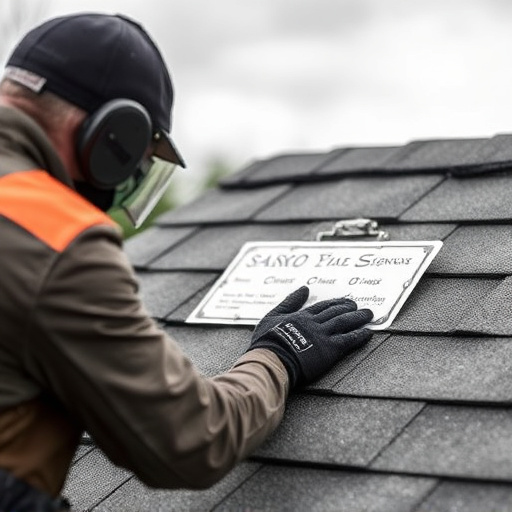
Regular inspections are crucial for homeowners to maintain the health of their asphalt shingle roofs, preventing leaks and costly repairs. In Oro Valley, where monsoon winds and intense summer sun can take a toll on roofing materials, it's especially important to be vigilant. An experienced Oro Valley roof specialist recommends inspecting your roof at least twice a year, focusing on signs of wear and tear.
One of the first things to look for is curling or cupping shingles. These issues can indicate a lack of proper ventilation, allowing heat to build up beneath the shingles and causing them to distort. ENERGY STAR-rated shingles, designed for better performance in hot climates, can be a smart investment to mitigate this problem. Keep an eye out for missing or granule-less shingles. Granules, which protect the shingles from UV damage, naturally wear off over time, but significant loss can signal a more severe issue. Wind damage, common during our seasonal storms, can also leave behind torn or blown-off shingles, particularly on low-sloped roofs.
Another sign of potential trouble is algae and stains on the shingles. Algae thrives in damp, shady areas, so check for discolored patches, especially on the north sides of your roof. These stains can weaken the shingles and, if left untreated, may lead to further damage. Shingle nail pops are another red flag; loose nails can cause shingles to lift, leading to water intrusion and leaks. To ensure your roof's longevity, consider regular inspections and prompt repairs as part of your home maintenance routine. What shingle roofs cost in Oro Valley can vary based on materials, complexity of the repair, and local labor rates, but catching issues early can save you from these expenses down the line.
Common Causes of Shingle Damage in Oro Valley
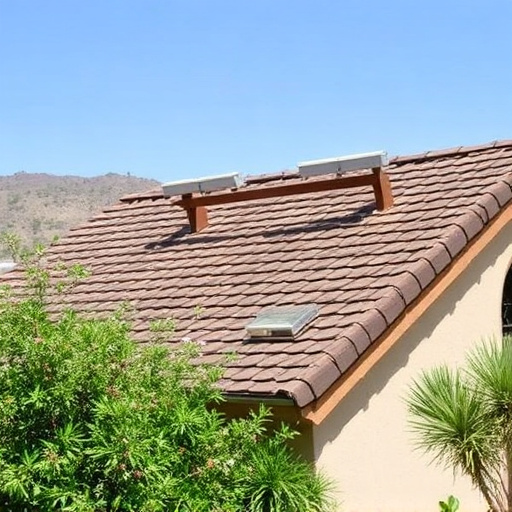
Shingles in Oro Valley are a vital defense against the region's sun, wind, and occasional storms. Yet, like any protective barrier, they wear over time, and identifying wear early is crucial to prevent leaks and costly repairs. This section focuses on the common causes of shingle damage in our desert climate, offering homeowners a practical checklist to monitor their roofs' health.
One of the most significant contributors to shingle deterioration is thermal cycling. The extreme temperature fluctuations between day and night, common in Oro Valley's desert environment, cause shingles to expand and contract. This repeated stress weakens the shingles' integrity, leading to cracks, curls, and even granule loss. Homeowners should look for uneven coloring, where lighter areas indicate spots where shingles have been exposed to more heat, a clear sign of thermal cycling damage.
Wind is another formidable force against roofs. High winds, particularly during monsoon season, can rip shingles loose or lift them, causing blow-offs at valleys and edges. Wind-rated shingles, such as those offered by reputable manufacturers like GAF and Atlas, are designed to withstand these forces, and their installation should be approved by the local building department and, if applicable, the HOA. DC Roofing of Arizona, a licensed Oro Valley contractor, emphasizes the importance of using wind-rated materials and proper installation techniques to mitigate wind damage.
Moisture, often from heavy rainfall or irrigation, can also accelerate shingle damage. Algae and stains can accumulate, leading to discoloration and, ultimately, weakness. Homeowners should check for dark patches or algae growth, especially in low-slope areas or around patio covers. Regular cleaning and treating stains with approved products can extend the life of your shingles. Ensure proper drainage around your roof to avoid water pooling, which can accelerate degradation.
A critical component of shingle health is the drip edge. This is the edge of the roof where water flows off, preventing rainwater from seeping under the shingles and into the attic. If the drip edge is damaged or missing, water can penetrate, leading to extensive interior damage. Homeowners should inspect the drip edge for signs of deterioration or separation from the roof, and repair or replacement should be done by a professional to ensure a proper seal.
HOA architectural reviews are another aspect to consider. In Oro Valley, many neighborhoods have design guidelines that regulate exterior aesthetics, including roofing materials and colors. Adhering to these guidelines not only maintains the community's aesthetic appeal but also ensures your shingle roof complies with local regulations. Some HOAs may have specific requirements for dark or light shingle colors to blend with the surrounding environment.
What to Expect: Shingle Roof Replacement Costs
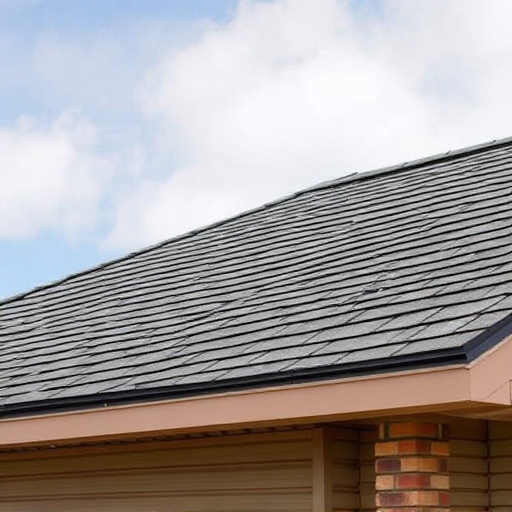
When considering the cost of replacing your asphalt shingle roof in Oro Valley, it's crucial to understand the various factors that influence the overall price. The cost of a new shingle roof can vary widely based on the type of shingles chosen, the size and complexity of your roof, local labor rates, and the extent of the work required. A roof in the Catalina Foothills might necessitate additional considerations due to the unique terrain and local building codes.
Fiberglass mat shingles, a popular and durable option, generally offer a more affordable replacement compared to metal or tile. The price difference can be substantial, especially for large homes with complex rooflines. The addition of drip edges, a crucial component for proper roof drainage, can impact the overall cost. Some roofing contractors in Oro Valley, as licensed professionals, may bundle these services into their quotes, making it easier to compare prices.
Beyond material and labor costs, there are other expenses to consider. Local taxes, permits, and inspections add to the final bill. The Oro Valley Building Department may require permits and inspections that contribute to the overall project cost. If your roof requires structural repairs or if there are significant issues like curling or cupping shingles, these problems must be addressed before, during, or after the new roof installation, affecting the overall project budget.
A thorough inspection by a roofer with an Arizona ROC license can help you understand the true scope of the work needed. They can identify areas of concern, provide estimates for repairs, and guide you in making informed decisions about your roof's longevity. Remember, a well-maintained roof, with regular inspections and timely repairs, can extend its lifespan, potentially saving you money in the long term.
Preventive Measures: Prolonging Your Shingle Roof's Life
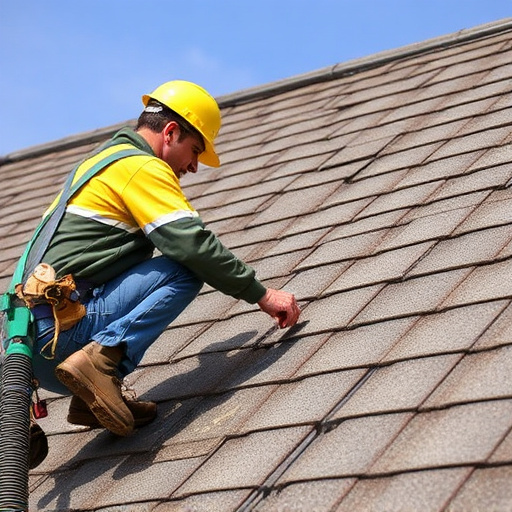
Extending the life of your asphalt shingle roof involves proactive care. While regular maintenance is crucial, the most effective strategy is to spot signs of wear early. This allows for timely repairs, preventing minor issues from escalating into costly leaks. Here's a homeowner's guide to identifying common shingle wear in Oro Valley and Marana's desert climate, focusing on cost-effective solutions before replacing the entire roof.
One of the first visible indicators of trouble is granule loss. These tiny, hard particles protect shingles from the elements. As shingles age, especially in the intense sun and wind of the Catalina Foothills, granules may loosen and wash away. Inspect your roof regularly, particularly in areas that receive the most sun exposure.
Curling or cupping shingles are other telltale signs. These distortions, often caused by excessive heat or poor ventilation, can indicate a more serious problem. Shingles that curl at the edges or cup downward may be beyond simple cleaning and sealing. Wind-rated shingles, designed to withstand higher speeds, can offer additional protection against these issues. A roofing contractor serving Oro Valley and Marana can assess your roof's ventilation needs and recommend suitable solutions.
Regular checks for algae and stains are also essential. Shingles in our arid climate can be susceptible to algal growth, which, if left unchecked, can lead to weakening of the shingles. Light-colored shingles are more prone to staining, which can indicate water damage or a lack of proper sealing. Addressing these issues early, whether it's through cleaning, sealing, or replacing specific shingles, can save you money in the long run. Remember, what shingle roofs cost in Oro Valley is not solely determined by the number of shingles replaced but also by the extent of the damage and the overall roof condition.
Frequently Asked Questions About a Homeowner Checklist for Spotting Shingle Wear Before It Leaks
What is the best way to inspect my roof for wear and tear?
Regular, visual inspections are key. Schedule a bi-annual check, especially in Arizona's harsh climate. Look for curled, cracked, or missing shingles, as these are signs of wear. Examine the flashings and valleys for rust or debris buildup. Using a pair of binoculars can help spot issues from the ground, but access the roof if possible for a thorough assessment.
How often should I perform a visual inspection?
For optimal roof health, conduct a visual inspection every six months, or more frequently in areas prone to extreme weather. This allows for early detection of any problems that could lead to leaks.
Can I identify shingles that need replacing just by looking?
Absolutely. Look for individual shingles that appear damaged, discolored, or curled. Shingles may also need replacing if they are missing entirely or if their underlayment is exposed. Don't underestimate the importance of even one damaged shingle-it could compromise the entire roof.
What should I do if I notice water stains on my ceiling?
Water stains on the ceiling are a clear sign of a potential leak. Trace the source by following the stains downward. They often indicate a problem in the upper layers of the roof. Contact a licensed Oro Valley area roofing contractor, like DC Roofing, immediately for a thorough inspection and repair.
How can I prevent shingle wear and tear in the first place?
Proper installation, regular cleaning, and seasonal inspections are key. Remove debris like leaves and branches to prevent clogging gutters, which can lead to water pooling and shingle damage. Also, ensure adequate ventilation to reduce heat build-up, which accelerates shingle deterioration.
As a homeowner in Oro Valley, understanding the signs of shingle wear and the factors that contribute to its deterioration is crucial. Regular inspections can help you catch potential issues early, preventing costly leaks and extensive repairs. By recognizing common causes like extreme weather, aging shingles, and poor installation, you can take proactive measures to extend your roof's lifespan.
The article highlights that what shingle roofs cost varies based on materials, complexity, and local labor rates. Investing in high-quality, durable shingles and proper installation can significantly reduce long-term expenses. Following local building codes, considering energy-efficient options, and adhering to HOA design guidelines can further protect your investment.
Proactive shingle maintenance, coupled with informed decisions about materials and installation, is key to safeguarding your home's investment. By implementing these strategies, you'll ensure your Oro Valley roof remains protective and reliable for years to come.
Summary:
Homeowners in Oro Valley should prioritize regular roof inspections (at least twice a year) to prevent leaks and costly repairs. Key issues to look for include:
- Curling or Cupping Shingles: Indicates lack of ventilation or heat damage, exacerbated in hot climates. Consider energy-efficient, wind-rated shingles.
- Missing or Granule-Less Shingles: Significant granule loss may signal severe damage.
- Algae and Stains: Discolored patches, especially on north sides, weaken shingles.
- Shingle Nail Pops: Loose nails can cause water intrusion.
Cost Factors:
Shingle roof costs in Oro Valley vary based on:
- Shingle type (e.g., fiberglass vs. Metal)
- Roof size and complexity
- Labor rates
- Local taxes, permits, and inspections
- Extent of damage requiring repairs
Proactive Care:
Identify and address wear early:
- Inspect for granule loss, especially in sunny areas.
- Look for curling or cupping shingles, possibly indicating ventilation issues.
- Regularly check for algae and stains.
Early intervention saves money and extends roof lifespan.