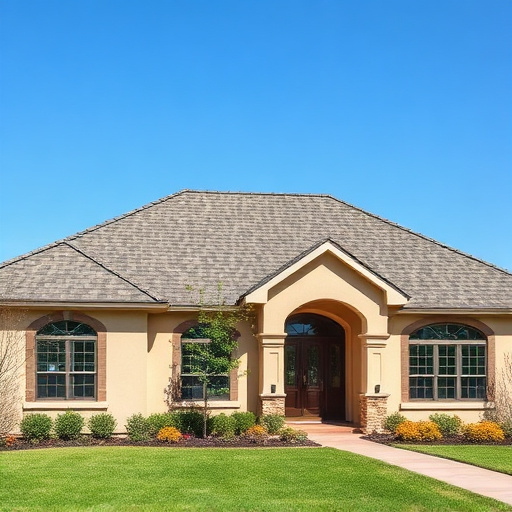
In Oro Valley, Arizona, the choice of roofing material is a crucial decision for homeowners. With the region's unique desert climate and varying weather patterns, understanding the performance of different shingles becomes essential. This is particularly true when considering the longevity and durability of a roof, especially in areas prone to strong winds, hail, and intense summer heat. Architectural and three-tab shingles, two popular choices, offer distinct advantages and drawbacks. This article examines their performance, lifespan, and suitability for southern Arizona's conditions, with a focus on the practical considerations and benefits of choosing impact-resistant shingles for a robust and efficient roof.
- Understanding Architectural and Three Tab Shingles
- Factors Affecting Choice in Southern Arizona
- Impact Resistant Shingles: Benefits and Considerations
- Installation, Maintenance, and Longevity Comparison
Understanding Architectural and Three Tab Shingles
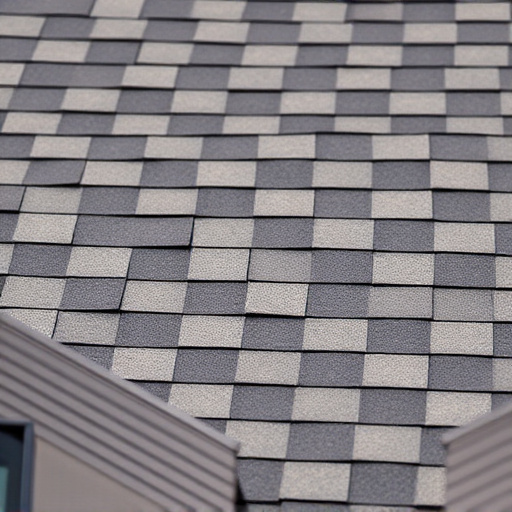
Architectural and three tab shingles offer distinct characteristics, each with its pros and cons in the challenging southern Arizona climate. When considering a roofing solution, understanding these differences is crucial for a durable, low-maintenance roof.
Architectural Shingles are designed for enhanced aesthetic appeal and superior performance. They feature a complex, multi-layer structure, often imitating the look of ceramic tile or slate. These shingles are known for their superior resistance to wind, as well as their ability to better handle the extreme temperature fluctuations experienced in Oro Valley. The increased durability comes at a cost, however; architectural shingles tend to be more expensive than their three tab counterparts. They also require proper ridge venting to ensure optimal performance, preventing the build-up of heat and moisture beneath the shingles. Many homeowners appreciate the added visual appeal of architectural shingles, with their varied textures and colors, which can enhance the overall curb appeal of a property.
In contrast, three tab shingles are a more traditional and cost-effective option. They are single-layer shingles with three distinct tabs or projections that give them a classic look. While less expensive, three tab shingles may not be as wind-resistant as architectural styles, and they tend to be less durable in the desert heat. The granules on three tab shingles, which protect against UV damage and provide a decorative finish, can be more susceptible to loss over time due to the harsh conditions. Despite these potential drawbacks, three tab shingles remain a popular choice for many homeowners, especially those on tighter budgets.
When choosing between these two types, a roofing contractor serving Oro Valley and Marana, such as DC Roofing of Arizona, can provide expert guidance. They can help you weigh the benefits of impact resistant shingles (in this case, architectural) against cost-effectiveness (three tab). While architectural shingles may be more prone to blistering in the summer heat, they could save you money in the long run by reducing the need for frequent repairs or replacements. The decision should consider not only your budget but also your home's design, your comfort level with maintenance, and the specific climate challenges posed by southern Arizona.
Factors Affecting Choice in Southern Arizona
In southern Arizona, the choice between architectural and three tab shingles hinges on several key factors, each playing a crucial role in ensuring a durable, aesthetically pleasing, and energy-efficient roof. One of the most significant influences is the region's unique climatic conditions, particularly the intense monsoon winds and high temperatures.
Architectural shingles, known for their complex shapes and larger dimensions, often outperform three tab shingles in areas prone to high winds. These shingles are designed to handle more stress due to their superior wind resistance, a crucial consideration for Oro Valley homeowners facing powerful summer winds. Architectural shingles typically offer better protection against heat-related issues like curling and cupping, common problems in the desert heat. This is because the thicker, more flexible material can better withstand the expanding and contracting caused by rapid temperature changes.
A roofing contractor serving Oro Valley and Marana will also advise property owners on the importance of considering the lifespan and maintenance requirements of each shingle type. Three tab shingles, with their simpler design, tend to have a slightly shorter lifespan than architectural shingles. However, they generally require less maintenance, as their uniform shape and size makes them less prone to granule loss, a common issue with architectural shingles. This can lead to longer-term cost savings, especially when factoring in the potential for extended warranty coverage on certain brands.
When deciding between impact resistant shingles and traditional options, homeowners in southern Arizona should consult the local building codes and consider their specific needs. The Oro Valley Building Department provides guidelines that can influence the selection process. Properties in flood-prone areas may require specific underlayment choices or additional protective measures, like drip edges, to mitigate damage. With the region's varying climate patterns, choosing impact resistant shingles can offer peace of mind against unexpected storms and extreme weather events, ensuring the home's exterior stands up to whatever Mother Nature brings.
Impact Resistant Shingles: Benefits and Considerations
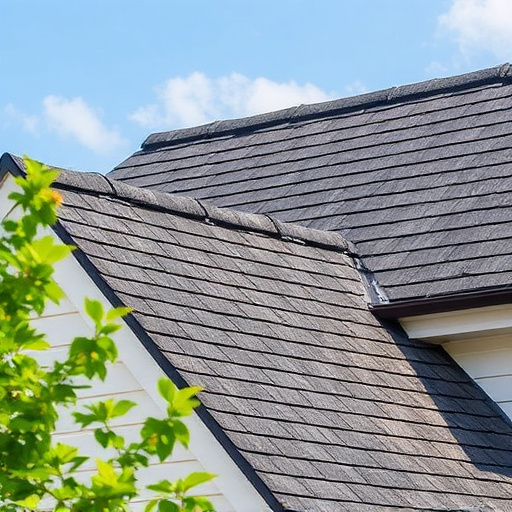
In the harsh desert environment of southern Arizona, including Oro Valley, choosing the right roofing material is essential for both durability and aesthetics. When considering options, homeowners often face a critical decision: architectural shingles versus three-tab shingles. Among these, impact-resistant shingles have emerged as a popular choice, offering enhanced protection against the unique challenges of the region. This section examines the benefits and considerations of impact-resistant shingles, specifically focusing on their Class H wind rating and their role in protecting homes in the Catalina Foothills.
Impact-resistant shingles, such as those with a Class H wind rating, are designed to withstand extreme wind conditions, a common occurrence in southern Arizona. In Oro Valley, powerful monsoons and desert storms can generate high winds, posing a significant threat to traditional shingles. The Class H rating indicates that these shingles have been rigorously tested to resist damage from wind speeds up to 120 mph, making them an ideal choice for homes in storm-prone areas. Impact-resistant shingles often incorporate an ice and water shield underlayment, further enhancing their performance. This barrier helps protect against ice damming and water intrusion, common issues during the cold winter months, ensuring a dry and secure home.
In the Catalina Foothills, where homes often feature unique architectural styles and diverse landscapes, impact-resistant shingles provide a reliable solution. Their durable design and enhanced wind resistance make them a preferred choice for homeowners seeking to safeguard their investments. When considering a roof replacement, a licensed Arizona roofer recommends evaluating the local climate and specific conditions. In Oro Valley, where wind and weather patterns can vary, impact-resistant shingles offer peace of mind, knowing that your roof is designed to withstand the elements. By understanding the benefits and selecting the right material, homeowners can ensure their roofs provide long-lasting protection, enhancing the overall value and resilience of their properties.
Installation, Maintenance, and Longevity Comparison
When choosing between architectural and three tab shingles for your Oro Valley roof, consider the installation, maintenance, and longevity differences. Both styles have their advantages, but the choice depends on your specific needs and local conditions, like those found in the scenic Catalina Foothills.
Installation: Architectural shingles, known for their complex, layered design, usually require more skill to install due to their heavier weight and intricate shapes. Three tab shingles, with their simpler, tabbed appearance, are generally easier and faster to install. In Oro Valley, where skilled labor costs can vary, this difference can significantly impact project budgets. A homeowner replacing a small section of their roof might find three tab shingles more economical, while a complete roof replacement on a larger home could benefit from the enhanced durability of architectural shingles and the expertise of an experienced Oro Valley roof specialist.
Maintenance: Both types of shingles require regular inspection and maintenance, but their specific needs differ. Architectural shingles, with their complex design, may be more prone to granule loss over time, especially in the harsh desert heat. Three tab shingles, while more durable against wind and hail, can be more susceptible to curling and cupping if not installed properly. Using synthetic underlayment beneath the shingles can help protect against these issues in both styles, providing extra insulation and a secondary barrier against the elements. A homeowner in the Catalina Foothills might choose synthetic underlayment for added protection against intense summer sun and occasional thunderstorms.
Longevity: When comparing lifespan, impact resistant shingles, regardless of style, generally outperform standard shingles. However, architectural shingles often come with longer manufacturer warranties, reflecting their enhanced durability. In Oro Valley, where extreme weather conditions can include powerful winds and occasional hailstorms, choosing impact resistant shingles is a smart investment. While three tab shingles can be rated for impact resistance, they typically offer shorter warranties than their architectural counterparts. A homeowner considering a long-term investment in their home's value might opt for architectural shingles, even though they require more initial maintenance, knowing their potential longevity provides better protection for the structure.
Frequently Asked Questions About a Comparison of Architectural and Three Tab Shingles for Southern Arizona
What are the primary differences between architectural and three tab shingles?
Architectural shingles and three tab shingles have distinct styles. Architectural shingles, also known as dimensional or laminated shingles, feature a complex, three-dimensional look with layers that mimic the appearance of slate or tile. They are larger and more expensive than three tab shingles, which have a simpler, uniform shape that looks like a flat tab. Three tab shingles are lighter, easier to install, and generally more suitable for lower-pitched roofs.
Which type of shingle is better suited for the hot, dry climate of southern Arizona?
In southern Arizona's hot, dry climate, three tab shingles often perform better. They are less prone to warping or curling in extreme heat, and their lighter weight reduces stress on roof structures. Architectural shingles, while aesthetically appealing, can be more susceptible to heat-related damage and may require additional underlayment to protect against leaks.
Do architectural shingles offer any advantages over three tab shingles?
Yes, architectural shingles offer several advantages. They provide a high-end, sophisticated look that enhances property values. Their layered construction makes them more wind-resistant, and they can withstand harsh weather conditions better than three tab shingles. Architectural shingles typically come with longer warranties, reflecting their superior durability.
Which type of shingle is more affordable?
Three tab shingles are generally less expensive than architectural shingles. Their manufacturing process is simpler, and they require less labor to install. Architectural shingles, due to their complex design and durability, carry a higher upfront cost but can provide long-term savings through reduced maintenance and replacement needs.
How long do architectural and three tab shingles typically last?
Three tab shingles usually have a lifespan of around 25 to 30 years, while architectural shingles can last 30 to 50 years, depending on factors like installation quality and exposure to weather conditions. Both types can last longer with proper maintenance, but architectural shingles tend to hold up better over time in challenging climates like southern Arizona.
Does the choice of shingle affect energy efficiency?
The choice of shingle can impact energy efficiency. Architectural shingles, with their layered structure, can provide better insulation and help regulate roof temperatures, contributing to energy savings. Three tab shingles, being lighter and less dense, may not offer the same level of insulation benefits, but they can still be an energy-efficient option, especially when combined with reflective underlayments.
This in-depth comparison highlights the unique considerations for roofing with architectural or three tab shingles in southern Arizona's specific climate. Key insights include the importance of impact resistant shingles, which offer superior protection against the region's hail events and high winds, extending roof lifespan. The article also emphasizes the value of considering shingle lifespan, color choices guided by local HOA rules, and the cost-effectiveness of repairing versus replacing individual shingles.
For homeowners, understanding these factors is crucial for making informed decisions. By weighing the benefits of impact resistant shingles, the aesthetic considerations of shingle color, and the practical aspects of low-slope roofs, residents can ensure their Oro Valley roofs are both functional and compliant with local building codes and HOA guidelines. This knowledge empowers them to engage with roofing contractors on a level that prioritizes both quality and longevity, ultimately resulting in sound investments in their properties.
In southern Arizona's challenging climate, choosing between architectural and three tab shingles requires understanding their distinct characteristics. Architectural shingles offer superior wind resistance and heat durability but are more expensive. Three tab shingles are cost-effective, but less wind-resistant and may show granule loss faster. A local roofing expert recommends weighing impact resistance against budget, considering factors like roof maintenance and local building codes. Impact resistant shingles, with their Class H wind rating, provide enhanced protection in Oro Valley, where powerful winds and thunderstorms are common. The choice depends on individual needs, budget, and long-term investment in home protection.