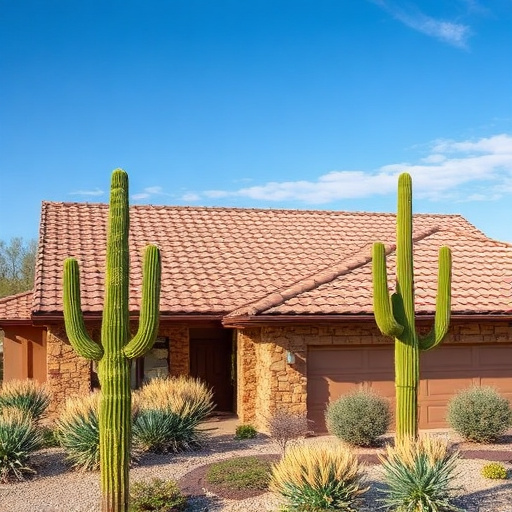
Shingle roofs are a cornerstone of Oro Valley's architectural landscape, protecting homes from the region's unique climate. However, understanding the costs and factors influencing these roofs is essential for any homeowner. The variability in pricing, driven by factors like material type, labor costs, and local regulations, can make it challenging to plan and budget effectively. This article offers a straightforward, no-nonsense guide to navigating the world of shingle roof costs. We'll explore what makes these roofs tick, what determines their price, and how to effectively check a shingle roof to ensure both its longevity and cost-efficiency in the Oro Valley climate.
- Assessing Shingle Roof Costs: A Comprehensive Look
- Factors Influencing Shingle Roof Prices
- Natural Ways to Check Shingle Roof Condition
- Budgeting for Shingle Roof Replacement or Repair
Assessing Shingle Roof Costs: A Comprehensive Look
Assessing Shingle Roof Costs: A Comprehensive Look
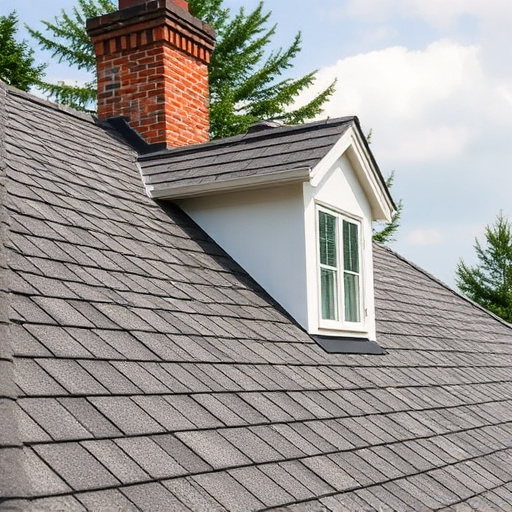
When considering a new roof or assessing the condition of your current one, understanding shingle roof costs and the factors that drive them is crucial. In Oro Valley, the climate's intense UV exposure and solar reflectance significantly impact shingle lifespan and performance. Therefore, a thorough inspection-what we, an experienced Oro Valley roof specialist, call "checking a shingle roof"-is essential. During this process, we examine the state of the shingles, underlayment, and structural integrity, all while considering the local building codes and regulations.
Shingle roof costs vary widely based on several key factors. First, the type of shingle plays a substantial role. Architectural shingles, known for their superior durability and aesthetic appeal, are more expensive than three-tab shingles. Similarly, impact-resistant shingles designed to withstand hail and high winds carry a premium. Second, the size and complexity of the roof affect labor costs, with larger or more intricate roofs typically requiring more time and expertise. Third, local labor rates and the availability of skilled contractors influence pricing. In Oro Valley, the Bureau of Labor Statistics provides insights into the average local wages, which directly impact roofing project costs.
UV exposure and solar reflectance, often overlooked, can significantly extend or shorten a shingle's lifespan. Desert environments, like Oro Valley, expose shingles to intense UV rays, leading to faster degradation. Shingles with superior UV resistance and high solar reflectance ratings, which bounce sunlight away from the roof, can help mitigate these effects. When considering a roof replacement, local building codes and HOA design guidelines may dictate specific shingle styles, colors, and installation methods, adding further complexity to the cost calculation. Always consult with a local roofing contractor and refer to the Oro Valley Building Department for precise guidelines.
Factors Influencing Shingle Roof Prices
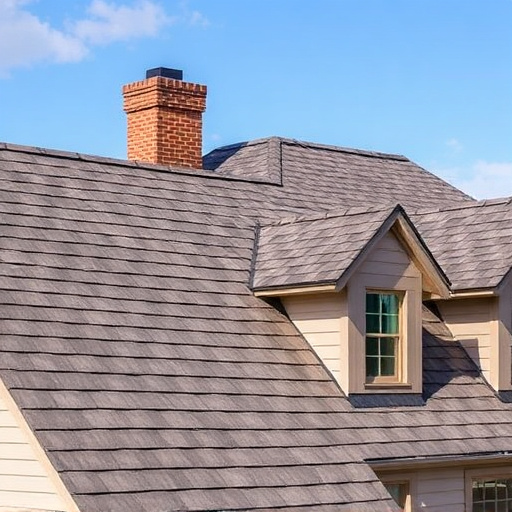
The cost of a shingle roof in Oro Valley isn't a one-size-fits-all proposition. Several factors, from the local climate to the type of shingles and the complexity of the installation, significantly influence the price. Understanding these factors is essential when considering a new roof or repairs. A roof in Oro Valley faces unique challenges due to the region's desert heat, which can accelerate shingle degradation. This environment necessitates durable shingles that can withstand extreme temperatures and high UV exposure.
One of the most tangible drivers of shingle roof prices is the quality and type of shingles chosen. Architectural shingles, known for their complex design and superior durability, often cost more than basic three-tab shingles. In Oro Valley, where homeowners often face the challenge of extreme weather, a Class 4 impact rating-the highest rating for shingles-is recommended. These impact-resistant shingles, such as those from manufacturers like GAF and Atlas, are designed to withstand high-velocity objects like hail and can significantly extend the lifespan of your roof.
The complexity of the installation plays a crucial role. Rooftops with steep slopes or intricate architectural details require skilled labor and specialized equipment, driving up costs. If a roof inspection reveals significant issues like granule loss, curling, or cupping, repairs will be needed before a new layer of shingles can be installed. A roofer with an Arizona ROC license, familiar with the local building codes and HOAs, will assess the situation accurately and provide a transparent estimate.
HOA architectural reviews are another consideration. In Oro Valley, many neighborhoods have strict guidelines on roof styles and colors. While these regulations exist to maintain community aesthetics, they can add an extra layer of complexity and cost to a shingle roof replacement. Homeowners should check the HOA's design guidelines early on, ensuring the chosen shingles meet both aesthetic and structural requirements. By understanding these factors, Oro Valley residents can make informed decisions about their roof, ensuring a durable, safe, and visually appealing structure that aligns with local regulations.
Natural Ways to Check Shingle Roof Condition
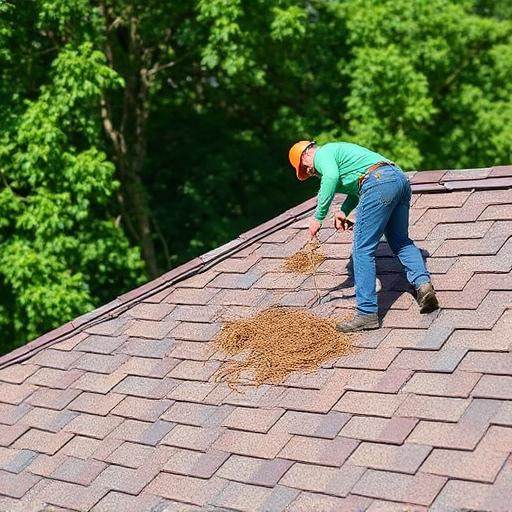
Checking a shingle roof's condition is a crucial task for homeowners in Oro Valley's Catalina Foothills, where extreme UV exposure and fluctuating desert temperatures can accelerate shingle wear and tear. Unlike some roofing issues that cry out for immediate attention, many minor problems can go unnoticed until they become major headaches. However, with a few natural methods, you can assess your shingle roof's health and determine if repairs or replacements are needed.
One of the simplest yet most effective ways to check your shingle roof naturally is by conducting a visual inspection during the cooler parts of the day, ideally early morning or late afternoon. This is when the sun's UV rays aren't as intense, allowing you to spot issues like curling, cupping, or missing shingles more easily. Look for any signs of damage, including cracks, splits, or nail pops. Shingles that curl or cup can indicate poor installation, excessive moisture, or UV damage. Missing shingles, often blown off by strong winds, can leave your roof vulnerable to further damage and leaks.
Another natural indicator of shingle health is the condition of the underlayment. The underlayment, often a layer of felt or synthetic material, protects your roof deck from moisture and provides a secondary barrier against leaks. Over time, the underlayment can dry out, become brittle, and tear, exposing the roof deck to potential water damage. Check for any signs of degradation, such as tearing, cracking, or discoloration, which could signal the need for a replacement. If you notice discolored spots under your shingles, it might be an early indication of algae or mold growth, requiring immediate attention.
Ice and water shield, a protective membrane applied under the shingles, is another crucial component to inspect. This barrier helps seal the gaps around vents, valleys, and roof penetrations, preventing ice damming and water intrusion during Oro Valley's snowy winters. By naturally checking the condition of the ice and water shield during dry, clear weather, you can ensure it's intact and functioning properly. Cracked or torn shields can leave your roof vulnerable to water damage, so regular visual inspections are essential. If you live in a part of the Foothills with significant snow accumulation, ensure the shield is secure to avoid potential roof leaks.
Budgeting for Shingle Roof Replacement or Repair
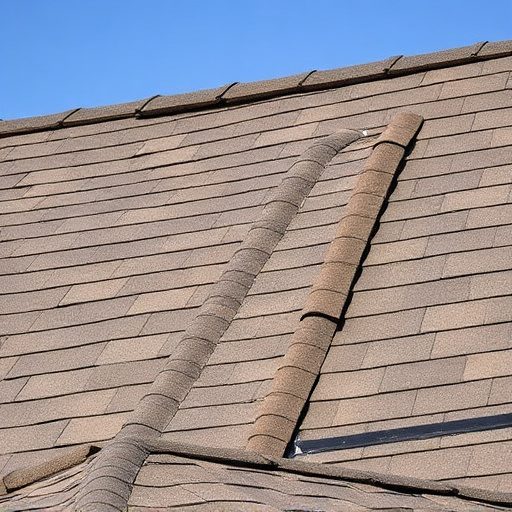
When considering a new roof or repairing an existing one, budgeting is a crucial step. For those in Oro Valley, understanding the factors influencing shingle roof costs is essential for making informed decisions. Whether it's a replacement or repair, several elements contribute to the overall price, and a local roofing company serving Oro Valley can guide homeowners through this process.
One of the primary factors is the type of shingle you choose. Architectural shingles, known for their complex design and superior durability, typically cost more than three-tab shingles. In the desert climate of Oro Valley, where UV exposure is intense, selecting shingles with a strong resistance to fading and cracking is vital. Many manufacturers offer premium shingles with enhanced UV protection, ensuring your roof remains aesthetically pleasing and structurally sound for years.
Another significant cost driver is the scope of the project. Replacing a few damaged or missing shingles is a less extensive repair compared to a full roof replacement. In Saddlebrooke or any neighborhood in Oro Valley, local roofing contractors often provide detailed estimates, breaking down the costs based on the size of the job. A minor repair might involve only the materials for a few shingles, while a full replacement includes labor, underlayment, and ventilation systems. Checking a shingle roof for signs of damage, such as curling, granule loss, or nail pops, is crucial. Early detection can prevent minor issues from turning into costly repairs.
Ice and water shield, a protective layer often applied during installation, matters in shielding shingles from moisture intrusion. This extra step can significantly extend the lifespan of your roof and may be particularly beneficial in areas prone to storms and hail. The Oro Valley Building Department provides guidelines and local regulations that roofing contractors follow, ensuring compliance and structural integrity. When budgeting, homeowners should consider the potential long-term savings of energy-efficient roofing options, which can be encouraged through tax incentives from the IRS.
Frequently Asked Questions About a Plain Language Look at Shingle Roof Costs and What Drives Them
What are the average costs for installing a new shingle roof in Oro Valley?
Shingle roof installations in Oro Valley typically range from $5,000 to $10,000, depending on several factors. This includes labor, materials, and the complexity of the job. For a standard residential home with a medium-sized roof, expect to pay around $7,500. These costs can fluctuate based on the type of shingles chosen, roof size, pitch, and the condition of the existing roof.
How do the types of shingles affect the price?
Shingles are the most significant expense in a roofing project. Asphalt shingles, the most common choice, are affordable and easy to install, ranging from $25 to $50 per square foot. Premium options like metal or tile shingles are significantly more expensive, costing $100 or more per square foot. The type of shingle chosen directly impacts the total project cost.
What factors influence the overall cost of a roofing project?
Several factors determine a roofing project's cost. The size and complexity of the roof, the number of layers of shingles, labor rates, the cost of materials, and any additional work like flashing repair or attic ventilation installation all contribute. Unexpected issues like damage from storms or structural problems can also drive up costs.
Can I get a more accurate estimate for my specific Oro Valley roof?
Absolutely. A licensed Oro Valley roofer should provide a detailed, itemized estimate after assessing your property. They'll consider your roof's unique characteristics and local building codes. This estimate should include a breakdown of labor, materials, and any additional charges, giving you a clear understanding of the project's cost.
What is the average lifespan of a shingle roof?
Shingle roofs typically last between 20 to 30 years with proper maintenance. Factors like climate, quality of installation, and regular inspection contribute to their longevity. Understanding the lifespan helps with budgeting for future repairs or replacements.
How often should I inspect my roof for damage?
Regular inspections are crucial. It's recommended to check your roof twice a year for any signs of damage, especially after severe weather events. A licensed roofer can perform a thorough inspection, ensuring potential issues are identified early, which can prevent more costly repairs down the line.
As we've explored the world of shingle roofs in Oro Valley, from assessing costs to recognizing issues, one clear takeaway emerges: a well-maintained roof is a valuable investment. By understanding the factors influencing shingle prices, learning natural methods for checking roof condition, and budgeting accordingly, homeowners can make informed decisions that protect their homes and wallets.
Regularly checking a shingle roof naturally, using tools like a magnifying glass and visual inspections, allows you to catch potential issues early. This proactive approach can save you the high costs of emergency repairs or premature replacements. Remember, factors like local labor rates, climate, and the complexity of the job significantly impact shingle roof costs.
In Oro Valley, with its unique desert climate, roofs may require additional considerations for heat resistance and ventilation. The local building codes and HOA design guidelines further influence the choices available to you. By staying informed about these factors and regularly assessing your roof, you're empowered to make the best choices for your home, ensuring a durable and cost-effective shingle roof for years to come.
Shingle Roof Costs in Oro Valley: A Practical guide
Understanding shingle roof costs in Oro Valley involves considering:
- Shingle Type: Architectural shingles (durable, expensive) vs. Three-tab shingles. Impact-resistant shingles recommended for extreme weather.
- Roof Complexity: Larger, intricate roofs require more labor and expertise, increasing costs.
- Local Factors: Desert climate accelerates shingle degradation; UV-resistant shingles advised. Local labor rates and building codes also impact costs.
- Inspection & Repairs: Regular checking for damage, underlayment issues, and ice/water shield integrity prevents costly repairs.
- Budgeting: Compare shingle types, consider project scope, and include long-term savings of energy-efficient options. Consult local roofing specialists for accurate estimates.