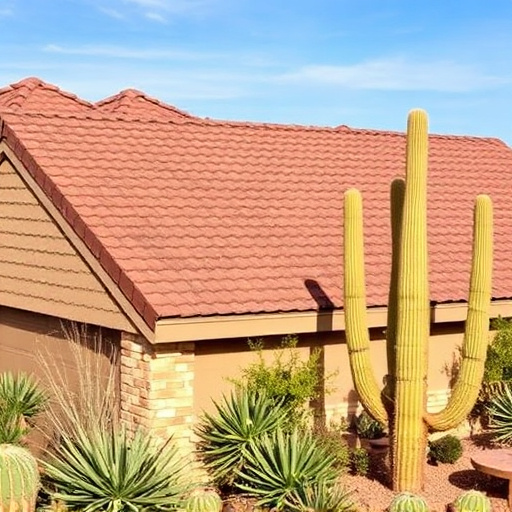
In Oro Valley, where desert sun beats down and monsoon winds sweep through, protecting your home's roof is paramount. Asphalt shingles, a common roofing choice, must withstand these harsh conditions. The problem? The desert climate can accelerate shingle wear and tear, leading to granule loss, curling, and cupping. Shingles can blow off in strong winds, and heat can cause blistering in the summer. Yet, many homeowners overlook these challenges, often repairing or replacing just a few shingles instead of considering a complete roof replacement, especially over old shingles. This article examines how shingles hold up under these extreme conditions, offering insights into the lifespan expectations, repair options, and best practices for Oro Valley residents. By the end, you'll understand the factors that affect your shingle roof's longevity and make informed decisions about its maintenance.
- Understanding Shingle Durability in Arid Environments
- The Impact of Desert Sunlight on Shingle Aging
- Shingles Over Old Shingles: A Layered Approach to Protection
- Monsoon Season: Testing Shingle Wind Resistance in Oro Valley
Understanding Shingle Durability in Arid Environments
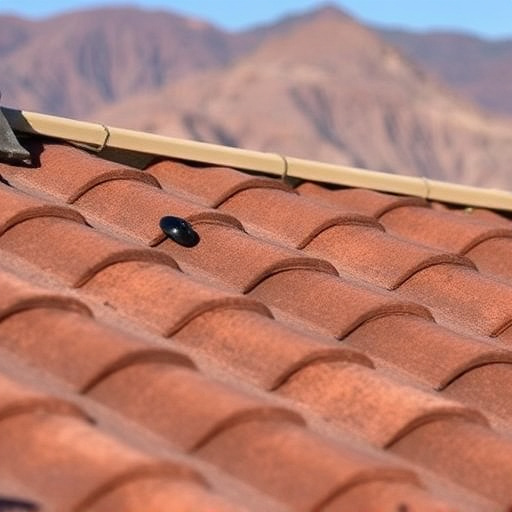
Understanding the longevity of shingles in arid environments like Oro Valley requires a nuanced approach. Shingles, whether architectural or three tab styles, face unique challenges from intense sun, heat, and monsoon winds. When considering shingles over old shingles, it's crucial to understand the current roofing material's condition.
One key factor is solar reflectance, which can impact a roof's temperature. Dark shingles absorb more heat, potentially leading to increased energy costs. Lighter-colored shingles reflect sunlight, helping to keep the house cooler. For Oro Valley homes, where desert heat is a significant factor, choosing shingles with high solar reflectance can be a smart investment. Architectural shingles, known for their intricate design and enhanced durability, often have superior solar reflectance compared to three tab styles.
A roofer with an Arizona ROC license recommends assessing the existing shingles before installation. If old shingles are in good condition, they can provide a solid base for new shingles. However, if the old shingles are curled, cupped, or showing significant granule loss, it's best to remove them. This prevents potential issues like poor drainage or ventilation due to an uneven surface. Consider the region's specific climate patterns and wind ratings when selecting shingles. Shingles designed to withstand high winds and intense UV exposure will perform better in Oro Valley's environment. Many modern architectural shingles are engineered to resist curling and cupping, ensuring a more aesthetically pleasing and structurally sound roof.
The Impact of Desert Sunlight on Shingle Aging
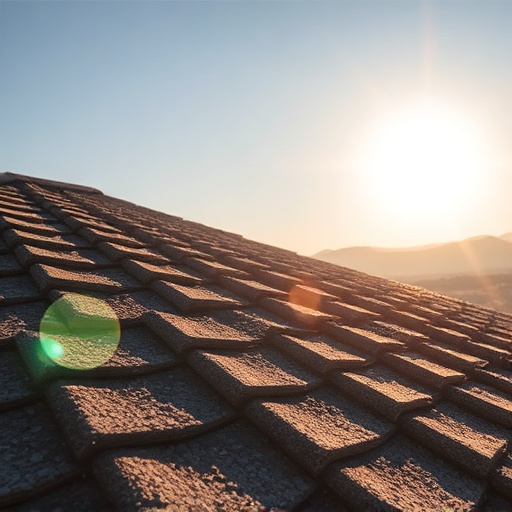
The intense desert sunlight in Oro Valley presents a unique challenge for roofing materials, particularly asphalt shingles. When exposed to consistent, direct sunlight, shingles can experience accelerated aging, leading to premature granule loss, discoloration, and even structural damage. This phenomenon is especially pronounced in areas with high UV exposure, like the rooftops of Oro Valley and Marana, where shingles can be battered by harsh conditions year-round.
One of the key factors affecting shingle lifespan is the presence of old shingles underneath. When replacing a roof, it's crucial to consider the condition of the existing underlayment. Using synthetic underlayment beneath new shingles can significantly enhance their resistance to UV damage and wind-driven debris. This is especially important in areas with a Class H wind rating, like parts of Oro Valley and Marana, where shingles must withstand sustained winds of at least 120 mph.
Over time, old shingles can curl, cup, or even blister under the stress of desert heat. These issues can create pockets of air and moisture, accelerating the breakdown of the shingles' adhesive and underlayment. A licensed Oro Valley area roofing contractor often encounters these problems during inspections, especially on homes with older, unprotected shingles. To mitigate these effects, homeowners should regularly inspect their roofs for any signs of damage or discoloration and address them promptly. Regular maintenance, including re-nailing loose shingles and replacing worn or damaged underlayment, can extend the life of both old and new shingles significantly.
Shingles Over Old Shingles: A Layered Approach to Protection
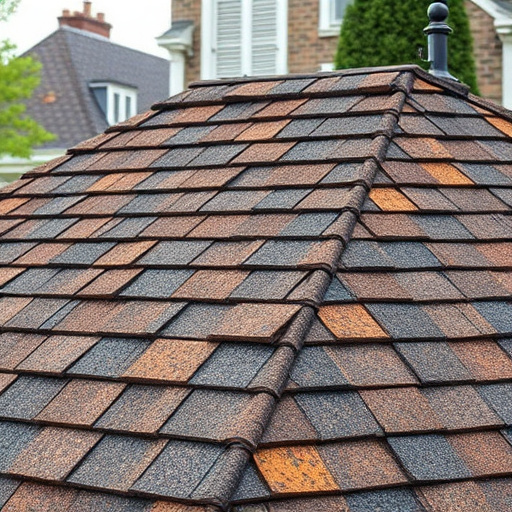
When considering shingles over old shingles in Oro Valley, a strategic approach to roofing protection becomes paramount. In the face of the area's extreme desert heat, high winds from monsoon storms, and the potential for damaging hail, a layered system offers the best defense. This is especially crucial in neighborhoods like Rancho Vistoso where wind speeds can exceed 40 mph during monsoon season, putting existing roofs at risk of significant damage.
A roofing contractor serving Oro Valley and Marana often recommends a three-tab shingle system as the top layer. These shingles are designed for superior wind resistance, with a Class H wind rating-the highest available. By installing a new three-tab layer over old shingles, homeowners gain a robust first line of defense against high winds. This is a smart, cost-effective solution that adds longevity to the roof, protecting it from the harsh conditions that can lead to granule loss, curling, or cupping of older shingles.
However, the job isn't always as simple as a new layer on top. A roofing contractor may assess the condition of the old shingles and recommend one of several strategies. In some cases, a proper underlayment, like a synthetic felt, can be installed over the old shingles to provide an extra barrier. Shingle ridge caps can also be added to improve ventilation and further protect against blistering in the summer heat. If the old shingles are severely damaged, the contractor might advise removing them entirely and starting fresh, ensuring a more durable and energy-efficient roof.
Remember, maintaining a roof in a challenging desert environment requires a thoughtful, layered approach. Homeowners should consult with a licensed Oro Valley roofer who understands these challenges and can recommend the best course of action, whether it's a new top layer, underlayment installation, or a complete roof replacement.
Monsoon Season: Testing Shingle Wind Resistance in Oro Valley
Monsoon season in Oro Valley brings high winds and intense heat, testing the durability of any roofing material. Shingles, in particular, must withstand these harsh conditions to protect homes and buildings. This section examines the resilience of shingles, focusing on how they hold up during the region's unique monsoon season.
When considering the impact of monsoon winds, architectural shingles often prove superior. These advanced shingles are designed to resist high winds and offer better grip than traditional three-tab shingles. They are made with stronger underlayments and a more intricate structure, increasing their overall wind resistance. In Oro Valley, where winds can exceed 50 mph during monsoon storms, architectural shingles are a preferred choice for many homeowners. They are less likely to blow off, even when old shingles are beneath them-a common problem with less robust roofing systems.
Shingles' longevity is also influenced by their solar reflectance, which plays a crucial role in desert heat. Light-colored shingles reflect sunlight, reducing heat absorption and lowering roof temperatures. This effect can extend the life of the shingles and the building they protect. In Oro Valley, where temperatures often exceed 100F in the summer, choosing light-colored shingles can be a strategic decision to conserve energy and reduce cooling costs.
When assessing the condition of an existing shingle roof, it's essential to consider the age of the shingles beneath. Using shingles over old shingles can be a cost-effective solution, but it requires careful inspection. Homeowners should look for signs of granule loss, curling, or cupping, which can indicate weakened shingles. A licensed Oro Valley area roofing contractor can perform a thorough check and provide recommendations. Regular maintenance, including repairing or replacing damaged shingles, is crucial to ensuring the roof remains secure during intense monsoon winds.
Frequently Asked Questions About an Explainer on How Shingles Hold Up to Desert Sun, Heat and Monsoon Wind
What are the unique challenges of maintaining a roof in a desert climate?
In desert regions like Oro Valley, intense sunlight, high heat, and rapid temperature changes create demanding conditions for roofing materials. Shingles, in particular, must withstand constant exposure to UV radiation, which can degrade their structure and color over time. Sudden shifts in temperature can cause shingles to expand and contract, leading to potential cracks or splits.
How do shingles protect a roof from the harsh desert conditions?
Shingles are designed with several features to enhance their performance in desert environments. First, they often feature a reflective surface that bounces sunlight away, helping to reduce heat absorption and mitigating the risk of excessive heat build-up beneath the roof. Many modern shingles are made with robust, durable materials that can handle extreme temperatures. These materials, combined with a well-designed underlayment and proper installation, create a robust barrier against the desert sun and wind.
Are there specific types of shingles better suited for desert climates?
Absolutely. In the Oro Valley area, DC Roofing of Arizona, a local roofing contractor, recommends high-quality, desert-rated shingles. These shingles are specifically designed to resist heat, UV radiation, and extreme weather conditions. Lightweight shingles, for instance, are less prone to warping in hot climates, while asphalt shingles with a thicker, more durable surface can offer superior protection against wind and weather.
How do monsoon winds impact shingles?
Monsoon winds in Oro Valley can be powerful, bringing with them debris and potentially causing damage. Strong winds can lift lighter shingles, while consistent wind patterns can erode the adhesive between shingles over time. Regular maintenance, including cleaning gutters and inspecting the roof for loose or missing shingles, is crucial to mitigating these risks.
How often should I replace my shingles if I live in a desert area?
The lifespan of shingles varies based on several factors, including the quality of the material and installation. However, in desert climates, professionals like DC Roofing of Arizona suggest replacing shingles every 15 to 20 years. Regular inspections and proper maintenance can extend this lifespan, ensuring your roof remains in top condition despite the challenging weather patterns.
Can I install shingles myself, or should I hire a professional?
While some homeowners may be capable of installing shingles themselves, professional installation is highly recommended, especially in desert regions. Local roofing specialists like DC Roofing of Arizona have the expertise and experience to ensure a proper, secure installation, accounting for the unique challenges posed by the desert climate. This expertise can be invaluable in preventing future issues and ensuring your roof's longevity.
In Oro Valley's unique desert climate, shingles must withstand intense sunlight, extreme heat, and the forces of monsoon winds. This article has explored several key aspects of shingle durability under these conditions. We've learned that shingles over old shingles can provide an effective layered protection strategy, prolonging the life of your roof. The impact of desert sunlight on shingles is profound, accelerating aging, granule loss, and curling. Shingle brands rated for desert environments, like GAF and Atlas, offer superior performance.
During monsoon season, wind resistance becomes critical. Local roofing contractors have long understood the need for proper ventilation and underlayment choices to minimize shingle blow-off. Shingles over old shingles can also enhance wind resistance by creating a more robust, multi-layered barrier.
Understanding how shingles interact with the desert environment is essential for any homeowner in Oro Valley. By selecting the right products, employing proper installation techniques, and adopting a proactive maintenance approach, particularly with shingles over old shingles, homeowners can ensure their roofs remain durable and protected for years to come.
In the arid climate of Oro Valley, shingles face unique challenges from intense sun, heat, and monsoon winds. Choosing the right shingles, considering old underlayment, and regular maintenance are key. Architectural shingles, with superior solar reflectance and wind resistance, outperform three-tab styles. Shingles over old shingles can be cost-effective, but inspection is crucial to prevent issues. Light-colored, reflective shingles conserve energy during hot summers. A licensed roofer ensures optimal roof protection in challenging conditions.