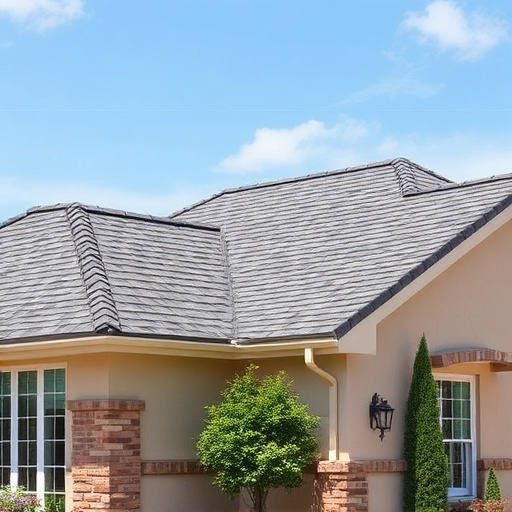
Homeowners in Oro Valley face a unique challenge: protecting their roofs from the intense desert heat, strong winds, and occasional storms. Asphalt shingles, a popular choice for their affordability and versatility, are particularly susceptible to wear and tear in these conditions. Regular inspection is crucial to catch damage early, preventing costly leaks and repairs. This checklist equips homeowners with the knowledge to identify common signs of shingle wear, such as granule loss, curling, and cupping, before they turn into serious issues. We also explore the benefits of considering cool roof shingles, designed to reflect heat and reduce energy costs, as a long-term, sustainable solution.
- Inspect Regularly: Catch Wear Early
- Assess Shingle Condition: Look for Damage
- Identify Leak Risks: Understand Weathering
- Consider Cool Roof Shingles: Protect Long-Term
Inspect Regularly: Catch Wear Early

Regular inspections are crucial for identifying potential issues with your Oro Valley roof before they lead to leaks. Since your roof is your home's first line of defense against the elements, staying proactive is key to maintaining its integrity. Pay special attention to your asphalt shingles, as they are particularly susceptible to wear and tear in the local climate. The desert heat and occasional storms can accelerate shingle deterioration, making regular checks essential.
Focus on inspecting your roof at least twice a year, ideally after the spring and fall seasons when weather patterns can be more extreme. During these visits, look for any signs of wear and tear, such as curled or cupped shingles, which are common indicators of damage. Shingles that have lost their granule coverage (small, granular material that protects the shingle's surface) are another red flag. These granules can be blown off in strong winds, leaving the shingle exposed and more prone to damage. Keep an eye out for missing or damaged shingles, especially in areas exposed to direct sunlight or wind. Shingles on the south or west sides of your home may require more frequent attention.
To visual inspections, consider the overall condition of your roof's underlayment and ridge caps. A Class 4 impact rating, for example, indicates superior performance against hail and other debris, which can help extend the life of your shingles. Keep in mind that a licensed Arizona roofer can provide expert advice on the best course of action, whether it's repairing minor damage or replacing sections of your roof. Some homeowners associations in Oro Valley and Marana even require an architectural review for significant roofing changes, so consult your HOA guidelines to ensure compliance.
Assess Shingle Condition: Look for Damage
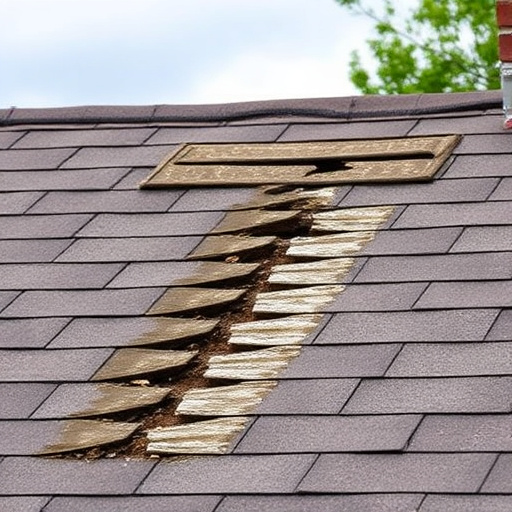
Regularly inspecting your roof is crucial to prevent leaks and costly damage. One of the most important aspects of this inspection is assessing the condition of your asphalt shingles, as they are the first line of defense against the elements. In the desert climate of Oro Valley, where intense sunlight and high winds are common, your shingles are exposed to unique challenges. Look for signs of wear and tear, as these can indicate potential problems before they lead to leaks.
Start by checking for any missing or damaged shingles. This might include curled or cupped shingles, which often result from high winds or heat exposure. Look for granule loss, a common issue where the protective granules on the shingle surface fall off, exposing the asphalt beneath and making the shingle more susceptible to damage. The Oro Valley Building Department recommends regular inspections to identify these issues early. A Class 4 impact rating, signifying superior resistance to hail and wind, is a valuable feature for shingles in areas prone to storms, like Oro Valley.
Examine the starter strip and edge details, ensuring they are securely fastened. These components are vital for sealing the roof's edges and preventing water intrusion. Check for any signs of blistering, a reaction to extreme heat that can cause the shingle to lift, or for algae and stains, which can indicate moisture problems. A licensed Arizona roofer often emphasizes the importance of these visual checks, as they can save homeowners from costly repairs. Shingles also require proper ventilation, so ensure the roof is adequately vented to manage heat buildup, which can contribute to early shingle degradation, especially with cool roof shingles gaining popularity for their solar reflectance.
Identify Leak Risks: Understand Weathering

As homeowners in Oro Valley, Arizona, we face unique challenges for our roofs. The desert climate, with its extreme temperatures and frequent wind, puts a strain on our roofing materials. One of the most common and effective solutions for enduring the harsh local conditions is the installation of cool roof shingles. These shingles are designed to reflect sunlight and absorb less heat, helping to lower energy costs and extend the life of your roof.
One way to ensure the longevity of your cool roof shingles-and avoid costly leaks-is to be proactive about identifying signs of weathering. Architectural shingles, known for their durability and enhanced aesthetic appeal, are a popular choice among homeowners in our area. However, even high-quality shingles like ENERGY STAR-rated options can show wear and tear over time. Look for granular loss, where the protective granules on the surface of the shingles start to fall off, exposing the underlying asphalt. This is a common indicator of aging shingles and can lead to increased UV damage and reduced effectiveness as a barrier against the elements.
Another visual cue is curling or cupping of the shingles. Shingles that start to bend at the edges or in the middle can be a sign of structural damage caused by high winds, which Oro Valley experiences frequently. Shingles with a Class H wind rating are designed to withstand these powerful gusts, so ensure your roof is equipped with the right protection. Check for nail pops, which can occur when nails become loose over time, creating small gaps that allow water to penetrate. These issues, if left unchecked, can lead to serious structural damage and, eventually, leaks. Regular inspections by a local roofing company serving Oro Valley can help catch these problems early, allowing for cost-effective repairs before they become major crises.
Consider implementing a homeowner checklist that includes regular visual inspections of your roof. By staying vigilant and addressing any concerns promptly, you can protect your home from water damage and extend the lifespan of your cool roof shingles. This proactive approach not only saves you money but also contributes to the overall energy efficiency of your residence, aligning with the goals of local organizations like the Southern Arizona Homeowners Association (SAHOA).
Consider Cool Roof Shingles: Protect Long-Term
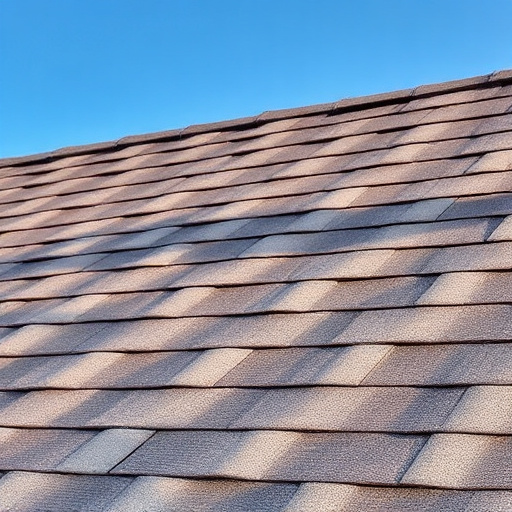
Cool roof shingles, designed to reflect heat rather than absorb it, can be a valuable asset for homeowners in the Oro Valley area. As the region's climate continues to grow warmer, choosing energy-efficient roofing options becomes increasingly important. These shingles not only help reduce cooling costs but can also extend the life of your roof.
When evaluating your roof's condition, pay close attention to any signs of wear or damage that could affect its performance. Look for missing or curled shingles, which may indicate a problem with wind resistance. Oro Valley's strong winds, especially during the summer months, can be a significant factor in shingle damage. Shingles with a Class H wind rating, such as those offered by manufacturers like GAF and Atlas, are designed to withstand winds of 130-150 mph, providing superior protection against potential blow-offs. The local building codes and regulations in Oro Valley often mandate such wind-resistant shingles for new installations or reroofs.
A key component to consider is the drip edge, a crucial detail often overlooked. This is a small overhang at the roof's edge that directs rainwater away from the fascia and into the gutter system. Over time, lack of proper drainage can lead to leaks and damage. Ensuring that your drip edge is in good condition and properly installed can prevent these issues. A roofer with an Arizona ROC license can assist in inspecting and repairing these details, ensuring your roof remains in top condition.
To wind resistance, consider the overall health of your roof in relation to its age. While cool roof shingles can last up to 50 years or more, older roofs may require more frequent attention. Regular inspections by a local roofing contractor can help you stay ahead of potential problems. In the Saddlebrooke community, homeowners have found that a proactive approach to maintenance extends the lifespan of their roofs and saves them from costly repairs.
Frequently Asked Questions About a Homeowner Checklist for Spotting Shingle Wear Before it Leaks
What are the most common signs of shingle wear?
Shingle wear can manifest in several ways. Look for curled, cracked, or missing shingles. Check for blisters or buckling, which can indicate moisture buildup. Also, keep an eye out for uneven or loose shingles, as these are signs of aging or damage. DC Roofing of Arizona, a licensed Oro Valley area roofing contractor, often advises homeowners to inspect their roofs after severe weather events and during regular maintenance checks.
How often should I check my shingles for wear?
It's recommended to perform a thorough roof inspection at least once a year, ideally in the spring. This allows you to address any issues before the next rainy season. Shingle wear can accelerate with age and environmental factors, so regular checks are crucial.
What causes shingles to wear out?
Shingle wear is primarily caused by environmental factors such as UV radiation from the sun, extreme temperatures, strong winds, and heavy rain or snow. These factors contribute to the degradation of the shingles' material, making them more susceptible to damage and eventual failure.
Can I repair individual shingles or do I need to replace the whole roof?
A licensed roofer with an Arizona ROC license can assess the situation and provide tailored advice.
What should I do if I notice water stains on my ceiling?
Water stains on the ceiling are a clear sign of a leak, which could be caused by worn-out or damaged shingles. Contact a local roofing company serving Oro Valley and Marana as soon as possible. They can inspect your roof, pinpoint the source of the leak, and provide a solution to prevent further damage.
How can I prevent shingles from wearing out too quickly?
To prolong the lifespan of your shingles, ensure proper installation and maintain them regularly. This includes clearing gutters of debris to prevent water damage and keeping the roof surface clean and free of debris. A well-maintained roof can outlast a faulty one by several years.
Regular inspections and proactive maintenance are key to protecting your Oro Valley roof from leaks and costly repairs. By assessing shingle condition, understanding weathering risks, and considering the benefits of cool roof shingles, you can extend the lifespan of your roof and ensure its integrity.
Keep an eye out for signs of wear, such as curled or cupped shingles, granule loss, and nail pops. These issues, if left unaddressed, can lead to more severe damage and eventual leaks. Regular checks can help catch problems early, making repairs more manageable and cost-effective.
When evaluating your roof, consider the local climate and weather patterns. The intense desert heat in Oro Valley can accelerate shingle aging, making it crucial to understand the expected lifespan of your roofing material. Cool roof shingles, designed to reflect heat, can be a valuable investment, especially in this region, as they may reduce energy costs and prolong the roof's life.
A proactive approach to shingle maintenance is essential for any Oro Valley homeowner. By following these guidelines and staying vigilant, you can protect your home's most vital asset-its roof-from the elements and ensure a safe, dry environment for years to come.
Summary:
Regular, proactive roof inspections are vital for Oro Valley homeowners to prevent leaks and protect investments. Pay close attention to asphalt shingles, as they're susceptible to wear in the local desert climate. Look for curled, cupped, or missing shingles, granule loss, and signs of blistering or algae growth. Cool roof shingles, designed to reflect heat, are recommended for energy efficiency and longer roof life. Install wind-resistant shingles (Class H rating) to protect against strong Oro Valley winds. Maintain proper drip edge drainage to prevent leaks. Regular inspections by a licensed roofer can save money and extend your roof's lifespan.