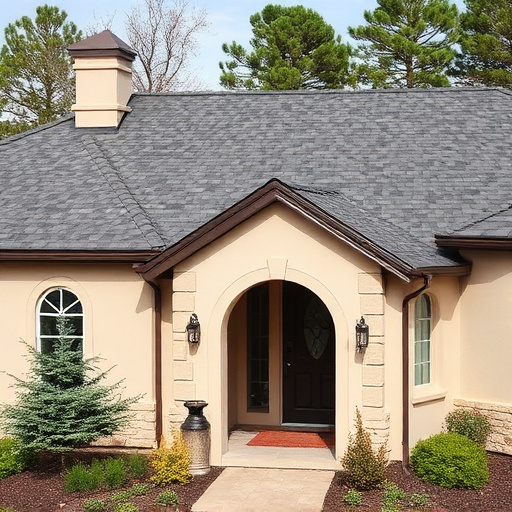
As a licensed Oro Valley area roofing contractor, we've noticed a common concern among local homeowners: the longevity and performance of their asphalt shingle roofs in the desert climate. Oro Valley, with its hot summers and occasional storms, presents unique challenges for roofing materials, especially for preventing issues like shingle granule loss. This practical guide aims to equip property owners with the knowledge to understand shingle roofs. We'll explore everything from understanding different shingle styles, recognizing signs of wear and tear, to knowing when it's time for a replacement, all while considering the unique factors of the Oro Valley environment. By the end, you'll be equipped to make informed decisions about your home's roof, ensuring its durability and aesthetic appeal.
- Understanding Asphalt Shingle Structure and Performance
- Evaluating Shingle Granule Loss: Causes and Normality
- Installation Best Practices: Preventing Shingle Granule Loss
- Maintenance and Repair: Addressing Shingle Granule Loss in Oro Valley Homes
Understanding Asphalt Shingle Structure and Performance
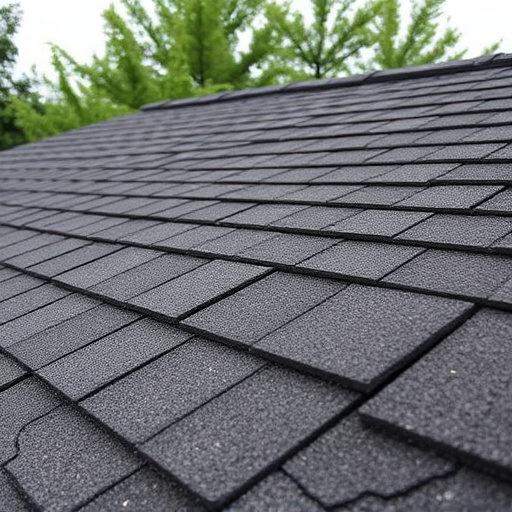
Asphalt shingle roofs are a common sight in Oro Valley, from the rolling hills of Catalina Foothills to the established communities of Saddlebrooke and Rancho Vistoso. Understanding the structure and performance of these shingles is crucial for any homeowner. Shingles are composed of several key components designed to protect your home from the harsh desert climate.
The outer layer, called the granule surface, is made up of tiny, abrasive stones embedded in an asphalt matrix. These granules provide not only a visually appealing texture but also serve a vital purpose. They help to shield the shingle from UV rays, which can cause premature aging and cracking. However, one of the most common issues with asphalt shingles in Oro Valley is shingle granule loss. This occurs when the granules wear away over time, exposing the underlying asphalt and making the shingle more susceptible to damage from weather and debris. Proper maintenance, such as regular cleaning and inspection, can mitigate this issue.
Beneath the granule surface lies the mat, a thick layer of asphalt that provides the structural integrity of the shingle. This mat is reinforced with a woven fabric, known as the underlayment, which adds strength and prevents water from seeping through. In Oro Valley, where wind speeds can reach significant levels, it's crucial to choose wind-rated shingles. These shingles are designed to withstand higher wind loads, reducing the risk of blow-off during intense desert storms. A local roofing company serving Oro Valley often recommends impact-resistant shingles for areas prone to hail, as these shingles can withstand the impact of large hailstones, protecting your home from costly repairs.
The structure of an asphalt shingle roof also includes the roof's ventilation system. Proper ventilation helps regulate roof temperature and reduces the risk of blistering in the summer heat. It's essential to ensure that vents are not blocked by debris or damaged shingles, as this can lead to issues like mold growth and reduced shingle lifespan. Following the guidelines set by the Oro Valley Building Department and considering the unique climate of the region is key to ensuring a durable and efficient shingle roof.
Evaluating Shingle Granule Loss: Causes and Normality
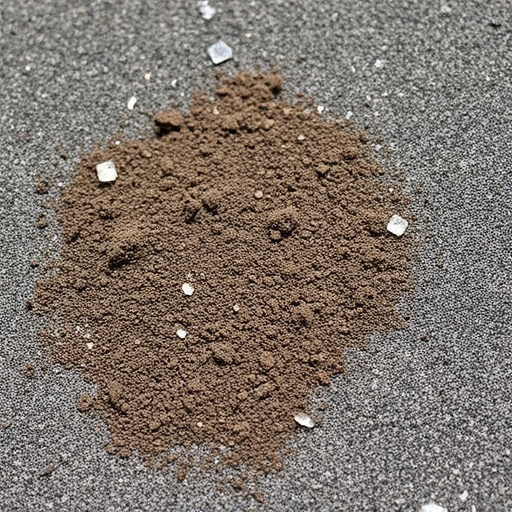
Evaluating Shingle Granule Loss: A Closer Look at Normal Wear and Tear
Shingle granule loss is a common concern for homeowners in Oro Valley's hot, arid climate, including those in the Rancho Vistoso area. Understanding the causes and what constitutes normal shingle wear is crucial before deciding on repairs or replacement. The rate of granule loss can vary significantly depending on factors like shingle age, exposure to UV radiation, and local wind patterns.
When examining a roof, an experienced Oro Valley roof specialist will look for signs of gradual granule disintegration, which is typical over time. Older shingles naturally lose more granules than newer ones. In desert environments, UV light can accelerate this process, leading to the discoloration and eventual loss of granules. Wind-driven debris and dust can also contribute to granule shedding. While some granule loss is expected, excessive or rapid deterioration could indicate underlying issues, such as poor installation, underlying damage, or the need for additional protective measures.
To mitigate granule loss, many roofing contractors in the area recommend using synthetic underlayments beneath the shingles. These underlayments provide an extra layer of protection against moisture and UV damage, helping to extend the life of the shingles. Ensuring proper installation, including secure fastening with adequate nail coverage and the use of starter strips, can significantly reduce granule loss. Regular inspection and maintenance, especially in regions with extreme weather patterns, are key to identifying potential problems early on.
Installation Best Practices: Preventing Shingle Granule Loss
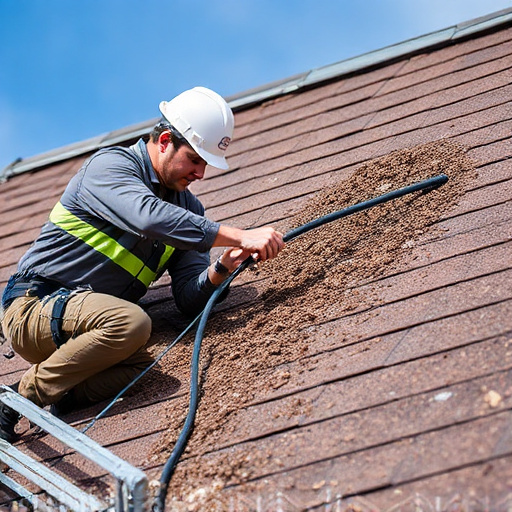
To effectively prevent shingle granule loss on asphalt roofs in Oro Valley-a region known for its intense UV exposure and frequent high winds, like those in nearby Rancho Vistoso-follow these expert-backed installation best practices. Shingle granule loss is a significant concern, as these tiny protective granules protect against water penetration and UV damage. A roofer with an Arizona ROC license will advise you that proper installation is key to mitigating this issue.
First, ensure a clean, level, and dry deck before installing any shingles. This includes removing debris, old shingles, and any debris from previous installations. A solid base is crucial, especially in Oro Valley's windy conditions, where a Class H wind rating demands robust fastening. Use appropriate underlayment to add an extra layer of protection, helping to lock in the granules and prevent them from blowing away.
Next, focus on proper nailing or stapling techniques. The contractor should use the recommended number of nails or staples per square foot, exceeding the minimum requirements to ensure the shingles remain securely fastened. Use a specialized strip, like a starter strip, at the base of each shingle to seal the edge and keep granules from shedding. This is particularly important for preventing granule loss in areas with high UV exposure, as the heat can cause the granules to loosen and fall off. Regular inspection and maintenance are also recommended to identify and address any loose or missing granules promptly.
Finally, consider the type of shingles used. Some shingles are designed to resist granule loss better than others, so consult with a local roofing contractor familiar with Oro Valley's specific needs. Shingles with a higher asphalt content or those treated with UV-resistant additives may offer better protection against granule loss due to intense sunlight.
Maintenance and Repair: Addressing Shingle Granule Loss in Oro Valley Homes
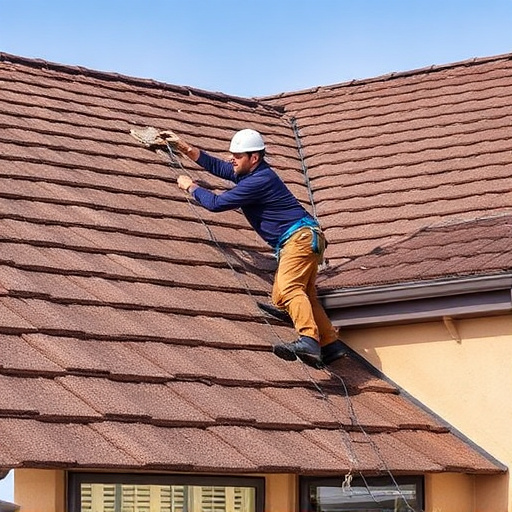
Shingle granule loss is a common issue in the harsh desert climate of Oro Valley, posing a significant challenge for homeowners. This problem occurs when the protective granules on asphalt shingles start to dislodge and wash away, exposing the underlying mat and compromising the roof's durability. The impact of this loss is twofold: it not only reduces the roof's lifespan but also increases the risk of water penetration, leading to potential structural damage and costly repairs.
To address this issue, an effective strategy is to incorporate synthetic underlayment beneath the shingles. This additional layer acts as a secondary barrier, providing enhanced protection against granule loss. By adding this step during installation or repair, homeowners in the Catalina Foothills can expect an extra layer of defense against the harsh conditions. Choosing ENERGY STAR-rated shingles, known for their superior quality and performance, can further mitigate granule loss. These shingles are designed to withstand the region's heat and environmental factors, ensuring a longer lifespan for Oro Valley roofs.
Regular maintenance plays a crucial role in preventing and managing shingle granule loss. Homeowners should perform routine inspections to identify any loose or missing granules. Simple preventative measures, such as cleaning the roof of debris and ensuring proper ventilation, can significantly slow down the loss process. An experienced Oro Valley roof specialist recommends periodic assessments, especially after severe storms, to catch potential issues early. By taking proactive steps, homeowners can extend the life of their roofs and avoid costly repairs, ensuring their homes remain protected against the elements.
Frequently Asked Questions About a Practical Guide to Asphalt Shingle Roofs on Oro Valley Homes
What are the advantages of asphalt shingles for my Oro Valley home? Asphalt shingles offer a cost-effective, versatile, and durable roofing solution for Oro Valley homes. They are easy to install and maintain, making them a popular choice for homeowners. Their versatility allows them to be used on a variety of roof styles, and their dark color can enhance energy efficiency by absorbing heat. They come in various colors and textures, enabling you to match your home's exterior aesthetic.
How long do asphalt shingles typically last on an Oro Valley roof? Under optimal conditions, high-quality asphalt shingles can last between 20 to 30 years. Regular maintenance, such as cleaning gutters and checking for damage, can extend their lifespan. However, exposure to extreme weather conditions, like heavy winds, hail, or heat, can reduce their lifespan. It's recommended to inspect your roof regularly to ensure it remains in good condition.
What factors should I consider when choosing asphalt shingles for my Oro Valley roof? When selecting asphalt shingles, consider your roof's style, your home's architectural design, and your personal aesthetic preferences. Take into account your climate and environmental conditions. Some shingles are designed to withstand extreme weather, while others are better suited for milder regions. Also, factor in your budget and the cost of installation, as well as the warranty offered by the manufacturer.
How do I know if my Oro Valley roof needs a replacement with asphalt shingles? If your roof is more than 20 years old, or if you've had numerous repairs, it might be time for a replacement. Also, look out for signs of damage, like missing or curled shingles, leaks, or mold growth. An inspection by a licensed Oro Valley roofer can provide a comprehensive assessment of your roof's condition and help you make an informed decision about replacement.
What is the process for installing asphalt shingles on an Oro Valley home? A licensed roofing contractor in Oro Valley will first remove the existing roofing material, inspect the roof deck, and install underlayment. They'll then measure and cut the asphalt shingles to size, starting from the bottom edge of the roof and working their way up. The contractor will secure the shingles with nails or staples, ensuring proper sealing at the edges and corners. Finally, they'll install roof vents to promote proper air circulation and complete the job with a final inspection.
As a resident of Oro Valley, understanding the unique challenges that our desert climate presents for roofing systems is essential. This article has provided a practical guide to asphalt shingle roofs, focusing on a critical issue: shingle granule loss. By examining the causes and normality of granule loss, we've learned that while some shedding is expected, excessive loss can indicate problems. Through best installation practices and regular maintenance, homeowners can significantly reduce granule loss. Key takeaways include the importance of proper nailing, adequate underlayment, and minimizing exposure to harsh elements.
Moving forward, Oro Valley homeowners should prioritize regular inspections, addressing any issues promptly to prevent extensive damage. Considering the environmental factors at play, a proactive approach to maintenance can extend the lifespan of your shingle roof and protect your investment. This guide equips you with the knowledge to make informed decisions, ensuring your roof remains a reliable shield against the elements.
Asphalt Shingle Roofs in Oro Valley: Understanding and Mitigating Shingle Granule Loss
Oro Valley homes, from Saddlebrooke to Rancho Vistoso, often feature asphalt shingle roofs. These roofs consist of several components, with the granule surface providing protection from UV rays and weather. However, a common issue is shingle granule loss, caused by wear and tear, UV exposure, and wind. Regular cleaning and inspection are crucial.
Beneath the granule surface is the mat, reinforced by an underlayment, which adds strength and prevents water intrusion. Wind-rated and impact-resistant shingles are recommended for Oro Valley's harsh conditions. Proper ventilation, free from debris, is vital for roof health.
To prevent granule loss, use synthetic underlayments and ensure secure fastening during installation. Regular maintenance, including inspections after storms, can catch and address issues early. ENERGY STAR-rated shingles offer superior performance in the desert climate. By following these guidelines, Oro Valley homeowners can extend their roof's lifespan and protect their homes effectively.