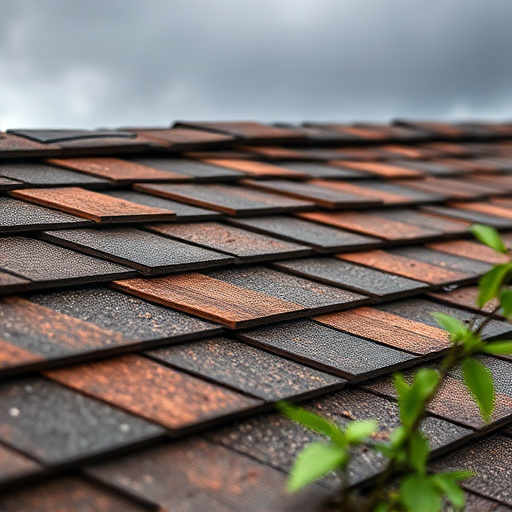
In Oro Valley, the roof is a home's first line of defense against the harsh desert climate, sun, and occasional storms. Asphalt shingles, a popular and cost-effective roofing solution, must withstand these challenges. Yet, many homeowners overlook the intricacies of shingle selection, installation, and maintenance, leading to issues like curling, granule loss, and inadequate ventilation. This practical guide examines the world of asphalt shingle roofs, offering insights on choosing the right type, understanding local building codes and regulations, and recognizing signs that call for repair or replacement. We'll also explore starter strip and edge details, crucial for a secure and durable roof, ensuring Oro Valley homeowners make informed decisions to protect their investment.
- Planning Your Oro Valley Asphalt Shingle Roof
- Selecting the Right Shingles and Underlayment
- Installation: From Prep to Starter Strip
- Edge Details and Final Inspection for Quality
Planning Your Oro Valley Asphalt Shingle Roof
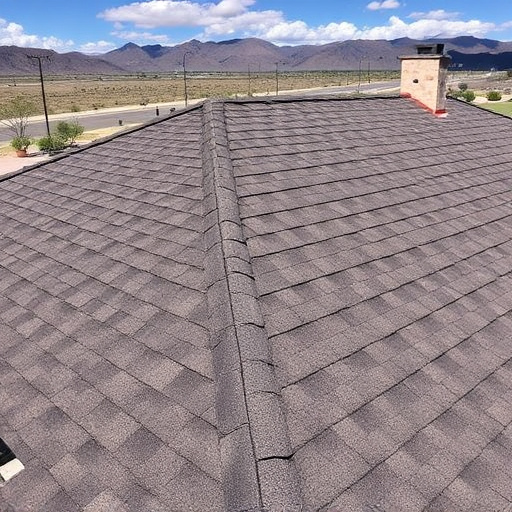
Planning your Oro Valley asphalt shingle roof involves considering numerous factors, from local climate to building codes, and from energy efficiency to aesthetic preferences. A well-planned roof not only enhances the curb appeal of your home but also plays a crucial role in its structural integrity and energy conservation.
When selecting a shingle style, remember that architectural shingles offer a more sophisticated look compared to three-tab shingles. The latter is simpler and more traditional, while architectural shingles mimic the appearance of tile, providing a diverse visual appeal. Consider your home's architecture and your personal style when making this choice. A modern or colonial-style home may complement architectural shingles more effectively than a three-tab style.
Oro Valley's desert climate demands durable, long-lasting shingles. ENERGY STAR-rated shingles are a smart choice for energy efficiency and heat resistance. The local building codes, enforced by the Oro Valley Building Department, dictate minimum requirements for roofing materials, including wind ratings and impact resistance. A roofing contractor serving Oro Valley and Marana can guide you through these regulations, ensuring your roof meets or exceeds local standards.
One critical aspect of roof planning is the use of starter strips and edge details. These components seal the roof's edges, enhancing wind resistance and preventing water intrusion. They also provide a clean, finished look. Synthetic underlayment, a popular alternative to traditional paper underlayment, offers superior protection against moisture and provides an extra layer of insulation. This is particularly important in Oro Valley's climate, where extreme temperatures can cause traditional underlayment to degrade faster.
Selecting the Right Shingles and Underlayment
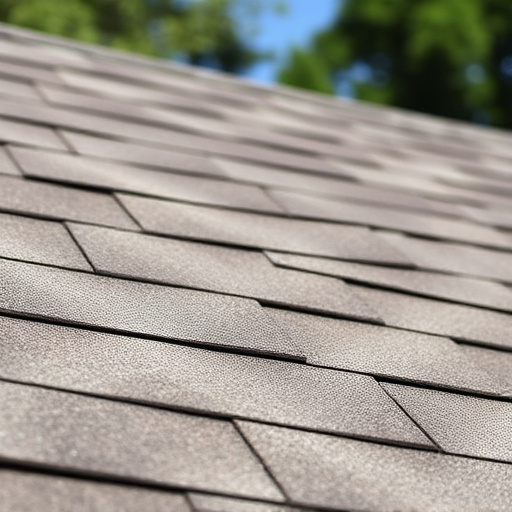
Selecting the right shingles and underlayment is a crucial step in ensuring your Oro Valley home's roof provides long-lasting protection against the harsh desert environment. When choosing asphalt shingles, consider factors like UV exposure, which can degrade shingles over time, leading to granule loss and a shortened lifespan. Top-tier manufacturers, like GAF and Atlas, offer shingles designed to withstand prolonged sun exposure, featuring UV-resistant fiberglass mats.
DC Roofing of Arizona recommends evaluating your roof's specific needs based on your home's age, design, and local climate. In Oro Valley, where wind and hail are common, select wind-rated shingles to prevent blow-offs. The underlayment plays a vital role, too. Choose a high-quality underlayment that offers superior protection against moisture, a common cause of roof leaks. Consider the added benefits of impact-resistant shingles, especially in areas prone to hail, to minimize damage and repair costs.
When installing or replacing shingles, pay close attention to starter strips and edge details. These components ensure proper sealing and drainage, preventing water intrusion and contributing to the roof's overall durability. Ensure a suitable ventilation system is in place to regulate roof temperatures, which can help prevent blistering during the summer months. The Oro Valley Building Department offers guidelines and regulations to follow, ensuring compliance with local building codes.
Remember, a well-chosen shingle and underlayment system, coupled with expert installation, can extend the life of your roof, enhancing your home's value. Regular inspections and prompt repairs for any damaged or curling shingles can also contribute to this longevity.
Installation: From Prep to Starter Strip
The installation process for an asphalt shingle roof in Oro Valley begins with meticulous preparation and attention to detail, especially at the edges and perimeters. A roofer with an Arizona ROC license will ensure the job is done right from the start. This involves securing starter strips and edge details, which serve as the foundation for the entire roof system.
Starter strips are a crucial component, especially in areas like Oro Valley and neighboring Marana, where roofs often face intense desert conditions and potential high winds. These strips are made of sturdy, weather-resistant materials and are installed along the bottom edge of the roof deck. They provide a smooth, even surface to begin the shingle installation process and help prevent granule loss, a common issue in hot, dry climates. By securing starter strips, the roofer ensures that the first row of shingles is perfectly aligned and protected from the elements.
Edge details, another vital aspect, involve creating a smooth transition at the roof's perimeters, where shingles meet walls or other structures. Proper edge detailing can prevent curling, cupping, and blistering that may occur in the extreme heat of the local climate. A skilled contractor will use techniques and materials approved for Class 4 impact ratings, ensuring the roof is durable and resilient against potential hail events. Many local roofing contractors in Oro Valley and Marana recommend specific underlayments and shingles with superior granule adhesion to withstand the challenges posed by the region's weather patterns.
Edge Details and Final Inspection for Quality

The final step in any roofing project is ensuring the edge details and overall quality of the shingle installation. In Oro Valley, where the climate presents unique challenges, these details become even more critical. The edge of a roof is a vulnerable area, and proper installation can prevent issues like curling, cupping, or granule loss, especially in the harsh desert heat.
One crucial component is the starter strip and edge details. These are designed to seal the edges, preventing water intrusion and providing a strong foundation for the shingles. A local roofing company serving Oro Valley will often use a fiberglas mat as a starter strip, which offers superior strength and durability. The mat is secured to the roof deck, providing a smooth base for the first course of shingles. This simple step can significantly impact the overall longevity of the roof, especially in the Catalina Foothills' extreme conditions.
During the final inspection, homeowners should look for these critical elements. Ensure the shingles are properly aligned and fastened with the correct nails or screws. Check for uniform spacing and a smooth, even finish. The presence of algae or stains might indicate poor ventilation, which can lead to further issues. Homeowners in Oro Valley should also consider the HOA architectural review process, as many regulations require specific shingle colors and styles, especially in historic districts. The Southern Arizona Homeowners Association (SAHOA) provides guidelines to preserve the aesthetic integrity of neighborhoods.
Before finalizing the project, a thorough inspection by a professional is key. A licensed Oro Valley roofer can assess the overall quality, point out potential problem areas, and offer solutions. This last look ensures the roof meets local building codes and will perform well over its expected lifespan. Remember, the investment in a quality roof is an investment in the home's value and the peace of mind that comes with a well-protected space.
Frequently Asked Questions About a practical guide to asphalt shingle roofs on Oro Valley homes
What are the typical signs that my asphalt shingle roof needs replacing?
Look for missing, curled, or damaged shingles, water stains, peeling or blistering on the surface, and the age of your roof. If your roof is more than 20 years old, it's likely due for a replacement. Also, keep an eye out for increased energy bills, as a damaged roof can lead to poor insulation. DC Roofing of Arizona, a local Oro Valley roofer, recommends scheduling regular inspections to identify these issues early.
How long does the average asphalt shingle roof last?
Under optimal conditions, a quality asphalt shingle roof can last between 15 to 30 years. Factors influencing lifespan include local climate, installation quality, and maintenance. Regular cleaning, inspection, and minor repairs can extend the life of your roof, while extreme weather events may accelerate wear and tear.
What is the best way to clean my asphalt shingle roof?
Use a soft-bristled brush or a pressure washer with a low-pressure setting. Avoid high-pressure washers as they can damage shingles. Remove leaves, branches, and other debris to prevent water damage and ensure proper drainage. Never clean your roof when it's wet, and consider the time of year-avoid cleaning during heavy storms or in the middle of summer when shingles are hot.
How do I know if I can safely fix a damaged asphalt shingle myself?
Minor repairs, like replacing a single shingle or patching small cracks, are DIY-friendly. However, if the damage is widespread, affects multiple shingles, or you're unsure about your abilities, it's best to hire a licensed roofer. A professional can assess the entire roof and ensure proper repairs are made, preventing further damage.
What factors should I consider when choosing a roofing contractor in Oro Valley?
Look for a contractor with a valid Arizona ROC license, positive customer reviews, and experience specific to asphalt shingle roofs. Ensure they provide warranties on their work and materials. Ask for references and compare quotes from multiple contractors to get the best value and quality service.
Planning and installing an asphalt shingle roof on an Oro Valley home requires careful consideration of various factors. By selecting high-quality shingles and underlayment, ensuring proper preparation and installation techniques, and paying close attention to starter strip and edge details, homeowners can achieve a durable and aesthetically pleasing roof. The article has highlighted the importance of adhering to local building codes, understanding climate-specific requirements, and considering energy-efficient options. Regular maintenance, such as inspecting for nail pops, granule loss, and curling, can significantly extend the lifespan of the roof. These practical guidelines empower homeowners to make informed decisions, ensuring their Oro Valley properties have a robust and long-lasting roof protection.
Oro Valley Asphalt Shingle Roof Guide:
Plan your roof with local climate, building codes, and aesthetics in mind. Choose between architectural or three-tab shingles, considering home style. Use ENERGY STAR-rated shingles for efficiency. Follow Oro Valley Building Department codes, especially wind ratings. Implement synthetic underlayment for better moisture protection.
During installation, focus on starter strips and edge details for sealing and drainage. Select wind-rated and impact-resistant shingles for better protection. Ensure proper ventilation to prevent summer blistering. Comply with local building guidelines for a durable, code-compliant roof. Regular inspections and repairs prolong roof life and enhance home value.