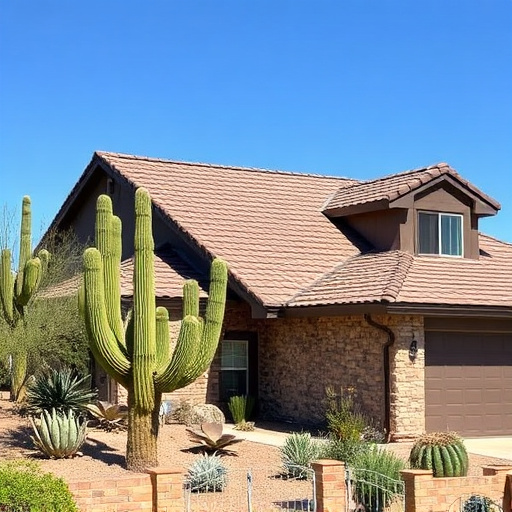
Shingle roofs are a common sight in Oro Valley's distinct climate, but their durability is no accident. Understanding the subtle signs of wear and tear before water starts to pour is crucial. This homeowner checklist equips you to identify issues like granule loss, curling, or cupping-red flags that signal a problem that could lead to leaks. Since low-slope roofs are particularly vulnerable, this guide will show you how to inspect them thoroughly. By staying proactive, you can extend the lifespan of your roof and avoid costly repairs, ensuring peace of mind for years to come.
- Inspect Regularly: Spotting Shingle Wear
- Understand Shingle Degradation: Signs to Look For
- Low Slope Considerations: Unique Challenges
- Proactive Maintenance: Preventing Leaks
Inspect Regularly: Spotting Shingle Wear
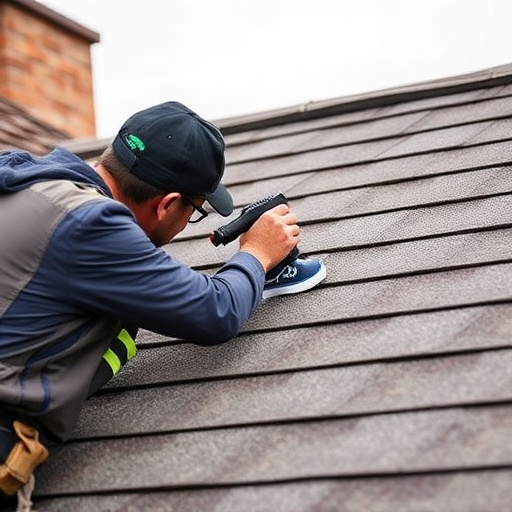
Regular inspection is your best defense against unexpected leaks caused by worn asphalt shingles. Shingles on a low slope, especially in the Catalina Foothills, are particularly susceptible to damage from weather, age, and environmental factors. Look for signs of wear and tear during your semi-annual roof check, as many issues can be easily addressed before they turn into costly repairs.
Focus on key areas: check for curling or cupping shingles, which can indicate an underlying problem with airflow or moisture. Also, inspect for missing granules, a common sign of aging or damage. Shingle granule loss, particularly around the edges and valleys, should prompt closer examination. Look for evidence of algae or stains, which can weaken the shingles, and check for nail pops that may compromise the seal.
A local roofing company serving Oro Valley recommends implementing a routine inspection program. By identifying issues early, you can prevent water intrusion and extend the life of your roof. If you notice a few shingles showing signs of wear, replacing them promptly can stop a more extensive problem from developing. Similarly, examining the ridge vent, a vital component for proper airflow on low-slope roofs, during your inspection can ensure optimal performance and prevent future leaks.
Understand Shingle Degradation: Signs to Look For
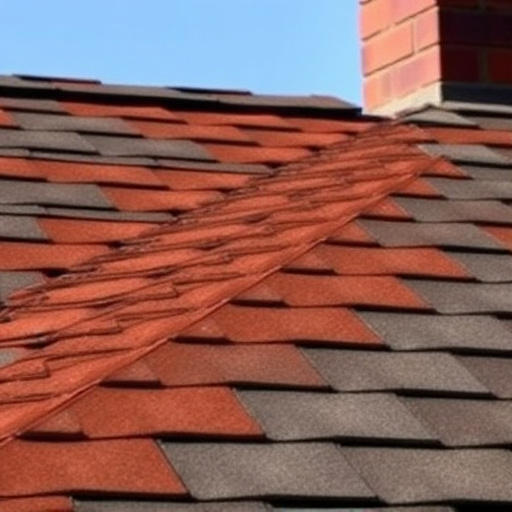
Shingle wear can often go unnoticed until it reaches a critical stage, leading to leaks and costly repairs. As a homeowner in Oro Valley, understanding the signs of shingle degradation is crucial to maintaining a secure and weather-resistant roof. This is especially important for low-slope roofs, which are common in our region, as they require meticulous care to ensure water doesn't find its way in.
Asphalt shingles, a popular choice for many Oro Valley homes, are designed to withstand the harsh desert conditions. However, even the toughest materials can degrade over time. One of the first visible signs of trouble is granule loss, where the small, granular material that coats the shingles starts to dislodge. This is more noticeable on dark-colored shingles, as the loss of granules becomes a distinct visual issue. Another common problem, especially in our area, is curling and cupping of shingles, which can be caused by excessive heat and poor ventilation. Class 4 impact-rated shingles, known for their superior durability, can still suffer damage from hail or falling debris, so it's important to inspect for cracks or deformations.
Ice and water shield, a protective underlayment, can significantly improve a roof's performance in extreme weather. When installed correctly, it acts as a secondary barrier against water intrusion. However, if it's not properly secured or if the shingles above it start to deteriorate, the shield's effectiveness diminishes. If you notice shingles lifting or blistering, especially during the summer, it may indicate a problem with the underlayment or shingles' adhesive. Regular maintenance, including checking for these issues, is key to preventing major leaks. Remember, the goal is to catch problems early. By staying vigilant and heeding these signs of shingle wear, homeowners can save money in the long run and ensure their roofs remain in top condition, like the expert roofers at DC Roofing of Arizona would recommend.
Low Slope Considerations: Unique Challenges
Shingles on a low slope present unique challenges for homeowners in Oro Valley's climate. Unlike steeper roofs, low-slope roofs require specific attention to detail to prevent leaks and damage. Because of their gentle angle, these roofs can be more vulnerable to wind, ice, and water accumulation, leading to potential problems if not properly maintained.
One crucial aspect to consider is the use of an ice and water shield under the shingles. This extra layer of protection is designed to prevent water from seeping under the shingles, a common cause of leaks on low-slope roofs. A roofing contractor serving Oro Valley and Marana recommends installing a ridge vent along the peak of the roof. This ventilates the roof cavity, reducing the risk of moisture build-up that can lead to rot, mold, and leaks. Similarly, a drip edge installed around the perimeter of the roof helps direct rainwater away from the building's foundation, protecting against water damage.
Homeowners should look for signs of curling or cupping shingles, which can indicate poor ventilation or excessive heat absorption. Shingles on a low slope may also be more prone to granule loss due to foot traffic or wind, exposing the underlying asphalt and reducing the roof's lifespan. Regular inspections and prompt repairs, especially after storms, can help catch these issues early. Remember, a little maintenance goes a long way in protecting your Oro Valley home from the unique challenges of low-slope roofing.
Proactive Maintenance: Preventing Leaks

Homeowners in Oro Valley, especially in neighborhoods like Saddlebrooke, face a unique challenge for their roof's longevity. With prolonged UV exposure and the occasional severe storm, maintaining a healthy roof is crucial to prevent leaks. This proactive maintenance checklist focuses on identifying potential issues with your asphalt shingles before they turn into costly repairs. Shingles on a low slope, a common roof design in the region, require extra attention due to their increased vulnerability to damage.
Regular inspection is key. Walk the roof (if safe and accessible) or hire a professional to check for any of the following signs: granule loss, where the protective granules on the shingles start to wear off; curling or cupping of shingles, which can indicate extreme temperatures or poor ventilation; and cracks or blisters, often caused by excessive heat. A licensed Arizona roofer might suggest a visual inspection every six months to catch these issues early. Look out for signs of algae or mold growth, which can weaken the shingles and lead to structural problems.
For maintenance, a simple yet effective step is to clean your roof regularly. Remove debris and leaves to prevent blockages that could hinder water drainage. Oro Valley's local building codes and HOA architectural review guidelines encourage homeowners to keep their roofs in top condition. Ensure proper ventilation in the roof space, as stagnant air can contribute to shingle degradation. Consider using a vented ridge cap to improve airflow at the peak of your roof. By implementing these proactive measures, you can extend the lifespan of your roof and avoid costly leaks.
Frequently Asked Questions About a Homeowner Checklist for Spotting Shingle Wear Before It Leaks
What is the primary purpose of a homeowner checklist for shingle wear?
The primary purpose of a homeowner checklist for shingle wear is to empower you to proactively identify signs of damage or wear and tear on your roof before they escalate into major leaks. Regular inspection using this checklist allows for early detection, enabling you to take timely action and potentially save on costly repairs.
How often should I inspect my roof for shingle wear?
It's recommended to inspect your roof for shingle wear at least twice a year, particularly after severe weather events like storms or high winds. This frequency ensures you can catch issues early, as shingles can become damaged or loose over time due to normal wear and tear.
What are some common signs of shingle wear I should look for?
Look for curled, cracked, or missing shingles; dark, discolored areas that may indicate mold or mildew; and blisters or bumps on the shingles. Also, check for loose or loose granule loss, as this can be a sign of aging or damage. Any of these could be indicators of potential leaks.
How can I effectively use a homeowner checklist when inspecting my roof?
Use the checklist as a step-by-step guide, starting from the gutters and working your way up. Check each area thoroughly, noting any abnormalities. Pay special attention to corners, valleys, and areas prone to shadows or moisture buildup. Document your findings, taking photos if necessary, to track changes over time.
Who should I contact if I identify significant shingle damage?
If you identify significant shingle damage, contact a licensed Oro Valley area roofing contractor like DC Roofing of Arizona. They have the expertise and tools to assess the situation, provide repairs, or recommend a replacement roof if necessary.
What should I do if I suspect a leak but can't find visible damage?
If you suspect a leak but can't find visible damage, look for signs of water stains or mold on the underside of your roof decking or in your attic. Also, check for droplets or moisture on the outside of windows or walls below the roofline. These could indicate active leaks that need professional attention.
Can I perform roof repairs myself, or should I hire a professional?
While some minor repairs, like replacing a single shingle, may be manageable for a homeowner, most significant shingle repairs or replacement should be handled by a professional. Roofing work requires specialized skills, tools, and knowledge to ensure a safe and effective repair, and a licensed contractor can provide long-lasting results.
Homeowners in Oro Valley can take proactive steps to protect their properties from costly roof leaks. Regular, thorough inspections are key, focusing on signs of shingle degradation, especially in areas with low slopes. Understanding the unique challenges posed by the local climate and terrain is crucial. By staying vigilant and addressing issues like curling, granule loss, and nail pops early, homeowners can extend the lifespan of their shingles. This proactivity, coupled with knowledge of local building codes and materials, ensures that roofs withstand the desert heat and extreme weather events. This checklist empowers homeowners to take control of their roof's health, potentially saving them from unexpected repairs and the hassle of dealing with leaks.
Summary:
Homeowners in Oro Valley should prioritize regular roof inspections (semi-annual) to prevent costly leaks from worn asphalt shingles, especially on low-slope roofs common in the Catalina Foothills. Key signs to look for include:
- Curling or cupping shingles: Indicates airflow or moisture issues.
- Granule loss: Common aging sign, particularly around edges and valleys.
- Algae or stains: Weaken shingles.
- Nail pops: Compromise the seal.
Implement a routine inspection program and address issues promptly to extend roof life. Consider the unique needs of low-slope roofs, such as using ice and water shield and ridge vents, as recommended by local roofing experts. Regular maintenance, like cleaning and proper ventilation, is crucial for preventing leaks.