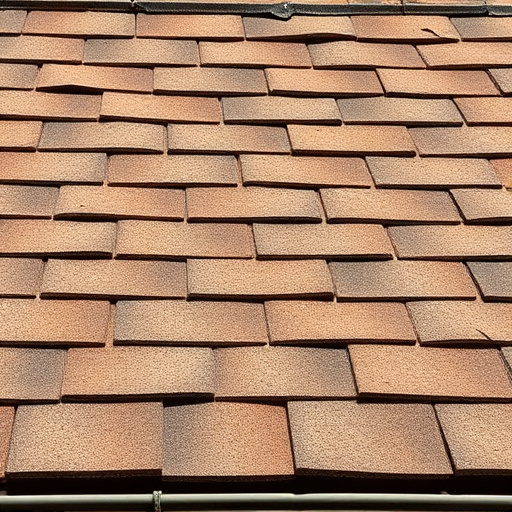
Homeowners in Oro Valley, Arizona, face a unique challenge: protecting their roofs from the harsh desert climate. Asphalt shingles, a popular choice due to their affordability and versatility, can be particularly susceptible to wear and tear in such conditions. Architectural versus three-tab shingles, for instance, have distinct lifespans in the desert heat, with the former often outlasting the latter. This article equips homeowners with a comprehensive checklist to identify shingle wear before it leads to costly leaks. By understanding issues like granule loss, curling, and cupping, you can make informed decisions about repairs or replacements, ensuring your home stays protected under the watchful eye of the Oro Valley Building Department and local climate patterns.
- Understanding Shingle Types: Architectural vs. Three Tab
- Regular Inspection: Spotting Early Wear and Tears
- Common Signs of Shingle Failure Before Leaks
- Preventive Measures: Maintaining Your Oro Valley Roof
Understanding Shingle Types: Architectural vs. Three Tab
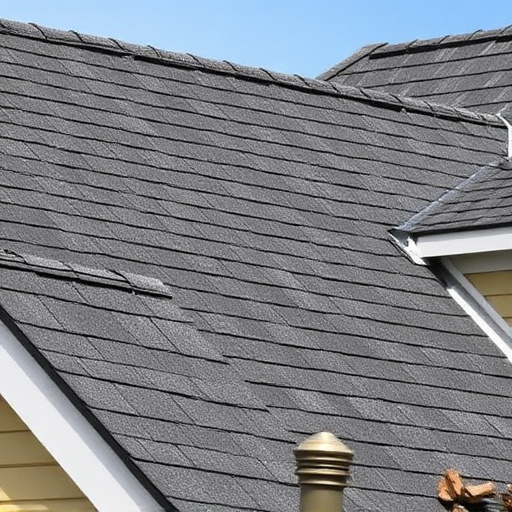
In Oro Valley, homeowners often rely on asphalt shingles for their roofing needs, but understanding the subtle differences between various shingle types is crucial for maintaining a leak-free roof. Two prevalent styles are architectural and three tab shingles, each with unique characteristics that impact their performance and longevity, especially in the desert climate. Architectural shingles, for instance, are known for their distinctive appearance and superior wind resistance, a critical factor in Oro Valley's open, desert landscape. These shingles are designed to mimic the look of traditional hand-cut shingles, offering a more complex pattern that enhances wind protection.
While architectural shingles excel in aesthetics and wind resistance, three tab shingles are valued for their affordability and simplicity. This type features three distinct tabs or projections that provide a uniform, flat surface. Despite their basic design, three tab shingles can still be effective in Oro Valley's climate, especially when paired with proper installation and underlayment. The choice between architectural and three tab shingles depends on individual preferences, budget, and the home's design. A homeowner in Rancho Vistoso looking to blend their roof seamlessly with the desert surroundings might favor architectural shingles, while someone focusing primarily on cost-effectiveness could opt for three tab.
When evaluating your roof's condition, inspect the granules on your shingles, which protect against UV damage and weather erosion. Over time, these granules can loosen and fall off, leading to exposure and potential leaks. A roofer with an Arizona ROC license recommends checking for loose granules, especially in areas prone to heavy foot traffic or where shadows may fall, as these spots tend to be more vulnerable. Keep an eye out for curling or cupping shingles, which can indicate underlying issues such as poor ventilation or excessive moisture. Regular maintenance and early detection of these issues can save you from costly repairs, ensuring your Oro Valley home remains protected against the elements.
Regular Inspection: Spotting Early Wear and Tears

Regular inspections are crucial for homeowners to maintain the integrity of their roofs, especially in the Oro Valley climate where extreme heat and powerful winds can accelerate wear and tear. For architectural versus three tab shingles, the former offers superior wind resistance, which is a key consideration in our region. A thorough check should be conducted at least twice a year, focusing on potential issues like curled or cupped shingles-red flags indicating internal damage-and granule loss, which can expose the underlayment to the elements.
During your inspection, look for signs of wind damage, especially if your roof has a Class H wind rating, which is recommended for our area based on local building codes. Shingles that have blown off or are in danger of doing so should be replaced immediately to prevent water intrusion. Check for proper drip edge installation, a crucial component for directing water away from the roof's edge, preventing damage, and prolonging the life of your shingles.
Consider the solar reflectance of your shingles, particularly if your home faces the west or south. Darker shingles can absorb more heat, leading to increased cooling costs. Lighter-colored, reflective shingles can mitigate this effect, contributing to energy efficiency. An experienced Oro Valley roof specialist can guide you in choosing the right materials for your specific needs. Regular attention to these details can save you from costly repairs and ensure your home remains protected throughout the year, even in the face of extreme weather conditions.
Common Signs of Shingle Failure Before Leaks
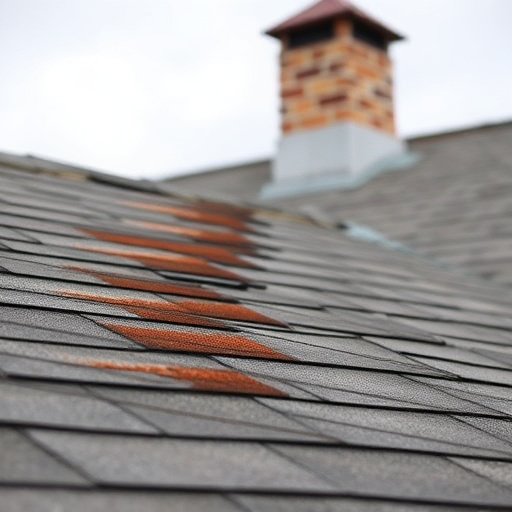
Homeowners in Oro Valley often face a challenge for maintaining their roof, especially with the extreme desert heat and varying climate conditions. One of the most critical components to monitor is the roofing material, particularly when dealing with architectural vs three tab shingles. While architectural shingles offer a more complex, aesthetically pleasing design, three tab shingles are a popular choice for their durability and cost-effectiveness. However, both types are susceptible to specific issues that can lead to leaks if left unaddressed.
One of the earliest signs of shingle failure is granule loss. These small, granular particles protect the shingle's matrix and provide its reflective properties. In the desert heat, these granules can degrade and fall off, exposing the more vulnerable layers beneath. A close inspection might reveal dark spots or bare patches where the granules have worn away, indicating the need for repair or replacement. Architectural shingles are prone to curling or cupping at the edges, especially if they've been exposed to high winds or extreme temperature changes. This distortion can create pockets where water can seep in, leading to leaks. On the other hand, three tab shingles may show signs of blow-off, where the tabs separate from the underlying mat, leaving behind a fragile, exposed surface.
Another critical aspect to consider is the underlayment. A synthetic underlayment, often recommended by experts like a licensed Arizona roofer, provides an extra layer of protection against moisture, insects, and extreme temperatures. If the underlayment is damaged or aging, it may become susceptible to water intrusion, even with a seemingly intact shingle surface. Homeowners should look for signs of mold, mildew, or rot beneath the shingles, as these are clear indicators of a compromised underlayment. Regular maintenance, including checking for loose nails and ensuring proper ventilation, can help extend the lifespan of both architectural and three tab shingles. By addressing these common issues early on, Oro Valley residents can prevent costly and inconvenient leaks.
Preventive Measures: Maintaining Your Oro Valley Roof
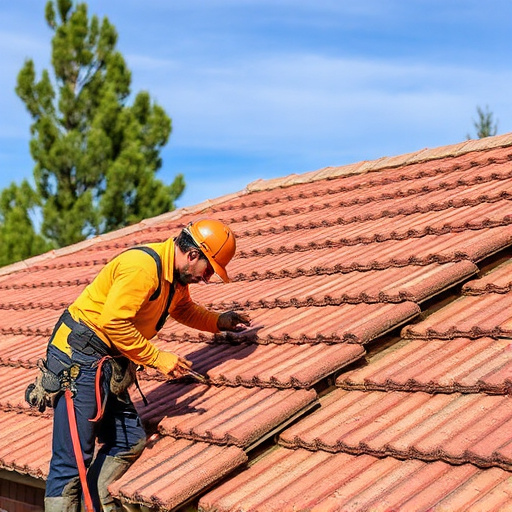
Regular maintenance is key to preventing leaks and extending the life of your Oro Valley roof. For asphalt shingles, understanding the differences between architectural and three-tab styles can guide your inspection process. Architectural shingles, known for their superior durability and complex design, require slightly different care than their simpler three-tab counterparts.
Focus on visual cues for potential issues. Check for curled or cupped shingles, a common sign of excessive heat or wind damage. Look for missing granules, which can indicate exposure to UV rays or poor installation. Shingles that lift from their underlayment or show signs of blistering in the summer heat might need attention. Also, examine the roof's edges for any signs of damage or missing starter strips. Regular inspections, especially after severe storms, can help catch these issues early.
Ventilation is another critical aspect. Adequate ridge venting can reduce heat buildup, prolonging shingle life. Ensure your roof's ridge caps are in place and functioning properly. Consider your home's overall UV exposure, as it can contribute to shingle degradation. Consulting with a local roofing expert, like DC Roofing of Arizona, can provide tailored advice based on your Oro Valley location and specific roof design. Remember, catching wear and tear early through these preventive measures can save you from costly repairs.
Frequently Asked Questions About a Homeowner Checklist for Spotting Shingle Wear Before It Leaks
What is the primary purpose of a homeowner checklist for shingle wear?
The checklist is a proactive tool for homeowners to inspect their roof's condition. Regular checks can help identify minor issues like cracks, missing shingles, or loose fasteners before they escalate into major problems, such as leaks, that require costly repairs.
How often should I perform a shingle wear inspection?
It's recommended to conduct a visual inspection of your roof once a year. This timing is ideal as it allows for a thorough assessment while considering seasonal changes and weather patterns that can affect your roof's integrity.
What tools do I need to spot shingle wear?
You'll need a good pair of binoculars or a camera with a zoom function for detailed inspection. A ladder, safety gear, and a bucket are essential if you plan to climb up. A basic knowledge of roofing terms and common issues is also helpful but can be acquired through the checklist and online resources.
What are some common signs of shingle wear?
Keep an eye out for curled, cracked, or missing shingles. Look for exposed underlayment, rusted or loose flashing, and dark stains on the roof surface, indicating possible leaks. Also, be aware of unusual noises during storms, which could signal damaged shingles.
Can I fix minor shingle wear myself?
For minor issues, such as a single missing or damaged shingle, yes, you can typically repair or replace it yourself. However, for more extensive damage, it's best to hire a licensed roofer. Professional repair or replacement ensures the work is done correctly, preventing further damage and potential leaks.
How do I know if I need a professional roofing contractor?
If you notice widespread shingle damage, evidence of leaks, or your roof is older than 20 years, it's advisable to consult a professional. They can provide expert assessment, recommend repairs, and ensure your roof meets safety standards and local building codes.
As homeowners, staying proactive about our roof's health is crucial, especially in Oro Valley's unique climate. Regularly inspecting our shingles is a key practice to prevent costly leaks. By understanding the differences between architectural and three-tab styles and being vigilant about common wear and tear signs, we can extend the lifespan of our roofs. This checklist equips us to identify issues early, such as granule loss, curling, or cupping, which are indicators of potential problems.
The article highlights the importance of regular maintenance, suggesting that a quick visual check every few months can save significant repairs later. When considering replacements, understanding the market, and local regulations, like those provided by the Oro Valley Building Department, becomes essential. Choosing the right shingle type, whether architectural or three-tab, suitable for our region's conditions and considering energy-efficient ratings can be a significant investment.
Homeowners can now confidently navigate the process of roof care, from recognizing early shingle failures to making informed decisions about repairs or replacements. This checklist empowers us to take charge of our home's protection, ensuring peace of mind and a leak-free future.
Homeowners in Oro Valley should inspect their roofs regularly, focusing on asphalt shingle health. Architectural shingles offer superior wind resistance and a complex design but may curl or cup. Three-tab shingles are simpler, affordable, and susceptible to granule loss and blow-off. Both types require checks for loose granules, proper ventilation, and underlayment integrity. Early detection of issues like curling, cupping, or granule loss prevents leaks and saves costs. Consulting a local roofing expert can provide tailored advice for maintenance and replacement.