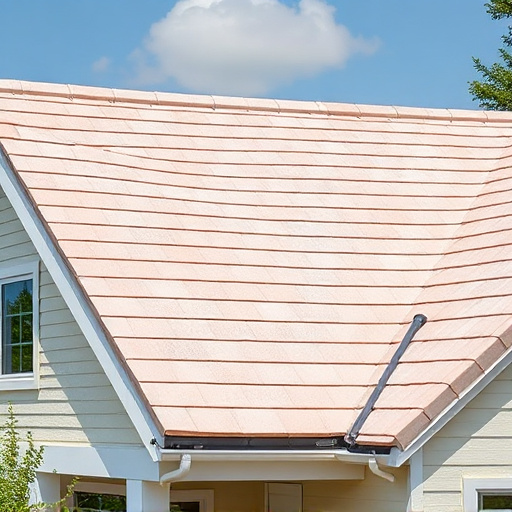
In the hot, arid climate of southern Arizona, choosing the right roofing material is crucial for both durability and energy efficiency. Homeowners often face a decision between architectural and three tab shingles, each offering distinct advantages and drawbacks. This comparison examines the performance, lifespan, and cost of these two popular styles, with a special focus on their resistance to extreme weather conditions, particularly strong winds. We'll explore how wind rated shingles, designed to withstand the region's powerful gusts, can contribute to a roof's longevity and structural integrity. By the end, you'll be equipped to make an informed choice that suits your Oro Valley home.
- Understanding Architectural vs. Three Tab Shingles
- Wind Load and Resistance: A Key Comparison
- Installation, Cost, and Longevity Considerations
- Choosing the Right Shingle for Your Oro Valley Roof
Understanding Architectural vs. Three Tab Shingles
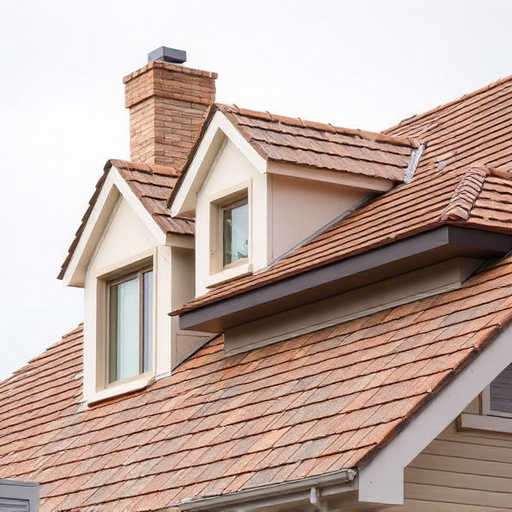
Architectural shingles and three tab shingles offer distinct characteristics, each with implications for homeowners in the Oro Valley region. When comparing the two, understanding their differences in durability, appearance, and installation is crucial. Architectural shingles, known for their superior strength and wind resistance, are designed to withstand the harsh conditions of southern Arizona. These shingles are thicker, with a more complex structure, allowing them to better handle high winds and intense UV exposure-a critical factor in a region with frequent desert storms and year-round sunlight.
In contrast, three tab shingles offer a more traditional look with a lower cost point. While they are less resilient to wind compared to architectural shingles, they have their advantages. Three tab shingles are lighter in weight, making installation easier and less labor-intensive. They also offer a range of colors and styles, appealing to homeowners looking for a specific aesthetic. A local roofing contractor in Oro Valley might recommend three tab shingles for patio covers, where cost-effectiveness and visual appeal are priorities.
A key consideration when choosing between these two types is the local climate. Southern Arizona's extreme temperatures and wind patterns demand shingles that can withstand the elements. Wind-rated shingles, such as those from GAF or Atlas, are a popular choice for Oro Valley homeowners. These shingles are designed to resist high winds, reducing the risk of blow-offs and damage during storms. Proper installation, including the use of starter strips and adequate underlayment, is essential for both architectural and three tab shingles to ensure longevity. The local building department in Oro Valley may have specific guidelines regarding roof ventilation and underlayment choices to enhance a home's resistance to extreme weather.
Wind Load and Resistance: A Key Comparison
In southern Arizona, where powerful winds and intense sunlight challenge roofing materials, understanding wind ratings is crucial for a durable and safe roof. When comparing architectural and three tab shingles, one key differentiator is their wind resistance, rated according to the Class H scale. Architectural shingles, known for their complex design and superior performance, typically achieve a Class H rating, indicating their ability to withstand the most severe wind conditions. By contrast, three tab shingles, while functional and cost-effective, often stop short of this level, with a Class F or G rating, making them less resilient against high-speed winds.
DC Roofing of Arizona, a local expert in Oro Valley roofing solutions, emphasizes the importance of this distinction. "Many homeowners in our region face powerful winds, especially during the monsoon season," notes a DC Roofing specialist. "When considering shingles, a Class H rating is non-negotiable for properties in high-wind areas." This rating is determined by rigorous tests simulating real-world conditions, ensuring the shingles can withstand forces exceeding 120 miles per hour.
Modern architectural shingles often incorporate advanced features like granules, which not only enhance their aesthetic appeal but also play a vital role in solar reflectance. These granules, typically made from mineral compounds, reflect sunlight, helping to reduce the heat transfer to the home's interior and lowering energy costs. In contrast, three tab shingles often lack these granular surfaces, making them less efficient at reflecting sunlight. This difference is significant in the desert climate of Oro Valley, where high temperatures and intense solar radiation are common.
Installation, Cost, and Longevity Considerations
When comparing architectural and three tab shingles for southern Arizona, installation, cost, and longevity are key considerations for any homeowner. Installation costs can vary widely depending on the complexity of the job and the materials chosen. Architectural shingles, known for their intricate shapes and more precise fitting, often come with a higher upfront cost due to their advanced design and the skilled labor required for installation. In contrast, three tab shingles are simpler and more straightforward to install, making them a more cost-effective option.
The cost of shingles alone is just one aspect to consider. A local roofing company serving Oro Valley can provide valuable insights into the total installation costs, which may include underlayment, ventilation, and additional materials. ENERGY STAR-rated shingles, for example, can offer tax incentives and lower utility bills over the lifespan of the roof, offsetting initial installation costs. In this region, where wind-rated shingles are essential, architectural options with a Class 4 impact rating can provide superior protection against high-speed winds, a significant factor in the overall cost of a durable roof.
Longevity is another critical factor. Three tab shingles, with their straightforward design, typically have a lifespan of 20-25 years. Architectural shingles, however, often boast a 30-50 year warranty due to their enhanced durability. A fiberglass mat, a common component in many shingles, contributes to their strength and wind resistance. For areas prone to severe weather, such as southern Arizona, a longer-lasting roofing solution is often preferable.
Regular maintenance can extend the life of any roof. Checking for loose nails, examining the underlayment for signs of wear and tear, and inspecting for algae or stains are all part of a thorough roof maintenance routine. The Oro Valley Building Department provides guidelines for roof replacement and repair, ensuring that any work complies with local building codes. When considering a roof replacement, a cost-benefit analysis is crucial. The expense of a more durable, long-lasting roof, like architectural shingles with advanced wind ratings, might be justified by the reduced need for frequent repairs and the potential energy savings.
Choosing the Right Shingle for Your Oro Valley Roof
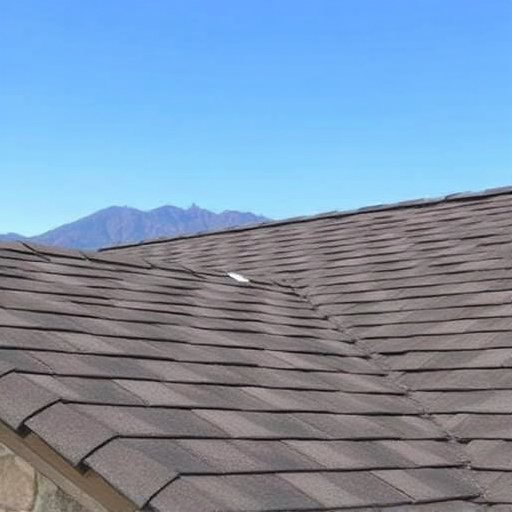
Choosing the right shingle for your Oro Valley roof is a crucial decision, especially considering the unique climate and environmental factors in southern Arizona. When comparing architectural and three-tab shingles, understanding their performance characteristics is essential. One key aspect to consider is their resistance to the powerful winds that are common in this region.
Architectural shingles, known for their superior durability, often feature a Class H wind rating, designed to withstand high-velocity winds of up to 120 mph. This makes them an excellent choice for homes in areas prone to severe weather, like Oro Valley. These shingles are engineered with multiple layers, offering enhanced wind resistance and a more complex design that can add aesthetic appeal. On the other hand, three-tab shingles, while more affordable, typically have a lower wind rating, leaving them more vulnerable to damage from strong winds.
Thermal cycling is another critical factor. In Oro Valley, extreme temperature fluctuations between day and night are common, especially during the summer. Quality shingles, regardless of style, should be designed to withstand these changes. Proper installation, including the use of a drip edge to direct water away from the roof, is vital to prevent damage caused by thermal expansion and contraction. A licensed Arizona roofer can provide expert advice on the best underlayment and ventilation solutions to enhance the performance of either shingle type.
When deciding between architectural and three-tab shingles, consider your budget, the roof's slope, and the overall aesthetic you desire. If your roof has a low slope and you're looking for a longer-lasting, visually striking option, architectural shingles might be the better choice. Conversely, three-tab shingles could be suitable for a more budget-conscious approach, especially if your roof has a steeper pitch. Always consult with local roofing contractors and refer to Oro Valley Building Department guidelines to ensure your decision aligns with both building codes and your home's unique needs.
Frequently Asked Questions About a comparison of architectural and three tab shingles for southern Arizona
What are the primary differences between architectural and three tab shingles?
Architectural shingles, also known as dimensional or laminated shingles, offer a distinctive look with their larger size and unique shapes. They're thicker and more durable than three tab shingles, with added underlayment for extra protection against the desert elements. Three tab shingles, on the other hand, are thinner, simpler in design, and typically less expensive. They consist of three distinct tabs or peaks, giving them a classic look, but they offer less wind resistance and less protection from heavy rains compared to architectural styles.
Which type of shingle is better suited for the climate of southern Arizona?
Given the intense sunlight, heat, and occasional thunderstorms of southern Arizona, architectural shingles generally perform better. Their thicker nature and enhanced underlayment stand up better to the extreme weather conditions. Three tab shingles, while less expensive, may not withstand the rigors of the desert climate as effectively.
How long do architectural and three tab shingles typically last?
The lifespan varies significantly. Architectural shingles are designed for a longer lifespan, often lasting 30 to 40 years with proper maintenance. Three tab shingles tend to have a shorter lifespan, usually around 15 to 25 years.
Are there any maintenance considerations for each type of shingle?
Yes, both types require regular maintenance. Architectural shingles need periodic cleaning to remove mold and algae growth, which can affect their appearance. They may also require more frequent inspection for damage. Three tab shingles are generally easier to maintain, requiring only occasional cleaning and basic checks for loose or damaged shingles.
Which type of shingle offers a better value for money?
The three tab shingle often provides a better value for money, especially for homeowners on a tight budget. While they may not last as long as architectural shingles, their lower upfront cost can make them a more affordable option.
Can I install these shingles myself, or do I need a professional?
Both types of shingles can be installed by do-it-yourselfers, but for best results, especially with architectural shingles, a licensed professional is recommended. Shingle installation requires specific skills and techniques to ensure proper sealing and drainage, which a professional roofer understands and executes effectively.
When making a decision about your Oro Valley roof, understanding the distinctions between architectural and three tab shingles is crucial. While both types offer reasonable protection, architectural shingles excel in wind-prone areas, thanks to their superior wind-rated design that enhances resistance and reduces the risk of blow-off, a common problem in our region's strong winds. Architectural shingles also offer a longer lifespan, superior granule loss resistance, and a more aesthetically pleasing, uniform appearance due to their larger, heavier shingles.
On the other hand, three tab shingles are known for their affordability and straightforward installation process. However, they are less wind-resistant and may not last as long in the demanding desert climate. Considering the frequent severe storms in southern Arizona, opting for wind-rated shingles is a wise investment for your home's long-term protection.
The best choice depends on your individual needs and budget. By understanding the differences and considering factors like wind ratings, installation ease, and long-term performance, homeowners can make an informed decision that safeguards their investment and enhances the curb appeal of their Oro Valley property.
In southern Arizona, wind-rated shingles are crucial for roof durability. Architectural shingles, with superior strength and a Class H rating, withstand harsh conditions, while three-tab shingles, though less resilient, offer cost-effectiveness and visual appeal. Choose based on local climate, installation complexity, budget, and desired aesthetics, ensuring compliance with Oro Valley building codes. Proper installation, including underlayment and ventilation, enhances both types' longevity.