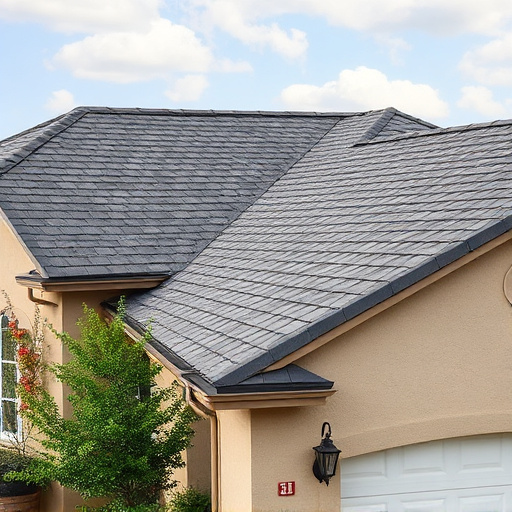
In the competitive landscape of Oro Valley roofing, understanding the factors that drive shingle roof costs is crucial for both homeowners and contractors. Shingle roofs, while offering durability and aesthetic appeal, vary significantly in price based on material, complexity, local conditions, and regulations. Wind-rated shingles, essential for standing up to the intense winds common in the area's desert climate, can significantly impact overall installation costs. This article examines the key determinants of shingle roof expenses, providing valuable insights for both those looking to install or replace a roof and for contractors aiming to offer competitive, yet quality, services. By the end, you'll have a clear understanding of what drives these costs and how to make informed decisions.
- Understanding Shingle Roof Cost Factors
- The Role of Wind Rating in Shingle Choice
- Comparing Wind-Rated Shingle Options
- Maximizing Shingle Lifespan & ROI
Understanding Shingle Roof Cost Factors
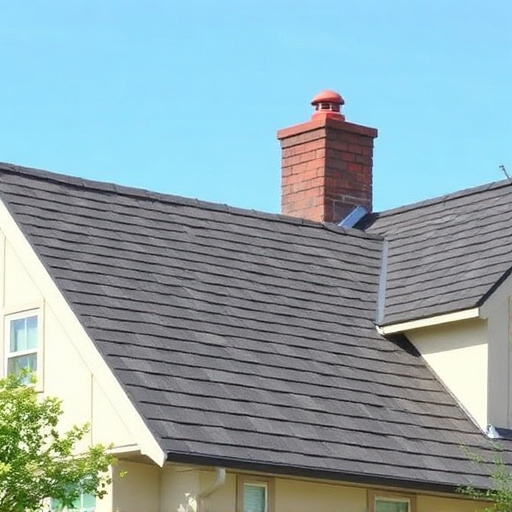
Understanding the factors that drive shingle roof costs is essential for any homeowner in Oro Valley considering a roof replacement. The price of a new shingle roof can vary widely based on several key elements, each playing a significant role in the overall price tag. One crucial consideration is the type of shingles chosen. Architectural shingles, for instance, offer superior durability and aesthetic appeal compared to three-tab shingles, reflecting their higher upfront cost.
In Oro Valley's desert climate, choosing wind-rated shingles is paramount. According to the local building codes enforced by the Oro Valley Building Department, specific wind ratings are mandated for new installations, especially in areas prone to powerful summer storms. These ratings ensure the shingles can withstand extreme wind speeds, adding to the overall roof system's strength and safety. Energy-efficient ENERGY STAR shingles are gaining popularity. While they might cost slightly more upfront, these shingles can lead to significant long-term savings on energy bills, making them a smart investment for homeowners looking to reduce their environmental footprint.
Another cost driver is the complexity of the job. Replacing a few missing or damaged shingles is a relatively straightforward process, while repairing or replacing a roof with significant damage, such as curling or cupping shingles after a storm, can be more involved and costly. A licensed Arizona roofer might charge different rates for jobs with varying levels of complexity. Similarly, the addition of starter strips and edge details, as well as selecting appropriate underlayment for a low-slope roof, can influence the overall project cost. Homeowners should also be aware of potential hidden expenses, such as the cost of removing old shingles and disposing of them responsibly.
Lastly, consider the impact resistance of your shingles. Shingles with a Class 4 impact rating, for example, are designed to withstand the impact of a two-by-four board dropped from 10 feet, offering superior protection against hail damage. While these impact-resistant shingles typically come with a higher price tag, they can provide peace of mind and long-term savings by reducing the need for frequent repairs. Remember, a well-planned and informed decision about your shingle roof can ensure both its durability and your satisfaction.
The Role of Wind Rating in Shingle Choice
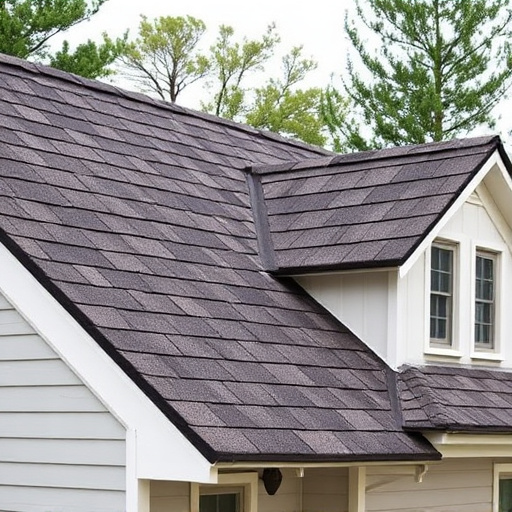
When considering a new roof or repairing your existing one, one crucial factor to weigh is the wind rating of your chosen shingles. Oro Valley, with its unique climate and weather patterns, necessitates the selection of wind-resistant shingles to safeguard your property. Wind-rated shingles, designed to withstand the powerful gusts common in our desert region, play a significant role in the overall cost and durability of your roof.
DC Roofing of Arizona, a licensed Oro Valley contractor, frequently encounters homeowners asking about wind-rated shingles, especially after recent storms. The most common question is, "Do I need wind-rated shingles?" The answer, based on local conditions, is often yes. Wind ratings, typically Class 4, ensure shingles can resist speeds of up to 140 mph, a critical requirement in Oro Valley. Higher wind ratings, such as Class 5, are even more durable and, while more expensive, offer additional peace of mind. These shingles are engineered with stronger materials and designs that include thicker granules-the small, mineral-based pieces that cover the surface-to prevent blow-offs.
The installation process for wind-rated shingles is similar to standard shingles, with one key addition: a drip edge. This flashing, attached along the perimeter of the roof, directs water away from the edges, preventing water damage that could weaken the shingles. While adding a drip edge increases labor costs slightly, it significantly contributes to the overall durability of the roof. When replacing old shingles, using wind-rated shingles over existing ones is a practical option, assuming the existing underlayment is in good condition. This method saves time and money by avoiding the need for a complete roof replacement, a process that can be costly and disruptive. Remember, when considering your roofing options, always consult local building codes and seek expert advice to make the best choice for your Oro Valley home.
Comparing Wind-Rated Shingle Options
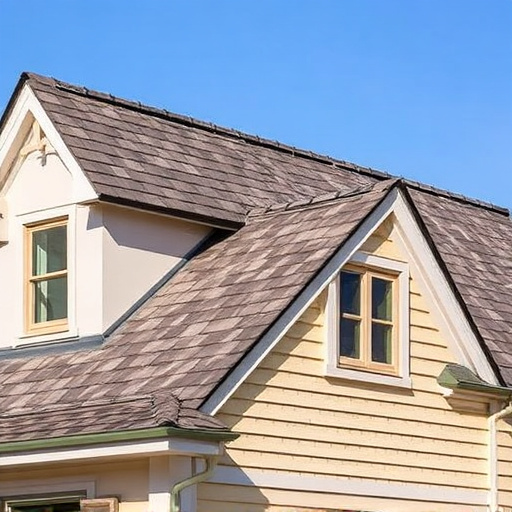
When considering roof replacements, Oro Valley homeowners often face a critical decision: selecting wind-rated shingles. This choice goes beyond aesthetic preferences, as the local climate plays a significant role. Oro Valley, located in the foothills of the Arizona desert, experiences unique environmental conditions that can impact the performance and longevity of shingles. Wind-rated shingles, designed to withstand intense winds and flying debris, are crucial for protecting homes in this area.
The most common types of wind-rated shingles incorporate a fiberglass mat reinforced with asphalt and a layer of granular material. This combination enhances their resistance to high-speed wind and debris, which is particularly important during severe weather events. A roofing contractor serving Oro Valley and Marana might recommend a 25- or 30-year wind-rated shingle, ensuring a durable and reliable choice for the region's climate. However, not all wind-rated shingles are created equal. Homeowners should look for products with a high granule count, as these granules protect the underlying mat and provide superior wind resistance.
During the selection process, it's also worth considering the local Homeowners Association (HOA) architectural guidelines. Some HOAs in the Oro Valley area may have specific requirements for roofing materials, especially for architectural styles that demand a certain aesthetic appeal. An HOA architectural review might dictate the use of a specific wind-rated shingle brand or color to ensure consistency with the neighborhood's design standards. Therefore, homeowners should consult these guidelines early in the decision-making process.
When comparing wind-rated shingles, the underlayment choices become crucial. A suitable underlayment, such as a synthetic or felt product, adds an extra layer of protection by preventing water intrusion and reducing the risk of shingle damage during high winds. Understanding these factors empowers homeowners to make informed choices, ensuring their roofs are not just wind-rated but also long-lasting and compliant with local regulations and community standards.
Maximizing Shingle Lifespan & ROI
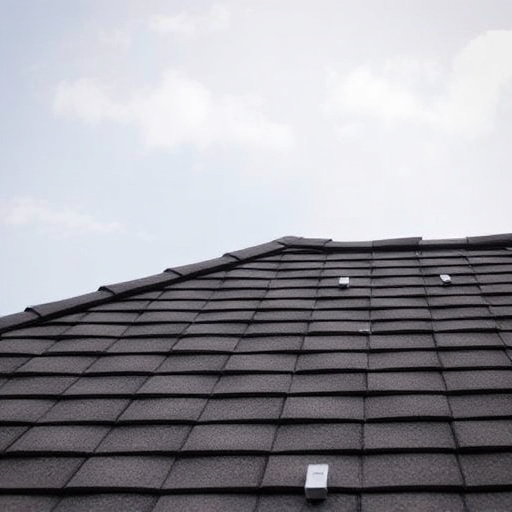
Extending the lifespan of your shingle roof and maximizing your return on investment (ROI) is a critical balance, especially in Oro Valley's unique climate. While the initial cost of a new roof can be significant, proper maintenance and understanding the driving factors behind shingle performance can save you money in the long run. One key element to consider is the impact of strong winds, particularly during the monsoon season.
Wind-rated shingles are designed to withstand specific wind speeds, providing enhanced protection against the powerful gusts common in our area. A roofer with an Arizona ROC license may recommend a higher-rated shingle for homes in Oro Valley, where winds can exceed 70 mph during monsoon storms. While three-tab shingles are a popular choice for their affordability, they may not offer the same level of wind resistance as more advanced styles. Integrating starter strips and ensuring proper edge details can also strengthen the roof against wind damage, preventing granule loss and curling or cupping of shingles, common issues in high-wind areas.
Regular inspections and maintenance are crucial to identifying potential issues early on. Checking for nail pops, algae and stains, and cracks after storms can help you make informed decisions. By replacing only the damaged or deteriorated shingles instead of the entire roof, you can save on materials and labor costs. If your roof has a few missing or curled shingles due to a recent storm, repairing or replacing those spots rather than the entire structure could extend the overall lifespan and maintain the aesthetic appeal of your home. Proper ventilation under the shingles is essential for combating blistering during the summer heat, ensuring your roof remains in top condition.
Frequently Asked Questions About a Plain Language Look at Shingle Roof Costs and What Drives Them
What are the average costs for a shingle roof replacement in Oro Valley? Shingle roof replacement costs in Oro Valley typically range from $5,000 to $10,000, depending on the size of the roof, the type of shingles chosen, and whether there's a need for additional work like flashing repair or replacement. These prices reflect labor and materials, with labor accounting for the bulk of the cost. DC Roofing of Arizona, a licensed Oro Valley area roofing contractor, estimates that most installations take one to two days for a typical single-story home.
What factors influence the price of a shingle roof? Several factors affect the final cost of a shingle roof. The primary ones are the roof's size and pitch, the type and quality of shingles, underlayment and flashing, and whether there's any existing damage or necessary repairs. A larger roof or one with a steeper pitch will generally cost more due to the increased materials and labor required. Higher-quality shingles and underlayments will also drive up prices.
How do the costs compare for different types of shingles? Shingle types vary in price based on their composition, durability, and aesthetics. Asphalt shingles, the most common, are the most affordable, while metal or tile shingles are significantly more expensive. A local roofing company serving Oro Valley can provide detailed pricing based on your preferences and roof specifications.
Can I save money by doing the roof replacement myself? While DIY projects can save money, a shingle roof replacement is a complex task that requires specialized knowledge and tools. Attempting it yourself could result in poor workmanship, leaks, and potential safety risks. Most professionals, like a licensed Arizona roofer, charge labor rates that, when combined with the cost of materials, often rival or exceed DIY materials-only costs. Unless you're experienced and confident in your abilities, it's generally best to hire a contractor.
How important is regular maintenance for keeping roof costs down? Regular roof maintenance, including inspections and minor repairs, is crucial for prolonging the life of your shingle roof and preventing costly replacements. By catching issues early, such as missing or damaged shingles or flashing problems, you can avoid more extensive and expensive repairs down the line. A roofer with an Arizona ROC license typically offers maintenance packages to help you stay on top of your roof's health.
What happens if my roof needs repairs in addition to replacement? If your roof requires more than just a replacement, the total cost will increase. Repairs may include fixing or replacing damaged shingles, flashing, or underlayment. A roofing contractor will assess the damage and provide a detailed estimate for both the repair and replacement work. In some cases, it might be more economical to replace the entire roof rather than attempting a partial repair.
As we've explored the multifaceted world of shingle roof costs in Oro Valley, it's clear that several key factors determine the final price tag. Understanding these elements, from wind ratings and material choices to local labor costs and regulatory compliance, is essential for making informed decisions.
The article highlights the significance of selecting wind-rated shingles, which offer enhanced protection against the powerful weather patterns common in the region. By investing in these shingles, homeowners can significantly reduce the risk of damage and costly repairs, a key consideration in the long-term cost-benefit analysis.
Practical steps for maximizing ROI include checking local building codes and HOA guidelines, ensuring proper installation by licensed Oro Valley contractors, and keeping an eye out for signs of wear and tear, such as curling, cupping, or granule loss. Regular maintenance, including checking for algae and stains, can also extend the lifespan of a shingle roof.
Navigating the complexities of shingle roof costs requires a deep understanding of local conditions and material performance. By taking these insights and practical steps, Oro Valley homeowners can make confident choices, ensuring their roofs withstand the challenges of the local climate while delivering both aesthetic appeal and long-term value.
Shingle roof costs in Oro Valley are driven by several key factors, primarily the type of shingles chosen. Wind-rated shingles, mandated by local building codes due to the area's climate, are crucial for durability. Higher wind ratings, like Class 5, offer better protection but are more expensive. Energy-efficient ENERGY STAR shingles can also be a smart investment. Job complexity, hidden expenses like old shingle removal, and impact resistance contribute to the overall cost. Proper maintenance, including regular inspections, can save money by extending the roof's lifespan.