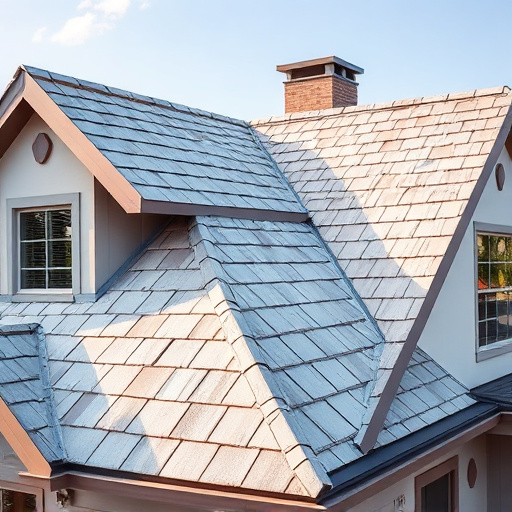
In Oro Valley, like many desert regions, roofing is a critical component of home maintenance. Asphalt shingles, the most common roofing material, offer durability and affordability. However, they're also prone to specific issues unique to the local climate, like blistering in the summer heat and granule loss from wind or age. These problems, from lifted tabs to curled or cupped shingles, not only diminish the roof's aesthetic appeal but can also signal deeper structural concerns. This guide cuts through the complexity, offering practical, step-by-step advice on repairing various shingle issues, ensuring your Oro Valley roof performs at its best and lasts for years to come. We'll cover everything from identifying problem areas like algae and stains, to choosing the right underlayment and understanding local building codes, providing the expertise you need for informed, effective repairs.
- Identifying Blistering Shingles: Signs and Causes
- Repairs for Lifted Tabs and Granule Loss
- Summer Maintenance: Preventing Blistering
- Choosing the Right Shingle Replacement
Identifying Blistering Shingles: Signs and Causes
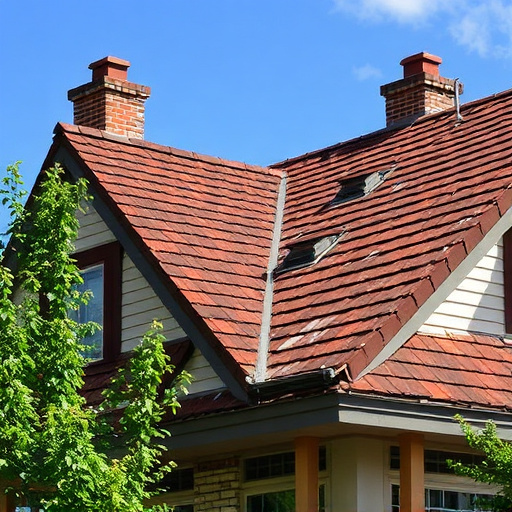
Blistering shingles in summer are a common concern for homeowners in Oro Valley's desert climate. These bubbles or raised areas on the shingles are not only unsightly but can also signal more serious issues. Architectural shingles, known for their superior durability and aesthetic appeal, are particularly prone to blistering when exposed to intense heat and UV radiation. While the exact cause can vary, several factors contribute to this problem.
One primary cause is excessive moisture buildup under the shingles. In Oro Valley, where high temperatures and low humidity are common during the summer months, moisture can get trapped between the shingle layers. This often happens when there is a lack of adequate ventilation in the roof space, allowing humid air to accumulate. Poor installation practices, such as using an improper underlayment or failing to secure the starter strip, can create pockets of moisture, leading to blistering.
Granule loss, a related issue, occurs when the protective granules on the surface of the shingles start to dislodge due to the heat and wind. Architectural shingles, with their complex design, may be more susceptible to granule loss over time. If you notice lifted tabs or missing granules, it's crucial to address the problem promptly. A local roofing company serving Oro Valley, for instance, recommends inspecting the roof regularly, especially after severe weather or during the summer months. By identifying blistering shingles early, homeowners can prevent more extensive damage and costly repairs.
Repairs for Lifted Tabs and Granule Loss
Lifted tabs and granule loss are two common issues homeowners in Oro Valley may encounter with their asphalt shingles, particularly in the harsh desert climate. This section provides an in-depth look at repairing these problems, offering practical guidance from the perspective of a seasoned roofing contractor like DC Roofing of Arizona.
When an asphalt shingle becomes lifted at the tab, it can expose the underlayment to elements, leading to further damage. This is often caused by inadequate nailing, extreme wind, or even extreme temperature changes. To repair lifted tabs, start by removing any loose or curled shingles. Then, carefully pry up the lifted tab, ensuring the underlayment is intact. Apply a thin layer of ice and water shield along the edge of the underlayment to protect against moisture intrusion. Reattach the tab using a new nail, ensuring it is properly secured. For multiple lifted tabs, a thorough inspection of the roof's nailing pattern is crucial. A professional contractor may recommend re-nailing the entire roof or reinforcing the underlayment to prevent future issues.
Granule loss, characterized by missing or dislodged shingles, is another common problem, often accelerated by the intense summer heat in Oro Valley. This can expose the more vulnerable underlayment and mat materials, leading to leaks and structural damage. To address granule loss, homeowners should start by identifying the source, whether it's from natural aging, poor installation, or damage from storms or extreme heat. In many cases, simply replacing the missing shingles with new, high-quality ones from a reputable manufacturer like GAF or Atlas can be sufficient. However, if the loss is extensive, DC Roofing of Arizona recommends removing all affected shingles and underlayment, and replacing them with new materials. Using a ridge vent, along with adequate ventilation throughout the roof, can also mitigate granule loss by regulating temperature and moisture levels.
Summer Maintenance: Preventing Blistering
Summer in Oro Valley brings both warmth and challenges for your roof. One of the most common issues homeowners face during this season is blistering shingles, a problem that can significantly impact the look and functionality of your roof. This phenomenon occurs when high temperatures cause the shingles to expand, leading to the formation of bubbles or blisters on the surface. While it might seem like a minor concern, left unattended, blistering can weaken your roof, compromising its protective barrier against the elements.
Architectural shingles, a popular choice in the Oro Valley area, including Rancho Vistoso, are particularly susceptible to this issue due to their design and composition. These shingles, known for their complex patterns and enhanced durability, require proper care and maintenance, especially in the desert climate. The key to preventing blistering lies in understanding how heat affects shingles. When temperatures soar, the asphalt within the shingles softens, causing them to become more pliable. If the shingles are not adequately fastened or the underlayment is lacking, this pliability can lead to the blisters we mentioned.
To combat blistering shingles in summer, a comprehensive maintenance plan is essential. First, inspect your roof regularly, looking for any signs of damage or loose shingles. Addressing these issues promptly can prevent further complications. Ensuring proper ventilation in the roof space is crucial. Adequate air circulation helps regulate the temperature, reducing the chances of blistering. A roofing contractor serving Oro Valley and Marana can provide expert advice on ventilation options, such as vents and ridge caps, tailored to your roof's needs. Consider the timing of your roof's installation. Newer roofs might require more frequent inspections as they adjust to the local climate, especially during the first few summers.
For architectural shingles and HOA architectural review, some homeowners associations in Oro Valley have specific guidelines regarding roof aesthetics. While these guidelines may not directly address blistering, adhering to them is vital to avoid potential disputes. Regular maintenance, including cleaning and repairs, can help extend the life of your roof and ensure it remains in compliance with HOA regulations. Removing moss, algae, and stains can prevent blockages in the roof's drainage system, which is crucial for preventing water damage and, indirectly, blistering.
Choosing the Right Shingle Replacement
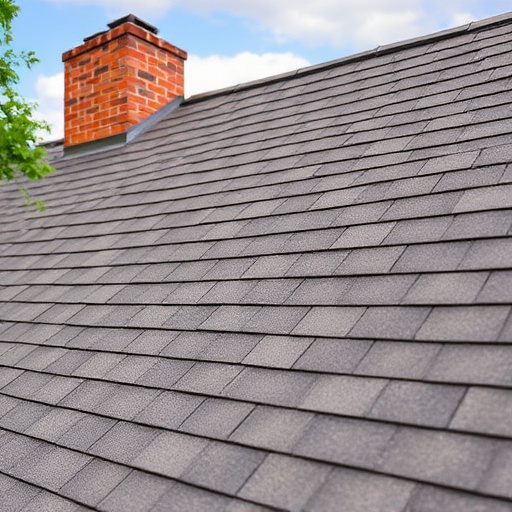
When choosing the right shingle replacement for your Oro Valley home, especially in the challenging climate of the Catalina Foothills, a licensed Arizona roofer recommends considering both the type of shingle and the specific repair needed. In Rancho Vistoso, where the summer heat can be intense, selecting shingles that resist blistering is crucial. This is where understanding the difference between architectural shingles and three-tab shingles becomes vital.
Architectural shingles, known for their complex design and enhanced durability, often perform better in extreme temperatures. They are thicker, with a more intricate pattern that helps to reflect heat, making them a popular choice for desert climates. On the other hand, three-tab shingles, while cost-effective, have a simpler design that can be more susceptible to damage from the sun's rays. When dealing with granule loss, for example, architectural shingles tend to retain their protective coating and underlying asphalt mat better than three-tab shingles.
During a repair, consider the overall condition of the roof. If most of the shingles are in good shape but a few are damaged, replacing those individual shingles may be the most practical solution. However, if the damage is widespread, particularly in areas prone to high winds, hail, or heavy snow, it's often best to replace the entire roof. This ensures the new shingles are properly secured and aligned, preventing future issues like curled or cupped shingles. Using an ice and water shield underlayment can provide extra protection against blistering and water damage, a critical consideration in our region's hot, dry summers.
Frequently Asked Questions About a guide to shingle repairs, from lifted tabs to granule loss
What are the most common reasons for shingle damage? Shingle damage often results from severe weather conditions, such as high winds, hailstorms, or heavy snowfall. Other common causes include tree limb impact, falling debris, and age-related deterioration. DC Roofing of Arizona, a licensed Oro Valley area roofing contractor, frequently encounters lifted tabs due to wind and granule loss from normal wear and tear over time.
How do I know if my shingles need repairing or replacing? Lifted or curled shingles, missing granules, and visible cracks or splits are signs of damage. If any of these are present, inspect the entire roof for extent of the problem. Granule loss might be localized, or it could be widespread. A local roofing company serving Oro Valley, like DC Roofing, can help assess the situation and advise on repairs or replacement.
What is the process for repairing lifted shingles? First, remove any debris from the lifted area. Then, use a suitable adhesive to reattach the shingle, ensuring it's flush with the rest of the roof. This process is best done by a licensed Arizona roofer who can match the existing shingles for color and texture. Remember, a professional roofer understands the best practices for ensuring a secure repair.
Can I repair granule loss myself, or do I need a professional? While granule loss might seem minor, it can indicate more serious damage. If the loss is widespread, it's best to have a roofer with an Arizona ROC license (a licensed Arizona roofer) assess the situation. A professional Oro Valley roof specialist can provide a thorough inspection and recommend repairs or replacements as needed.
How long does a shingle repair typically take? Most repairs take one to two days, depending on the extent of the damage and the number of shingles involved. A roofing contractor serving Oro Valley and Marana will have the necessary tools and expertise to complete the job efficiently.
What should I do if my shingles are beyond repair? If your shingles are severely damaged or showing signs of degradation, replacement is usually the best option. DC Roofing can provide a quote for a complete roof replacement, ensuring your Oro Valley home is protected against the elements. Regular inspections by a professional can help catch problems early, minimizing the need for full replacements.
As you've navigated this guide to shingle repairs in Oro Valley, you now understand the common issues like lifted tabs, granule loss, and blistering shingles in summer, their causes, and effective solutions. Key takeaways include the importance of proper ventilation to prevent summer blistering, choosing the right replacement shingles for your climate and roof pitch, and the need to address issues early to avoid more costly repairs.
When considering repairs, remember that a few lifted tabs or isolated granule losses may warrant fixing, but a widespread problem could signal the need for a full replacement. Regular summer maintenance, including checking for loose nails and granule loss, can significantly extend the lifespan of your roof.
For Oro Valley homeowners, following these practices not only maintains your roof's integrity but also helps you avoid the high costs and disruptions of a complete roof replacement. Relying on a licensed local roofer, familiar with the region's building codes and local climate, ensures your repairs or replacement meet the necessary standards and protect your investment.
In Oro Valley's desert climate, architectural shingles are prone to blistering in summer due to intense heat and UV radiation. This can lead to serious issues like granule loss. Blistering is often caused by:
- Excessive moisture buildup under the shingles, due to poor ventilation.
- Inadequate installation practices, like using improper underlayment.
Regular roof inspections, especially during summer, are crucial. For lifted tabs, remove loose shingles, pry up the tab, apply ice and water shield, and reattach with a new nail. For granule loss, identify the source, replace missing shingles, or remove all affected shingles and underlayment. Using ridge vents and ensuring adequate ventilation can also prevent granule loss.
During a repair, consider:
- The type of shingle (architectural vs. Three-tab) for better performance in extreme temperatures.
- Replacing entire roofs if damage is widespread, to ensure proper alignment and protection.
- Using ice and water shield underlayment for extra protection against blistering and water damage.