Choosing the right shingle colors for your Oro Valley home isn't just about aesthetics; it's a crucial decision that impacts your comfort, energy costs, and even your property value. With the intense desert heat and the strict design guidelines from the Southern Arizona Homeowners Association (SAHOA), selecting the wrong shingles could lead to premature aging, reduced energy efficiency, and potential HOA fines. This article provides expert guidance on navigating these challenges. We'll explore how to select impact-resistant shingles that not only withstand the harsh climate but also comply with HOA rules, ensuring your roof serves as a strategic investment for your Oro Valley property's long-term value.
- Understanding Desert Heat's Impact on Shingles
- Selecting Shingles That Meet HOA Standards
- Impact-Resistant Shingles: Natural Heat Solutions
- Local Regulations and Your Shingle Choices
Understanding Desert Heat's Impact on Shingles
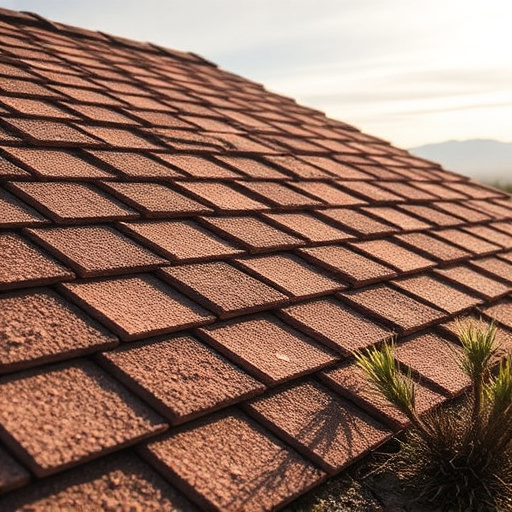
The desert climate in Oro Valley presents unique challenges for roofing materials, particularly for asphalt shingles. The intense heat, sun exposure, and occasional windstorms can accelerate the natural aging process of shingles, leading to granule loss, curling, and even more severe damage. When choosing a shingle color, it's crucial to consider the region's specific conditions to ensure a durable and long-lasting roof.
For areas like Rancho Vistoso, known for its hot, dry summers, impact-resistant shingles are highly recommended. These shingles are designed to withstand the harsh elements, including intense sunlight and strong winds. A roofer with an Arizona ROC license will often suggest shingles with a Class 4 impact rating, such as those offered by leading manufacturers like GAF and Atlas. These shingles have been rigorously tested to resist damage from flying debris, which is especially important during the region's occasional severe storms. A dark-colored shingle might appear more susceptible to heat absorption, but many modern impact-resistant options come in a range of colors, addressing both aesthetic preferences and functional needs.
The life expectancy of asphalt shingles in the desert heat can vary significantly. While three-tab shingles might typically last 15-20 years, architectural styles can perform better, lasting 25 years or more under these conditions. However, even the most durable shingles will require replacement after a certain period, often around 20-30 years. Homeowners should be aware of the potential for early degradation, especially in areas with high UV exposure. Regular inspections, as recommended by the Oro Valley Building Department, can help identify issues like curling, nail pops, or cracks caused by heat or storms. Prompt repair or replacement of these problem areas is essential to maintain the structural integrity of the roof and prevent further damage.
When navigating HOA rules, it's essential to consult the association's design guidelines. Many HOAs in Oro Valley have specific color charts and preferences for exterior aesthetics, including roof materials. While some associations may have restrictions on dark colors, there are numerous impact-resistant shingle options available in lighter shades. Homeowners should always check with their HOA and local building codes to ensure compliance. By understanding the impact of desert heat and choosing the right impact-resistant shingles, homeowners can protect their investment, ensure a safe and comfortable living environment, and maintain the overall beauty of their Oro Valley properties.
Selecting Shingles That Meet HOA Standards
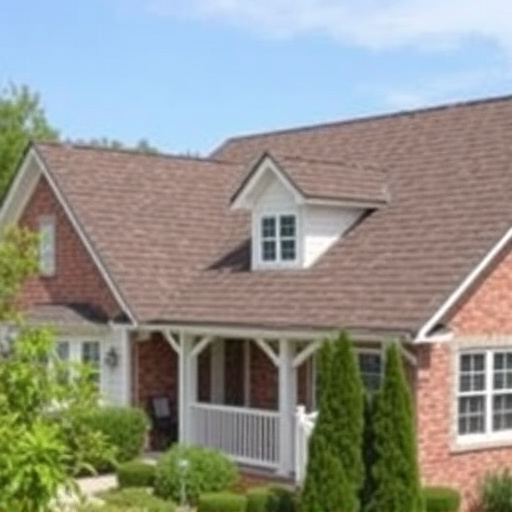
Selecting shingles that meet Homeowners Association (HOA) standards can be a crucial consideration, especially in Oro Valley, where strict design guidelines are common. This is particularly true for areas prone to high winds, like Marana, where a Class H wind rating is often required to ensure roof integrity. In hot desert climates like ours, impact resistant shingles are a smart choice, offering both durability and aesthetic appeal.
HOAs often have specific rules regarding shingle color and style, especially in master-planned communities like Saddlebrooke. When choosing shingles, refer to the HOA's design guidelines. These guidelines can influence your color selection and help you avoid costly fines or replacement expenses. Some HOAs may prefer a neutral, earth-toned color palette to blend with the surrounding environment, while others might encourage vibrant, contrasting shades for a more visually appealing community.
DC Roofing of Arizona, a local roofing contractor, advises clients to prioritize impact resistant shingles when considering long-term value and maintenance. Shingles with a Class H rating, designed to withstand high winds, are a smart investment for Oro Valley and Marana residents. This rating ensures that your roof can handle the region's unique wind patterns, reducing the risk of damage and costly repairs. When selecting shingles, remember that lighter colors reflect sunlight, helping to keep your home cooler in the desert heat. This can lead to reduced energy costs and better building performance, which aligns with the growing trend of energy-efficient roofing and potential tax incentives from the IRS. Always check with your local building department and HOA for specific requirements to ensure compliance and avoid future headaches.
Impact-Resistant Shingles: Natural Heat Solutions
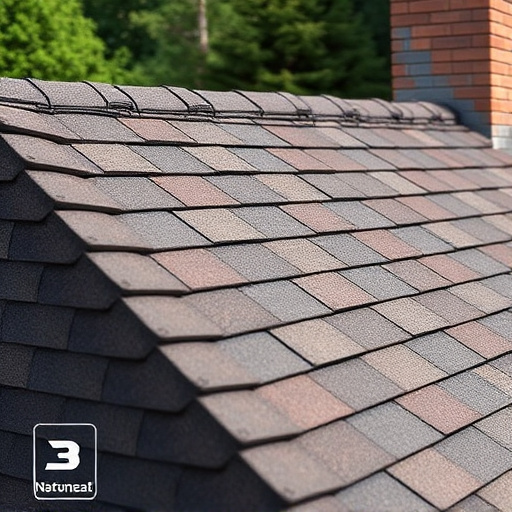
Choosing the right shingle color for an Oro Valley roof not only impacts the curb appeal but also the structural integrity, especially when facing the region's intense desert heat. When considering options, homeowners and property managers should turn their focus to impact-resistant shingles. These shingles aren't just designed to withstand extreme temperatures; they also offer superior protection against UV exposure, a common concern in arid climates. The constant UV radiation can cause traditional shingles to weaken, leading to granule loss and, eventually, the need for premature replacement.
Impact-resistant shingles are engineered to handle the unique challenges of desert environments. They often incorporate proprietary materials and designs that protect against extreme temperatures, while also resisting damage from wind, hail, and other natural elements. A local roofing company serving Oro Valley might recommend shingles with a higher asphalt content, which can better withstand UV degradation, or those with a specialized top layer that reflects sunlight, reducing heat transfer to the roof deck. This not only extends the shingle lifespan but can also lead to significant energy savings, as a cooler roof reduces the load on cooling systems.
When selecting impact-resistant shingles, it's crucial to consider the specific requirements of your area, as well as the design guidelines set by the Southern Arizona Homeowners Association (SAHOA). While these shingles offer superior durability, they may still need to pass through an architectural review, especially for more unique styles. Homeowners should consult with their roofing contractors and material suppliers to ensure compliance with local building codes and HOA rules. Lighter-colored shingles reflect more sunlight, helping to mitigate the urban heat island effect, but they may be subject to faster aging from UV exposure compared to darker options. Therefore, the choice of color should also consider the roof's long-term aesthetic appeal.
Local Regulations and Your Shingle Choices
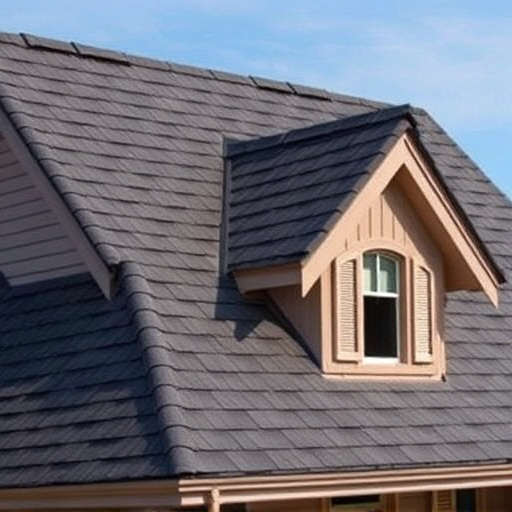
Choosing the right shingle color for your Oro Valley roof not only impacts the curb appeal of your home but also plays a crucial role in protecting your investment under the intense desert sun. Beyond the aesthetic, you must consider local regulations, particularly those set by the Southern Arizona Homeowners Association (SAHOA) in Rancho Vistoso and Marana communities.
In these areas, homeowners face specific guidelines when selecting roofing materials, with a strong emphasis on energy efficiency and impact resistance. Many HOA rules require dark-colored shingles to absorb heat less, thereby reducing energy costs. However, an experienced Oro Valley roof specialist recommends going beyond color to ensure the shingles are rated for high-temperature environments and have impact resistance, especially in areas prone to extreme weather events. This dual consideration ensures your roof not only looks good but also performs optimally under the harsh desert conditions.
When navigating these requirements, it's essential to consult both local building codes enforced by the Oro Valley Building Department and the specific design guidelines of your HOA. For three-tab shingles, which are popular for their low-maintenance and affordable nature, ensure they're certified for high-wind and impact resistance. This attention to detail can prevent costly repairs down the line, as many insurance companies offer tax incentives for energy-efficient and impact-resistant roofing.
Remember, maintaining a roof in a desert climate requires a unique balance of aesthetics, functionality, and compliance. By understanding local regulations and choosing impact-resistant shingles that align with these standards, you can protect your home's value while ensuring your roof stands the test of time under the desert heat.
Frequently Asked Questions About advice on choosing shingle colors that handle desert heat and HOA rules
What are the best shingle colors for a desert climate?
In desert regions like Oro Valley, dark-colored shingles can absorb less heat, helping to keep your home cooler. However, light-colored shingles reflect sunlight, which can also reduce heat absorption. The best choice depends on your home's orientation, roof pitch, and nearby vegetation. DC Roofing of Arizona, a licensed Oro Valley area roofing contractor, recommends consulting with a professional to determine the most suitable color based on your specific circumstances.
Do I need to consider my Homeowners Association (HOA) rules?
Absolutely. Many HOAs have specific guidelines regarding exterior color palette. Before making a selection, review your HOA's design guidelines or contact them directly to understand any restrictions on shingle color and style. Failure to comply with HOA rules could result in costly fines or required color changes.
How long does it take to install new shingles?
Most roofing installations in Oro Valley take one to two days, depending on the roof's size and complexity. The process involves removing the existing shingles, inspecting the roof decking, installing underlayment, and then applying the new shingles. Allow enough time in your schedule for this project.
Are there any energy efficiency benefits to choosing the right shingle color?
Yes, in regions with hot, sunny climates like Oro Valley, lighter-colored shingles can help reduce energy costs. They reflect sunlight, which can lower roof temperatures and subsequently decrease the need for air conditioning. This is an important consideration for long-term energy savings.
What warranty should I look for when buying shingles?
When selecting shingles, look for products with comprehensive warranties that cover both material and labor. A reputable roofing contractor like DC Roofing of Arizona will provide information on the warranties they offer. A strong warranty protects your investment and ensures peace of mind.
How often do I need to replace my shingles?
Shingle lifespan varies depending on the quality of the product and installation. In general, you can expect them to last 20 to 30 years. Regular inspection by a professional roofer can help identify signs of wear and tear. DC Roofing of Arizona offers maintenance services to ensure your roof remains in top condition.
Choosing the right asphalt shingles for your Oro Valley home involves understanding the unique challenges posed by the desert climate and adhering to local HOA rules. By prioritizing impact-resistant shingles, you can mitigate the effects of extreme heat, wind, and potential storms. This article has highlighted the importance of considering factors like granule loss, curling, and cupping, which can shorten shingle lifespans in such conditions.
HOA guidelines play a crucial role in your roofing decisions, dictating color, style, and even underlayment choices. Understanding these rules is essential to avoid costly fines and disputes. When selecting shingles, remember that light-colored options reflect heat better, helping to keep your home cooler.
In Oro Valley, local building codes and regulations further guide your shingle choices. Replacing a few damaged shingles is often more cost-effective than a full replacement, but regular inspections are crucial to catch issues early. By staying informed about these key factors and working with a licensed local contractor, you can ensure your roof stands the test of time, protecting your home and investment.
In Oro Valley's desert climate, choosing impact-resistant shingles is crucial for both roof longevity and HOA compliance. Consider:
- Heat & UV Exposure: Shingles designed to handle intense desert heat and UV radiation, extending lifespan and preserving aesthetics.
- HOA Guidelines: Strict design rules in communities like Saddlebrooke and Rancho Vistoso; check with SAHOA and local building codes.
- Wind Resistance: Class H-rated shingles recommended for wind-prone areas like Marana, ensuring roof integrity.
- Color & Efficiency: Lighter colors reflect sunlight, reducing energy costs, but may require faster replacement due to UV aging.
- Regular Inspections: Promptly address issues like curling or cracks to maintain roof integrity and prevent extensive damage.
By prioritizing impact-resistant shingles and adhering to HOA rules, homeowners protect their investment, ensure comfort, and preserve the beauty of their Oro Valley properties.