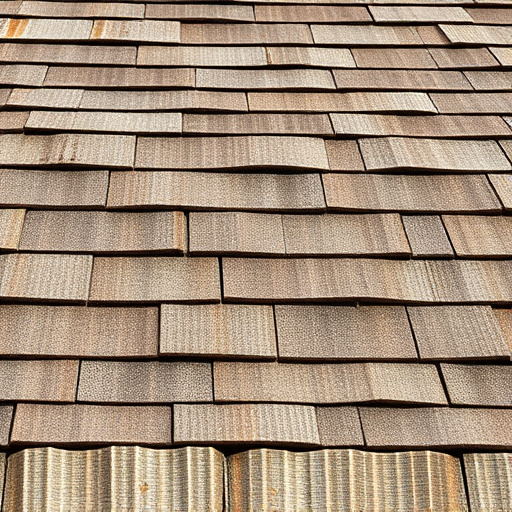
In the harsh climate of Oro Valley, where intense desert sun, scorching heat, and powerful monsoon winds are the norm, a homeowner's roof is their first line of defense against the elements. Asphalt shingles, a popular choice for their affordability and versatility, must withstand these challenges to maintain a home's integrity. This article examines the specific issues faced by asphalt shingles in such an environment, from granule loss and curling to the impact of high winds and intense sunlight. We'll explore how these issues are addressed, offering practical insights into when to repair, when to replace, and how to navigate local regulations, including HOA shingle color rules, to ensure a durable and aesthetically pleasing roof.
- Understanding Shingle Degradation in Arid Environments
- The Impact of Desert Sun on Shingle Color and Durability
- Monsoon Wind and Shingle Integrity: A Practical Guide
- HOA Shingle Color Rules: Balancing Aesthetics and Performance
Understanding Shingle Degradation in Arid Environments
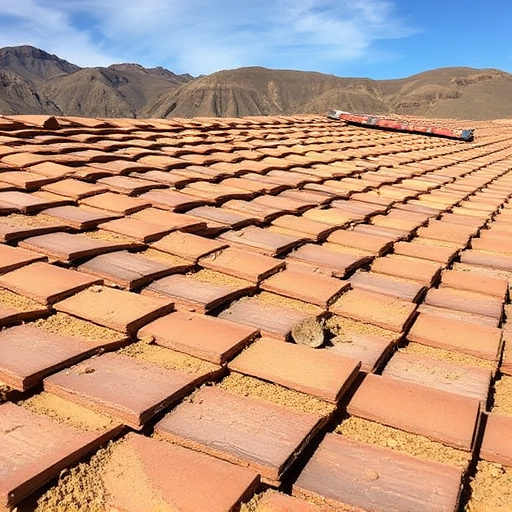
Understanding how shingles hold up in Oro Valley's arid environment is crucial for any homeowner. Shingles are designed to withstand the region's extreme heat, intense sunlight, and powerful monsoon winds. However, these conditions can still lead to degradation over time, impacting both the shingles' appearance and structural integrity.
One key factor is the color of the shingles. According to the Southern Arizona Homeowners Association (SAHOA) design guidelines, lighter-colored shingles reflect sunlight better, reducing heat absorption. This can be particularly beneficial in the hot, desert sun. Darker shingles, while aesthetically pleasing, may contribute to a warmer roof temperature, potentially affecting energy efficiency. The SAHOA's shingle color charts offer a range of options, allowing homeowners to balance aesthetics and performance.
The choice of underlayment can play a crucial role in protecting the roof. Synthetic underlayments, for instance, offer enhanced water resistance and can help prevent granule loss from high winds. A licensed Arizona roofer recommends using these underlayments in areas prone to strong winds and monsoon storms. Proper installation techniques, such as ensuring adequate ventilation and using drip edges to direct water away from the roof, are essential for long-term protection. An HOA architectural review may be necessary to ensure these practices meet local building codes and HOA rules.
The Impact of Desert Sun on Shingle Color and Durability
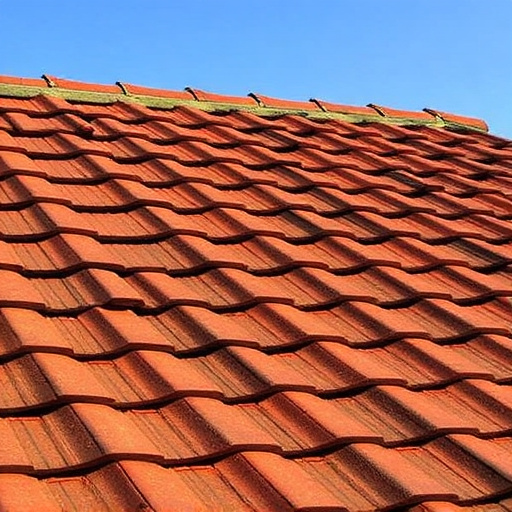
The impact of the desert sun on asphalt shingles is a critical consideration for homeowners in Oro Valley, especially when navigating HOA shingle color rules. The intense, direct sunlight can affect the color and durability of shingles over time, particularly in the region's hot, dry climate. This is a key factor in choosing the right roofing material and maintaining your home's value.
Shingles exposed to constant UV radiation from the desert sun may experience a gradual fading or discoloration. This is more pronounced in darker-colored shingles, which absorb more heat. According to industry experts, ENERGY STAR-rated shingles, designed to reflect heat and reduce cooling costs, can be particularly susceptible to color changes. To mitigate this, many homeowners opt for lighter-shaded shingles, which can help prevent premature fading. The Southern Arizona Homeowners Association (SAHOA) provides guidelines on acceptable shingle colors, balancing aesthetic preferences with practical considerations.
The heat itself can impact shingles. High temperatures accelerate the breakdown of the shingle's material, especially when combined with monsoon winds. This can lead to issues like curling, cupping, or even granule loss-the tiny granules that protect the shingle's surface. To enhance durability, many roofing contractors in Oro Valley and Marana recommend installing ice and water shields under the shingles. These protective layers act as a barrier against the elements, slowing down the aging process and extending the lifespan of the roof. Regular maintenance, including checking for loose or damaged shingles, is also crucial to ensuring the roof holds up against the demanding desert conditions.
Monsoon Wind and Shingle Integrity: A Practical Guide
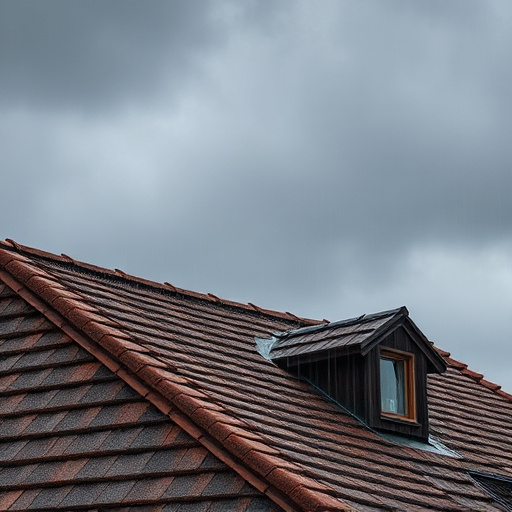
The monsoon winds that sweep through Oro Valley present unique challenges to any roofing system. Shingles, in particular, must withstand not only the intense desert sun and heat but also the powerful gusts that can reach over 60 mph during a typical summer storm. This combination of factors can lead to significant wear and tear, impacting the integrity and longevity of a roof.
One of the most visible effects of monsoon wind on shingles is the curling and cupping that can occur. These issues are often a result of excessive wind load and thermal cycling-the expansion and contraction of materials due to temperature changes. Shingles designed for lower wind regions may not have the strength or flexibility required to resist the persistent wind patterns of the desert. To mitigate these problems, homeowners in Oro Valley should consider opting for wind-rated shingles, which are designed and tested to withstand higher wind speeds. The Southern Arizona Homeowners Association (SAHOA) provides guidelines on appropriate roofing materials, including specific recommendations for wind resistance based on local climate patterns.
Maintaining proper ventilation is crucial to protecting shingles from the extreme conditions of the desert summer. Ridge vents, strategically installed along the peak of the roof, allow for the escape of hot, moist air, reducing the risk of blistering and other weather-related damages. Using synthetic underlayment as a barrier between the shingles and the deck can provide an extra layer of protection against wind-driven debris and moisture infiltration. A local roofing company serving Oro Valley often recommends these measures as part of a comprehensive roof maintenance plan, ensuring that homes remain shielded from the harsh elements. By adhering to HOA shingle color rules and incorporating these practical strategies, Oro Valley homeowners can significantly enhance the durability of their roofs during the demanding monsoon season.
HOA Shingle Color Rules: Balancing Aesthetics and Performance
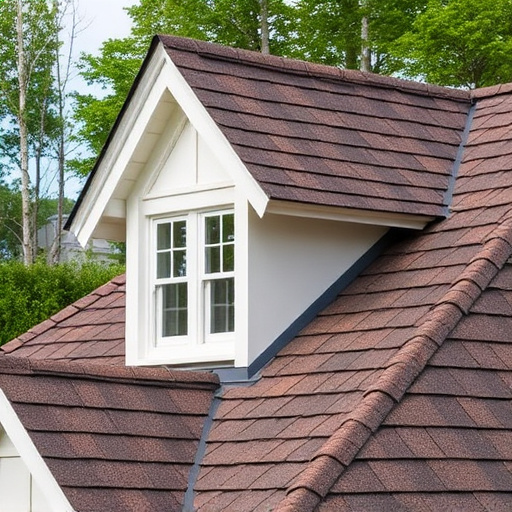
Oro Valley's strict Homeowners Association (HOA) rules on shingle color may seem like a cosmetic concern, but they significantly impact both the look and longevity of your roof. Shingles are the exterior skin of your home, protecting it from the harsh desert sun, searing heat, and powerful monsoon winds. Balancing aesthetic preferences with performance requirements is crucial for a roof that looks good and stands the test of time.
HOA shingle color guidelines are designed to maintain a cohesive and desirable community look while considering the unique challenges of the local climate. The rules often favor darker colors, which absorb heat more efficiently, helping to cool your home. This is particularly important in Oro Valley's sunny climate. Lighter colors reflect sunlight, potentially reducing heat gain, but they may also be more prone to granule loss from intense UV exposure over time.
When selecting a shingle color, consider a few key factors:
-
Wind Resistance: Oro Valley's Class H wind rating requires shingles capable of withstanding speeds up to 120 mph. Ensure the shingles you choose meet or exceed this standard for optimal protection against powerful monsoon winds. Fiberglass mat, a crucial component in modern shingles, contributes to their strength and wind resistance.
-
Underlayment: The protective layer beneath the shingles matters in preventing leaks and protecting against extreme weather. Choose a high-quality underlayment that complements your chosen shingle color and ensures adequate ventilation, a key factor in preventing blistering during the summer heat.
-
Longevity and Maintenance: Consider the expected lifespan of the shingles and the effort required for maintenance. Some colors may be more prone to staining from algae and dust, requiring more frequent cleaning. DC Roofing of Arizona, a local Oro Valley roofer, recommends regular inspection and maintenance to ensure your roof remains in top condition.
By adhering to HOA guidelines and incorporating these practical considerations, you can ensure your Oro Valley roof not only meets community standards but also performs optimally in the face of desert conditions.
Frequently Asked Questions About an Explainer on How Shingles Hold Up to Desert Sun, Heat and Monsoon Wind
What are the unique challenges of maintaining a roof in a desert climate?
Living in a desert region like Oro Valley presents specific challenges for roofing. Intense sunlight, high temperatures, and frequent, powerful monsoon winds can accelerate the deterioration of shingles. UV radiation from the sun can break down the asphalt or ceramic in shingles, causing cracking and loss of sealant. High winds can lift and tear off shingles, especially if they're not properly secured or if the roof is poorly designed. Heat can also cause shingles to expand and contract, leading to loose or damaged connections over time.
How do desert-rated shingles differ from standard shingles?
Desert-rated or desert-specific shingles are designed to withstand the harsh conditions of arid climates. These shingles often incorporate UV-resistant materials and thicker, more durable backing. They may also have better sealing properties to resist wind damage. Unlike standard shingles, which might last 15-30 years, desert-rated shingles can last 30-40 years or more under these conditions, making them a smart investment for homeowners in Oro Valley.
What installation steps are crucial for ensuring shingles withstand desert conditions?
For optimal performance, proper installation is key. This includes ensuring a solid, level base for the roof, using high-quality fasteners to secure shingles, and adding underlayment for extra protection. Professional installation is highly recommended. Contractors experienced in Oro Valley's unique conditions will ensure your roof is sealed properly against both wind and water, and they'll follow best practices for attaching shingles to withstand intense sunlight and heat.
How often should I have my desert roof inspected?
Regular inspections are crucial. At least once a year, a qualified roofing professional should assess your roof for signs of wear and tear, especially in areas vulnerable to desert damage like vents, valleys, and edges. Early detection of issues can prevent costly repairs down the line. Keep in mind: Monsoon season (typically June to September) brings increased wind and rain, making timely inspections even more important during these months.
What should I do if my shingles show signs of damage?
If you notice any cracks, missing shingles, or areas where sealant has failed, contact a licensed roofer immediately. Prompt repair can prevent further damage and ensure your home remains protected. DC Roofing of Arizona, a local Oro Valley contractor, can assess and fix any issues, ensuring your roof remains in top condition.
Are there any maintenance tips I can do myself to protect my desert roof?
Regular cleaning can help maintain the performance of your shingles. Use a soft-bristled brush and mild detergent to remove dust, dirt, and debris from your roof. Avoid using high-pressure washers, which can damage shingles. Also, keep gutters clear to prevent water damage and ensure proper drainage away from your home.
As we've explored the challenges and considerations for asphalt shingles in Oro Valley's arid climate, several key insights emerge. First, the intense desert sun can significantly impact shingle color and durability over time, with dark shingles absorbing more heat and potentially leading to increased granule loss. Shingle lifespan in such conditions is a critical factor, with manufacturers providing expectations for different climates, including the specific demands of the Oro Valley environment.
Monsoon winds pose another challenge, testing the integrity of shingles and sometimes leading to issues like curling, cupping, or blow-off, especially on roofs with low slopes. Proper installation, including the use of suitable underlayments and nail pops, is crucial for resisting these forces.
HOA shingle color rules play a significant role in balancing aesthetic preferences with practical performance. By adhering to these guidelines, homeowners and local roofing contractors in Oro Valley can ensure that roofing choices not only enhance curb appeal but also withstand the region's unique climate and environmental factors.
Understanding how shingles hold up to desert sun, heat, and monsoon wind is paramount for any homeowner or contractor in Oro Valley. By considering the insights and practical guidelines presented here, you can make informed decisions, ensuring your roof remains a reliable barrier against the elements for years to come.
In Oro Valley's desert environment, shingles must withstand intense sun, heat, and monsoon winds. Lighter colors reflect sunlight, reducing heat absorption but potentially increasing granule loss. HOA guidelines often favor darker colors for aesthetic consistency, but they absorb more heat. Shingle durability depends on wind resistance, underlayment choice, and proper installation. Regular maintenance, including checking for loose or damaged shingles, is crucial. By adhering to HOA rules and considering color, wind resistance, underlayment, and maintenance, homeowners can ensure their roofs perform optimally in challenging conditions.