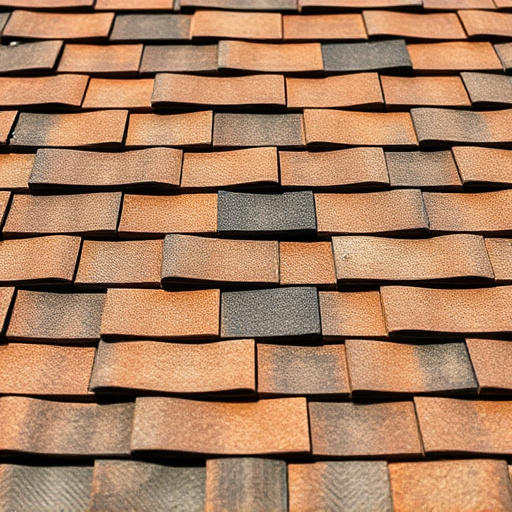
Shingle repairs are a crucial aspect of maintaining your Oro Valley roof, addressing issues that can compromise its integrity and longevity. From minor problems like lifted tabs to significant concerns like granule loss, these defects can signal a range of issues, from exposure to harsh desert sunlight to damage from high winds and storms. Homeowners in Oro Valley, guided by local regulations like HOA shingle color rules, must be vigilant in monitoring their roofs and understanding the best repair strategies, from simple fixings like nail pops to more involved replacements, to ensure their homes remain sheltered and valued assets. This guide provides expert insights into these repairs, empowering you to make informed decisions.
- Identifying Shingle Damage: Lifted Tabs & Granule Loss
- Understanding HOA Color Rules for Shingle Repairs
- Repairing Lifted Tabs: Step-by-Step Guide & Tips
- Addressing Granule Loss: Prevention, Solutions, and Maintenance
Identifying Shingle Damage: Lifted Tabs & Granule Loss
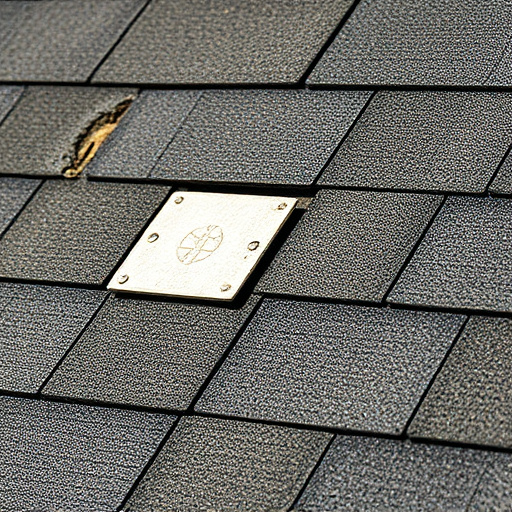
Identifying shingle damage is a crucial step in maintaining a robust and aesthetically pleasing roof. Two common issues that homeowners in Oro Valley and Marana often encounter are lifted tabs and granule loss, both of which can compromise the effectiveness of your roof. Lifted tabs, for instance, occur when individual shingles shift away from the underlayment, exposing the roof deck and allowing water to seep in. This problem is often exacerbated by strong monsoon winds, which can rip tabs loose, especially on older roofs or those with weaker adhesives.
Granule loss, on the other hand, refers to the deterioration of the protective granules on the surface of asphalt shingles. These granules, made of crushed rock, protect the shingle from UV rays and weather damage. As they wear off, the shingles become more vulnerable to heat, sunlight, and moisture, leading to curling, cracking, and eventual failure. Granule loss can be caused by a variety of factors, including aging, exposure to harsh weather conditions, and improper installation, such as using subpar shingles or failing to apply adequate adhesive.
To address these issues, homeowners should regularly inspect their roofs, paying close attention to any signs of damage. The Southern Arizona Homeowners Association (SAHOA) provides guidelines for roofing materials, including shingle color charts, that can help homeowners choose durable and complementary options. When repairing, it's crucial to replace missing or damaged shingles entirely, ensuring proper alignment and sealing. A roofing contractor serving Oro Valley and Marana might recommend using impact-resistant shingles or those rated for high winds to better withstand the local climate. Proper ventilation and underlayment choices can mitigate issues like blistering in the summer heat and granule loss, extending the lifespan of your roof.
Understanding HOA Color Rules for Shingle Repairs
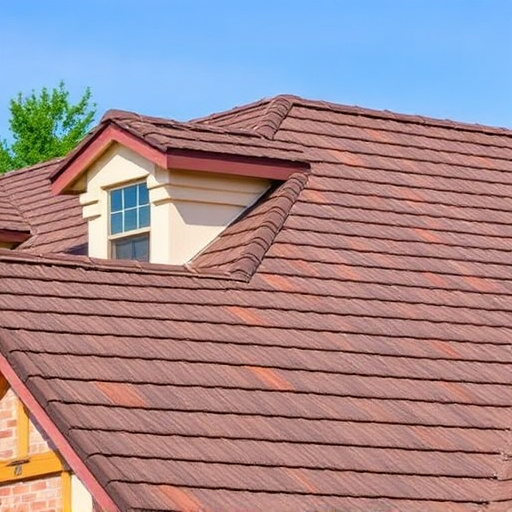
In Oro Valley, homeowners association (HOA) guidelines play a crucial role in any shingle repair or replacement project. These rules govern the color and style of shingles permitted, ensuring a cohesive aesthetic throughout the community. The HOA in Rancho Vistoso may have specific color charts and guidelines that dictate the type and shade of shingles allowed, especially in common areas. Understanding these rules is essential for any homeowner considering shingle repairs, as non-compliance can result in fines or requirements to rectify the issue.
When repairs are needed, homeowners should consult the HOA's design guidelines to ensure the chosen shingles align with the community's standards. The guidelines often specify the minimum Class H wind rating for shingles, a critical factor in Oro Valley's exposed environment, where strong winds and UV exposure can accelerate shingle wear and tear. Shingles that meet or exceed this rating are designed to withstand harsher conditions, reducing the need for frequent repairs. The local HOA might require shingles rated for at least 120 mph winds, a standard that many manufacturers' high-end products meet.
HOA color rules also extend to details like starter strips and ridge caps, ensuring these elements complement the overall roof design. Shingle brands and colors can vary significantly, so it's wise to check with the HOA before making a selection. DC Roofing of Arizona, a licensed Oro Valley contractor, often assists clients in navigating these rules, providing expert advice on compatible shingle options. They understand that while adhering to HOA guidelines is crucial, it's also essential to balance functionality and aesthetics, especially when dealing with granule loss or curled and cupped shingles, common issues in the desert climate.
Homeowners should be aware that some HOAs may have specific requirements for repairing minor issues like lifted tabs or granular loss. A repair might involve replacing a few missing granules or securing loose tabs, a process that can be addressed without full shingle replacement. In such cases, using the same or similar shingle type ensures the repaired area blends seamlessly with the rest of the roof. Regular inspection and prompt action can help extend the lifespan of the roof, reducing the need for major repairs and the associated costs.
Repairing Lifted Tabs: Step-by-Step Guide & Tips
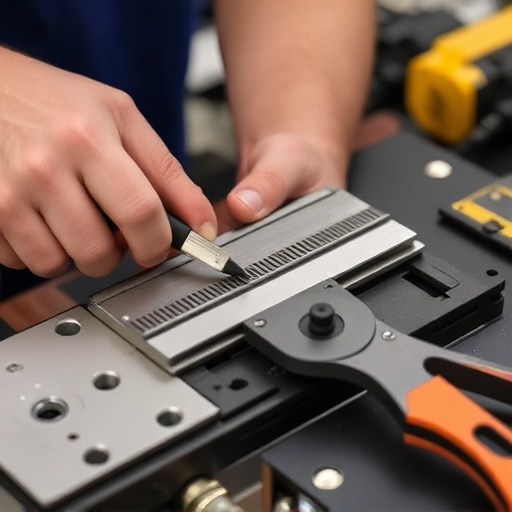
Reparing lifted shingles is a common task for homeowners and roofing professionals alike, especially in Oro Valley's windy conditions. This step-by-step guide focuses on correcting lifted tabs, a common issue that can be both functional and aesthetically problematic.
First, assess the extent of the damage. Lifted tabs often appear as curled or cupped shingles, especially along the edges or in areas exposed to direct wind, such as roofs with a Class H wind rating. The Oro Valley Building Department recommends regular inspections to identify these issues early. Once identified, prompt action is key. Delays can lead to more severe problems, including granule loss and, in extreme cases, roof leaks.
Step 1: Prepare the Area Clear a safe work area around the damaged shingles. Remove any debris, and if necessary, tape off nearby areas to prevent accidental damage or injury. Safety is paramount, so consider wearing protective gear, especially when working at heights.
Step 2: Remove the Lifted Shingle Carefully pry up the lifted tab using a putty knife or a specialized shingle removal tool. Be gentle to avoid damaging the underlying shingles or the roof underlayment. Once removed, inspect the shingle for damage or granule loss. If the shingle is beyond repair, replace it with a new one, ensuring it complies with HOA shingle color rules and local building codes.
Step 3: Replace and Secure Take a new shingle, ensuring it matches the existing material as closely as possible, and position it beneath the adjacent tabs. Apply a thin layer of roofing adhesive or hot asphalt to the back of the shingle and press it firmly into place. Use a drip edge to ensure proper drainage and prevent water damage. Finally, secure the shingle with a nail, following the manufacturer's recommendations for nailing patterns.
Many modern shingles require fewer nails due to their design and underlayment, whereas older styles might need more. In Marana, local roofing contractors often recommend a balanced approach, using enough nails to keep the shingle secure without overt tightnness that could lead to curling. Consistent nailing patterns, combined with proper ventilation, contribute to a durable roof that stands the test of Oro Valley's climate.
Addressing Granule Loss: Prevention, Solutions, and Maintenance

Addressing Granule Loss: Prevention, Solutions, and Maintenance
Granule loss, a common issue in the arid climate of Oro Valley, can significantly impact the lifespan and performance of your asphalt shingle roof. Granules, the small aggregate embedded in the shingle's surface, protect against UV damage and provide a reflective layer that helps regulate roof temperature. Over time, exposure to intense sunlight, high winds, and environmental factors can cause these granules to wear off, exposing the underlying asphalt mat. This not only reduces the roof's effectiveness as a weather barrier but also accelerates its overall deterioration.
Prevention is key for granule loss. High-quality, wind-rated shingles, such as those with a Class H wind rating, are an excellent first line of defense. These shingles are designed to withstand extreme wind speeds, ensuring that the granules remain securely attached during storms and high winds. Using a synthetic underlayment beneath the shingles can provide a secondary barrier against moisture intrusion and help seal any gaps, further protecting against granule loss.
When granule loss does occur, prompt action is essential. Minor granule loss may not require immediate replacement, but it's crucial to inspect the entire roof for damage. DC Roofing of Arizona recommends periodic professional roof checks, especially in areas with intense sunlight and strong winds. If the loss is limited to a few shingles, replacing them can be a cost-effective solution. However, if the damage is extensive, it might be more feasible to lay down new shingles over the existing ones, provided the underlayment is in good condition. This method, known as "shingles over old shingles," can extend the life of your roof while addressing the granule loss issue.
HOA shingle color rules should also be considered when repairing granule loss. While the primary concern is functionality, some HOAs have guidelines regarding aesthetic appeal. Ensure that any replacement shingles or patches match the existing color and style to maintain the roof's uniformity and avoid potential HOA fines. Regular maintenance, including cleaning the roof to remove algae and stains, and checking for nail pops or curling and cupping shingles, can help prevent future granule loss and prolong the life of your Oro Valley roof.
Frequently Asked Questions About a guide to shingle repairs, from lifted tabs to granule loss
What are the most common causes of lifted shingles? Shingles can lift due to several factors, primarily related to installation, environmental conditions, and age. Improper installation, such as inadequate nailing or improper shingle alignment, can cause them to curl or lift. Extreme temperatures, high winds, and exposure to UV radiation also contribute to this problem. As shingles age, they become more susceptible to lifting, especially if they've been damaged by hail or other debris.
How do I know if my shingles need replacing? Examine your shingles for any signs of damage, such as missing granules, cracks, or blisters. If you notice lifted or curled shingles, this indicates a potential problem. Also, keep an eye out for dark spots or mold growth, which can signal moisture intrusion. If you see any of these issues, it's advisable to contact a professional roofer for an inspection and guidance on repairs or replacement.
What are granule losses, and how do they occur? Granule loss refers to the dislodging of small, granule-sized pieces from the surface of shingles. This often happens due to physical impact, such as from hail or debris, or from prolonged exposure to UV radiation, causing the shingles to dry out and weaken. Over time, this can lead to the loss of protective granules, making the shingles more susceptible to damage and degradation.
Can I repair lifted shingles myself, or should I hire a professional? While some minor repairs can be done by homeowners, lifted shingles often require professional attention. Attempting to fix them yourself could lead to further damage or an improper repair that may compromise the roof's integrity. A licensed roofer has the expertise and tools to safely and effectively address lifted or curled shingles, ensuring the repair is done correctly and lasts.
What is the best way to prevent shingle damage? Regular maintenance and proper installation are key to preventing shingle damage. Ensure your roof is installed with adequate ventilation to regulate temperature and humidity levels. Keep an eye out for any signs of damage and address them promptly. Using impact-resistant shingles, especially in areas prone to hail, can also significantly reduce the risk of granule loss and lifted tabs.
Understanding the unique challenges of maintaining asphalt shingles in Oro Valley's desert climate is key to effective roofing repairs and longevity. By addressing issues like lifted tabs and granule loss promptly, homeowners can prevent more severe damage and costly replacements. Following the guidelines provided, especially those outlined by the local HOA regarding shingle color rules, ensures both aesthetic harmony within the community and optimal energy efficiency. Regular maintenance, including checking for nail pops, algae stains, and proper ventilation, can significantly extend the lifespan of your roof. With these practical tips and an awareness of local regulations, Oro Valley residents can ensure their homes remain protected from the elements while making informed decisions about shingle repairs and replacements.
Oro Valley homeowners face common roof issues like lifted tabs (shingles shifted from underlayment) and granule loss (shingle surface wear). HOA guidelines govern shingle color and style, fines possible for non-compliance. Regular inspection and prompt action crucial for maintenance.
Key Takeaways:
- Identify Problems: Lifted tabs, granule loss common; inspect for signs.
- HOA Rules: Adhere to color and style guidelines for consistency.
- Repairs: Replace missing/damaged shingles entirely; consider class H wind ratings.
- Maintenance: Prevent granule loss with quality shingles, synthetic underlayment; clean roof regularly.
- When to Replace: Minor granule loss may be reparable; extensive damage requires new shingles.