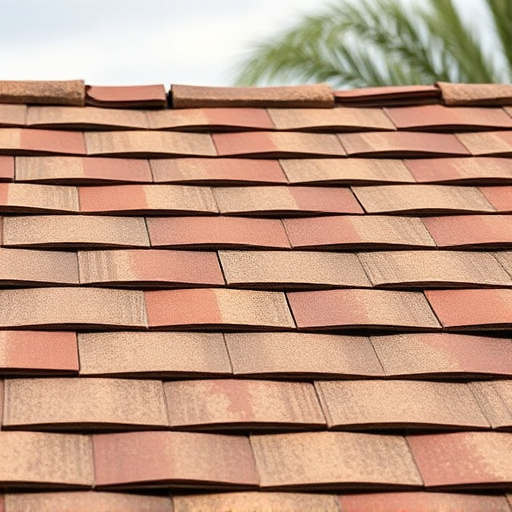
In Oro Valley, a homeowner's roof is more than just a protective shield; it's a critical component of energy efficiency, curb appeal, and property value. Understanding the costs of shingle roofs and the factors that influence them is essential for any homeowner. The complexity of this topic is often a barrier, with factors like shingle type, local climate, and labor costs playing a role. This article provides a plain-language, expert-driven look at what drives shingle roof costs, focusing on practical insights and practical advice, including the benefits of cool roof shingles in our desert climate. By the end, you'll be equipped to make informed decisions about your roof's health and wallet's impact.
- Understanding Shingle Roof Costs: Factors at Play
- Material Matters: Types of Shingle Options
- Cool Roof Shingles Naturally: Energy Efficiency Strategies
- Local Factors: Installation and Maintenance Costs
Understanding Shingle Roof Costs: Factors at Play
Understanding Shingle Roof Costs: Factors at Play
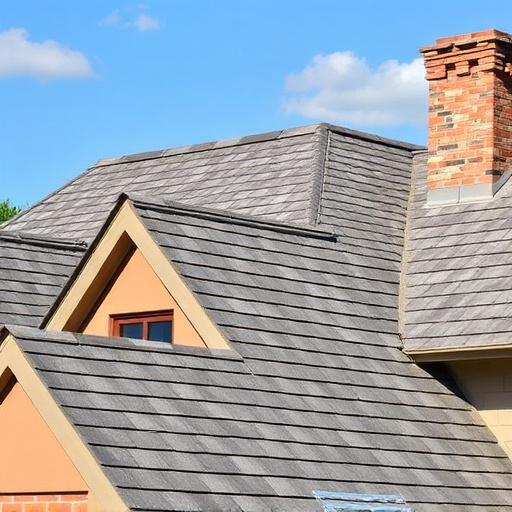
Shingle roof costs in Oro Valley, Arizona, can vary significantly based on several key factors. When considering a new roof or looking to replace old shingles, homeowners should understand these influences to ensure they're making informed decisions. First, the type of shingles plays a crucial role. Architectural shingles, known for their superior appearance and durability, tend to be more expensive than three-tab shingles. In Oro Valley's desert climate, where high temperatures and intense sunlight can cause shingles to degrade faster, choosing long-lasting, ENERGY STAR-rated shingles or those with a Class 4 impact rating can be particularly beneficial.
Another major factor is the size and complexity of the job. Replacing a few missing or damaged shingles is a relatively straightforward process, while reroofing an entire home involves more labor and materials. In Marana, as in Oro Valley, local labor costs, as reported by the Bureau of Labor Statistics, can significantly impact the final price. The roof's pitch, or slope, affects installation difficulty. Low-slope roofs require specialized equipment and techniques, driving up costs. Homeowners should also be aware of local building codes and regulations, which can dictate the types of shingles and underlayments used, potentially adding to overall expenses.
The choice of roofing materials and underlayments can also drive costs. High-quality, impact-resistant shingles, for instance, often come with better warranties but carry a higher price tag. Similarly, premium underlayments, which provide an extra layer of protection against moisture and pests, contribute to the overall cost. An experienced Oro Valley roof specialist can offer guidance on balancing quality, durability, and budget. They can also help navigate local regulations and ensure the roof not only looks great but also performs optimally in the region's unique climate conditions.
Material Matters: Types of Shingle Options
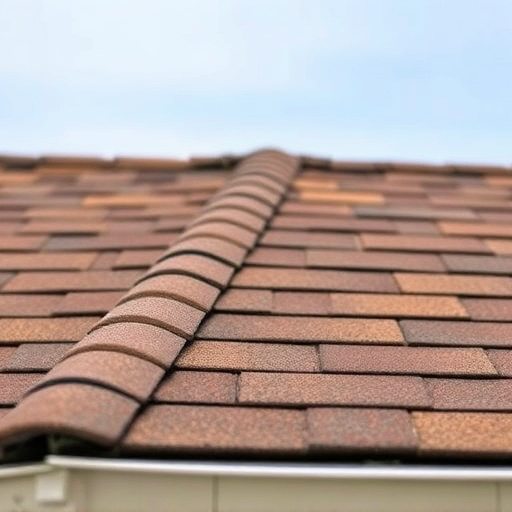
Shingle roof materials play a significant role in determining the cost and functionality of your Oro Valley roof. When considering options, understanding the differences between architectural and three-tab shingles is crucial. Architectural shingles, known for their distinct look and durability, tend to be more expensive than their three-tab counterparts. They offer better wind resistance, often rated Class H, and enhanced aesthetic appeal. In Oro Valley's desert climate, where winds can reach high speeds, a strong wind rating becomes essential, as it ensures the shingles remain securely fastened during storms.
The lifespan of your shingles is also influenced by material choices. Shingles exposed to intense desert heat may experience granule loss over time, impacting their protective properties. Cool roof shingles, designed to reflect sunlight and reduce heat absorption, can extend the life of your roof in these conditions. They are coated with reflective materials that minimize heat transfer, potentially lowering energy costs.
The local Homeowners Association (HOA) may have architectural guidelines regarding shingle selection. An HOA architectural review is often required for new installations or significant alterations, ensuring the chosen shingles align with the community's aesthetic standards. For homeowners looking to replace only a few missing or damaged shingles, knowing that the existing underlayment and structure are in good condition is vital. A licensed Oro Valley area roofing contractor can provide expert advice on repairing versus replacing the entire roof.
Cool Roof Shingles Naturally: Energy Efficiency Strategies
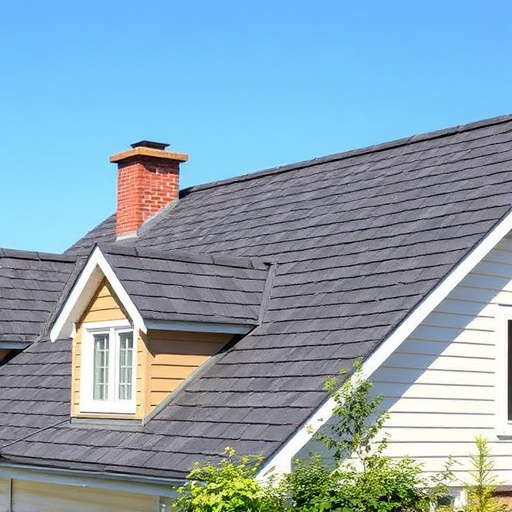
Cool roof shingles naturally play a crucial role in mitigating the intense summer heat in Oro Valley. These shingles are designed to reflect sunlight and absorb less heat, helping to keep homes cooler and reducing energy consumption for air conditioning. The key to their effectiveness lies in the materials and construction techniques used, which can significantly impact overall roof costs.
One effective strategy for achieving cool roofs naturally is through the use of reflective or high-albedo shingles. These shingles are often white or light-colored, allowing them to bounce sunlight away from the building. Manufacturers like GAF and Atlas offer a range of desert-rated shingles designed for optimal performance in Oro Valley's climate. An ice and water shield can be applied under the shingles to enhance their durability and protect against granule loss, further extending the lifespan of the roof.
A roofer with an Arizona ROC license can provide expert advice on the best cool roof options for specific homes. In Rancho Vistoso, where homes are often exposed to intense sun, a reflective shingle system paired with reflective underlayment and a proper ventilation system can be highly effective. This multi-layered approach not only keeps the house cool but also prevents the buildup of excess heat, which can cause shingles to curl, cup, or blister in the desert heat. Regular maintenance, such as checking for loose nails and inspecting for signs of algae or stains, is also crucial for keeping the cool roof system functioning optimally. By implementing these energy-efficient strategies, Oro Valley homeowners can enjoy reduced cooling costs and a more sustainable roofing solution.
Local Factors: Installation and Maintenance Costs

The cost of a shingle roof in Oro Valley, Arizona, isn't a one-size-fits-all proposition. Local factors, including installation, maintenance, and the specific products chosen, significantly impact the overall price. A cool roof, designed to reflect heat and lower cooling costs, involves additional steps beyond traditional installation, adding to the cost. These roofs often incorporate special materials like reflective tiles or coated shingles, which can be more expensive than standard options.
Installation complexity plays a crucial role, too. The roof's slope, the presence of valleys, and the need for adequate ventilation all factor in. A low-slope roof, for example, may require additional underlayment and flashing to ensure leak prevention, driving up labor costs. Similarly, complex designs or repairs due to storm damage or granule loss from high winds can significantly increase installation time and expenses. Many local roofing contractors in Oro Valley offer detailed pricing structures, factoring in these variables to provide transparent estimates.
Maintenance costs are another critical aspect. Synthetic underlayment, while offering superior protection against moisture intrusion, might be more expensive than traditional paper-based options. Regular inspections and maintenance, recommended by experts from local roofing material suppliers, can also affect the long-term cost. A well-maintained roof with a drip edge to channel water away from the fascia may require less frequent repairs than one lacking these preventative measures. Remember, a local roofing company serving Oro Valley, like DC Roofing of Arizona, can offer insights tailored to your specific needs, helping you make informed decisions based on these local factors.
Frequently Asked Questions About a plain language look at shingle roof costs and what drives them
What determines the cost of a shingle roof? The price of a shingle roof depends on several factors, including the size and complexity of the job, the type of shingles chosen, labor costs in your area, and any additional services like ventilation or gutter installation. A licensed Oro Valley roofer will provide a detailed estimate after assessing your property.
How much do shingles cost? Shingle prices vary widely, from around $30 to $150 per square foot. This range depends on the material and style, with asphalt shingles being the most common and affordable option. Higher-end materials like metal or tile shingles cost significantly more.
What factors affect the cost of labor for roof installation? Labor costs vary based on regional wage differences, the complexity of the installation, and the size of the project. Local roofing contractors with an Arizona ROC license will have different rates, and larger projects will generally cost more due to increased labor requirements.
Are there any hidden costs associated with roof installation? While every effort is made to provide transparent pricing, there could be hidden costs for things like ventilation, flashing, or underlayment. Unforeseen issues like structural damage or bad weather can add to the final bill.
How long does a typical roof installation take? Most roof installations in Oro Valley take one to two days, depending on the size and complexity of the job. This includes preparing the site, removing the old roof, installing new shingles, and completing any necessary inspections.
What can I do to get the best value for my shingle roof? To get the best value, compare multiple estimates from licensed Oro Valley area roofing contractors. Choose a reputable company with a proven track record, ask for references, and ensure the work is done according to manufacturer guidelines and local building codes.
Understanding the factors driving shingle roof costs in Oro Valley is key to making informed decisions about your home's roof. The article has explored the diverse landscape of shingle options, from traditional three-tab to architectural styles, each with its lifespan and aesthetic considerations. Cool roof shingles, naturally, offer energy-efficient solutions, helping to mitigate the intense desert heat while reducing cooling costs. Local factors, such as installation labor costs and building codes, significantly impact the final price tag. Understanding these dynamics allows homeowners to budget effectively and explore options that balance cost, durability, and energy efficiency. The next step for many is to consult with local roofing contractors who can provide a cost-benefit analysis for replacement, especially in light of potential damage from storms and extreme temperatures. By leveraging the insights from this article, Oro Valley residents can confidently navigate the shingle roof market, ensuring their homes are protected with a durable, aesthetically pleasing, and energy-smart roof.
Shingle Roof Costs in Oro Valley: Key Factors and Considerations
Shingle roof prices in Oro Valley, Arizona, vary based on several factors. Key influences include:
- Shingle Type: Architectural shingles (durable, high-end appearance) cost more than three-tab shingles. ENERGY STAR-rated or Class 4 impact-rated shingles, including cool roof options, offer long-term benefits despite higher upfront costs.
- Job Complexity: Replacing a few shingles is straightforward; reroofing an entire home involves more labor and materials. Local labor costs, roof pitch (slope), and building codes impact installation difficulty and expense.
- Materials & Underlayment: High-quality, impact-resistant shingles and premium underlayments increase costs but provide better durability. An Oro Valley roof specialist can guide balancing quality and budget while ensuring compliance with local regulations.
- Cool Roof Shingles: These reflect sunlight, reduce cooling costs, and extend roof life in the desert climate.
- Local Factors: Installation complexity, maintenance costs (e.g., underlayment type), and regular inspections affect overall roof costs. A local, licensed roofer can provide tailored pricing and expert advice.