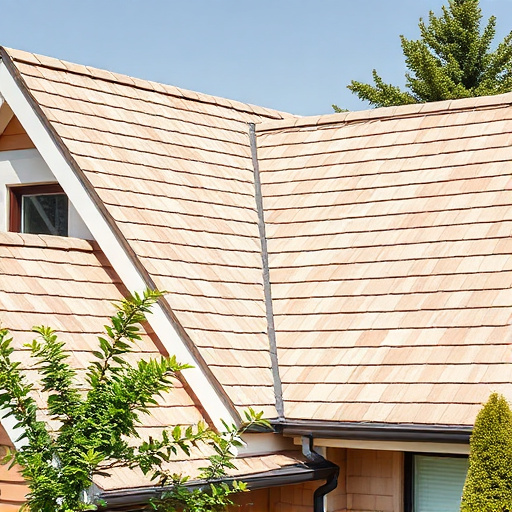
Shingle roofs are a staple in Oro Valley's climate-challenging desert environment, but they face unique issues like granule loss, curling, and blow-offs. These problems, common in both architectural and three-tab shingles, can lead to significant structural and aesthetic damage. From lifted tabs that compromise wind resistance to granule loss that reduces a roof's lifespan, these repairs are crucial for maintaining your Oro Valley home's value and protecting it from the elements. This guide examines the details of shingle repairs, offering practical advice on identifying issues, choosing the right materials, and understanding local regulations, ensuring your roof performs as expected for years to come.
- Identifying Common Shingle Damage: Lifted Tabs & Granule Loss
- Evaluating Architectural vs. Three-Tab Shingles for Repairs
- Shingle Repair Techniques: From Temporary Fixes to Permanent Solutions
- When to Replace: Full Shingle vs. Individual Tab Assessments
Identifying Common Shingle Damage: Lifted Tabs & Granule Loss
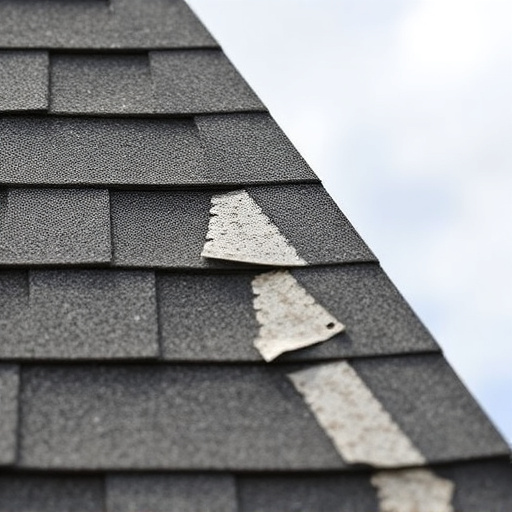
Shingle repairs are a common task for any roofing contractor in Oro Valley, especially when dealing with lifted tabs and granule loss. These issues are particularly prevalent in our region due to the intense UV exposure and extreme weather patterns. When addressing these problems, it's crucial to understand the differences between architectural and three tab shingles, as each has unique considerations.
Three tab shingles, a classic choice for many homes in Oro Valley, often face challenges related to granule loss. This occurs when the protective granules on the shingles' surface wear away, exposing the underlying asphalt. Such damage is exacerbated by UV exposure, which can cause the shingles to dry out and become brittle. Lifted tabs, on the other hand, indicate that the tabs connecting individual shingles have separated from the shingle body. This problem is commonly associated with poor installation, but it can also result from wind damage or excessive UV radiation. Homeowners may notice lifted tabs as bald spots or gaps in the shingle layer.
DC Roofing of Arizona, a licensed Oro Valley area roofing contractor, recommends a thorough inspection to identify the root cause of these issues. If granule loss is minimal, a simple re-sealing or re-nailing might suffice. However, for more severe cases or when dealing with lifted tabs, a complete shingle replacement might be necessary. When considering energy-efficient options, ENERGY STAR-rated shingles can be a smart choice, offering enhanced UV protection and potentially lowering cooling costs. For architectural shingles, careful selection of brands with proven desert-rating can extend the lifespan in our climate. Regular maintenance, including cleaning and inspection, can also help prevent these common problems and ensure a well-protected roof.
Evaluating Architectural vs. Three-Tab Shingles for Repairs
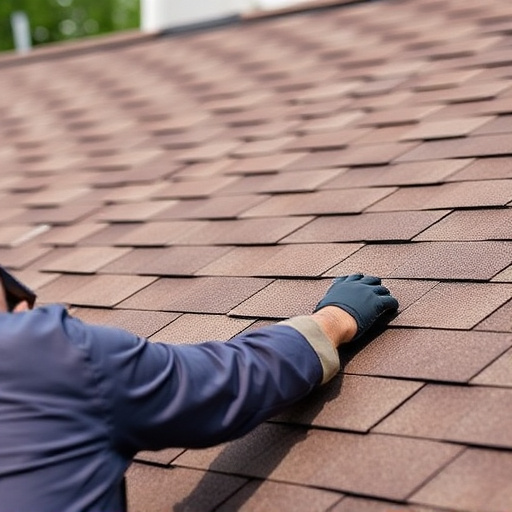
When repairing a roof in Oro Valley, the choice between architectural and three-tab asphalt shingles is crucial, especially given the region's unique climate and environmental conditions. Architectural shingles, with their superior durability and aesthetic appeal, offer a more robust solution for desert environments. These shingles are designed for longer lifespans and better withstand the harsh monsoon winds that can frequently occur in the area. ENERGY STAR-rated architectural shingles are an excellent choice for homeowners looking to reduce energy costs and improve their home's efficiency.
In contrast, three-tab shingles, while more affordable, may not be as suitable for extreme weather conditions. They tend to have a shorter lifespan and are more prone to damage from high winds, which are common during the summer monsoon season. When repairing a roof, a roofer with an Arizona ROC license will assess the existing shingles' condition, considering factors like granule loss, curling, and cupping, which can indicate the need for a complete replacement rather than individual repairs.
The decision between these two types often comes down to balancing cost and durability. Architectural shingles, while more expensive upfront, provide peace of mind with their enhanced performance against extreme weather, including hail and high winds. In areas like Oro Valley, where homes are often situated on slopes and in foothills, the additional strength and protection of architectural shingles can be invaluable. Homeowners should consider the long-term benefits and potential savings from reduced future repairs when making this choice.
Shingle Repair Techniques: From Temporary Fixes to Permanent Solutions
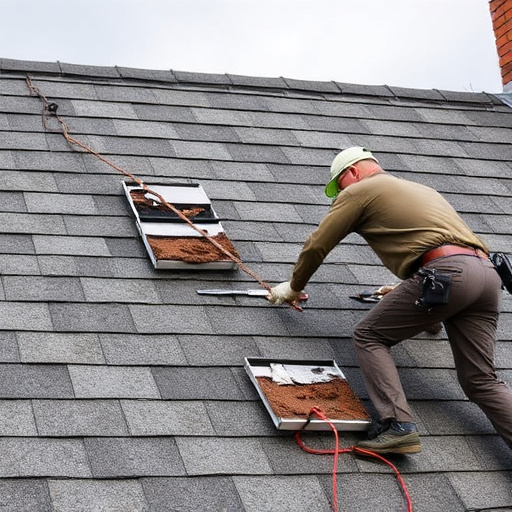
Shingle repairs are a crucial aspect of roof maintenance, especially in Oro Valley's unique climate. When addressing issues like lifted tabs, granule loss, or curled and cupped shingles, homeowners and property managers should understand the available repair techniques. The choice between architectural and three tab shingles plays a role, as does the local environment, including intense UV exposure and monsoon winds.
For minor issues like lifted tabs-shingles slightly coming loose at the edges-a simple re-nailing can often be the quickest and most cost-effective solution. This temporary fix is suitable for areas with mild weather and minimal wind. However, for more severe problems like granule loss, where shingles are disintegrating, a complete shingle replacement might be necessary. In desert regions like Oro Valley, UV exposure can accelerate shingle degradation, making regular inspections crucial.
When addressing larger issues, homeowners should consider long-term solutions. A roofing contractor serving Oro Valley and Marana recommends evaluating the root cause: is it weather damage, age, or poor installation? Curled and cupped three tab shingles may indicate weak underlayment or inadequate ventilation, which can be corrected. Impact-resistant shingles or those designed for better UV resistance can offer longer-lasting solutions, especially in areas prone to storms and strong winds.
In some cases, laying new shingles over old ones can extend the lifespan of the roof. However, this method requires careful inspection to ensure the old shingles are in good condition and properly sealed. Shingle brands and types should be chosen based on local conditions, such as monsoon winds and intense sunlight. Shingles rated for high winds and UV exposure can provide superior performance. Regular maintenance, including checking for cracked or damaged shingles after storms, is essential to catch issues early and prevent more extensive repairs.
When to Replace: Full Shingle vs. Individual Tab Assessments
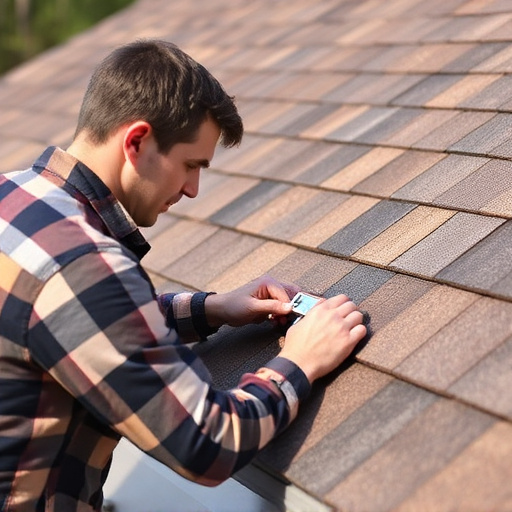
When assessing a roof for repairs, one of the critical distinctions an experienced Oro Valley roof specialist makes is between architectural and three-tab asphalt shingles. This distinction is crucial because it directly impacts the repair strategy. Architectural shingles, known for their higher durability and complex design, often require more intricate repair techniques compared to the simpler, more common three-tab shingles.
A common issue with both styles is granule loss, where the protective mineral granules on the surface of the shingles wear off over time, especially in Oro Valley's hot desert climate. While a minor loss of granules might not immediately signal a need for replacement, extensive granule loss can expose the asphalt underlayment, making the shingles more susceptible to damage from the sun, wind, and weather. For architectural shingles, granule loss might reveal underlying blisters or curls, indicating a more severe problem. In contrast, three-tab shingles may show signs of "curling" or "cupping" when the tabs lift from the underlayment, often due to wind damage or age.
In cases of granule loss or lifted tabs, a cost-benefit analysis is crucial. Replacing individual shingles is often more feasible and cost-effective than a full roof replacement, especially for older homes with three-tab shingles. A local roofing contractor might recommend repairing a three-tab roof with granule loss in several spots by replacing only the damaged shingles, a process known as spot repair. In contrast, architectural shingles with significant granule loss or severe curling might require a full replacement to maintain the roof's integrity and Class 4 impact rating, a standard for resisting hail and other high-impact weather events. This decision is informed by the roof's age, style, and the local climate, all factors an Oro Valley roof specialist considers to provide tailored, effective solutions.
Frequently Asked Questions About a Guide to Shingle Repairs, from Lifted Tabs to Granule Loss
What are the common signs of shingle damage that warrant repair? Shingle damage can manifest in various ways, including lifted tabs (shingles curling up at the edges), granule loss (where shingles lose their protective granules), and visible cracks or splits. If you notice any of these issues, especially after severe weather events, it's crucial to inspect your roof. Prompt repair can prevent further damage and water intrusion.
How do lifted tabs affect my roof's integrity? Lifted tabs in shingles can expose the underlying layers to the elements, leading to water penetration and potential structural damage. Over time, this can weaken the roof deck and increase the risk of collapse or significant repairs. Regular inspections and timely repairs are essential to maintaining a safe and secure home.
Is granule loss a serious problem? Yes, granule loss is a serious concern. Shingles' granules protect against UV damage, heavy rain, and debris. When granules are lost, the shingles become more susceptible to tearing, curling, and breaking down, reducing their effectiveness and lifespan.
How can I prevent granule loss? Regular cleaning and maintenance can help prevent granule loss. Remove debris from your roof and gutters to reduce the weight and pressure on the shingles. Ensure proper installation and use high-quality shingles that meet industry standards for durability.
What should I do if I notice cracks or splits in my shingles? Cracks and splits, especially in older shingles, are common. Minor cracks may not require immediate replacement, but larger ones can be an indication of structural issues. Consult a licensed Oro Valley area roofing contractor to assess the damage and recommend the best course of action.
How long should it take to repair a shingle-related problem? Most shingle repairs can be completed within one to two days, depending on the extent of the damage and the number of shingles affected. A licensed roofer will have the necessary tools and expertise to make the repairs efficiently.
Can I attempt DIY shingle repairs, or should I hire a professional? While some minor repairs may be suitable for DIY, more complex issues like lifted tabs, granule loss, and significant cracks should be left to a licensed professional. Shingle repair requires specialized knowledge and equipment to ensure the work is done correctly and safely.
In the Oro Valley climate, understanding the nuances of architectural versus three-tab shingles is crucial for effective shingle repairs. The article has highlighted the importance of identifying common damage, such as lifted tabs and granule loss, which can significantly impact a roof's integrity. By employing proper repair techniques, from temporary fixes to permanent solutions, homeowners can extend the lifespan of their roofs.
When deciding between replacing individual shingles or the entire roof, assessing each tab separately is key. Architectural shingles, with their enhanced durability and aesthetic appeal, often warrant a full replacement, while three-tab shingles may offer cost-effective repairs for specific issues. The article's insights on when to replace, guided by local building codes and climate patterns, empower homeowners to make informed decisions.
Practical next steps include regular inspection of shingle conditions, staying informed about local regulations, and consulting with licensed Oro Valley roofing contractors for expert advice. By following these guidelines, homeowners can ensure their roofs remain in top condition, enhancing the energy efficiency and overall value of their properties.
Shingle Repairs in Oro Valley: Architectural vs. Three Tab
Shingle repairs are crucial in Oro Valley due to intense UV exposure and extreme weather. Key distinctions:
- Architectural Shingles: More durable, designed for desert environments, better protect against high winds and extreme conditions. ENERGY STAR-rated options offer added efficiency.
- Three Tab Shingles: More affordable but less durable, prone to damage from high winds and UV exposure.
Repair Strategies:
- Minor issues (lifted tabs): Re-nailing.
- Severe problems (granule loss): Full replacement or spot repair based on shingle type and extent of damage.
Considerations:
- Age and style of roof
- Local climate and environmental factors
- Long-term cost-benefit analysis
Best Practices:
- Regular inspections for early issue detection
- Choose shingle types rated for local conditions
- Maintain proper ventilation and underlayment