In Oro Valley, choosing the right roofing material can be a complex decision, especially when considering the unique climate and environmental factors. The roofing industry is saturated with options, from traditional asphalt shingles to modern, energy-efficient alternatives. Shingles, a common and popular choice, come in various styles, colors, and ratings, each with its advantages and drawbacks. This article aims to guide homeowners and property managers through the considerations that make a shingle roof a smart investment or a costly mistake. We'll explore when asphalt shingles make practical sense in Oro Valley, and when other options or repairs might be more suitable, focusing on the practical aspects of shingle roof ventilation needs and local climate challenges.
- Understanding Shingle Roof Ventilation in Oro Valley
- When Shingles Are the Right Choice
- Shingle Roof Ventilation: The Missing Link
- When to Avoid Shingle Roofs in Oro Valley
Understanding Shingle Roof Ventilation in Oro Valley
In Oro Valley, understanding shingle roof ventilation needs is crucial for maintaining a durable and efficient roofing system. The desert climate presents unique challenges, with intense sunlight and fluctuating temperatures causing shingles to expand and contract. Proper ventilation helps regulate these changes, preventing issues like curling, cupping, and blistering. An experienced Oro Valley roof specialist recommends installing ventilation in two primary areas: the attic and the roof deck.
For the attic, a standard ventilation system includes a ridge vent along the roof's peak and a series of soffit vents at the base. This setup allows hot air to escape, keeping the attic cooler and reducing the risk of structural damage. Similarly, on the roof deck, a well-ventilated area under the shingles provides a buffer against extreme temperatures, prolonging the lifespan of the roofing material. Synthetic underlayment, often paired with proper ventilation, offers an extra layer of protection against moisture and algae growth, common issues in Oro Valley's environment.
A key consideration is ensuring adequate air flow. The Oro Valley Building Department recommends a balance between fresh air intake and exhaust to maintain optimal temperatures. This is especially important when installing a drip edge and starter strip, which seal the edges of the roof, guiding water away from the underlayment. A Class 4 impact rating, achievable with impact-resistant shingles and proper underlayment, is crucial for Oro Valley's wind-prone areas. This rating significantly reduces the risk of damage from high-speed winds, a common occurrence during seasonal storms.
When assessing or replacing a roof, Oro Valley residents should consult local roofing contractors who understand the specific shingle roof ventilation needs for desert climates. By prioritizing adequate ventilation, homeowners can mitigate potential issues, ensure the longevity of their roofs, and maintain energy efficiency-a benefit further enhanced by considering cool roof shingles and other energy-efficient options.
When Shingles Are the Right Choice
In Oro Valley, homeowners often wonder when it's time to consider a new roof and whether asphalt shingles are the right choice. The answer lies in understanding your specific needs, climate, and long-term goals. A shingle roof can be an excellent investment, providing durable protection against the unique challenges posed by the region's monsoon winds and desert heat.
When considering a new roof or repairs, a local roofing company serving Oro Valley can offer valuable insights. They'll assess your property's unique conditions, including the potential for high winds and intense sunlight. During Oro Valley's hot summers, asphalt shingles with a cool roof rating can help lower energy costs by reflecting heat. Shingle manufacturers like GAF and Atlas offer desert-rated products designed to withstand the harsh conditions, ensuring a longer lifespan.
Proper ventilation is key to maintaining a healthy roof. Shingle roof ventilation needs to be addressed to prevent excessive heat buildup, which can lead to granule loss and curling or cupping shingles. Many roofing contractors recommend underlayment as a secondary layer for added protection. Synthetic underlayment, for example, can help seal out moisture and provide a secondary barrier against high winds, which are common during the region's monsoon season. By understanding these factors, homeowners can make informed decisions, ensuring their roofs not only look good but also perform optimally for years to come.
Shingle Roof Ventilation: The Missing Link
Shingle roof ventilation is a crucial aspect of roofing that's often overlooked, yet it matters in the performance, longevity, and energy efficiency of your Oro Valley home. In this desert climate, proper ventilation helps mitigate the intense UV exposure, blistering summer heat, and fluctuating temperatures that can all contribute to shingle degradation.
One of the primary benefits of adequate ventilation is preventing heat build-up under the shingles. Like any material, asphalt shingles expand and contract with temperature changes. Without proper airflow, this movement can lead to curling, cupping, and even cracking. By allowing air to circulate beneath the roof deck, ventilation reduces heat transfer, keeping shingles cooler and less prone to damage. It helps to dry out any moisture that may accumulate, preventing the growth of algae and mold, which can stain and weaken shingles.
DC Roofing of Arizona, a licensed Oro Valley area roofing contractor, recommends considering ENERGY STAR-rated shingles for enhanced benefits. These shingles often incorporate reflective materials that further reduce UV exposure and heat absorption. Combined with proper ventilation, they can contribute to significantly lower energy costs during Oro Valley's hot summers. A well-ventilated roof with ENERGY STAR shingles can help maintain a cooler attic space, reducing the load on your air conditioning system.
When evaluating your shingle roof ventilation needs, consider these key elements. Make sure vents are installed in the ridge cap and at the soffit, allowing air to enter at the peak and escape at the base. Also, ensure proper underlayment, often a reflective, water-resistant barrier, is in place between the shingles and the roof deck. Regular inspections by a qualified roofing contractor can help identify any issues with ventilation or signs of damaged or missing shingles, allowing for timely repairs. By addressing these aspects, you'll help ensure your Oro Valley roof remains in top condition for years to come.
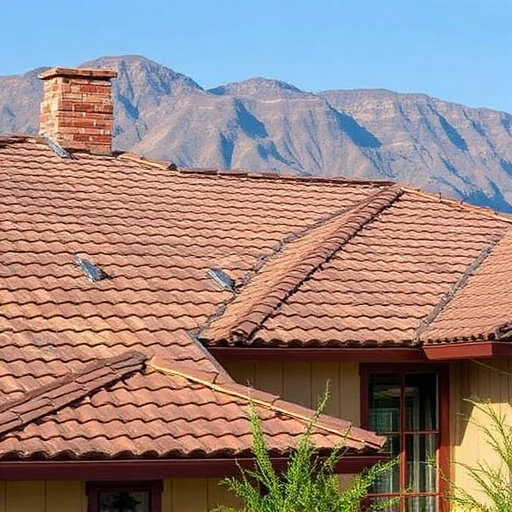
In Oro Valley, while asphalt shingles are a popular roofing choice, there are scenarios where they might not be the best option. Understanding when to avoid installing or replacing shingles is crucial for any homeowner. One significant consideration is the unique climate and environmental factors that can impact the longevity and performance of shingles.
One major concern is the extreme thermal cycling experienced in the area due to the desert climate. Shingles are designed to withstand temperature variations, but the rapid shifts between day and night can lead to excessive expansion and contraction. This can result in curling, cupping, or even granule loss over time, especially with lower-quality or non-wind-rated shingles. In hot, dry climates like ours, adequate ventilation helps maintain lower roof temperatures, reducing the stress on shingles.
Another situation where shingles might not be ideal is in specific neighborhood associations, such as Saddlebrooke, which have strict design guidelines. Some HOAs mandate tile roofing for aesthetic reasons, especially in low-slope or patio cover applications. Ignoring these guidelines could lead to fines or issues with the association. DC Roofing of Arizona, a local expert, emphasizes that understanding these regulations is vital before any roofing project. When considering a roof replacement, homeowners should assess the condition of the existing shingles. If only a few shingles are damaged or missing, repairing them might be more cost-effective than a full replacement. Shingle repair, including fixing nail pops, replacing granules, or addressing algae and stains, can extend the life of your roof while maintaining its structural integrity.
Frequently Asked Questions About an explainer on when shingles make sense in Oro Valley and when they do not
What are shingles, and why are they considered a roofing option in Oro Valley?
Shingles are thin, durable layers (typically made from asphalt, metal, or composite materials) that cover a roof. They offer a cost-effective, low-maintenance solution for roofing in Oro Valley's diverse climate. The area's extreme heat, cold, and occasional rainfall necessitate a roofing material that can withstand these conditions. Shingles are designed to resist high winds, sun exposure, and environmental damage, making them a popular choice for homeowners in Oro Valley.
When is it appropriate to consider shingles for a roof replacement or installation?
Shingles are suitable for both new constructions and roof replacements in Oro Valley when budget constraints are a factor, and a low-maintenance exterior is desired. They are ideal for homes with pitched roofs, as they provide excellent protection against the elements. With a wide range of colors, textures, and styles available, shingles offer a flexible design option to suit personal preferences.
Are there any downsides to using shingles as a roofing material?
While shingles are versatile and affordable, they may not be the best choice for all situations. They are more susceptible to damage from heavy objects falling, such as branches or debris, compared to sturdier materials like tile or metal. Shingles also require periodic replacement, as their effectiveness decreases over time, unlike longer-lasting materials.
How long do shingles typically last in Oro Valley's climate?
In Oro Valley, with its hot, dry climate, shingles can last anywhere from 15 to 30 years. Factors such as regular maintenance, exposure to sunlight, and local weather patterns can impact their lifespan. Regular inspection and maintenance, including replacing missing or damaged shingles, can extend the overall durability of your roof.
What should I consider when comparing shingles to other roofing options?
When considering shingles against alternatives, evaluate factors like cost, maintenance requirements, lifespan, and aesthetic appeal. Shingles offer a cost-effective solution, but higher-end materials like metal or tile may provide superior durability and energy efficiency. Each option has its advantages, so consulting a licensed Oro Valley roofer can help determine the best choice based on your specific needs.
In Oro Valley, understanding when to choose shingles and when to look for alternative roofing solutions is crucial. Shingle roofs excel when designed for the local climate, offering excellent durability in the desert heat and providing a cost-effective, low-maintenance option. Shingle roof ventilation needs, as guided by the Oro Valley Building Department, are essential to mitigate blistering in the summer and prolong the lifespan of the roof, especially with desert-rated shingles like GAF and Atlas.
However, shingles may not be the best choice in all scenarios. Extreme weather events, such as hailstorms, can cause significant damage, with cracked shingles becoming a common issue. In such cases, it's often more prudent to consider durable alternatives like tile roofing, which offers superior resistance to extreme conditions.
When only a few shingles need replacement, it might be more economical to repair rather than replace the entire roof. Shingle brands, colors, and installation techniques, governed by the local Homeowners Association, play a significant role in aesthetics and property value. Thus, homeowners should consider the visual impact of different shingle types and the HOA's design guidelines.
A thorough cost-benefit analysis, factoring in local labor costs, tax incentives for energy-efficient roofing, and the specific needs of the Oro Valley climate, is essential. By understanding these nuances, homeowners can make informed decisions, ensuring their roofs provide lasting protection while aligning with the community's aesthetic and regulatory standards.
In Oro Valley, understanding and prioritizing shingle roof ventilation needs is paramount for durable, efficient roofing. Ventilation mitigates the effects of intense desert sunlight and fluctuating temperatures, preventing shingle damage like curling and cupping. A licensed roofing contractor recommends installing ridge vents and soffit vents for optimal airflow, along with synthetic underlayment for added protection. Proper ventilation also reduces energy costs by keeping the attic cooler and extending shingle lifespans. However, in specific climate-controlled areas or strict HOA neighborhoods, tile roofing might be preferred, and repairing damaged shingles can often be more cost-effective than replacement.