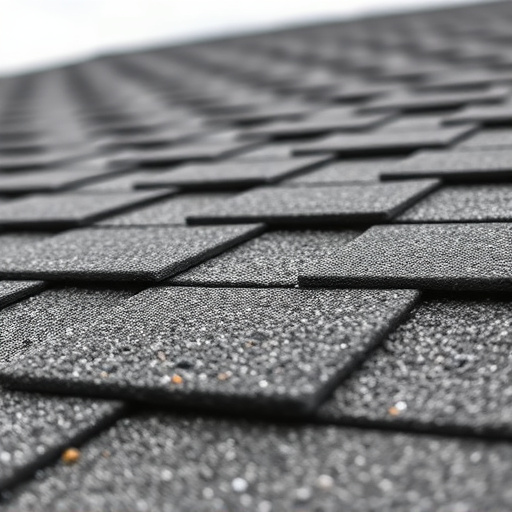
Shingle roofs are a staple of Oro Valley's architectural landscape, providing both aesthetic appeal and protection from the region's harsh desert climate. However, understanding the factors that influence shingle roof costs can be a challenge, with variables like material type, local labor, and environmental conditions playing a role. This article offers a plain-language guide to navigating the complexities of shingle roof pricing in Oro Valley, focusing on what drives these costs and how to make informed decisions about replacement or repair. By exploring factors like the shingle lifespan in desert heat, local climate patterns, and community regulations, we empower homeowners with the knowledge to make cost-effective choices for their roofing needs.
- Understanding Shingle Costs: Factors at Play
- Desert Heat's Impact on Shingle Lifespan
- Predicting Shingle Replacement: Time Frames
- Maximizing Shingle Lifespan: Maintenance Tips
Understanding Shingle Costs: Factors at Play
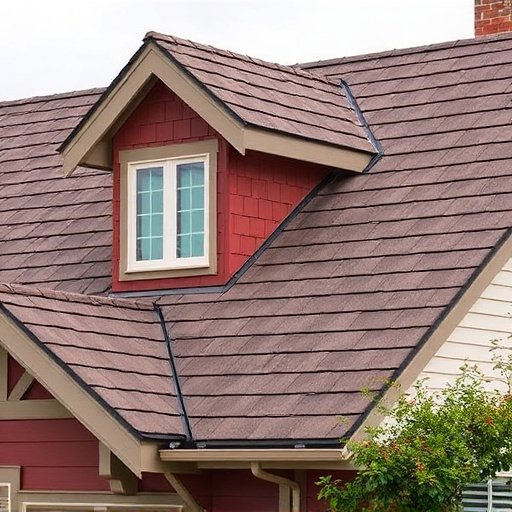
Understanding the factors that influence shingle costs is crucial for homeowners in Oro Valley's unique desert climate, like those in Rancho Vistoso. Shingle lifespan in desert heat is a key consideration; the intense UV radiation and fluctuating temperatures can accelerate wear and tear compared to milder climates. This has a direct impact on the type of shingles you choose and, consequently, their cost.
Fiberglass mat shingles, for instance, are a popular choice for their durability and resistance to extreme heat. However, they tend to be more expensive than traditional three-tab shingles. A local roofing company serving Oro Valley might recommend fiberglass mats for their longer lifespan, but homeowners should also factor in the potential for higher installation costs and the need for specialized contractors. HOA architectural reviews, common in Oro Valley communities like Rancho Vistoso, often play a role in material choices, with certain designs and colors approved to maintain aesthetic consistency.
Beyond the shingles themselves, installation complexity and labor costs vary widely. A simple replacement on a low-slope roof will be less expensive than a complex repair or full roof replacement. Shingle brands and their warranties can also impact pricing. High-end brands offering longer warranties may have higher upfront costs but could save money in the long run by reducing repair or replacement frequency. Understanding these factors allows homeowners to make informed decisions, ensuring they get the best value for their investment in their Oro Valley homes.
Desert Heat's Impact on Shingle Lifespan
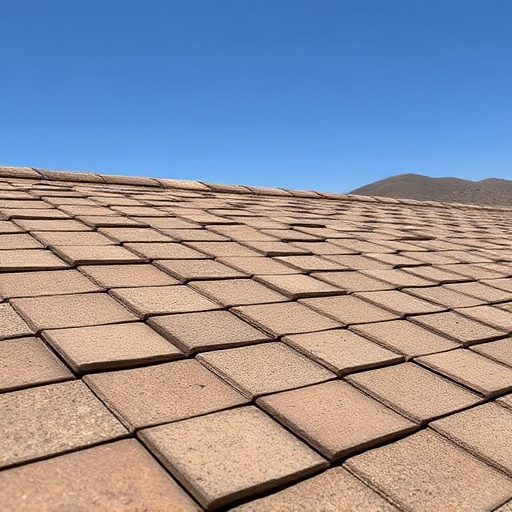
The unique climate in Oro Valley, characterized by intense summer heat and fluctuating temperatures, significantly influences the lifespan of shingle roofs. In this desert environment, shingles undergo a process known as thermal cycling-experiencing rapid heating and cooling-which can accelerate degradation. As temperatures soar above 100F during the day and drop dramatically at night, shingles expand and contract, putting stress on the material. This constant strain, combined with the intense UV radiation from the sun, can lead to premature granule loss, a critical component of shingles that protects the underlying layers from the elements.
Shingles in Rancho Vistoso and the broader Oro Valley area are particularly susceptible to these effects. Desert heat can cause shingles to become brittle and curl, leading to issues like curling and cupping. This phenomenon not only compromises the aesthetic appeal of a roof but also weakens its structural integrity. These shingles often incorporate enhanced granule formulas and improved manufacturing processes to withstand the harsh conditions.
Over time, the cumulative effect of thermal cycling can result in a significantly reduced shingle lifespan. In this region, homeowners should expect their shingle roofs to last between 15 to 20 years, depending on factors like installation quality, maintenance, and the specific shingle type. Regular inspections are crucial to identify signs of wear and tear early, allowing for timely repairs or replacements. By understanding the impact of desert heat on shingles, Oro Valley residents can make informed decisions about their roofing investments, ensuring their homes remain protected from the elements.
Predicting Shingle Replacement: Time Frames
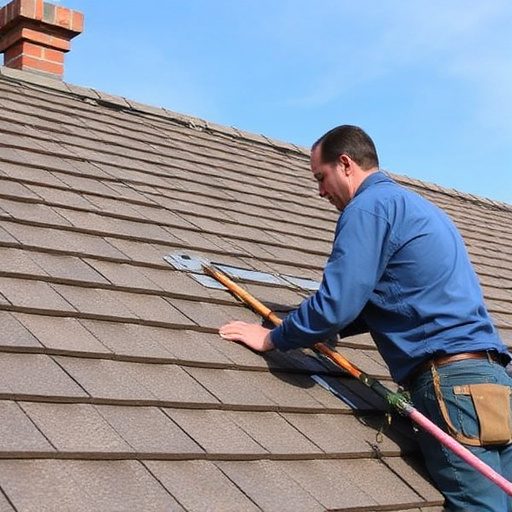
Predicting when a shingle roof needs replacement is crucial for homeowners in Oro Valley's desert climate. The lifespan of asphalt shingles in this region is significantly influenced by the harsh environmental conditions, including intense sunlight, high winds, and monsoonal storms. However, this varies based on factors like installation quality, proper underlayment, and regular maintenance.
The impact of the local climate on shingle performance is well-documented. The extreme heat can cause shingles to shrink and curl, leading to issues like cupping and lifting. High winds, common during monsoonal seasons, can cause granule loss and even blow off shingles, especially if the roof isn't properly secured or if the shingles aren't wind-rated. To combat these issues, homeowners should consider investing in impact-resistant shingles and ensuring their roofing contractor follows local building codes and manufacturer guidelines for wind ratings.
Homeowners associations (HOAs) in Oro Valley, like the Southern Arizona Homeowners Association (SAHOA), often have architectural review guidelines for exterior renovations, including shingle replacements. These guidelines exist to maintain consistency and curb appeal throughout the community. When planning a shingle replacement, it's essential to consult these rules and work with a roofing contractor familiar with local regulations and HOA requirements. A roofing contractor serving Oro Valley and Marana might advise that, in some cases, it's more cost-effective to replace a few damaged shingles rather than the entire roof, especially if the rest of the roof is in good condition. Regular inspections, especially after storms and during monsoon seasons, can help in identifying these issues early, thus extending the lifespan of your roof.
Maximizing Shingle Lifespan: Maintenance Tips
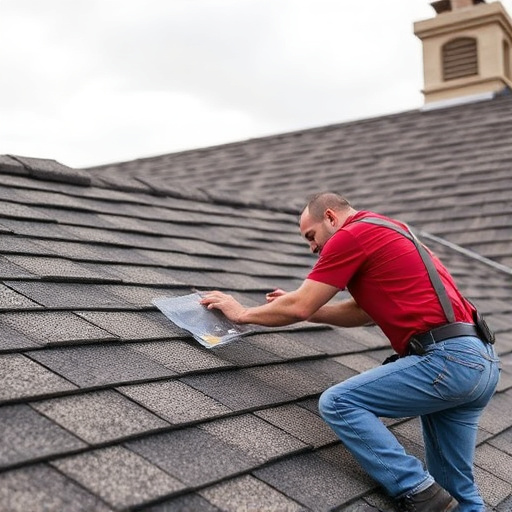
Shingle roofs in Oro Valley, Marana, and Rancho Vistoso face unique challenges due to the extreme climate, including intense sunlight and rapid thermal cycling. To maximize the lifespan of your roof in these conditions, regular maintenance is crucial. This isn't just about aesthetics; it directly impacts the structural integrity and cost-effectiveness of your property.
One of the primary culprits in shingle deterioration is UV exposure. The desert heat accelerates the breakdown of asphalt, a key component in shingles. Over time, this leads to granule loss, where the protective shingles' small granules start to fall off, exposing the underlying mat to harsher conditions. To combat this, regularly inspect your roof for any loose or missing granules, especially after severe storms. Replacing a few loose shingles early can prevent a widespread problem later.
Thermal cycling, the rapid change in temperature between day and night, causes shingles to expand and contract. This can lead to curling or cupping of shingles, creating spaces that allow water intrusion and further damage. To mitigate this effect, ensure proper ventilation under your roof and consider using impact-resistant shingles, which are designed to withstand these extreme conditions. An experienced Oro Valley roof specialist can offer guidance tailored to your specific climate and roof type.
Regular maintenance also includes checking for signs of algae and stains, which can weaken shingles. A good cleaning routine can help, but be mindful of using the wrong products, which might damage the shingles further. When inspecting your roof, look for any nail pops or cracks, especially after storms. Prompt repair of these issues prevents water penetration and ensures your shingles remain in top condition. The lifespan of your shingle roof in desert heat is significantly influenced by these factors, so a proactive maintenance approach is key to protecting your investment.
Frequently Asked Questions About a plain language look at shingle roof costs and what drives them
What are the average costs for a shingle roof replacement in Oro Valley? Shingle roof replacements in Oro Valley typically range from $5,000 to $10,000, depending on the size of the roof, the type of shingles chosen, and any additional work like flashing repair or attic ventilation upgrades. DC Roofing of Arizona, a licensed Oro Valley area roofing contractor, generally sees a mid-range replacement project costing around $7,500.
How long does it take to install a new shingle roof? Most shingle roof installations in Oro Valley take one to two days, depending on the roof's size and complexity. This involves removing the old roofing materials, installing new underlayment, and placing the new shingles.
What factors affect the cost of a shingle roof? Several factors influence the price of a shingle roof, including the size and pitch of the roof, the type of shingles (asphalt, wood shake, metal, etc.), labor rates, and the complexity of the job (e.g., roof shapes, valleys, and chimneys).
Do I need to get multiple estimates before hiring a roofer? Absolutely. It's wise to get at least three estimates from different, licensed roofing contractors in Oro Valley. This allows you to compare prices, services, and experiences, ensuring you find the best value for your project.
What should I look for when comparing roofing estimates? Focus on the detail in each estimate. Compare the proposed materials, labor rates, warranties, and the contractor's experience. Ask about guarantees and insurance coverage. Ensure all estimates are in writing and include a breakdown of costs.
How can I tell if a roofer is reputable? Check the contractor's licensing and insurance status with the Arizona Department of Construction and Licensing (DOC). Look for online reviews from satisfied customers in Oro Valley. Reputable contractors often provide references upon request.
In Oro Valley, understanding the factors driving shingle roof costs is crucial for any homeowner. The article has explain several key aspects: the impact of desert heat on shingle lifespan, the importance of timely replacement, and effective maintenance strategies. We've learned that shingles in such arid conditions may have a shorter lifespan, necessitating replacement every 15 to 20 years, depending on the manufacturer and installation quality. Regular inspection for signs of curling, granule loss, or nail pops can extend this lifespan.
By considering architectural styles, choosing desert-rated shingles, and following local building codes and HOA guidelines, homeowners can maximize the longevity of their roofs. Energy-efficient roofing options, such as cool roof shingles, offer long-term savings and may be eligible for tax incentives.
A well-informed approach to shingle roof maintenance and replacement is essential for any Oro Valley homeowner. By understanding the factors at play, including the unique challenges of the local climate, you can make informed decisions, ensuring your home remains protected while optimizing your investment.
Shingle roofs in Oro Valley's desert climate face unique challenges from intense heat, UV radiation, and fluctuating temperatures, leading to reduced lifespans. Heat-resistant fiberglass mats, recommended by local contractors, offer longer durations but higher upfront costs. Installation complexity, labor, and brand warranties impact pricing. Regular inspections are vital to identify issues early, extending roof life. Shingle lifespans typically range 15-20 years, depending on factors like installation and climate. Homeowners should consider impact-resistant shingles and follow HOA guidelines for architectural reviews. Proactive maintenance, including granule loss prevention, proper ventilation, and algae stain removal, is key to protecting investments.