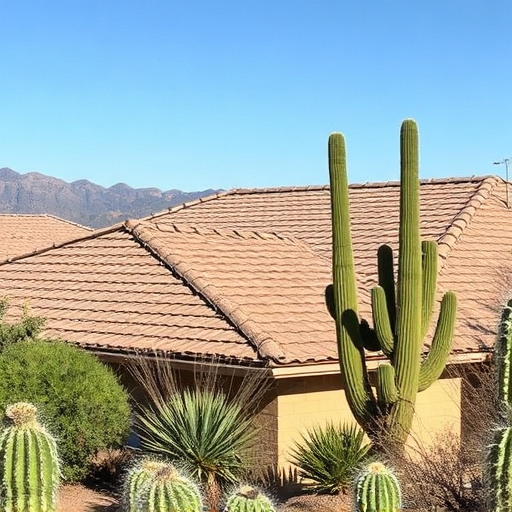
As the sun beats down on Oro Valley's rugged landscape, the choice of a durable and aesthetically pleasing roofing solution becomes paramount for homeowners. Asphalt shingles, a prevalent roofing material, offer a range of styles, from traditional three-tab to more sophisticated architectural designs. However, understanding shingle types, lifespans, and maintenance can be daunting. This practical guide aims to demystify asphalt shingle roofs in Oro Valley, providing homeowners with the knowledge to make informed decisions. We'll explore the nuances of architectural vs. Three-tab shingles, their performance in the desert climate, and offer expert advice on maintenance, repair, and replacement to ensure your roof stands the test of time.
- Understanding Asphalt Shingle Options in Oro Valley
- Selecting the Right Style: Architectural vs. Three Tab
- Installation Best Practices for Optimal Performance
- Maintenance and Longevity: Ensuring Your Roof's Durability
Understanding Asphalt Shingle Options in Oro Valley
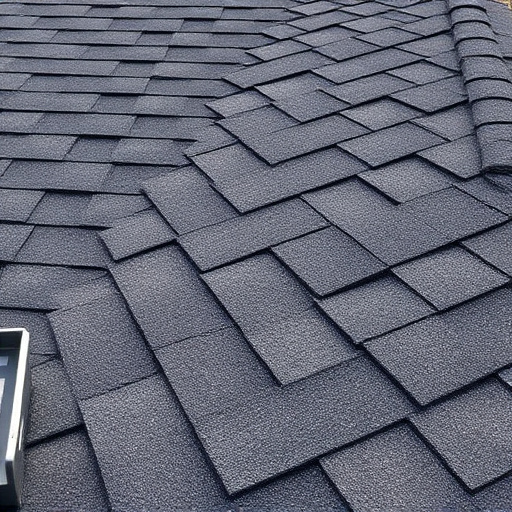
When choosing an asphalt shingle roof for your Oro Valley home, one of the most critical decisions involves the style of the shingles. The primary distinction lies between architectural and three-tab shingles. Architectural shingles, often referred to as dimensional or laminated, offer a more complex design with multiple layers, providing a deeper, more nuanced appearance. In contrast, three-tab shingles are simpler, with three distinct tabs or layers, giving them a more traditional look. Both styles are popular in Oro Valley, each with its advantages and considerations, especially in our region's unique climate.
Solar reflectance and thermal cycling are significant factors in the desert heat of Oro Valley. Solar reflectance refers to a shingle's ability to reflect sunlight, which can help reduce roof temperatures and, consequently, lower cooling costs. Some manufacturers offer shingles with higher solar reflectance ratings, which can be particularly beneficial in our area. Thermal cycling describes the expansion and contraction of materials due to temperature changes. In extreme heat followed by rapid cooling, such as during monsoon winds, shingles must withstand these cycles without damage. Both architectural and three-tab shingles can be designed to resist thermal cycling, but their performance in this regard can vary among brands.
A local roofing company serving Oro Valley often recommends considering the specific needs of our region when choosing shingles. During monsoon season, shingles that can withstand high winds and potential debris impact are crucial. Impact-resistant shingles, designed to protect against hail and strong winds, are a popular choice for Oro Valley homeowners. The area's design guidelines, like those set by the Southern Arizona Homeowners Association (SAHOA), often influence shingle selection. They promote energy-efficient roofing practices, and many of their approved shingle styles have cool roof ratings, which can help reduce energy consumption. When considering a new roof or replacing a few shingles, understanding these options and their unique attributes is key to making an informed decision.
Selecting the Right Style: Architectural vs. Three Tab

When choosing the right style of asphalt shingles for your Oro Valley home, one of the most significant decisions involves selecting between architectural and three tab shingles. Both options have their unique characteristics and benefits, but understanding the differences is crucial for a durable and aesthetically pleasing roof.
Architectural shingles, known for their sophisticated look, offer a more complex design compared to three tab shingles. These shingles are larger, often imitating the appearance of tile or slate, and feature a distinctive texture that provides enhanced visual appeal. The installation process for architectural shingles typically requires more skill and time, making them a popular choice for homeowners seeking a premium, custom look. Their higher cost is offset by their superior solar reflectance, contributing to energy efficiency in the desert climate of Oro Valley. The underlying fiberglass mat construction enhances their strength and durability, making them a smart investment for homeowners.
In contrast, three tab shingles are a more traditional and widely used option. They are smaller, with a flat surface and a simple, tabbed design. Despite their simplicity, three tab shingles have made significant improvements over the years, with modern versions featuring better wind resistance and enhanced granule adhesion. They are generally more affordable and easier to install, making them a practical choice for many Oro Valley residents. When considering a budget-friendly option without compromising on quality, three tab shingles can be an excellent selection.
When deciding between architectural and three tab shingles, consult with a roofing contractor serving Oro Valley and Marana who can provide expert advice tailored to your specific needs and preferences. They can help you weigh the aesthetic appeal, durability, and cost-effectiveness of each option, ensuring your roof meets both your functional and stylistic expectations.
Installation Best Practices for Optimal Performance
When selecting and installing asphalt shingles on Oro Valley homes, understanding the nuances between architectural and three-tab styles is crucial for optimal performance. Architectural shingles, known for their distinctive dimensional look, offer superior wind resistance and better withstand extreme weather conditions, such as those frequently encountered in Oro Valley's desert climate. In contrast, three-tab shingles are more common, featuring a simpler design where each tab is connected to the center, providing less wind protection but often preferred for their lower cost and easier installation.
Best practices for installation start with proper preparation. This includes ensuring a clean, dry roof deck with no missing or loose shingles from previous installations. A well-prepared roof deck is key to a long-lasting roof. DC Roofing of Arizona, a licensed Oro Valley contractor, emphasizes the importance of inspecting for and repairing any damage caused by Marana's occasional severe storms. Once ready, a drip edge should be installed around the perimeter, directing water away from the roof's edge and into the gutter system. This simple step can prevent water damage and extend the life of the roof.
Next, consider the underlayment. A quality underlayment acts as a secondary barrier against the elements, providing extra protection against leaks. Reflecting local building codes, the Oro Valley Building Department recommends using a synthetic underlayment, which offers superior performance in the region's climate. For new installations, a starter strip should be applied at the bottom row of shingles to secure the first course, enhancing overall wind resistance. Lastly, proper ventilation is essential for keeping the roof cool and reducing the risk of blisters, cracks, and other damage, especially during the hot summer months. This includes adequate intake and exhaust vents, as well as proper ventilation along the roof's ridge cap.
Following these best practices ensures a durable, aesthetically pleasing roof that protects your Oro Valley home. Remember, the right choice between architectural and three-tab shingles, along with proper installation, can significantly impact your roof's lifespan and contribute to the overall value of your property.
Maintenance and Longevity: Ensuring Your Roof's Durability
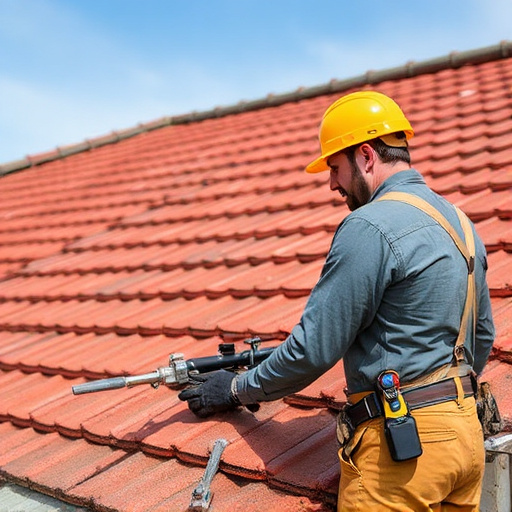
Maintaining and prolonging the life of your asphalt shingle roof is crucial for any Oro Valley homeowner. The desert climate presents unique challenges, from intense sunlight that can cause shingles to deteriorate faster to powerful winds that can lift off shingles during severe storms. Understanding these challenges and taking proactive steps can significantly extend the lifespan of your roof, saving you from costly repairs or premature replacements.
When comparing different roofing materials, architectural shingles stand out for their superior durability compared to three-tab shingles. They are designed to withstand harsh weather conditions, including strong winds and intense sunlight, making them a popular choice for the Catalina Foothills' rugged environment. An experienced Oro Valley roof specialist recommends architectural shingles for their enhanced wind resistance and ability to handle extreme temperatures. ENERGY STAR-rated shingles are another option to consider. These shingles not only offer excellent durability but also provide additional energy efficiency benefits by reflecting sunlight, reducing heat transfer, and lowering cooling costs.
Regular maintenance is key to ensuring your roof's longevity. Inspecting your roof for any signs of damage, such as missing or curled shingles, is essential. The Oro Valley Building Department encourages homeowners to check their roofs after severe weather events, like storms or intense sun, as these conditions can accelerate shingle deterioration. Look for granule loss, which can indicate aging or damage, and address any issues promptly. A drip edge installed correctly can help prevent water damage and prolong the life of your underlayment, while proper ventilation ensures the roof deck stays dry, reducing the risk of mold and rot. Regular maintenance, combined with high-quality materials like impact-resistant shingles, can save you from costly repairs and extend the life of your roof for years to come.
Frequently Asked Questions About a Practical Guide to Asphalt Shingle Roofs on Oro Valley Homes
What is the best type of asphalt shingle for an Oro Valley home?
When selecting asphalt shingles for an Oro Valley home, consider factors like climate, local aesthetics, and budget. For this region's hot, sunny climate, choose shingles with excellent heat reflectivity, which can help lower cooling costs. Higher-quality shingles, often made with more durable materials and stronger warranties, are recommended. Local building codes and architectural styles also play a role. Consult with a licensed Oro Valley area roofing contractor for personalized advice.
How long do asphalt shingles typically last on an Oro Valley roof?
Asphalt shingles generally last 25 to 30 years, but with proper installation, maintenance, and local climate conditions, many can last 40 years or more. Factors that can influence lifespan include exposure to UV light, wind, rain, snow, and the overall quality of the shingles.
What is the average cost to replace an asphalt shingle roof in Oro Valley?
The cost to replace an asphalt shingle roof in Oro Valley ranges from $5,000 to $10,000, depending on the size of the roof, the type of shingles chosen, and the complexity of the installation. This includes materials and labor. Getting quotes from several licensed Oro Valley roofing contractors is recommended to ensure you get a fair price.
Should I repair or replace my damaged asphalt shingle roof?
The decision to repair or replace a damaged asphalt shingle roof depends on the extent of the damage. Minor repairs, like replacing a few missing or broken shingles, can be cost-effective.
How can I extend the lifespan of my asphalt shingle roof?
Regular inspection and maintenance can significantly extend the lifespan of your asphalt shingle roof. This includes: clearing gutters of debris, ensuring proper drainage, repairing leaks promptly, sealing flashing and valleys, and replacing worn or damaged shingles. Following the manufacturer's recommendations for cleaning and maintenance will also contribute to its longevity.
This guide has provided a comprehensive overview of asphalt shingle roofs in Oro Valley, equipping homeowners with essential knowledge to make informed decisions. By understanding the distinct architectural and three-tab styles, the article highlights the importance of aesthetic preferences and roof performance in the local climate. Installation practices, maintenance routines, and longevity expectations are now clearer, enabling homeowners to ensure their roofs withstand the unique challenges of the desert environment.
Key takeaways include the need for proper ventilation, regular inspections, and timely repairs to prevent damage from granule loss, curling, or cupping. The article emphasizes the value of energy-efficient, cool roof options and the role of local building codes and homeowners' associations in design guidelines.
For homeowners considering a roof replacement, the guide offers practical insights into cost estimation, choosing impact-resistant or hail-rated shingles, and the process of working with local roofing contractors. The information ensures that Oro Valley residents can confidently understand asphalt shingle roofs, making informed choices that contribute to their home's durability and value.
When choosing an asphalt shingle roof for your Oro Valley home, consider:
- Architectural vs. Three-Tab Shingles: Architectural shingles offer a more complex, dimensional look with better wind resistance and solar reflectance, while three-tab shingles are simpler, more affordable, and easier to install.
- Climate Considerations: Oro Valley's desert climate demands shingles that can withstand high winds, intense sunlight, and thermal cycling. Solar reflectance and impact resistance are key.
- Installation Best Practices: Proper preparation, underlayment, ventilation, and a drip edge are crucial for a durable roof. Follow local building codes and consult with a licensed contractor.
- Maintenance: Regularly inspect your roof for damage, granule loss, and proper ventilation to extend its lifespan. High-quality materials, like impact-resistant shingles, offer additional protection.